Lagers vs Ales: Understanding Fermentation Differences
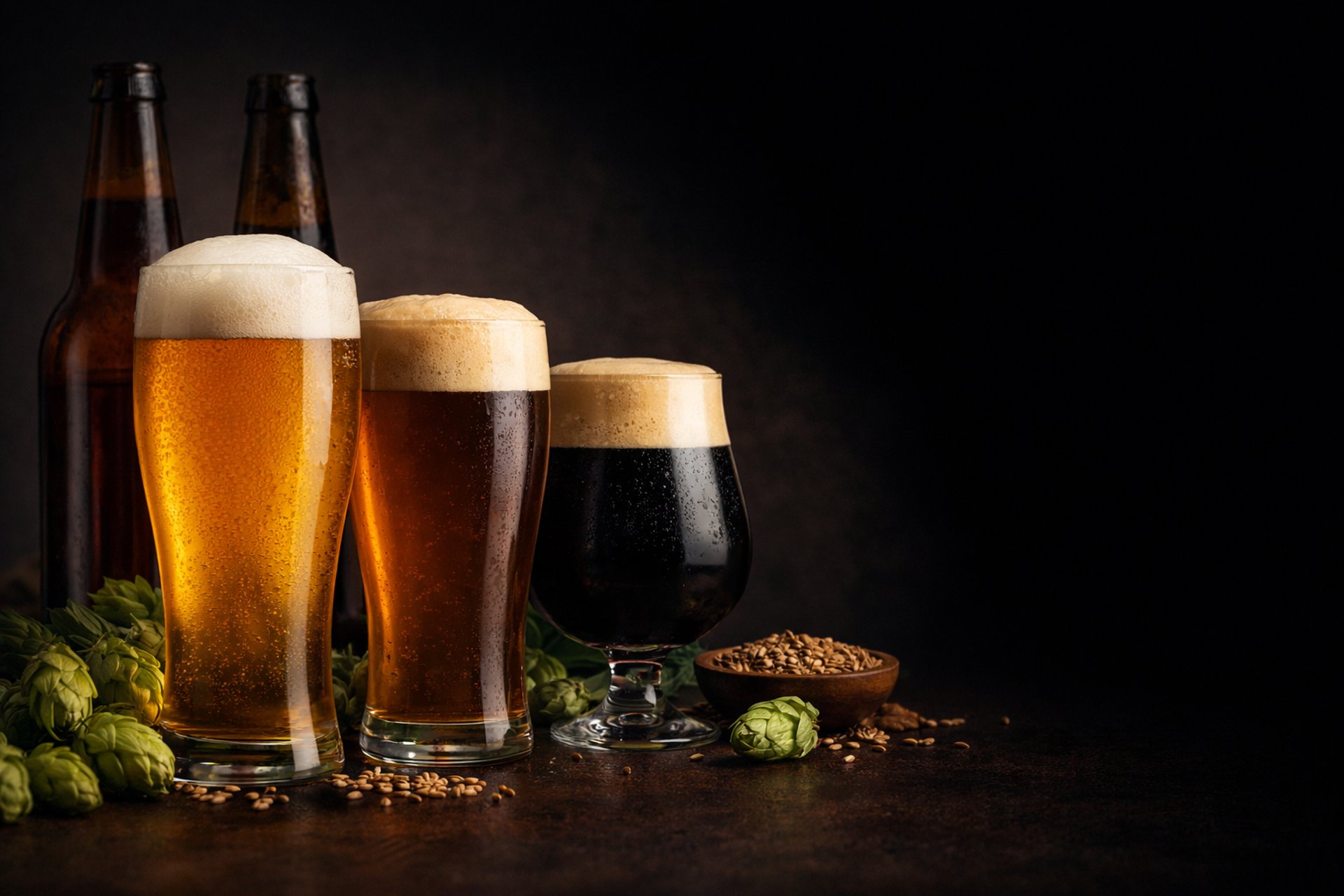
Nearly all beers fall into one of two foundational families: ales or lagers. The primary distinction between them lies in yeast strain and fermentation temperature — not in quality, strength, or prestige.
This difference in fermentation approach shapes aroma, clarity, body, and overall drinking experience. Understanding how ales and lagers are produced makes beer selection simpler and more intentional.
Ale Fermentation
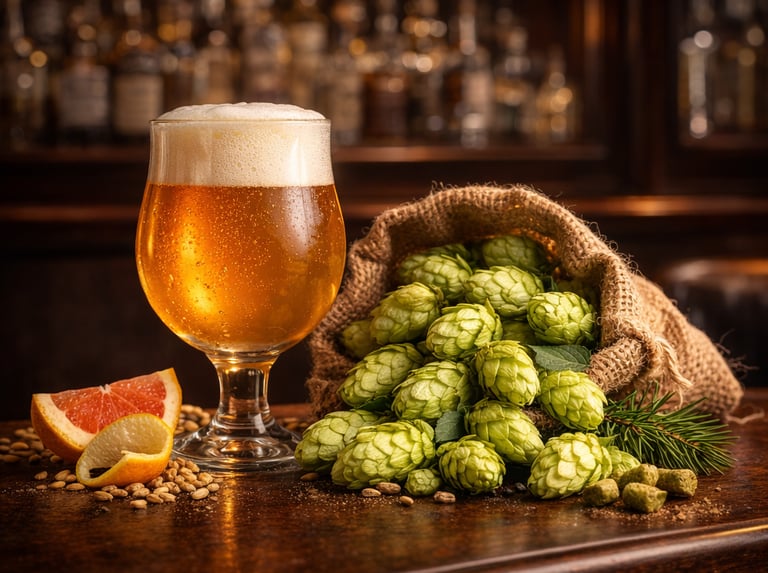
Ales are brewed using top-fermenting yeast strains and typically ferment at warmer temperatures — generally between 60–75°F (15–24°C).
Warmer fermentation encourages yeast to produce aromatic compounds known as esters. These esters contribute subtle fruit-like characteristics such as:
• Apple
• Pear
• Citrus
• Stone fruit
Because of this, ales often feel more expressive and aromatic.
Ale fermentation tends to be faster than lager fermentation, sometimes completing within a week. The quicker fermentation and warmer environment can result in greater flavor variation and stylistic diversity.
Common ale styles include:
• IPA (India Pale Ale)
• Pale Ale
• Stout
• Porter
• Belgian Ale
• Wheat Ale
Check out: Beer Styles Explained
Ales often emphasize hop intensity, malt richness, or yeast-driven complexity depending on the style.
Lager Fermentation
Lagers are brewed using bottom-fermenting yeast strains and ferment at cooler temperatures — typically between 45–55°F (7–13°C).
Cooler fermentation produces fewer esters and aromatic byproducts. The result is a cleaner, more restrained flavor profile.
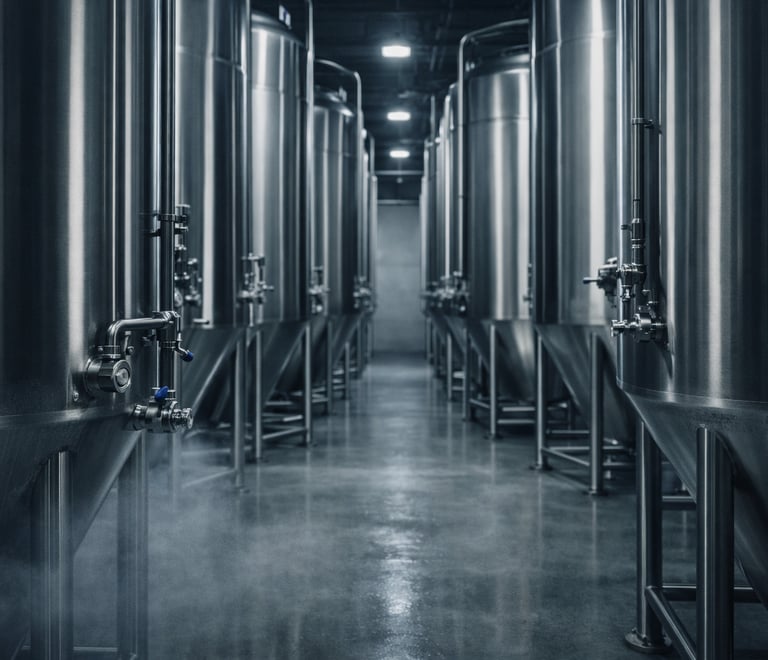
Lager fermentation is slower and is followed by a cold conditioning period known as “lagering.” During lagering, beer is stored at near-freezing temperatures for weeks or months. This extended conditioning promotes clarity, smoothness, and refined texture.
Lagers are often described as:
• Crisp
• Clean
• Smooth
• Balanced
Common lager styles include:
• Pilsner
• Helles
• Dunkel
• Bock
While often perceived as simple, well-made lagers require precision. With fewer yeast-driven aromatics to mask flaws, balance becomes critical.
Structural Differences
The structural differences between ales and lagers are rooted in fermentation behavior.
Ales often feel:
• More aromatic
• Slightly fuller-bodied
• More varied in flavor expression
Lagers often feel:
• Cleaner
• Crisper
• Smoother on the finish
Neither category is inherently superior. Quality exists in both families.
The difference is not about complexity versus simplicity — it is about fermentation structure and stylistic intent.
Understanding whether you prefer expressive yeast character or clean precision can guide beer selection more effectively than focusing solely on brand or style name.
Closing Perspective
Lagers and ales represent two fermentation paths built from the same core ingredients: malt, hops, water, and yeast.
Fermentation temperature and yeast strain determine whether a beer leans toward aromatic expression or crisp restraint.
Both families contain a wide spectrum of styles — from light and refreshing to dark and high in alcohol.
Knowing the difference between lagers and ales provides a foundational framework for navigating beer with clarity.
Structure begins in fermentation.

Responsible Enjoyment
Understanding Strength & Moderation
Beer’s lower ABV can create a perception of reduced impact. However, serving size and alcohol concentration vary widely.
For example:
A 7% IPA in a 16-ounce serving contains significantly more alcohol than a standard 5% 12-ounce lager.
Responsible practices include:
• Monitoring ABV
• Pacing consumption
• Staying hydrated
• Avoiding rapid intake
Internal Link → Education, Safety & Responsibility
Understanding structure includes understanding strength.
© 2026 Barkeepers Buzz. All rights reserved.
Barkeepers Buzz
Master cocktails, spirits, and bar knowledge with clarity and precision. Built for serious home enthusiasts.
Crafted with respect for the culture — and the responsibility that comes with it.
For educational purposes only. Intended for legal drinking age audiences. Please drink responsibly.
General Inquiries: