

Best Cocktail Strainers
Clarity is structural.
After shaking or stirring, ice and micro-fragments remain suspended in the liquid. Without proper straining, texture becomes inconsistent, dilution continues uncontrolled, and presentation suffers.
A well-built strainer controls:
Ice separation
Texture refinement
Pour speed
Final clarity
This guide evaluates spring tension, weld integrity, coil durability, fit compatibility, material grade, and long-term reliability.
No decorative novelty tools.
No thin, warped coils.
Only functional strainers designed for controlled execution.
BEST OVERALL
Essential Cocktail Strainer
Best for: Most Home Bars
$$
BEST Refined
Refined Cocktail Strainer
Best for: Frequent Use
$$ - $$$
BEST PREMIUM
Weighted Cocktail Strainer
Best for: Long-Term Build
$$$
Transparency Note: We may earn a commission from qualifying purchases. Product selections are made independently and are not influenced by manufacturers.
Why a Proper Strainer Matters
Shaking introduces:
Ice shards
Citrus pulp
Herb fragments
Foam inconsistencies
Stirring leaves:
Residual ice chips
Uncontrolled dilution if not separated cleanly
Straining stabilizes the drink at the intended dilution point.
Without it, texture drifts.
For stirred cocktails especially, clarity defines refinement.
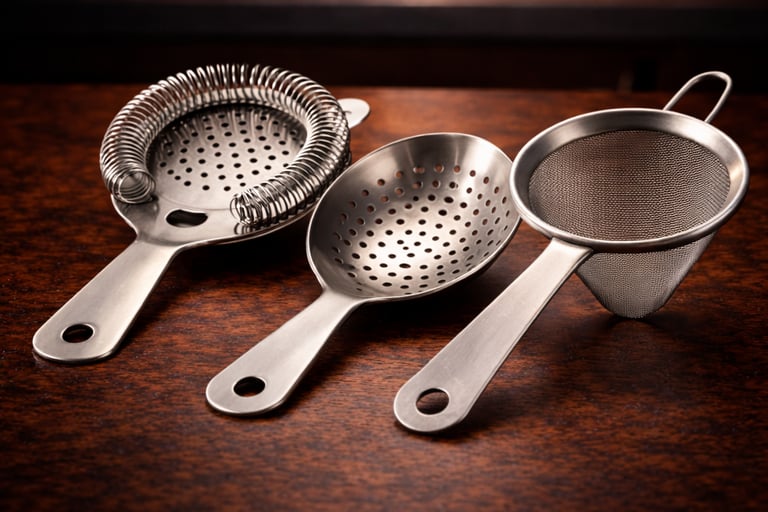
Types of Cocktail Strainers
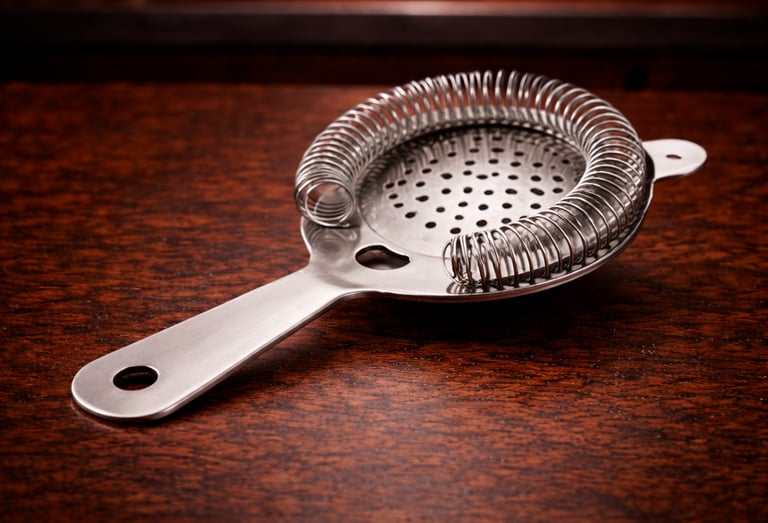
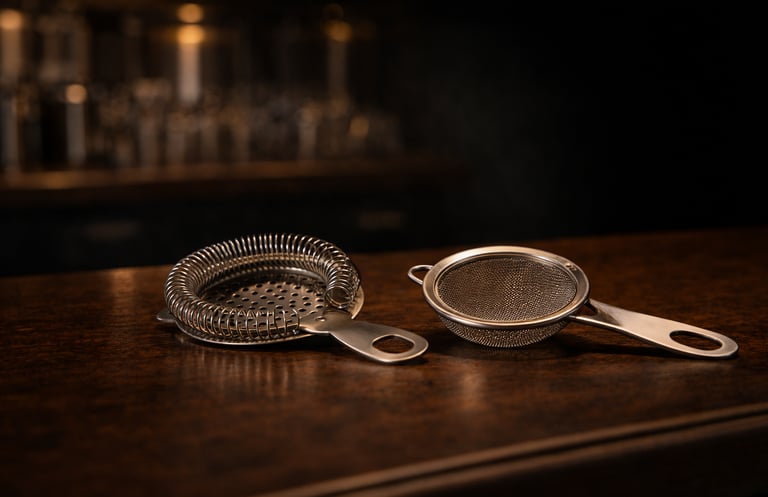
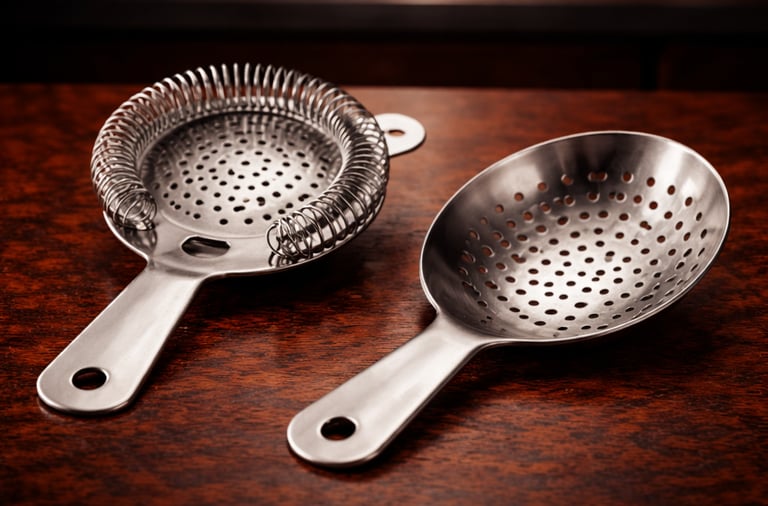
Hawthorne Strainer
The most common and versatile.
Structure:
Flat metal disc
Spring coil perimeter
Handle with stabilizing prongs
Designed to fit over shaker tins.
Advantages:
Adjustable spring tension
Strong ice retention
Works with most shaker systems
Best for:
Shaken cocktails
Boston shaker use
Everyday home bar functionality
This is the primary strainer most bars rely on.
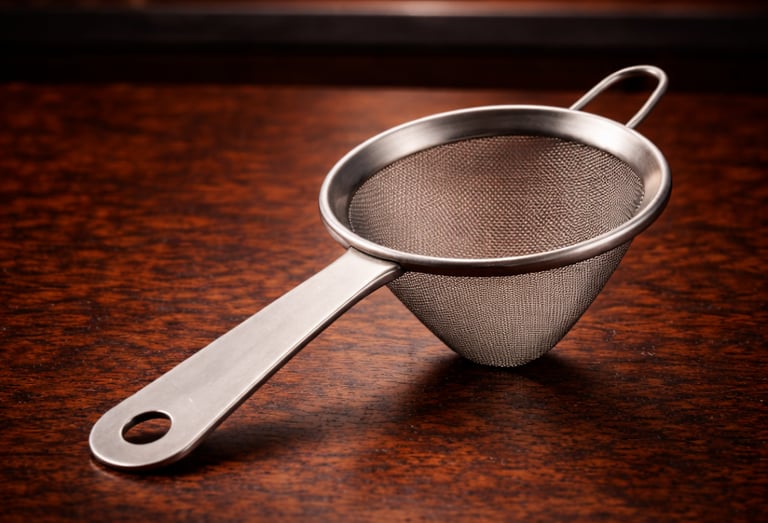
Fine Mesh Strainer
Secondary refinement tool.
Structure:
Small mesh basket
Handle with rim support
Used for double straining.
Advantages:
Removes micro-ice shards
Filters citrus pulp
Improves texture smoothness
Best for:
Citrus-heavy drinks
Egg white cocktails
Precision-focused builds
Often used in combination with a Hawthorne.
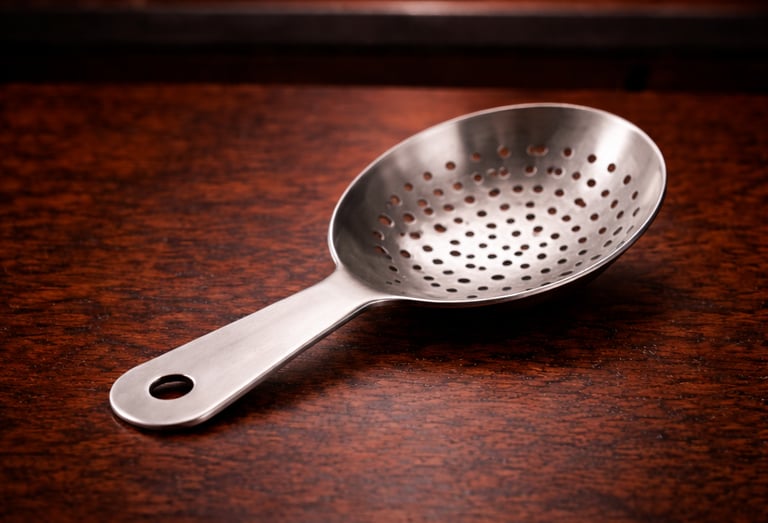
Julep Strainer
Traditionally used with mixing glasses.
Structure:
Perforated bowl
Short handle
Advantages:
Clean fit inside mixing glass
Smooth pour control
Minimal turbulence
Best for:
Stirred cocktails
Manhattans
Negronis
Martinis
Preferred by some for aesthetic and traditional workflow.
What to Look For
Material
Choose:
18/8 stainless steel
Reinforced weld joints
Durable spring coil
Avoid:
Thin stamped metal
Plated finishes that chip
Durability determines performance consistency.
Spring Coil Quality (Hawthorne)
A proper Hawthorne should have:
Tight, evenly spaced coil
Firm tension
Removable spring for cleaning
Loose coils allow ice slip-through.
Fit Compatibility
Ensure diameter matches:
Mixing glass rim
Standard 28 oz shaker tins
Poor fit causes unstable pouring and leakage.
Handle Strength
Look for:
Reinforced weld points
Balanced length
Comfortable grip
Weak welds are common failure points in low-cost models.
Recommended Cocktail Strainer Categories
Straining is structural.
Ice control, pulp filtration, and dilution management directly influence texture, clarity, and balance. A properly built strainer ensures clean separation without disrupting flow.
The right choice depends on frequency of use and service environment — not appearance.
Below are the three structural tiers that matter.
Essential · Hawthorne Strainer
The foundational tool for shaken cocktails. Designed for consistent spring tension and universal fit across standard tins.
Standard-density spring coil
Balanced tab control
Reliable seal on shaker tins
Lightweight stainless construction
Ideal for daily home use and foundational technique.
Refined · Weighted Hawthorne Strainer
Built for higher repetition and improved filtration control. Reinforced construction and denser spring coils reduce ice shards and improve consistency.
Higher-density spring coil
Reinforced tab stability
Improved weld durability
Designed for frequent use
Best suited for high-frequency home bars and entertaining.
Professional · Pro-Grade Hawthorne Strainer
Engineered for commercial environments where speed and durability are critical. Coil tension retention and structural integrity remain consistent under constant repetition.
Heavy-gauge stainless steel
Wide, reinforced tab for stability
Superior ice shard control
Built for high-volume service
Designed for professional bar environments and long-term reliability.
The following selections represent the strongest performers within each structural tier.
Essential Cocktail
Strainer
BEST FOR: DAILY HOME USE
Built for clean pours and controlled separation. The focus isn’t decoration — it’s coil tension, fit, and consistent filtration.
TYPE
Hawthorne
MARKINGS
N/A
STABILITY
Balanced tab grip
LONGEVITY
Light-to-moderate use
WHY IT WINS
Consistent coil tension
Reliable seal on standard tins
Easy cleaning and maintenance
USE CASE
Everyday shaken cocktails
Home bar setups
Learning proper strain technique
8.3
OVERALL SCORE
Refined Cocktail
Strainer
BEST FOR: FREQUENT USE
Improved spring density and reinforced construction provide tighter filtration and greater durability under repetition.
TYPE
Weighted Hawthorne
MARKINGS
N/A
STABILITY
Reinforced tab
LONGEVITY
Durable construction
WHY IT WINS Refined
Tighter seal reduces ice shards
Better control during fast service
Higher repetition without loosening
USE CASE
High-frequency home bars
Entertaining multiple guests
Precision shaken builds
9.1
OVERALL SCORE
Professional Cocktail
Strainer
BEST FOR: HIGH-VOLUME SERVICE
Spring tension, weld quality, and tab stability are engineered for commercial environments.
TYPE
Pro Grade Hawthorne
MARKINGS
High-contrast etched
STABILITY
Wide tab
LONGEVITY
Commercial durability
WHY IT WINS Pro
Superior ice shard control
Maintains coil tension over time
Built for speed without spill
USE CASE
Daily cocktail routines
High-volume entertaining
Professional bar environments
9.4
OVERALL SCORE
How We Graded These Strainers
We evaluate bar tools based on structural performance — not marketing language, brand recognition, or decorative design.
Strainers are functional instruments. Their value lies in consistency, filtration control, and long-term durability under repetition.
Each recommendation was graded across the following criteria:
Spring Tension & Coil Density
For Hawthorne strainers, spring tension determines filtration quality.
We assess:
Coil tightness and density
Resistance under pressure
Ability to reduce ice shards
Long-term tension retention
Loose coils compromise clarity. Overly rigid coils reduce flow control.
Balance matters.
Weld & Construction Integrity
Weak welds fail under repetition.
We inspect:
Tab weld strength
Coil attachment stability
Rim reinforcement
Steel gauge thickness
Structural durability is prioritized over decorative finish.
Fit & Stability
A strainer must seal securely across standard shaker tins and mixing glasses.
We evaluate:
Universal compatibility
Tab balance
Pour stability
Control during high-speed service
Tools that shift or leak during strain lose points immediately.
Filtration Performance
For fine mesh strainers, we assess:
Mesh weave tightness
Rim reinforcement
Resistance to warping
Handle balance
For julep strainers, we evaluate:
Curvature alignment
Perforation consistency
Smoothness of pour
Clarity and texture control are central to scoring.
Longevity Under Repetition
We favor tools designed for long-term performance.
Scoring reflects:
Spring tension retention over time
Resistance to bending
Durability in high-frequency environments
Ease of cleaning and maintenance
Short-term shine does not earn higher scores.
What We Do Not Consider
Branding prestige
Decorative finishes
Color variants
Packaging
Sponsored placement
All selections are made independently and ranked according to structural performance within their tier.
Scoring Philosophy
Scores reflect performance within category — not price.
An Essential-tier tool is graded against other Essential tools.
A Professional-tier tool is evaluated against commercial standards.
Price does not determine quality. Structure does.
Hawthorne Strainer FAQ
What is a Hawthorne strainer used for?
A Hawthorne strainer is used to separate ice and solid particles from a shaken cocktail while pouring from a shaker tin.
It is most commonly paired with a Boston shaker and is designed specifically for shaken drinks. The coiled spring traps ice shards and pulp while allowing liquid to pass through smoothly.
It is the industry standard for shaken cocktails.
Why does a Hawthorne strainer have a spring?
The spring controls filtration.
The coil:
Adjusts to fit different shaker diameters
Creates a seal against the tin rim
Traps ice shards and small solids
Regulates flow speed
Higher-density coils provide tighter filtration and reduce ice debris in the finished drink.
Spring tension directly impacts clarity and control.
Do I need a Hawthorne strainer if my shaker has a built-in strainer?
Yes.
Built-in (Cobbler-style) strainers:
Often clog
Provide inconsistent flow
Allow more ice shards through
Lack control during fast pours
A separate Hawthorne strainer provides superior seal, flow control, and durability.
For precision, it is preferred.
What is the difference between a Hawthorne and a julep strainer?
A Hawthorne strainer:
Has a spring coil
Is designed for shaker tins
Is used primarily for shaken cocktails
A julep strainer:
Has perforations but no spring
Is designed for mixing glasses
Is used primarily for stirred cocktails
Each serves a different structural function.
What makes a high-quality Hawthorne strainer?
Quality is determined by:
Coil density and tension
Weld integrity at tab and spring
Steel gauge thickness
Tab stability during pour
Universal tin compatibility
Decorative finishes do not improve performance.
Structural durability does.
Should I double strain cocktails?
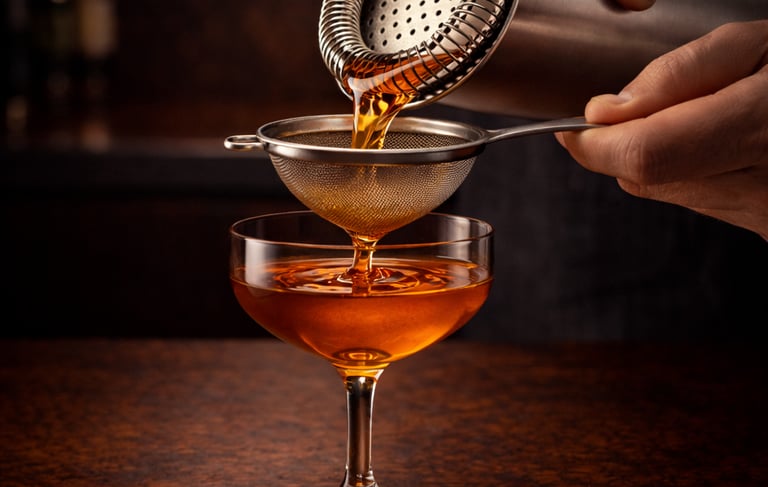
Double straining (Hawthorne + fine mesh strainer) is recommended when:
Using citrus juice
Using muddled fruit or herbs
Seeking smoother texture
Eliminating micro ice shards
It improves clarity and mouthfeel, particularly for refined builds.
Do Hawthorne strainers fit all shaker tins?
Most quality Hawthorne strainers are designed for universal compatibility with standard Boston shaker tins.
However:
Oversized or novelty tins may cause fit issues
Low-quality strainers may seal inconsistently
Spring flexibility and tab balance determine proper fit.
How long does a Hawthorne strainer last?
A well-built stainless steel Hawthorne strainer can last years — even in high-frequency use.
The primary failure point is:
Spring tension loosening
Weld fatigue
Heavy-gauge, reinforced models retain structure longer.
For most home bars, a single high-quality Hawthorne strainer paired with a fine mesh strainer covers nearly all shaken cocktail needs.
When to Double Strain
Double straining (Hawthorne + fine mesh) is recommended for:
Drinks with muddled herbs
Egg white cocktails
Drinks served “up” without ice
It improves:
Clarity
Texture
Presentation consistency
Not every drink requires it — but it elevates refined builds.
Hawthorne vs Julep — Which Should You Choose?
If using a Boston shaker:
Choose Hawthorne.
If primarily stirring in a mixing glass:
Choose Julep (or own both).
Most refined home bars maintain:
One Hawthorne
One fine mesh
Optional Julep
This covers nearly all preparation styles.
More in-depth review: Hawthorne vs Julep Strainer Explained
Cleaning & Maintenance
Strainers contact:
Citrus acids
Sugar syrups
Egg whites
They should be:
Dishwasher safe
Spring removable for cleaning
Dried thoroughly to prevent residue buildup
Neglect leads to coil corrosion and flavor contamination.
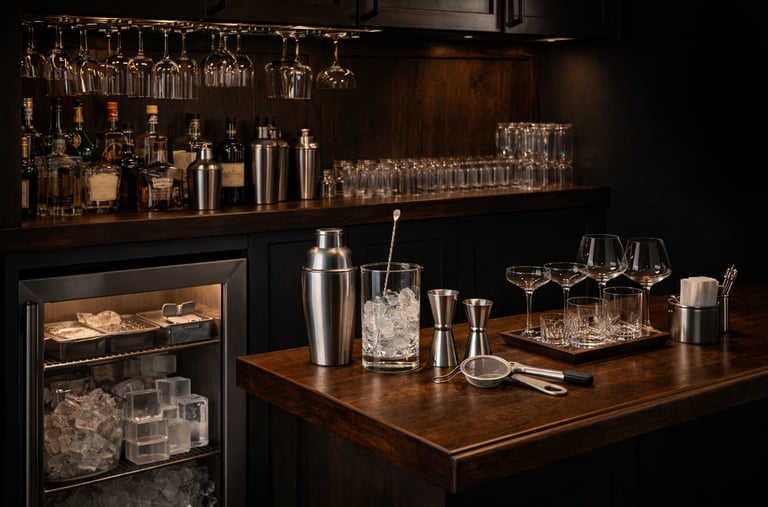

Integration with the System
Strainers function directly with:
→ Best Cocktail Shakers
→ Best Mixing Glasses
→ Best Jiggers
→ Techniques & Professional Skills
Without proper straining, dilution control collapses.
Texture defines finish.
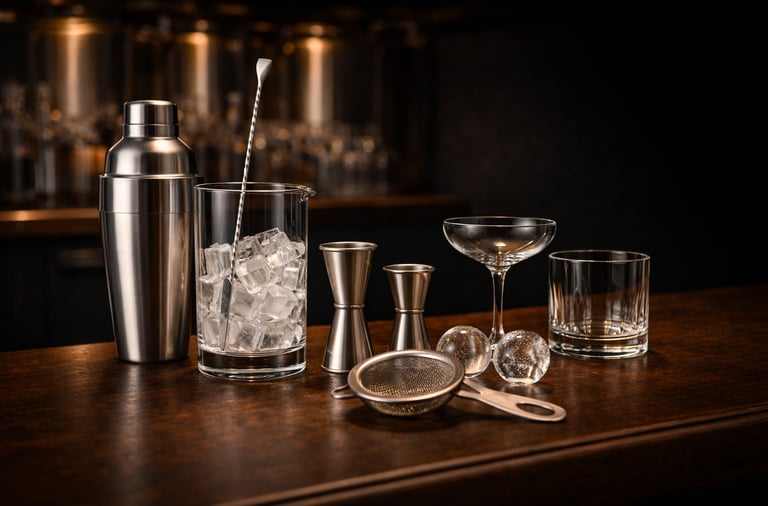
Building Intelligently
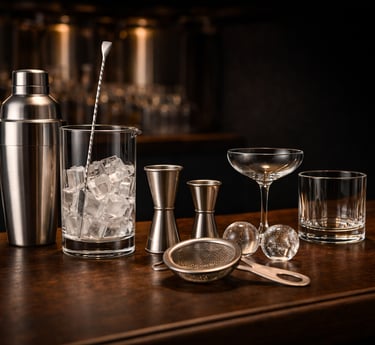
You do not need multiple decorative strainers.
You need:
One durable Hawthorne
One fine mesh strainer
Optional:
One Julep for stirred precision
Straining is the final structural checkpoint before service.
When done correctly, the drink stops evolving at the intended moment.
That control defines refinement.


© 2026 Barkeepers Buzz. All rights reserved.
Barkeepers Buzz
Master cocktails, spirits, and bar knowledge with clarity and precision. Built for serious home enthusiasts.
Crafted with respect for the culture — and the responsibility that comes with it.
For educational purposes only. Intended for legal drinking age audiences. Please drink responsibly.
General Inquiries: