
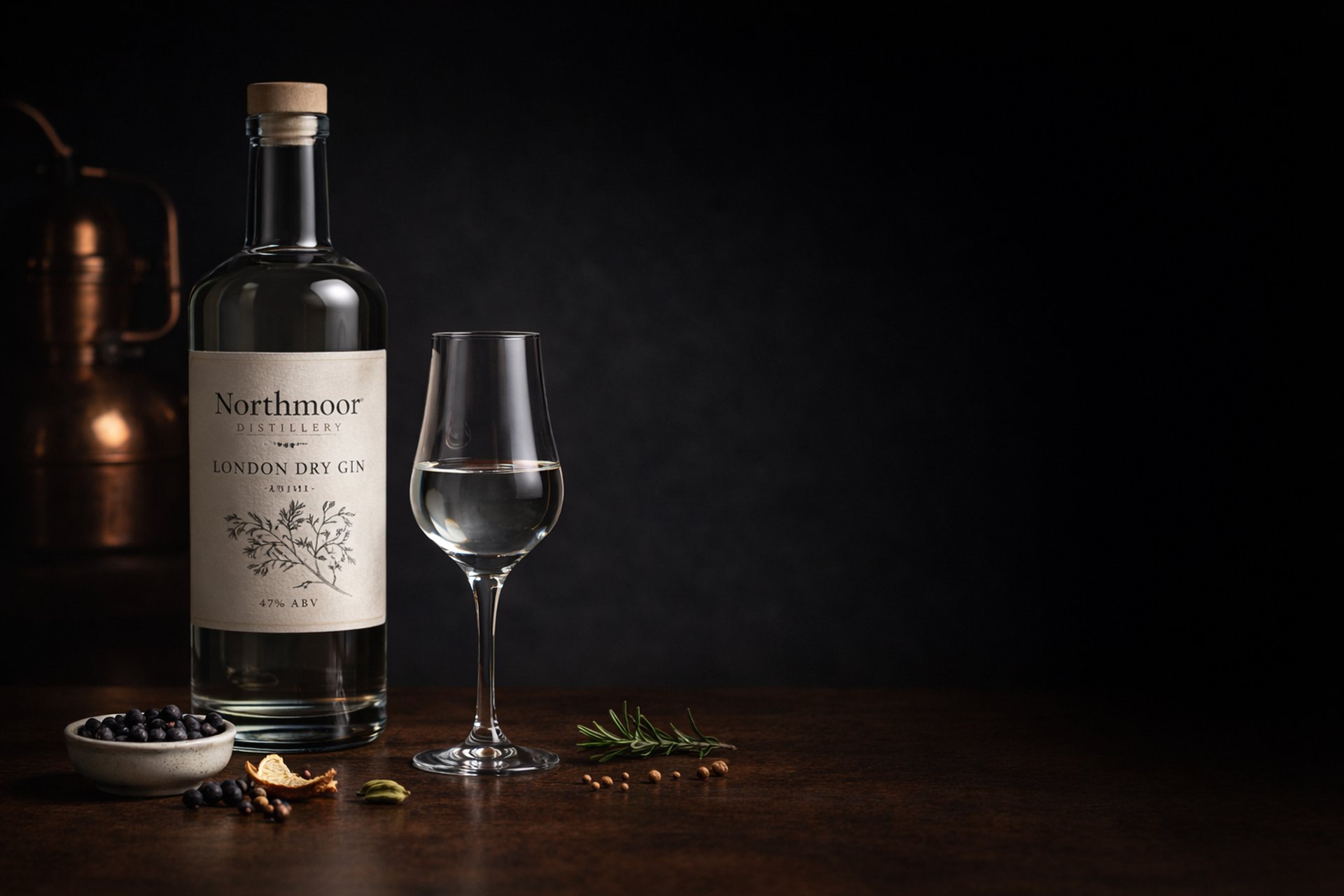
Gin: Botanical Structure & Distillation Precision
From London Dry to contemporary expressions, gin is defined by juniper and shaped by botanical balance, distillation method, and proof.
Gin begins as neutral spirit and is redistilled with botanicals — most notably juniper. While often perceived as simple or limited to cocktails, gin is one of the most technically precise categories of spirits. Its structure depends on botanical composition, extraction method, alcohol balance, and blending decisions.
What Defines Gin?
Gin is a neutral distilled spirit flavored primarily with juniper.
Without juniper, it is not gin.
The base spirit is typically distilled to high purity from grain. This neutral foundation allows botanical character to dominate. Unlike whiskey or rum, gin does not rely on barrel aging for identity. Its structure is created during redistillation.
Production follows a clear framework:
Neutral Spirit → Botanical Infusion → Redistillation → Dilution → Bottling
Gin is not flavored vodka. It is redistilled spirit built around botanical architecture. Because gin’s structure is defined by botanicals rather than barrel aging, it behaves differently in mixed drinks. You can see how that structure influences classic recipes in the Martini Family and other spirit-forward cocktails.
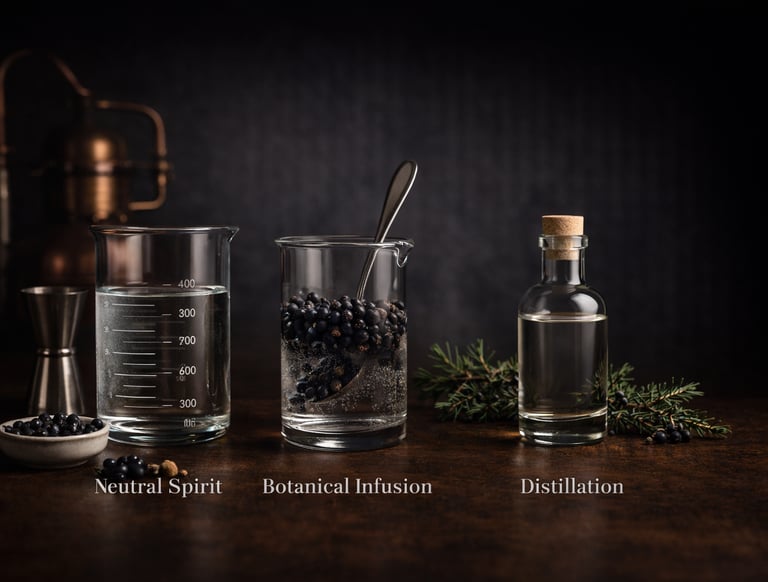
How Gin Is Made
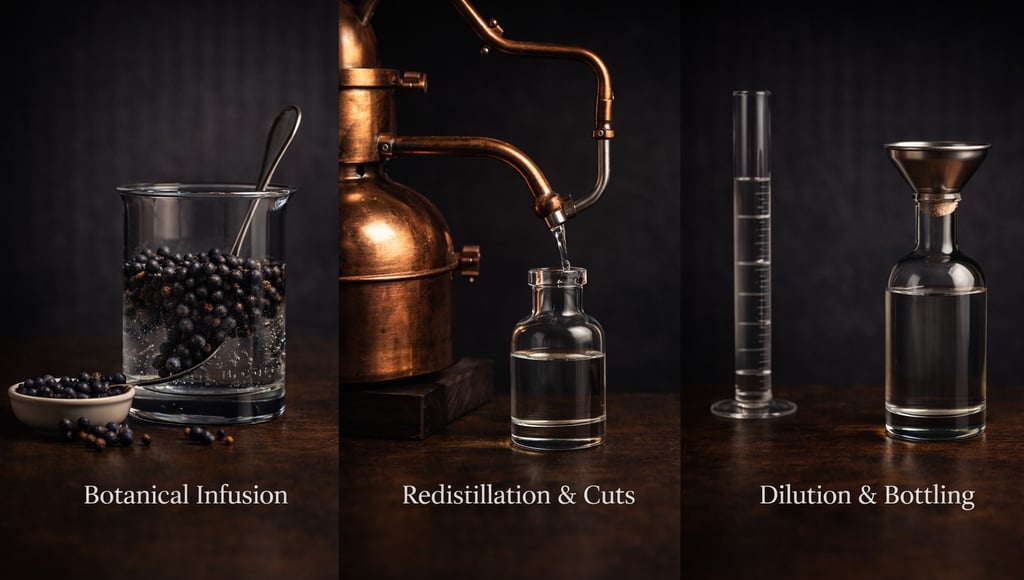
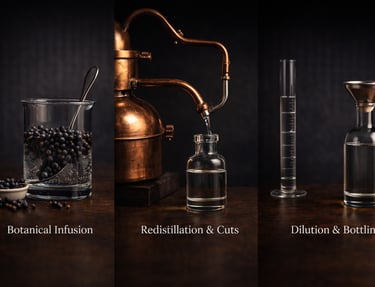
Botanical Infusion
Botanicals are either steeped directly in neutral spirit before distillation or suspended in baskets within the still for vapor extraction.
Steeping produces richer, heavier botanical extraction.
Vapor infusion yields lighter, more delicate aromatics.
Redistillation & Cuts
Distillers make precise “cuts” during redistillation to maintain clarity and balance. Poor cut decisions can result in harsh or muddled gin. Distillation precision matters in other spirits as well. For comparison, whiskey develops structure through barrel aging rather than botanical redistillation.
Dilution & Bottling
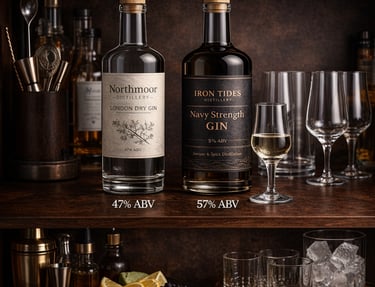
After distillation, gin is diluted to bottling strength — typically between 40% and 47% ABV. Alcohol concentration directly affects aromatic lift and structure.
Major Gin Styles
London Dry Gin
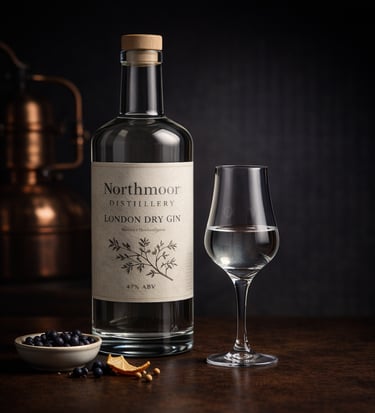
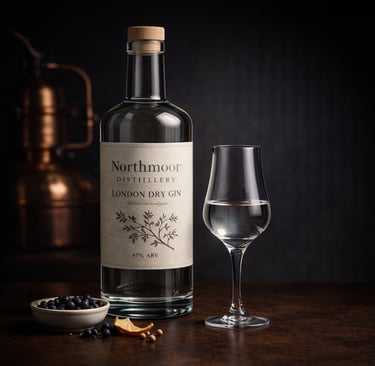
Juniper-forward, dry, and crisp. No sugar added post-distillation. The most versatile and structurally balanced style.
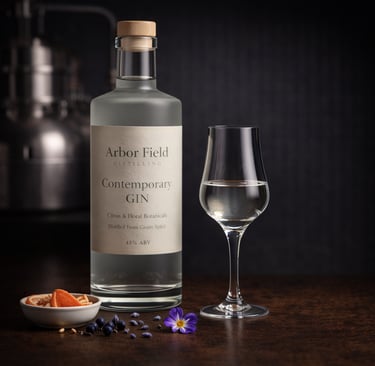
Contemporary Gin
Old Tom Gin
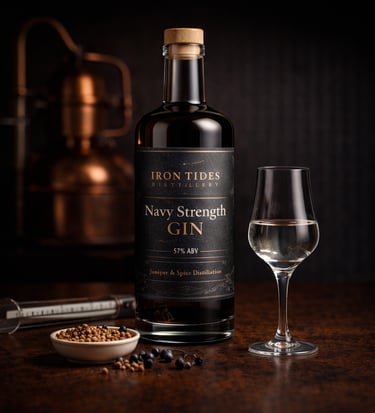
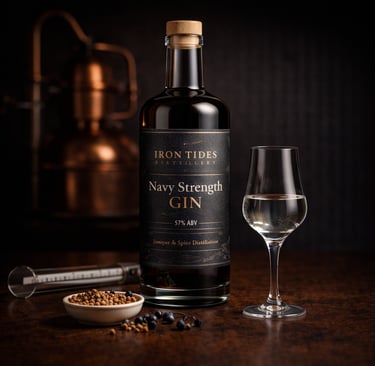
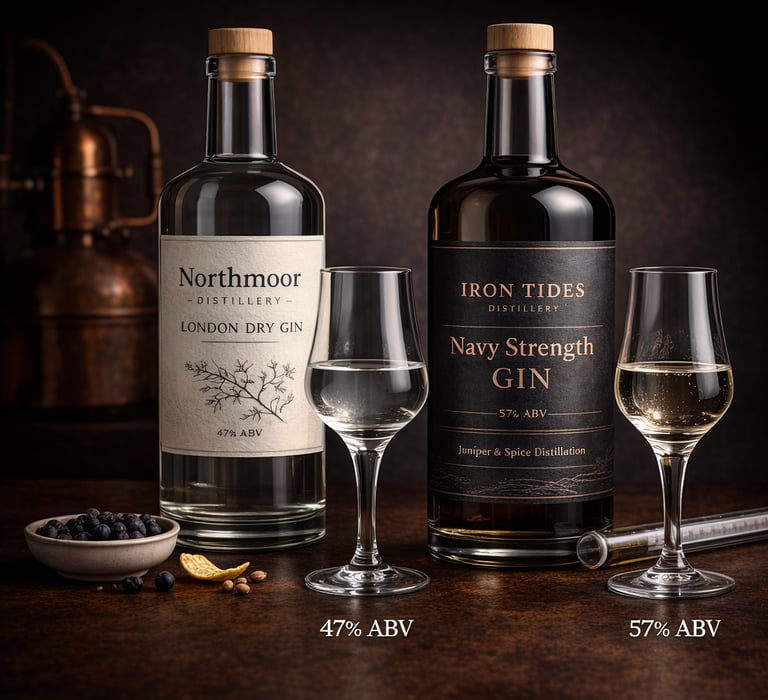
Navy Strength Gin
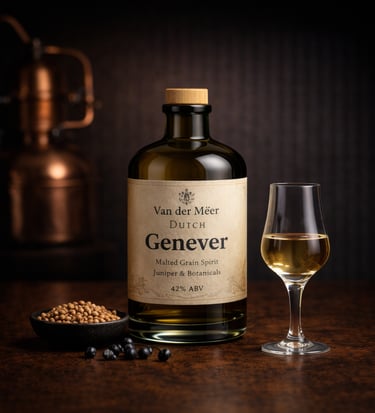
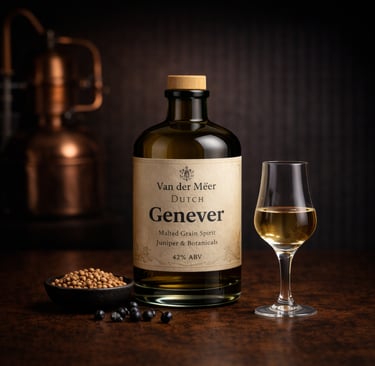
Genever
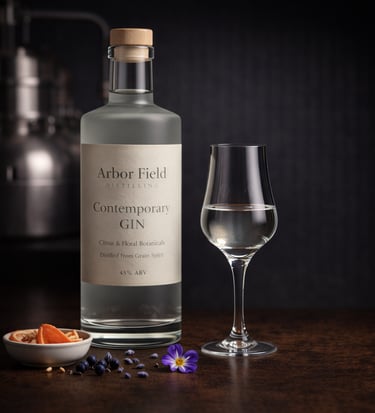
Less juniper dominance, more emphasis on citrus, floral, or herbal elements. Still anchored by juniper but softer in structure.
Typically bottled at 57% ABV or higher. Amplifies botanical intensity and structural tension.
Gin’s predecessor. Malted grain character gives it a heavier, almost whiskey-like body.
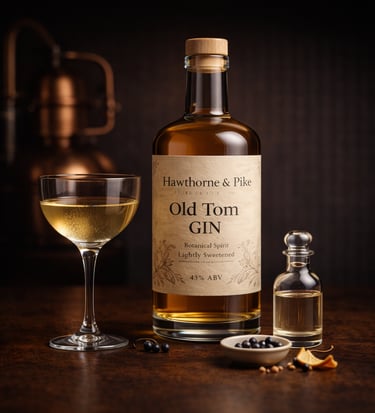
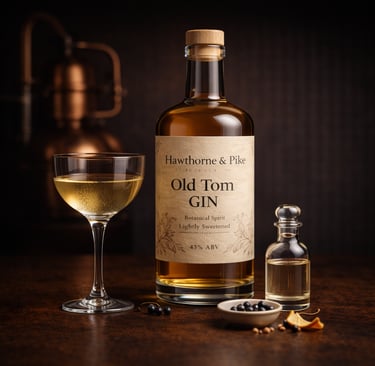
Slightly sweeter and rounder. Bridges historic and modern gin styles. Softens spirit-forward cocktails.
Different gin styles influence how cocktails are balanced. Drier London Dry expressions dominate classic stirred drinks, while softer contemporary styles often work better in citrus-driven cocktails.
Botanical Structure of Gin
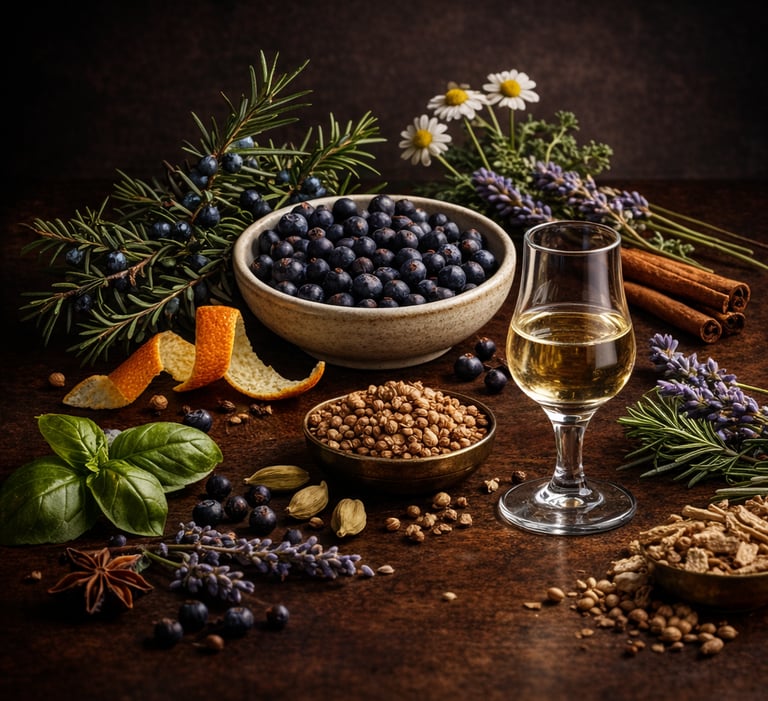
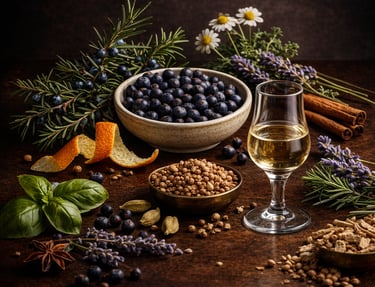
Juniper anchors gin’s identity, but supporting botanicals shape nuance.
Citrus
Lemon peel, orange peel, grapefruit zest — add brightness and lift.
Spice
Coriander, angelica root, cardamom — provide warmth and backbone.
Floral
Lavender, chamomile — introduce aromatic softness.
Herbal
Rosemary, thyme, basil — create savory tension.
Balance matters more than quantity. Well-made gin feels integrated, not perfumed.
Proof, Texture & Perception
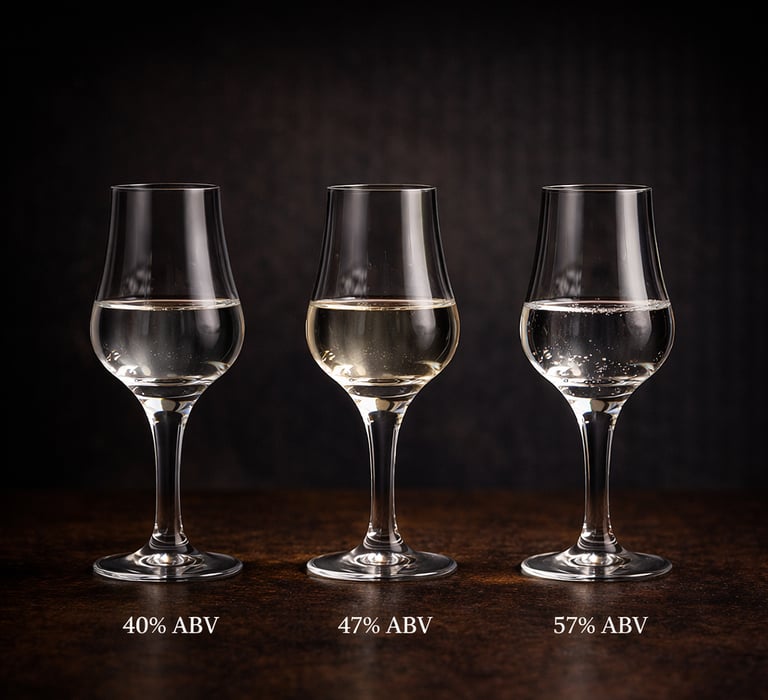
Most gins are bottled between 40–47% ABV.
Higher proof:
• Increases aromatic lift
• Enhances dryness perception
• Adds structural tension
Lower proof:
• Feels softer
• Can mute intensity
Navy strength expressions demonstrate how alcohol supports structure without increasing sweetness.
Alcohol is not just strength — it is architectural.
Gin in Cocktails
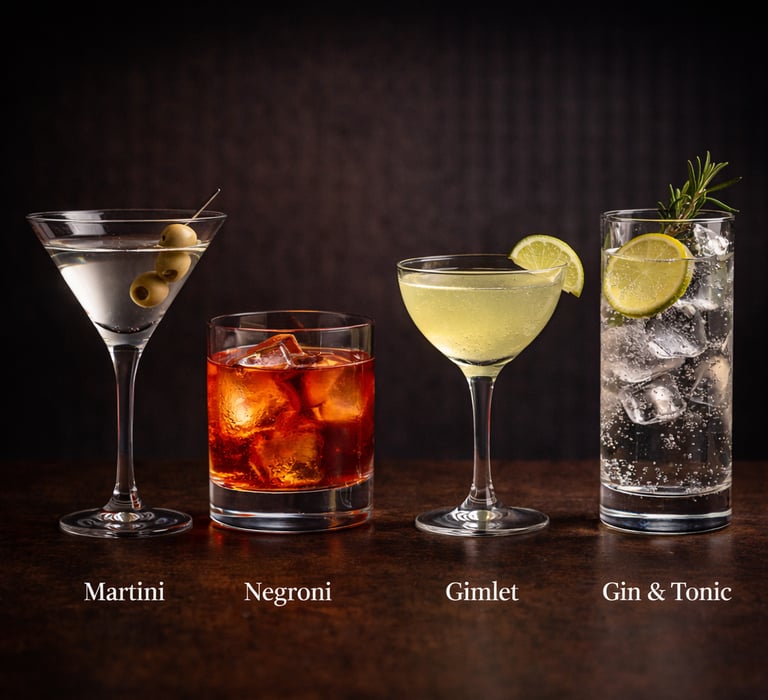
Gin’s botanical clarity makes it foundational in mixed drinks.
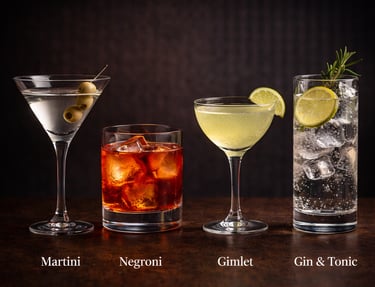
Martini
Juniper-forward gin creates a dry, precise structure. Contemporary styles soften the profile.
Negroni
Higher proof gin prevents Campari from overpowering the drink.
Gimlet
Citrus-driven gin enhances lime brightness.
Gin & Tonic
Botanical profile interacts directly with tonic bitterness.
Gin choice changes balance — even when measurements remain constant. Explore the full range of classic drink structures in the Cocktails & Mixed Drinks guide.
Buying Gin Intelligently
Selection improves when structure leads.
Start with:
• One classic London Dry
• One higher-proof option
Ask:
• Do you prefer juniper dominance or citrus softness?
• Will this be used for Martinis or highballs?
• Do you want lean dryness or aromatic roundness?
Avoid novelty-driven purchases built solely around unusual botanicals.
Build foundation first. Explore second.
Future Internal Links:
Best Gin for Martini
London Dry vs Contemporary Gin
Best Gin Under $40
What Is Navy Strength?
Service & Glassware
For spirit-forward drinks:
• Stemmed Martini glass
• Coupe
For highballs:
• Tall, narrow highball glass
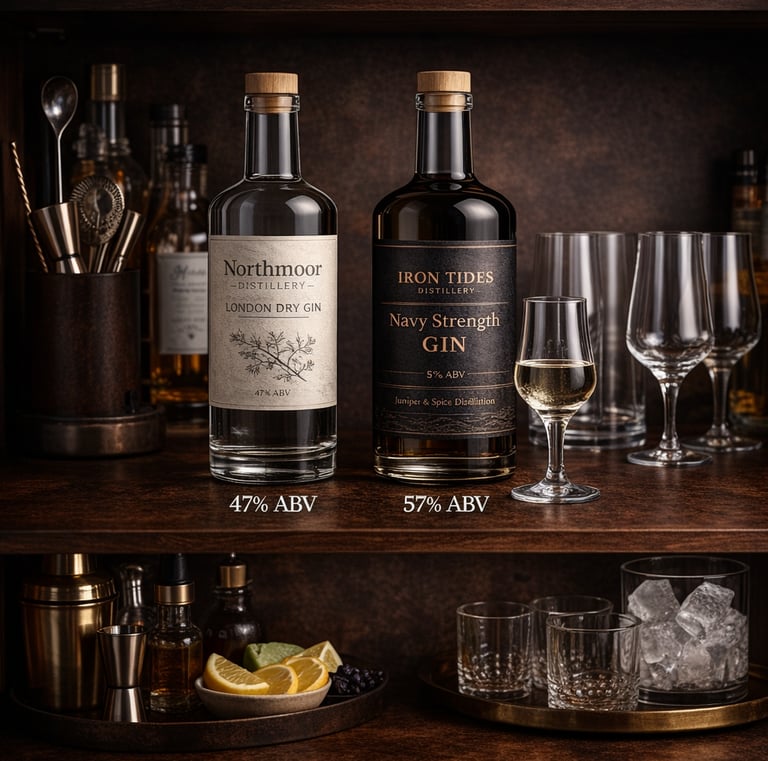
For tasting neat:
• Tulip-shaped glass to concentrate aromatics
Ice size influences dilution and structure. Precision improves perception.
Choosing the right glass also affects how gin’s aromatics present. See our guide to Best Martini Glasses and the differences between Martini Glass vs Coupe designs.
Storage
• Store upright
• Avoid heat and sunlight
• Keep cork sealed tightly
Responsible Enjoyment
Most rum ranges between 37–50% ABV. Overproof expressions may exceed 57%.
Higher alcohol concentration requires measured pacing and responsible consumption.
Respect proof.
Hydrate consistently.
Serve intentionally.
© 2026 Barkeepers Buzz. All rights reserved.
Barkeepers Buzz
Master cocktails, spirits, and bar knowledge with clarity and precision. Built for serious home enthusiasts.
Crafted with respect for the culture — and the responsibility that comes with it.
For educational purposes only. Intended for legal drinking age audiences. Please drink responsibly.
General Inquiries: