
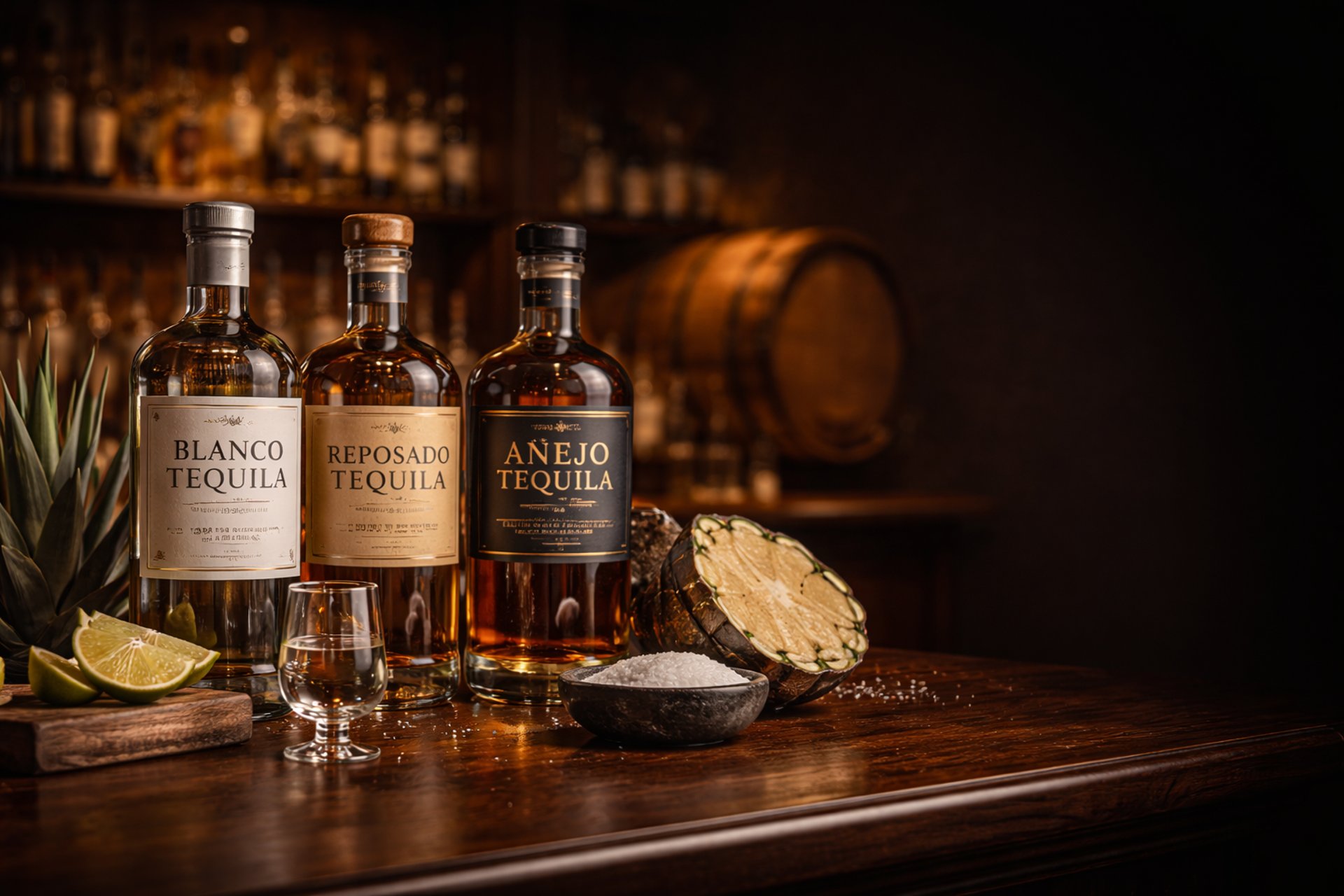
Tequila & Agave Spirits: Plant, Region & Precision
Distilled from agave and shaped by region, production method, and maturation, tequila is one of the most regulated and structurally distinct spirit categories.
Tequila is distilled from fermented sugars extracted from the blue Weber agave plant. While often reduced to cocktail culture, tequila is an agricultural spirit defined by plant maturity, regional regulation, fermentation precision, and aging decisions. Beyond tequila, the broader agave category includes diverse regional expressions with distinct structural identities.
Understanding agave spirits begins with the plant — not the party.
What Defines Tequila?
Tequila is legally protected and must be produced in specific regions of Mexico using blue Weber agave.
Production follows a disciplined structure:
Agave Harvest → Cooking → Crushing → Fermentation → Distillation → Maturation (optional) → Bottling
Unlike grain spirits, agave sugars develop inside the plant over years before harvest.
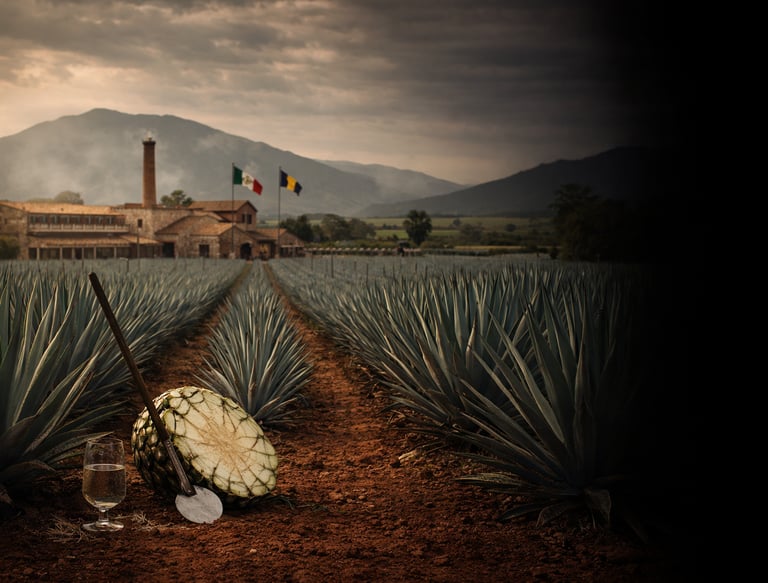
Blue Weber Agave
Agave plants typically mature for 5–8 years before harvest. During this time, they accumulate fermentable sugars in the piña (core).
Plant maturity directly influences sweetness and structural depth
Fermentation & Distillation
After crushing and sugar extraction, fermentation begins.
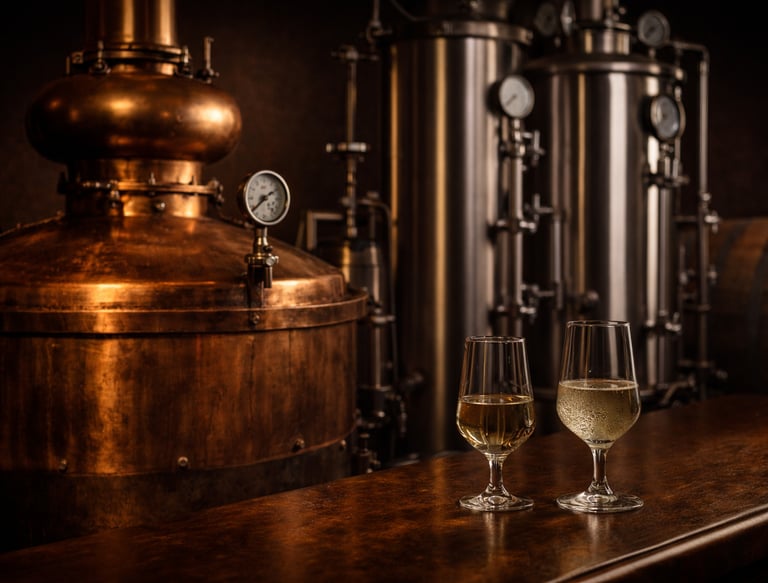
Distillation typically occurs in:
• Copper pot stills
• Stainless steel stills
Tequila is usually distilled twice, though some producers distill three times for refinement.
Each step influences clarity, aroma, and structural intensity.
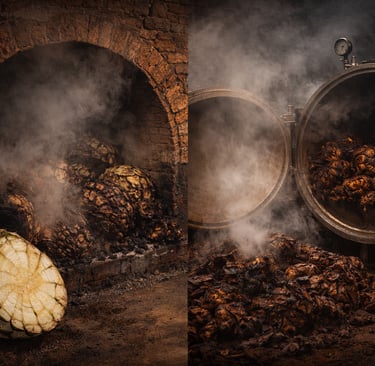
Cooking & Sugar Conversion
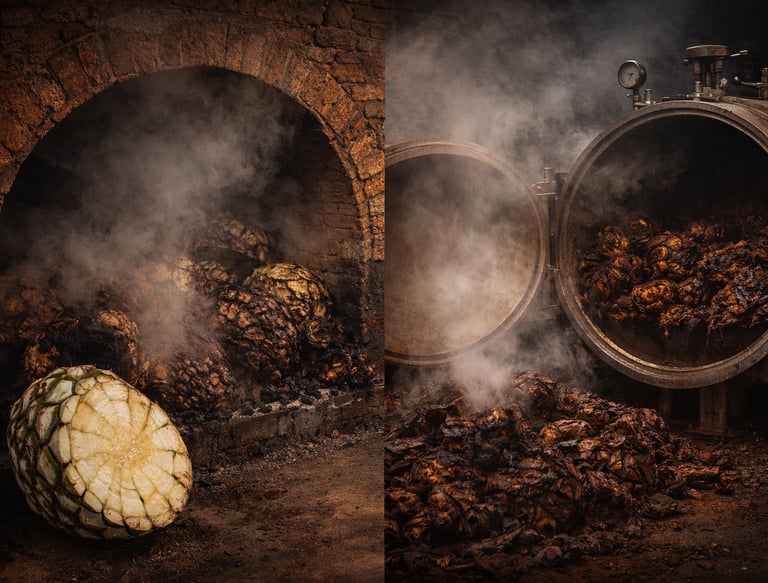
Agave piñas are cooked to convert complex carbohydrates into fermentable sugars.
Cooking methods vary:
• Traditional stone ovens (brick ovens)
• Autoclaves (pressurized cooking)
• Diffusers (industrial extraction)
Cooking method impacts vegetal character and depth.
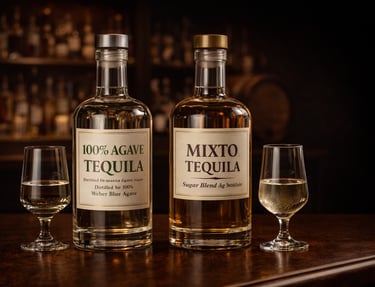
100% Agave vs Mixto
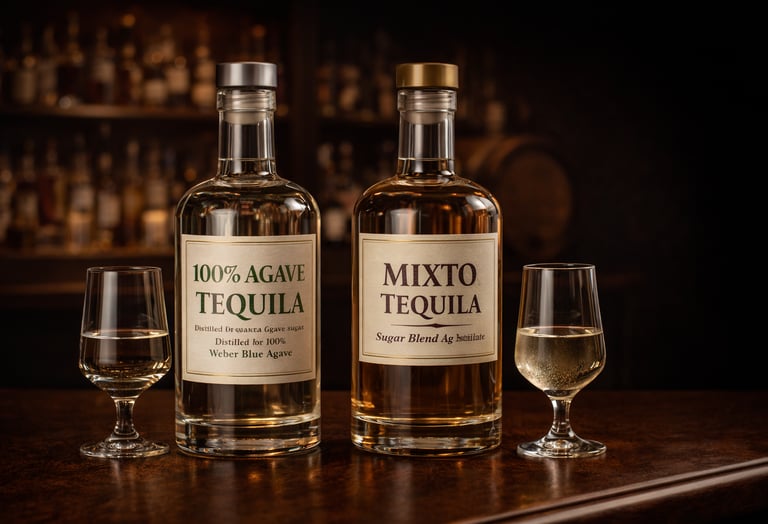
Not all tequila is equal.
100% Agave
Made entirely from blue Weber agave sugars.
These expressions emphasize plant character and structural clarity.
Mixto
Contains at least 51% agave sugars, with the remainder from other sugar sources.
Mixtos are generally less structured and may prioritize cost over purity.
When possible, select 100% agave expressions for clarity and authenticity.
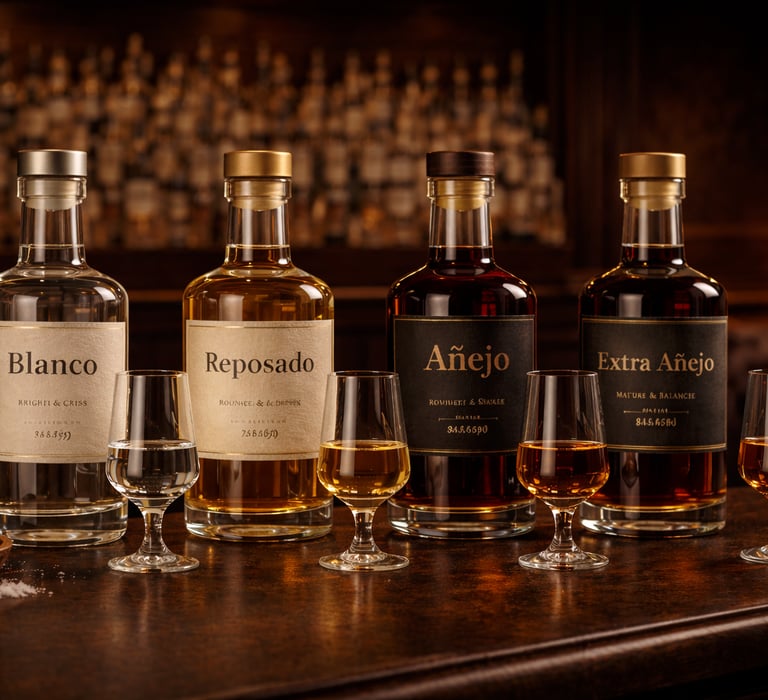
Tequila Styles by Aging
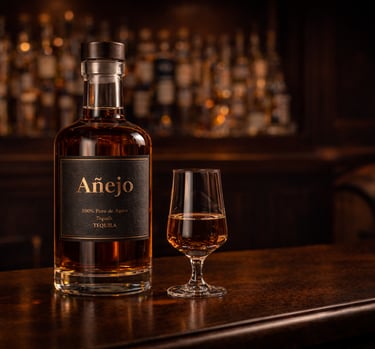
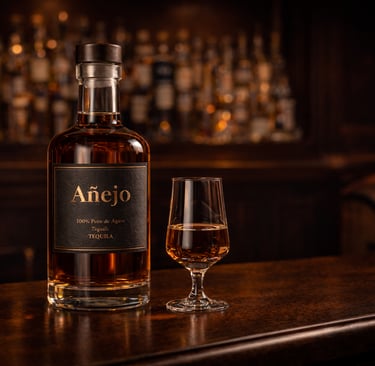
Aged between one and three years.
Profile:
• Caramel
• Baking spice
• Deeper body
• Reduced vegetal edge
Oak influence becomes prominent.
Añejo
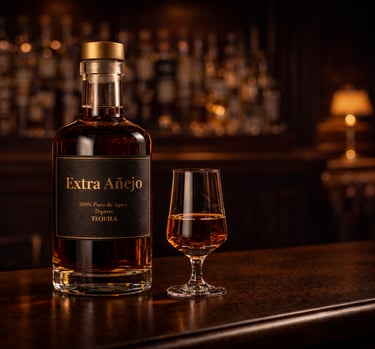
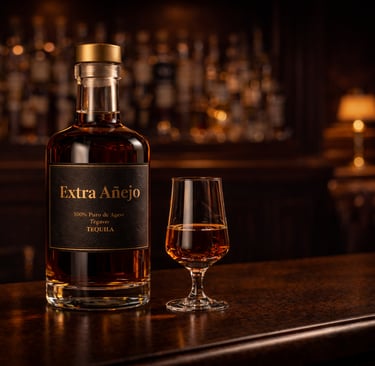
Extra Añejo
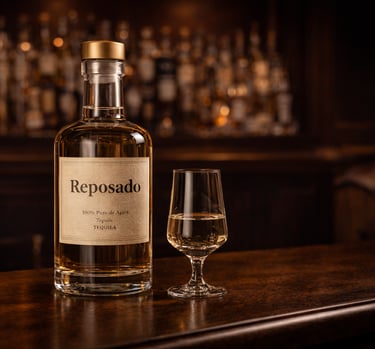
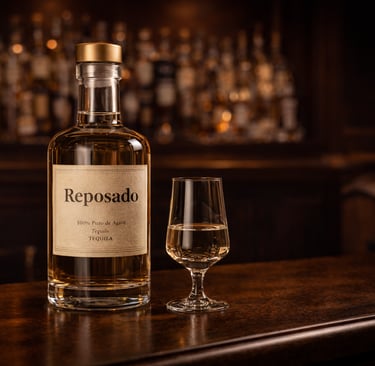
Reposado
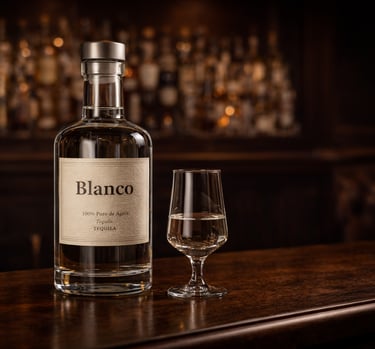
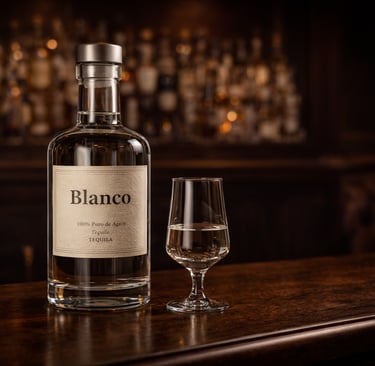
Blanco
Aged between two months and one year in oak.
Profile:
• Subtle vanilla
• Soft spice
• Integrated plant character
Reposado balances freshness and oak influence.
Unaged or rested less than two months.
Profile:
• Vegetal
• Pepper-driven
• Crisp
• Bright
Blanco highlights raw agave character and terroir.
Aged over three years.
Often resembles aged whiskey in structure, though plant origin remains detectable.
Aging is a stylistic decision — not a guarantee of superiority.
Tequila structure shifts dramatically depending on maturation.
Beyond Tequila: Other Agave Spirits
Tequila is one regional expression within a broader agave category.
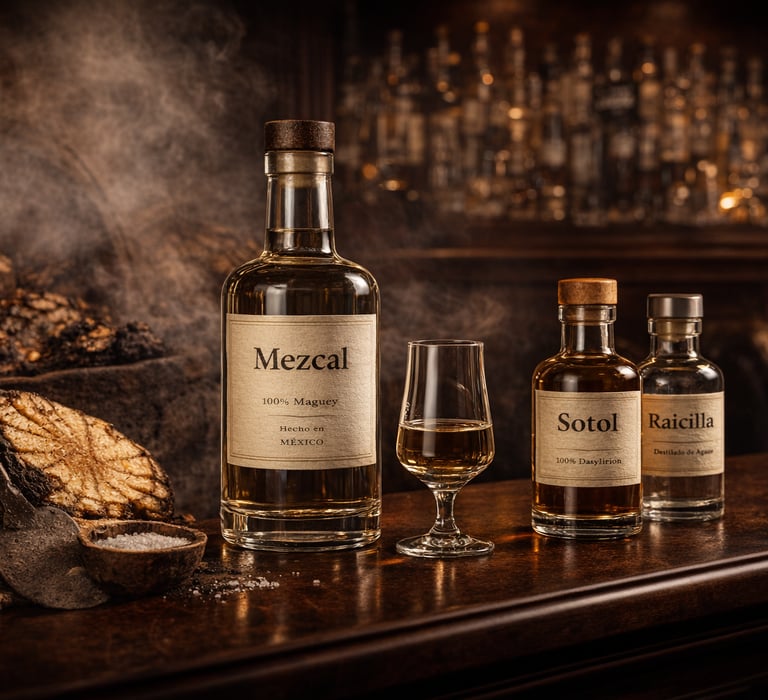
Mezcal
Often produced using underground pit ovens.
Profile:
• Smoky
• Earthy
• Mineral-driven
Mezcal emphasizes traditional production and varied agave species.
Other Regional Agave Spirits
Sotol, raicilla, and other regional spirits use different plants and production styles.
Each carries distinct structural identity shaped by geography and tradition.
Agave is not a single flavor. It is a botanical family.
Additives & Transparency
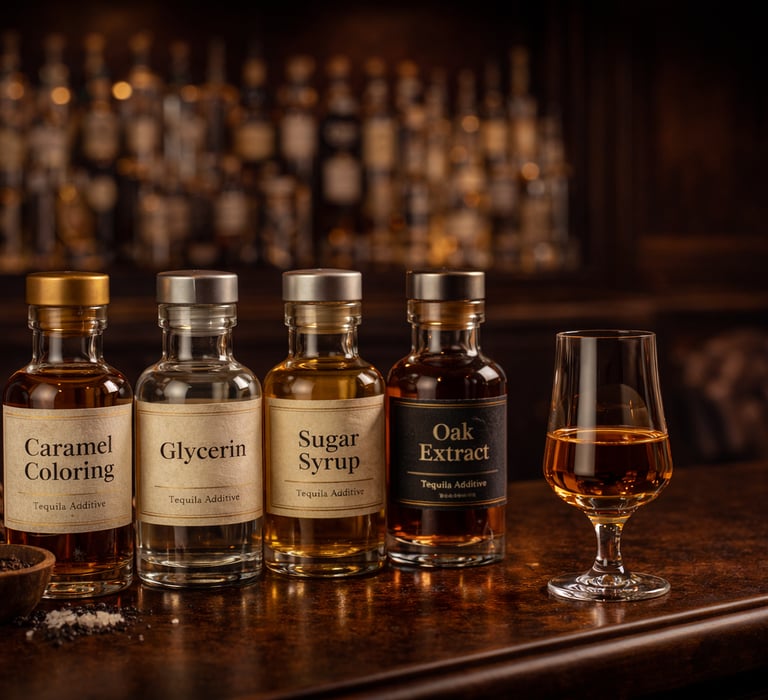
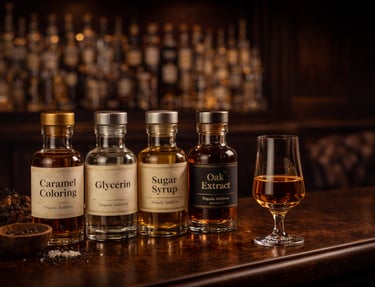
Tequila regulations allow certain additives in small amounts, including:
• Caramel coloring
• Glycerin
• Sugar syrup
• Oak extract
These may adjust color or mouthfeel.
Additive presence does not automatically indicate poor quality — but transparency matters.
Consumers seeking purity often favor producers known for additive-free practices.
Structure should reflect plant and process, not artificial adjustment.
Structure & Perception
Tequila is often perceived as sharp or harsh. In reality, structure varies widely.
Blanco tequila may feel:
• Crisp
• Peppery
• Lean
Aged expressions may feel:
• Rounder
• Softer
• Oak-driven
Proof typically ranges between 38–40% ABV, though higher-proof releases exist.
Alcohol level, agave maturity, fermentation precision, and oak integration shape balance.
Tequila is not inherently aggressive. Poor production decisions create harshness.
Tequila in Cocktails
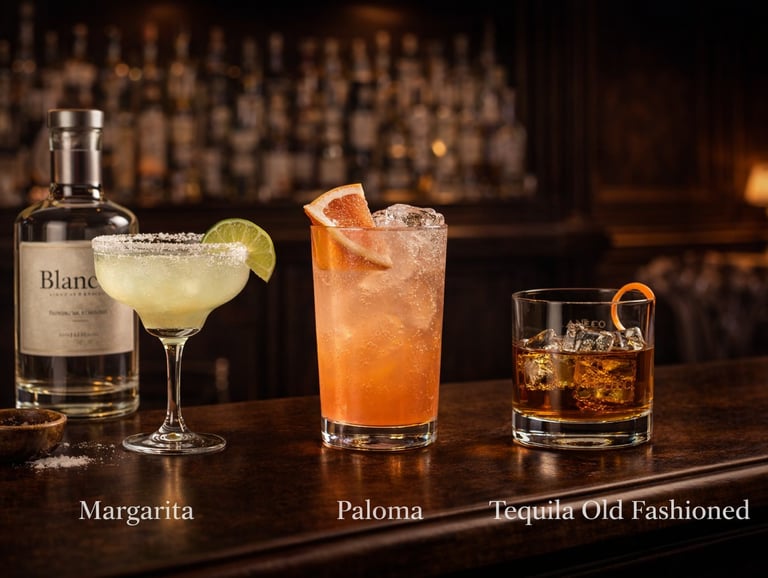
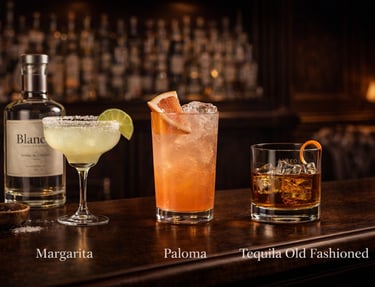
Margarita
Blanco tequila emphasizes citrus brightness.
Reposado introduces warmth and subtle oak.
Balance depends on proof and sweetness level.
Paloma
Blanco tequila pairs with grapefruit acidity and carbonation.
Higher-proof versions enhance structure.
Tequila Old Fashioned
Reposado or añejo expressions introduce oak and caramel complexity.
Tequila choice transforms the cocktail’s structural tension.
Internal Link → Cocktails & Mixed Drinks
Buying Tequila Intelligently
Selection improves when guided by structure.
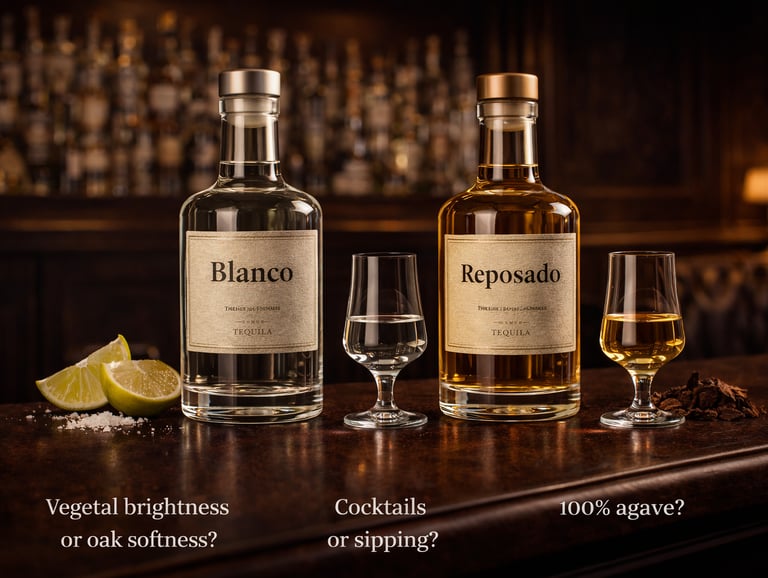
Start with:
• One high-quality blanco
• One versatile reposado
Ask:
• Do you prefer vegetal brightness or oak softness?
• Are you buying for cocktails or sipping?
• Is the bottle 100% agave?
Avoid equating darker color with higher quality. Aging increases oak influence but reduces plant freshness.
Build foundation first. Expand intentionally.
Best Blanco Tequila
Best Tequila for Margarita
Blanco vs Reposado
Tequila vs Mezcal
Best Tequila Under $50
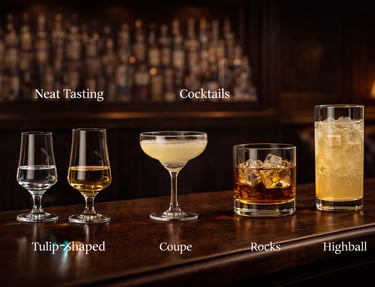
Service & Glassware
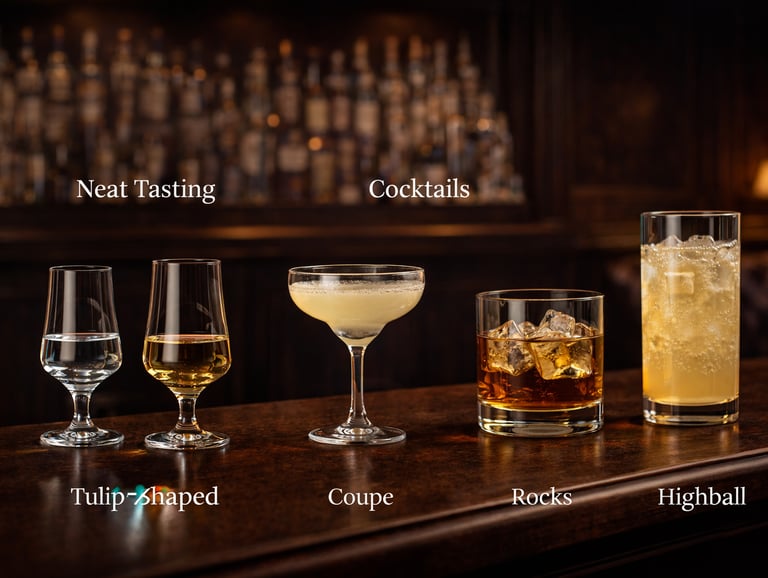
For neat tasting:
• Tulip-shaped glass
• Small stemmed glass
For cocktails:
• Coupe
• Rocks glass
• Highball
Chilling mutes alcohol heat but may reduce vegetal aromatics.
Store upright, away from direct sunlight.
Responsible Enjoyment
Most tequila ranges 38–40% ABV.
Because blanco styles feel crisp and bright, alcohol strength may seem lower than it is.
Serve intentionally.
Hydrate consistently.
Respect alcohol content.
© 2026 Barkeepers Buzz. All rights reserved.
Barkeepers Buzz
Master cocktails, spirits, and bar knowledge with clarity and precision. Built for serious home enthusiasts.
Crafted with respect for the culture — and the responsibility that comes with it.
For educational purposes only. Intended for legal drinking age audiences. Please drink responsibly.
General Inquiries: