
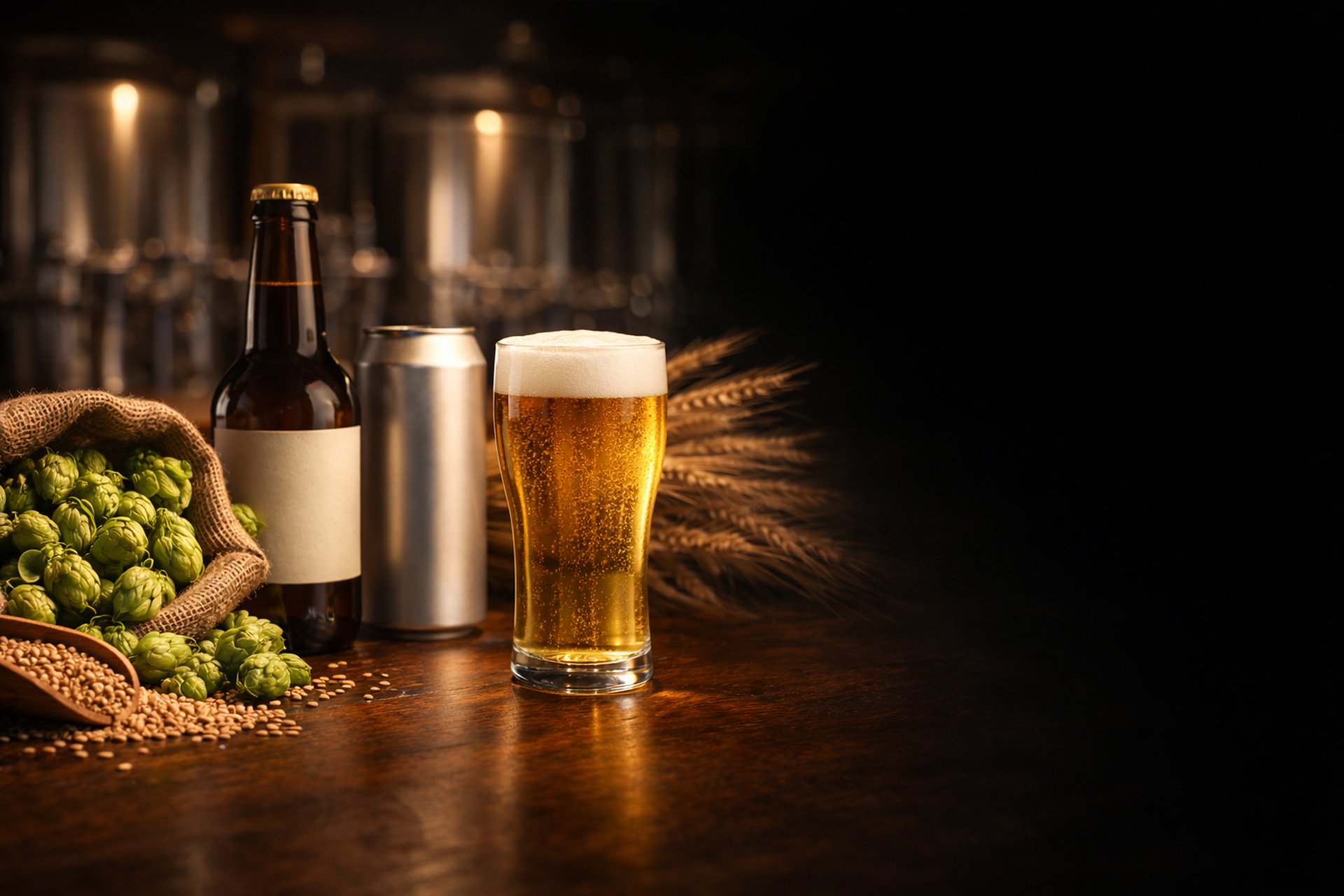
How Beer Is Made: From Grain to Glass
Beer is created through controlled conversion of grain into sugar, fermentation into alcohol, and careful conditioning for balance and carbonation.
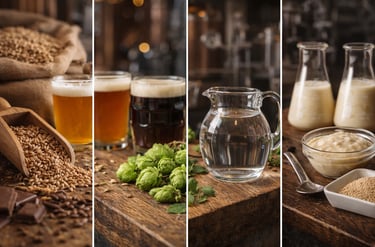
At its core, beer is the result of four primary ingredients — malted grain, hops, water, and yeast — interacting through heat, time, and fermentation. While modern brewing techniques vary in scale and precision, the foundational process has remained structurally consistent for centuries.
Understanding how beer is made clarifies why styles differ, why bitterness varies, and why freshness matters.
This guide outlines the brewing process step by step.
Malting: Preparing the Grain
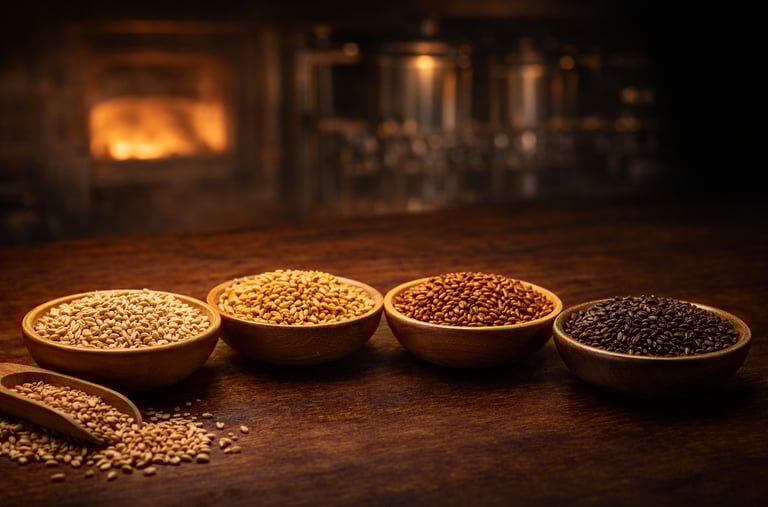
Malting: Activating Enzymes
Beer begins with grain — most commonly barley.
Raw barley contains starch, but starch alone cannot ferment. During malting, grain is soaked in water and allowed to germinate. This activates enzymes needed later for sugar conversion.
The grain is then dried (kilned) to stop germination.
Kilning temperature influences:
• Color
• Toast level
• Flavor intensity
Light kilning produces pale malt used in lagers and pale ales. Darker kilning creates caramel, amber, or roasted malts used in darker styles.
Malting determines the foundational flavor and color of beer.
Mashing: Converting Starch to Sugar
After malting, the grain is crushed (milled) to expose starch.
The crushed grain is mixed with warm water in a process called mashing.
During mashing:
• Enzymes convert starch into fermentable sugars
• Proteins break down to support foam stability
• Body and texture begin to take shape
Mash temperature matters.
Lower temperatures (around 145–150°F) produce more fermentable sugars and a drier beer.
Higher temperatures (around 155–160°F) leave more residual sugars, creating fuller body.
The liquid extracted from the mash is called wort — the sweet foundation that will later ferment.
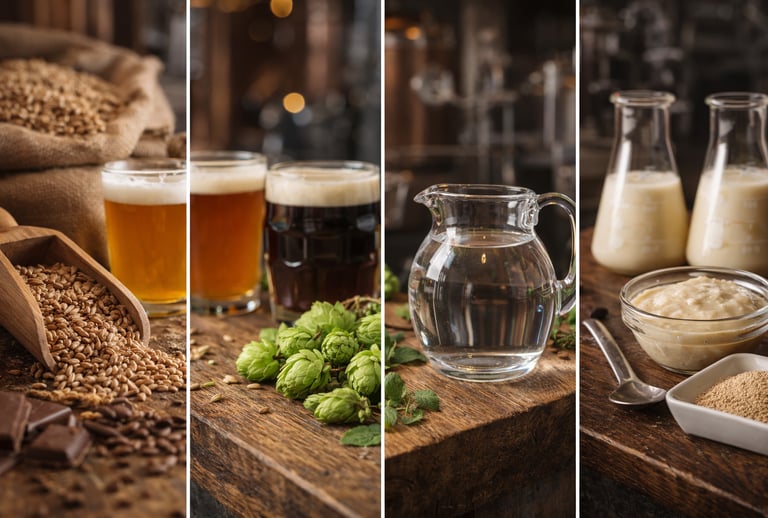
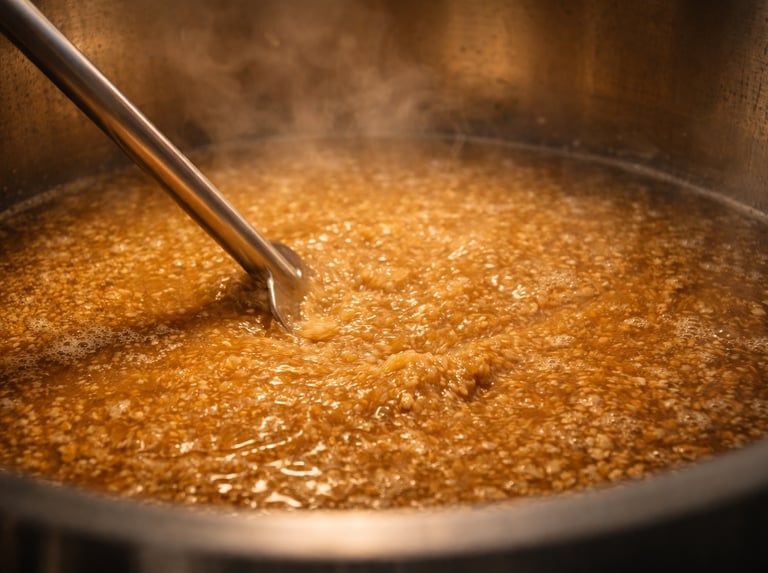
Milling & Mashing
Lautering & Boiling
Boiling: Structure & Stability
After mashing, the liquid wort is separated from the grain in a process called lautering.
The wort is then brought to a rolling boil.
Boiling serves several purposes:
• Sterilizes the liquid
• Concentrates sugars
• Extracts bitterness from hops
• Stabilizes proteins
Hops are added during the boil.
Early hop additions increase bitterness.
Late additions emphasize aroma.
The length of the boil and timing of hop additions significantly influence balance.
Boiling transforms sweet grain liquid into structurally balanced wort ready for fermentation.
Understanding Hop Contribution
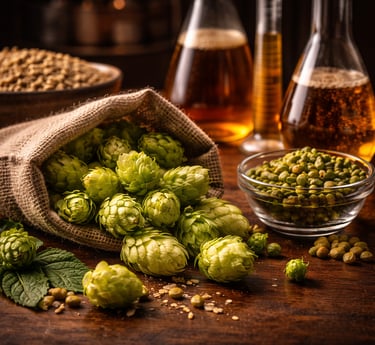
Hops are flowers that provide bitterness and aroma.
Without hops, beer would taste overly sweet.
Hops contribute:
• Bitterness (alpha acids)
• Aroma (essential oils)
• Natural preservative qualities
Bitterness is often measured in IBUs (International Bitterness Units), though perceived bitterness depends on malt balance.
Some beers are lightly hopped and soft. Others — such as IPAs — emphasize hop intensity as the dominant structural element.
Hops create tension against malt sweetness.
Internal Link → Hops & Bitterness Explained
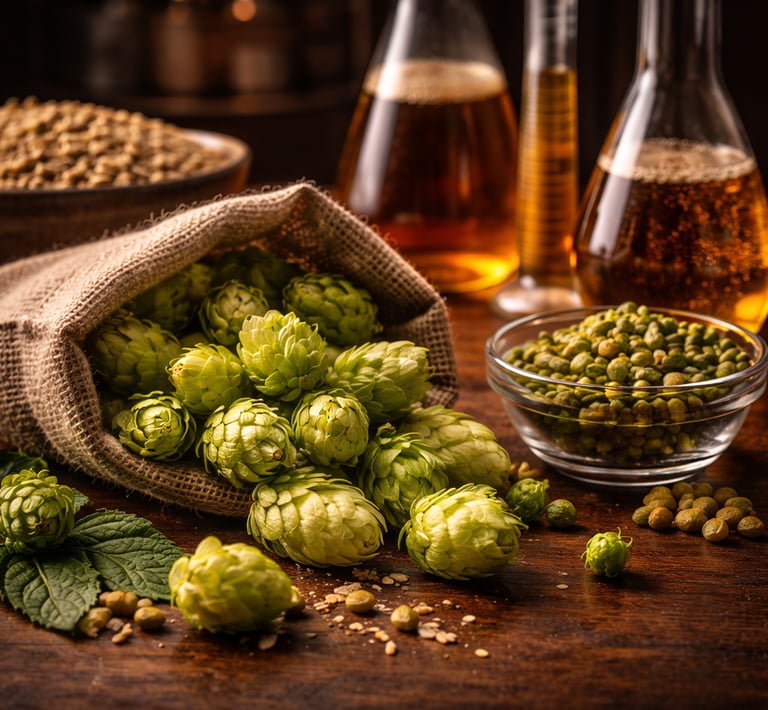
Hops: Bitterness & Aroma
Cooling & Fermentation
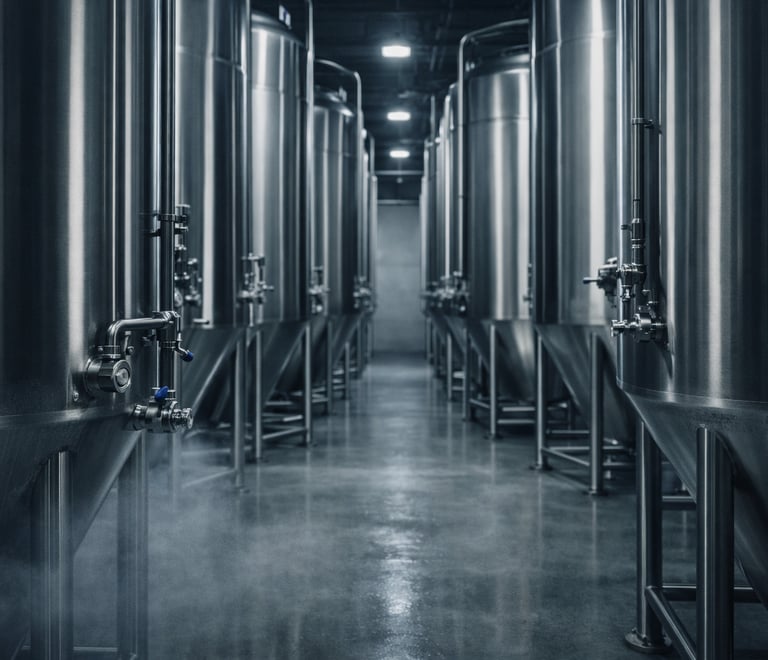
Fermentation: Where Alcohol Is Created
After boiling, the wort must be cooled quickly to protect flavor integrity.
Once cooled, yeast is added.
Yeast consumes sugar and produces:
• Alcohol
• Carbon dioxide
• Flavor compounds
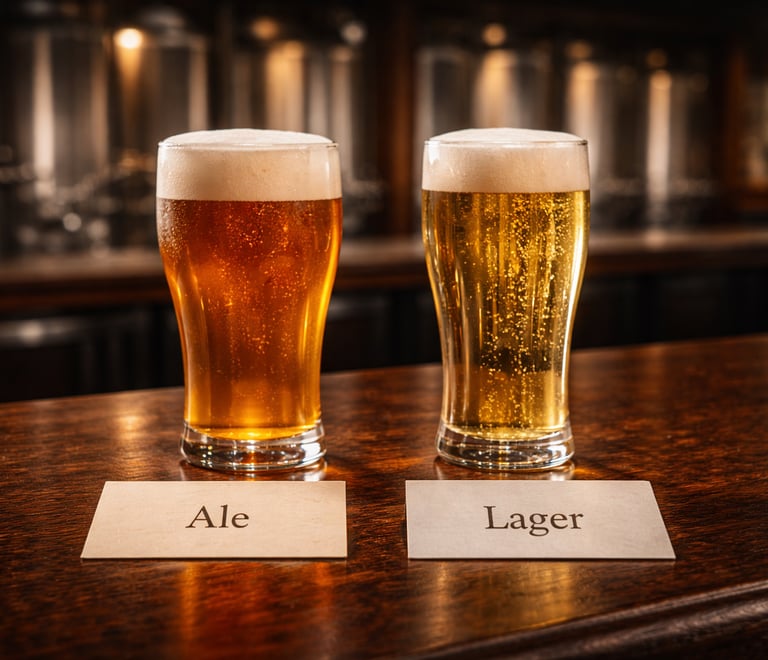
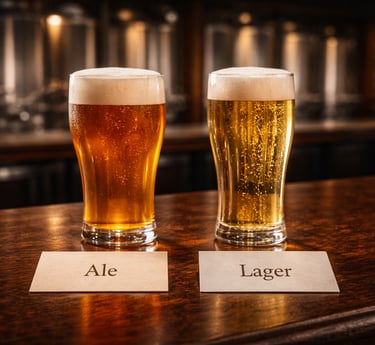
Fermentation temperature and yeast strain determine whether a beer becomes an ale or a lager.
Ale Fermentation
• Warmer temperatures
• Faster fermentation
• More expressive fruit esters
Common in IPAs, stouts, and many craft styles.
Lager Fermentation
• Cooler temperatures
• Slower fermentation
• Cleaner, crisper profile
Common in pilsners and traditional European styles.
Fermentation is where beer gains its identity.
Internal Link → Lagers vs Ales
Conditioning & Carbonation
Conditioning: Integration & Clarity
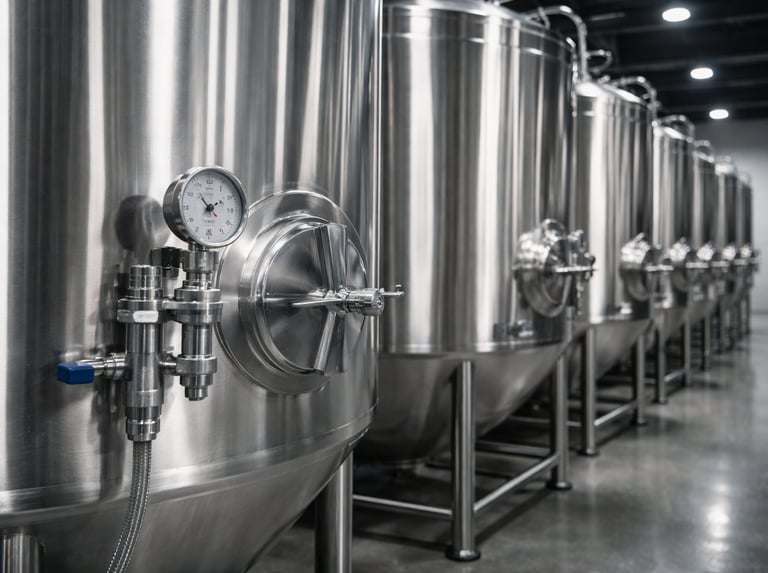
After fermentation, beer is conditioned.
Conditioning allows:
• Flavors to integrate
• Sediment to settle
• Carbonation to stabilize
Carbonation may occur naturally from fermentation or be force-carbonated in tanks.
Higher carbonation creates:
• Brighter perception
• Sharper finish
Lower carbonation feels softer and rounder.
Most beers are designed to be consumed fresh, particularly hop-forward styles.
Filtration & Packaging
Packaging: Protecting Freshness
Beer may be filtered for clarity or left unfiltered for texture and haze.
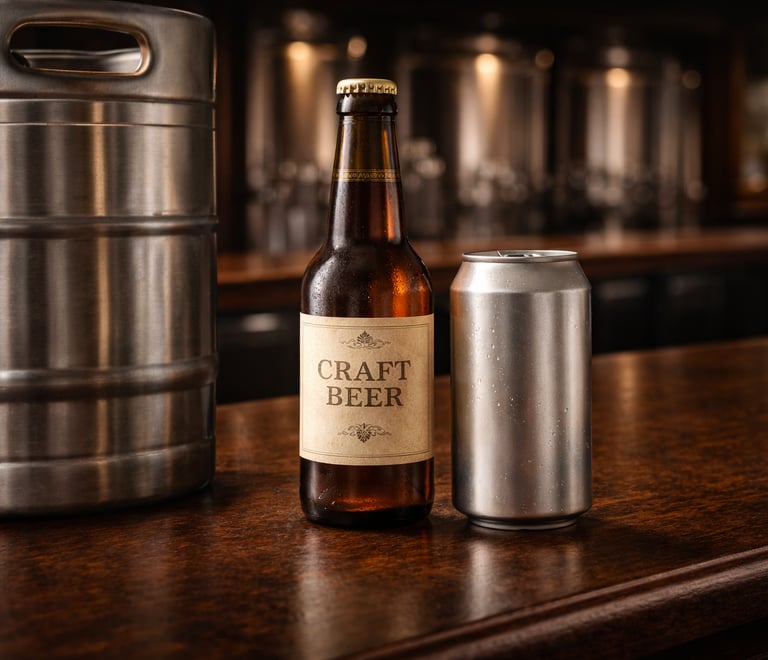
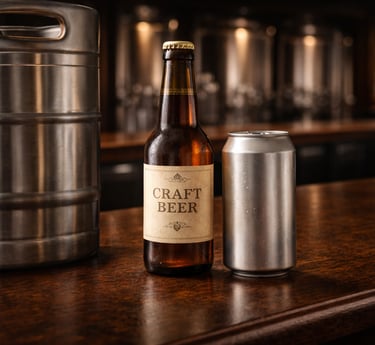
Once stabilized, beer is packaged in:
• Kegs
• Bottles
• Cans
Cans protect beer from light exposure.
Green or clear bottles may allow light damage over time.
Oxygen exposure during packaging can reduce shelf life.
Freshness significantly affects aroma and flavor balance.
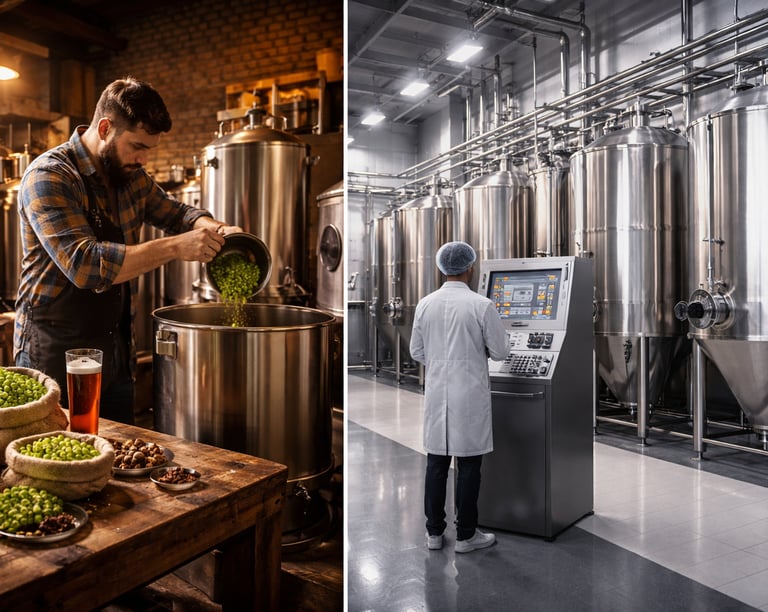
Scale: Craft vs Industrial Brewing
Production Size & Process Control
The brewing process remains structurally similar regardless of scale.
Industrial breweries emphasize:
• Consistency
• Efficiency
• Large batch stability
Craft breweries may emphasize:
• Experimentation
• Small batch variation
• Ingredient creativity
Neither scale guarantees quality. Precision and balance determine final outcome.
ABV & Structural Impact
Alcohol by Volume (ABV) in beer typically ranges from 4% to 10%, though some styles exceed this.
Lower ABV:
• Emphasizes refreshment
• Lighter body
Higher ABV:
• Increases weight
• Amplifies flavor
• Requires slower consumption
Alcohol concentration affects perceived sweetness and balance.
Internal Link → Education · Safety · Responsibility
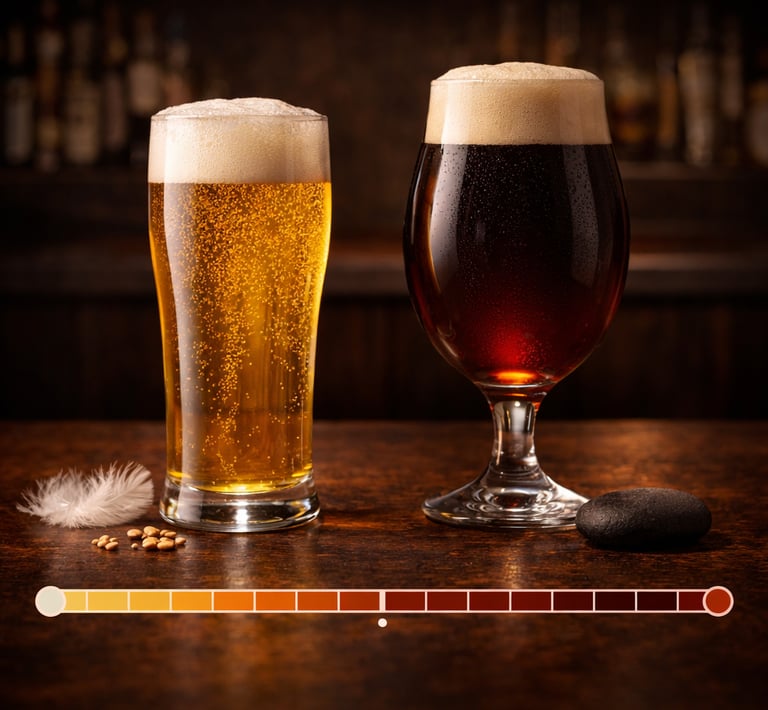
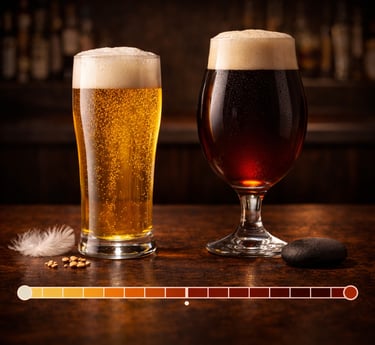
Alcohol Strength & Body
Why Process Matters
Understanding brewing clarifies:
• Why IPAs taste bitter
• Why stouts feel creamy
• Why lagers taste clean
• Why freshness matters
Every step — from malt kilning to fermentation temperature — shapes structure.
Beer is not random. It is engineered through controlled biochemical transformation.
Closing Perspective
Beer is created through:
Grain preparation.
Sugar conversion.
Boiling and hop integration.
Yeast fermentation.
Careful conditioning.
From ancient fermentation methods to modern brewing precision, the process remains rooted in transformation.
Starch becomes sugar.
Sugar becomes alcohol.
Ingredients become structure.
Understanding how beer is made transforms drinking into informed appreciation.
Process first.
Trend second.


© 2026 Barkeepers Buzz. All rights reserved.
Barkeepers Buzz
Master cocktails, spirits, and bar knowledge with clarity and precision. Built for serious home enthusiasts.
Crafted with respect for the culture — and the responsibility that comes with it.
For educational purposes only. Intended for legal drinking age audiences. Please drink responsibly.
General Inquiries: