
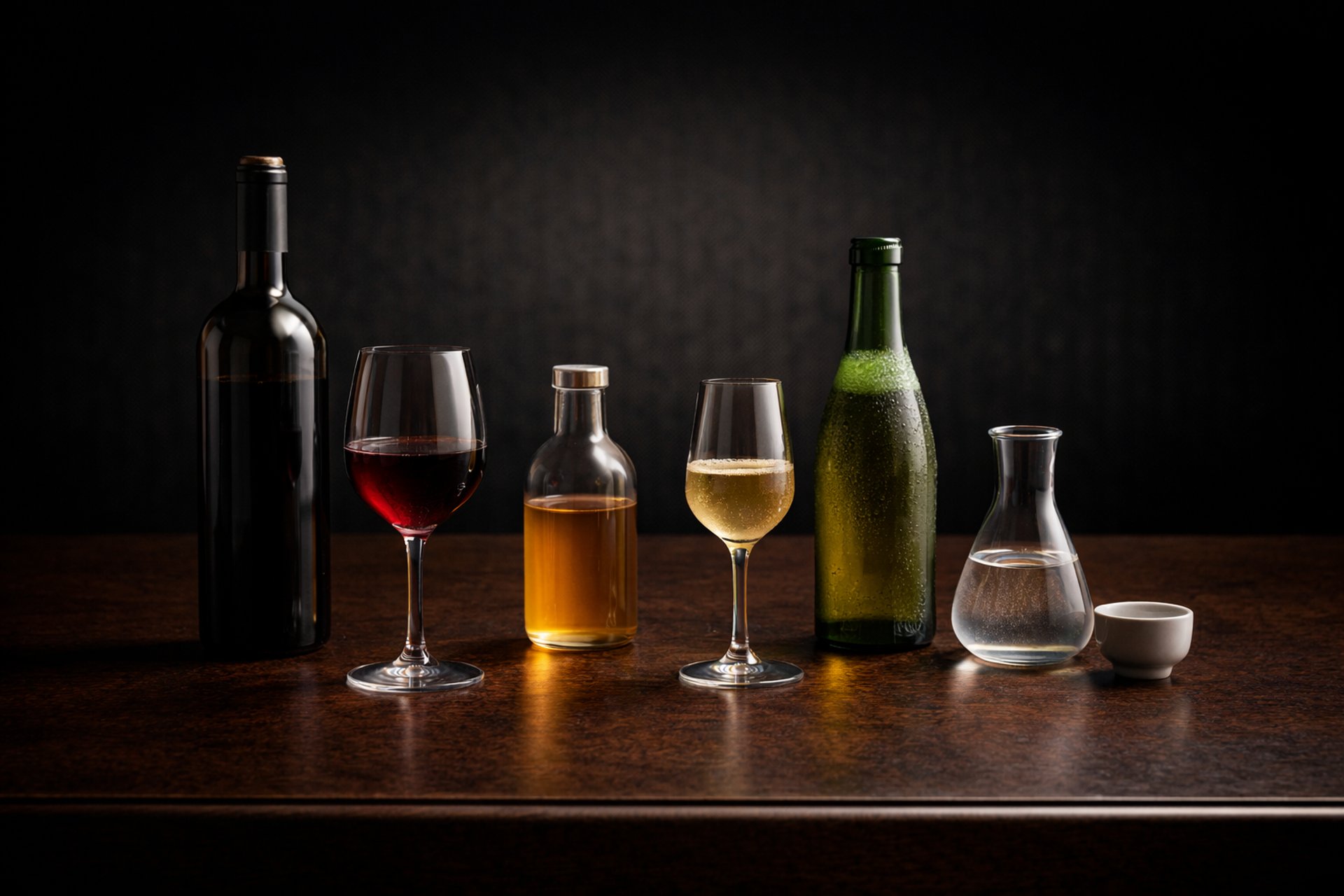
Wine · Mead · Fermentation
A structured guide to fermented alcohol —
how it’s made, how to taste it, how to serve it,
and how to buy with confidence.
Expand further with Drinks & Cocktail Culture
What Fermented Alcohol Actually Is
Fermented alcohol is created when yeast converts sugar into alcohol and carbon dioxide. Unlike distilled spirits, fermented beverages are consumed in their natural state.
Distillation may follow fermentation, but fermentation is always the starting point.
Key variables that shape flavor:
• Sugar source
• Yeast selection
• Fermentation temperature
• Oxygen exposure
• Aging vessel (steel, oak, time)
These variables influence aroma, texture, structure, and aging potential — often more than most drinkers realize. Glass shape also affects aroma concentration.
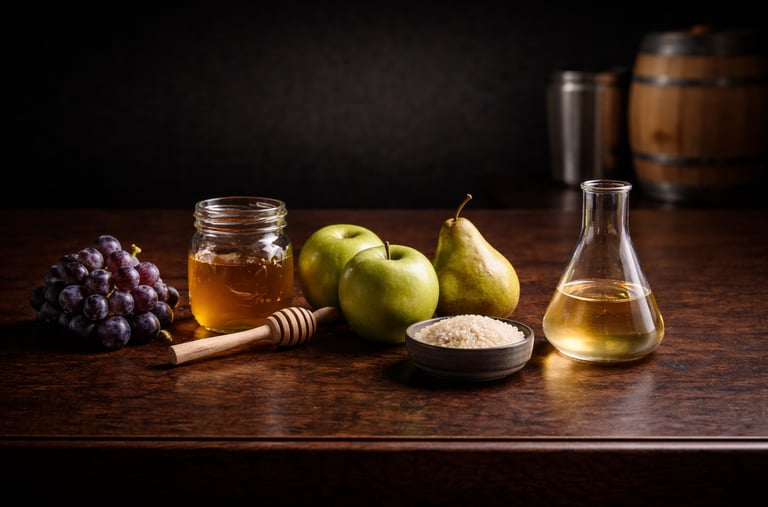
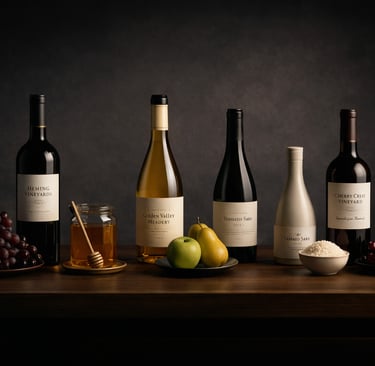
The source of sugar defines the category:
• Grapes → Wine
• Honey → Mead
• Apples/Pears → Cider/Perry
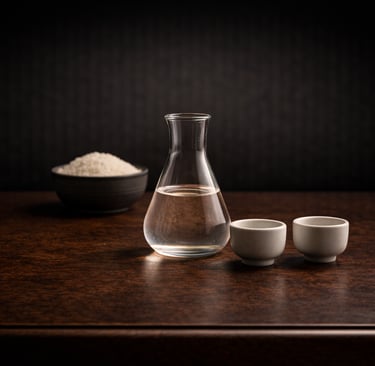
• Rice → Sake
• Other fruit → Fruit wines
See also → Spirits & Alcohol (distillation comparison)
The Fermented Categories
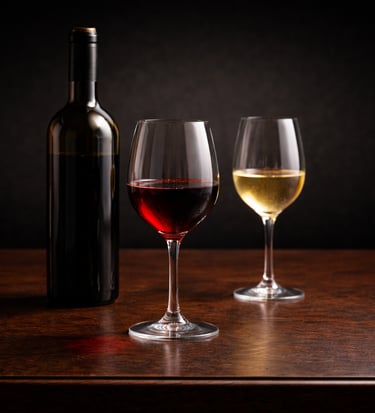
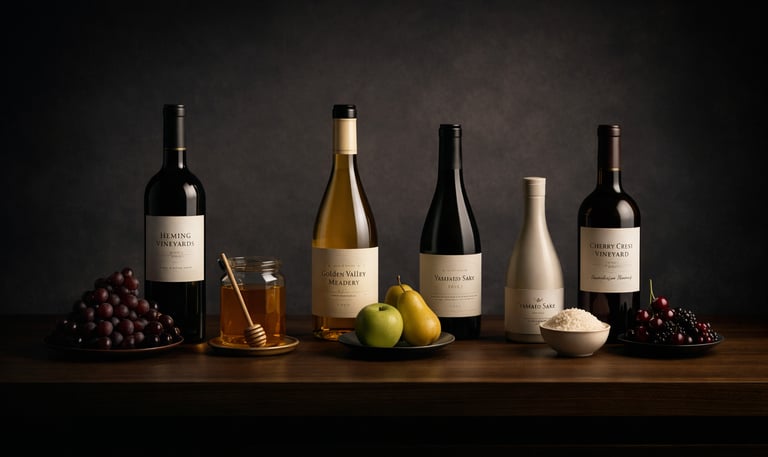
Grape-based fermented alcohol from dry to sweet, still to sparkling. Structure is shaped by variety, climate, and aging.
Cider & Perry
Sake
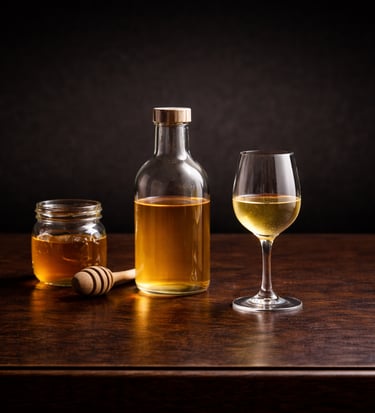
Honey-based fermented alcohol ranging from bone-dry to dessert-sweet. Often layered with fruit, spice, or botanicals.
Rice-based fermented beverage produced through koji conversion. Clean, nuanced, and highly food-friendly.
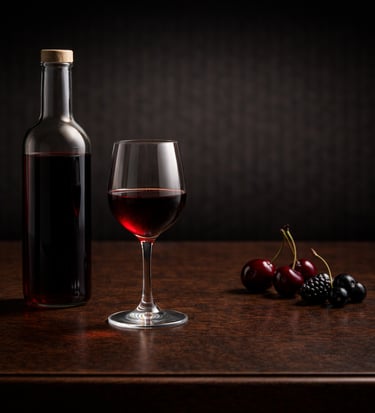
Cherry wine, regional ferments, and heritage techniques — global expressions of the same biochemical process.
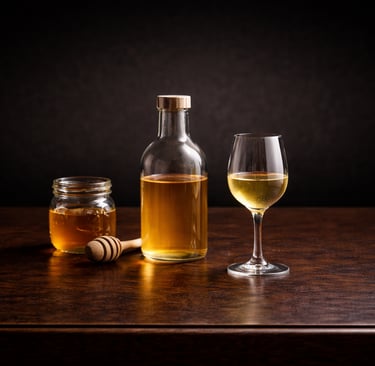
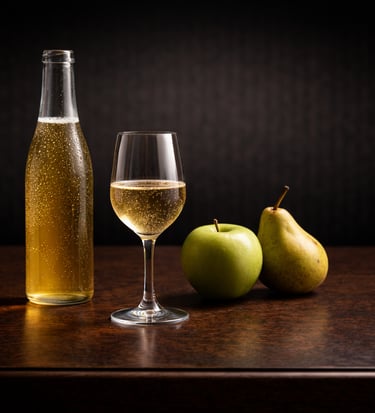
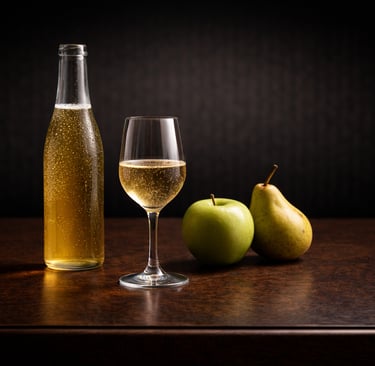
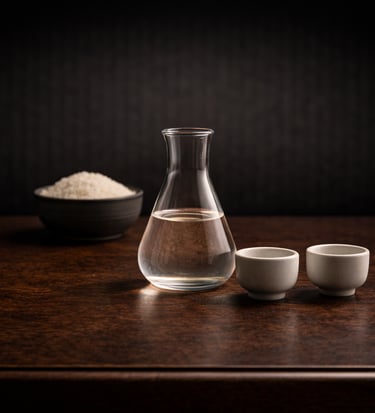
Fermented apple or pear, still or sparkling. Often assumed sweet, but many expressions are dry and structured.
How Fermentation Shapes Flavor
Dry vs Sweet
Residual sugar determines sweetness. Acidity and tannin influence how that sweetness is perceived.
Acidity
Creates freshness, lift, and food-pairing flexibility.
Tannin
Most common in red wines. Adds grip and structural backbone.
Body
Influenced by alcohol, sugar, and extract.
Carbonation
Alters texture and aroma delivery.
How to Taste Intentionally
Use a simple four-step framework:
Look
Smell
Taste
Assess structure
The same framework applies to structured cocktails.
Then define the purpose:
• Pairing
• Sipping
• Gifting
• Cocktail integration
Serving and Storage
Temperature Guidelines
• Sparkling / Crisp Whites → 38–45°F (3–7°C)
• Fuller Whites / Sake → 45–50°F (7–10°C)
• Reds → 55–65°F (13–18°C)
• Sweet styles → 40–50°F (4–10°C)
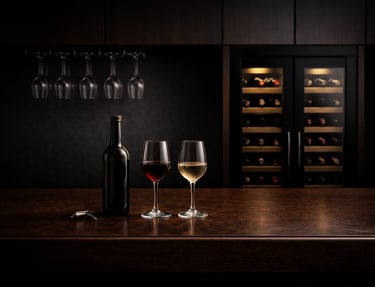
Glassware
Keep it minimal.
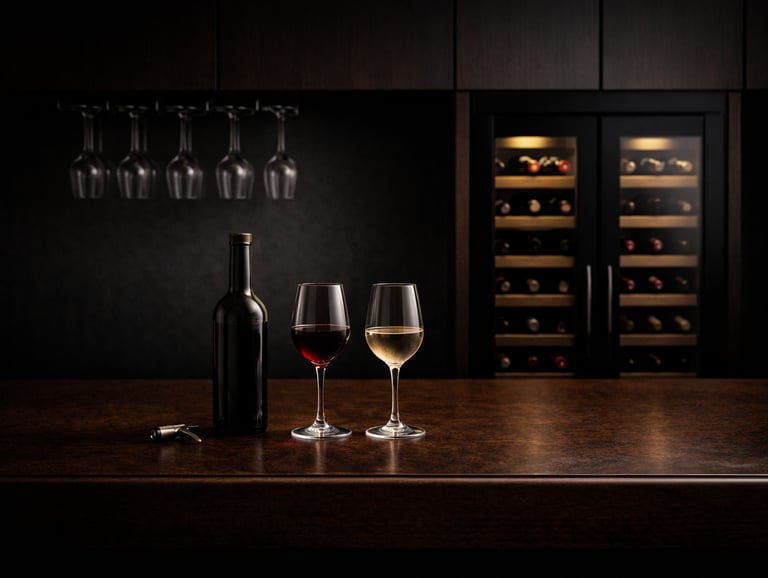
A single all-purpose wine glass covers most situations. Specialty shapes refine aroma and structure but are not essential.
Storage
Unopened → Store in a cool, dark, stable environment.
Opened → Typically 3–5 days when refrigerated (sparkling shorter).
Proper refrigeration preserves structure and acidity.
How to Buy With Confidence
Buying well starts with understanding your own preferences.
Define your preferred sweetness level
• Identify your ideal body range
• Understand your acidity tolerance
• Don’t rely solely on “Reserve” labeling
• Build 2–3 reliable style lanes
Mead: A Modern Renaissance
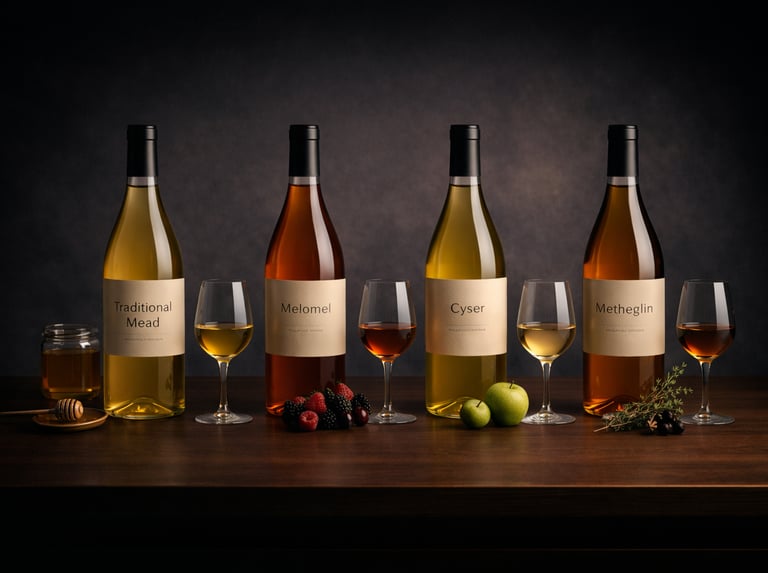
Mead is one of the oldest fermented beverages in human history — and one of the most misunderstood. Made from fermented honey, it can range from bone-dry and mineral-driven to rich and dessert-like. Modern producers are redefining the category through precision, balance, and technical discipline.
Like wine, structure depends on sugar levels, acidity, fermentation management, and aging decisions.
Traditional Mead
Fermented honey, water, and yeast — nothing more. The character of the honey defines the profile, from floral and delicate to dark and caramelized.
Melomel
Mead fermented with fruit. Depending on fruit choice and balance, melomels can resemble fruit-forward wines or structured hybrid styles.
Metheglin
Mead infused with herbs or spices. When restrained, botanicals add aromatic lift and layered complexity rather than sweetness.
Cyser
A hybrid of honey and apple fermentation. Structured, often dry, and highly food-compatible.
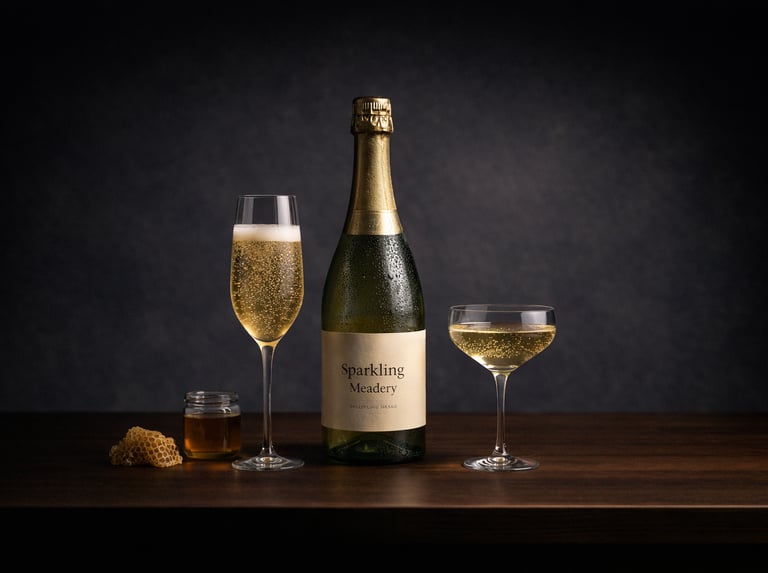
Sparkling Mead
Naturally or force-carbonated. Bright acidity and fine bubbles make it versatile for pairing or cocktail integration.
Fermented Beverages in Cocktails
Fermented ingredients bring structure, acidity, and complexity to mixed drinks.
• Sparkling wine
• Sherry
• Vermouth
• Cider
• Sake
Internal links →
Cocktails & Mixed Drinks
Spirits & Alcohol
Responsible Enjoyment
Fermented does not mean light.
Alcohol content varies widely across styles.
Serve with food.
Hydrate consistently.
Pace consumption intentionally.
Internal link →
Education, Safety & Responsibility
© 2026 Barkeepers Buzz. All rights reserved.
Barkeepers Buzz
Master cocktails, spirits, and bar knowledge with clarity and precision. Built for serious home enthusiasts.
Crafted with respect for the culture — and the responsibility that comes with it.
For educational purposes only. Intended for legal drinking age audiences. Please drink responsibly.
General Inquiries: