
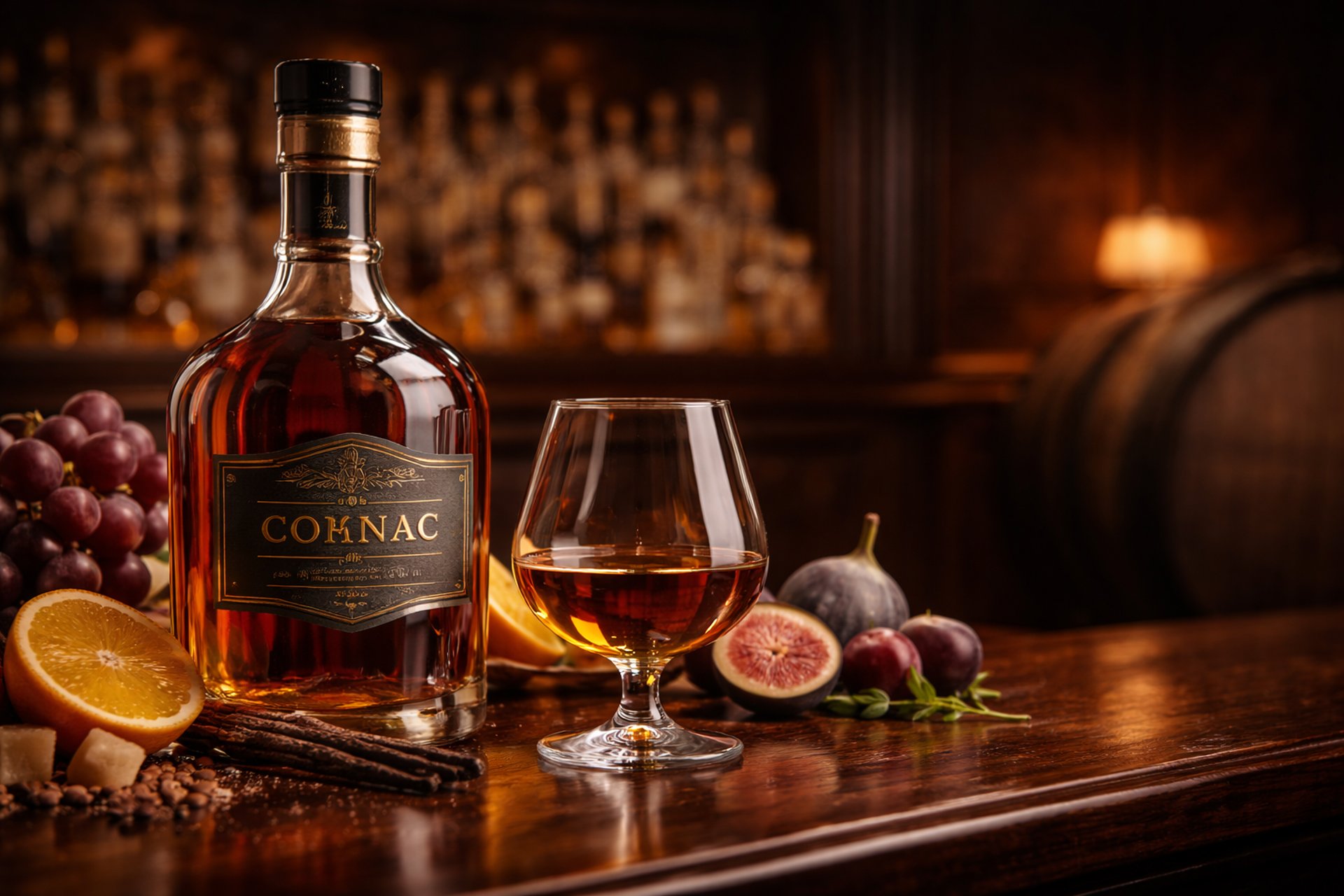
Brandy & Fruit Distillates: Wine Refined Through Oak & Time
Distilled from wine or fermented fruit, brandy represents the transformation of fruit character through distillation, maturation, and oxidative integration.
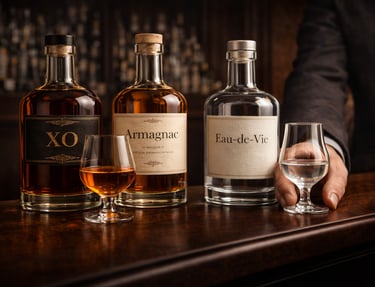
Brandy is distilled from fermented fruit — most commonly wine — and often matured in oak. While sometimes perceived as old-fashioned or overly sweet, brandy is a structurally complex category shaped by fruit origin, distillation method, and aging environment. From Cognac and Armagnac to unaged fruit eaux-de-vie, the category spans oxidative depth and crystalline clarity.
Understanding brandy begins with fruit — not age statements.
What Defines Brandy?
At its core, brandy follows a clear production path:
Fruit → Fermentation → Distillation → Maturation (optional) → Bottling
Unlike grain or sugarcane spirits, brandy preserves the character of fruit.
Wine-Based Brandy
Most brandy begins as fermented grape wine. The wine is typically low in alcohol and high in acidity — designed for distillation rather than table consumption.
Distillation concentrates aroma and structure.
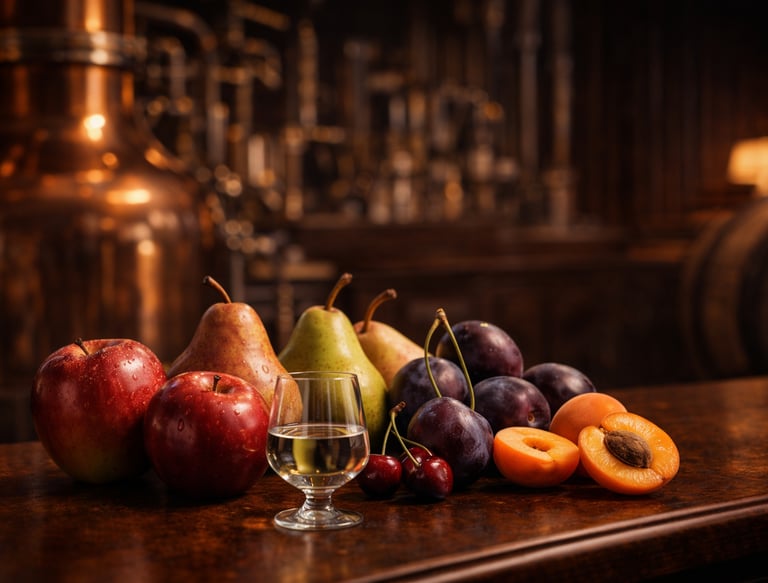
Fruit Brandy (Eau-de-Vie)
Fruit brandy may be distilled from:
• Apples
• Pears
• Plums
• Cherries
• Apricots
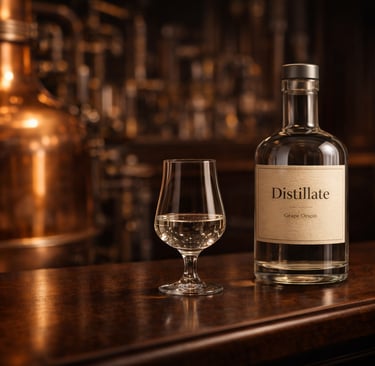
These expressions are often unaged, preserving pure fruit aromatics without oak influence.
Fruit choice determines identity before distillation begins.
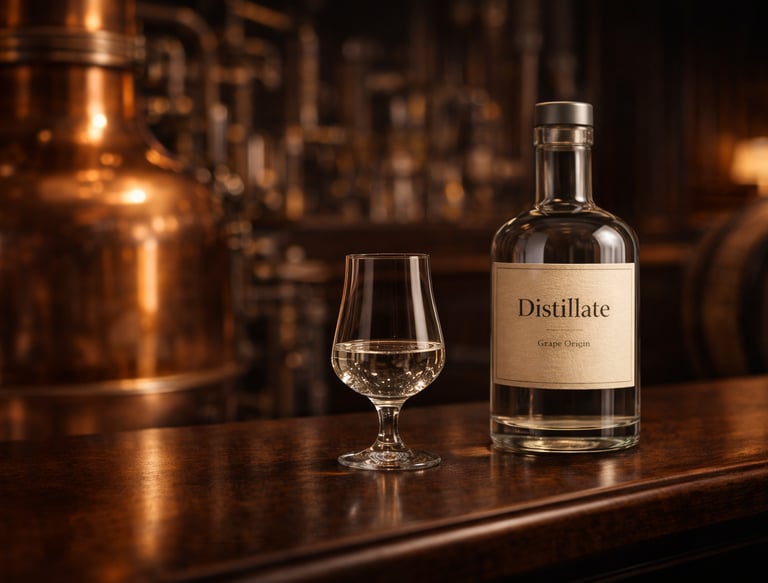
Distillation Methods
Distillation style significantly influences brandy structure.
Pot Still Distillation
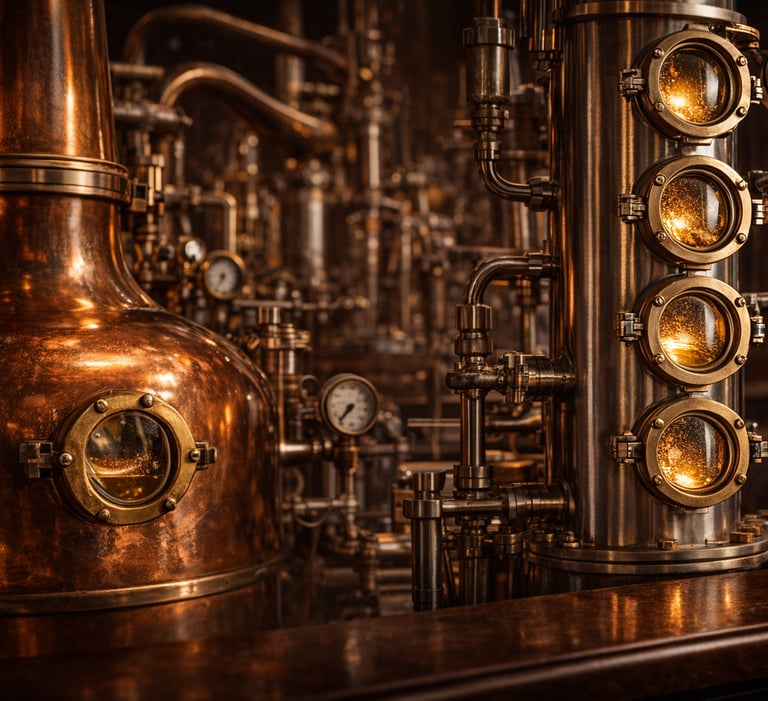
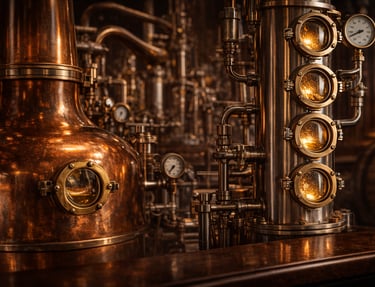
Traditional copper pot stills are common in Cognac and Armagnac production.
Pot distillation preserves heavier congeners, contributing to:
• Body
• Aromatic depth
• Textural weight
Continuous Distillation
Some fruit distillates use column stills for cleaner, lighter profiles.
Distillation proof impacts mouthfeel and intensity.
Brandy is rarely distilled to the same high purity as vodka. Retaining fruit character is the goal.
Major Brandy Categories
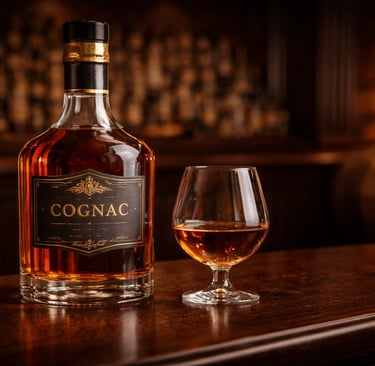
Cognac
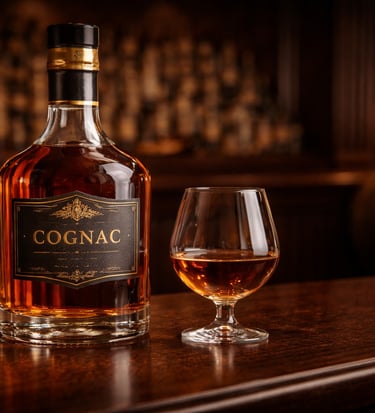
Produced in the Cognac region of France.
• Double distilled in copper pot stills
• Aged in French oak
• Highly regulated classification system
Profile:
• Dried fruit
• Vanilla
• Subtle spice
• Integrated oak
Cognac emphasizes refinement and consistency.
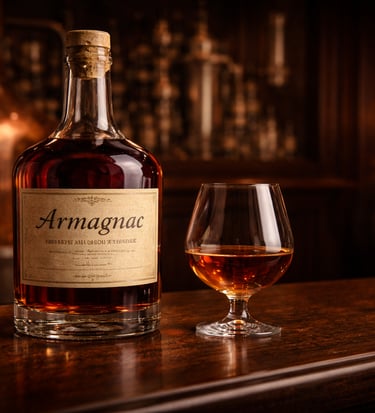
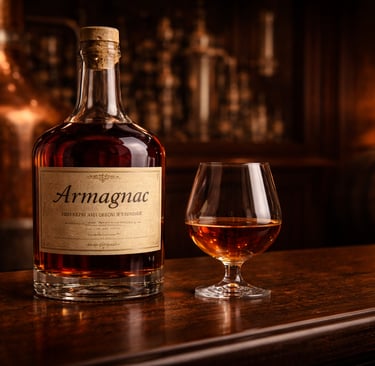
Armagnac
Spanish Brandy
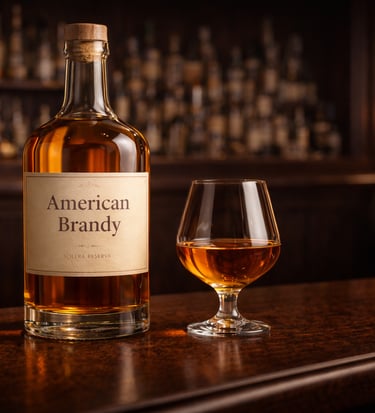
American Brandy
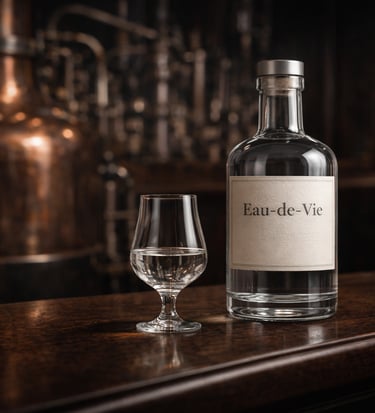
Eau-de-Vie
Produced in Gascony, France.
Often single-distilled and aged in oak.
Profile:
• Fuller-bodied
• More rustic texture
• Dark fruit
• Deeper oxidative character
Armagnac can feel less polished but more intense.
Can vary widely in production method and style.
May emphasize fruit-forward clarity or oak integration depending on producer.
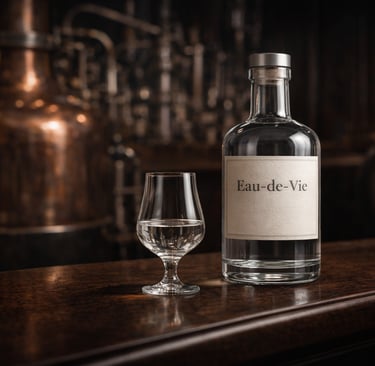
Clear, unaged fruit distillates.
Profile:
• Pure fruit aroma
• Bright acidity
• Crisp finish
No oak influence. Structure comes entirely from fruit and distillation precision.
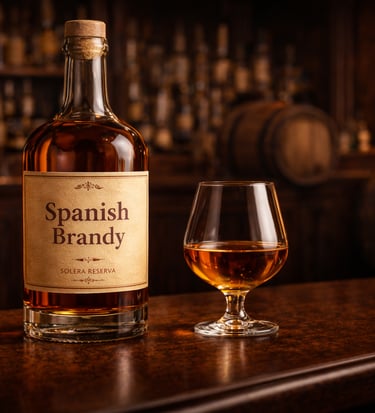
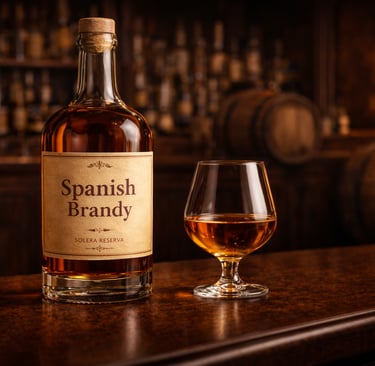
Often matured using solera systems.
Profile:
• Nutty
• Oxidative
• Soft sweetness
Sherry cask influence is common.
Aging & Oxidation
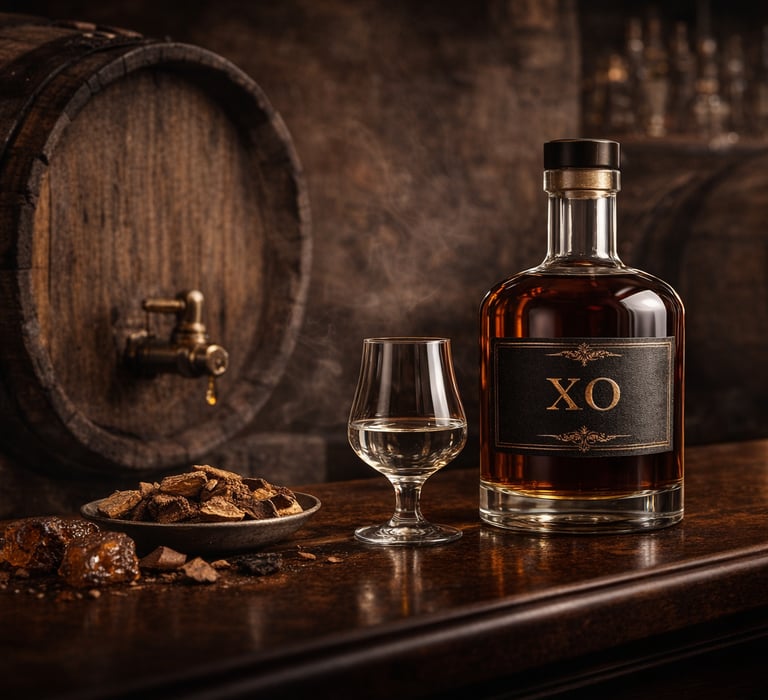
Oak maturation reshapes grape-based brandy dramatically.
Barrel influence contributes:
• Vanillin
• Toasted wood
• Caramelization
• Tannin structure
Slow oxidation softens harsh alcohol edges and integrates fruit character.
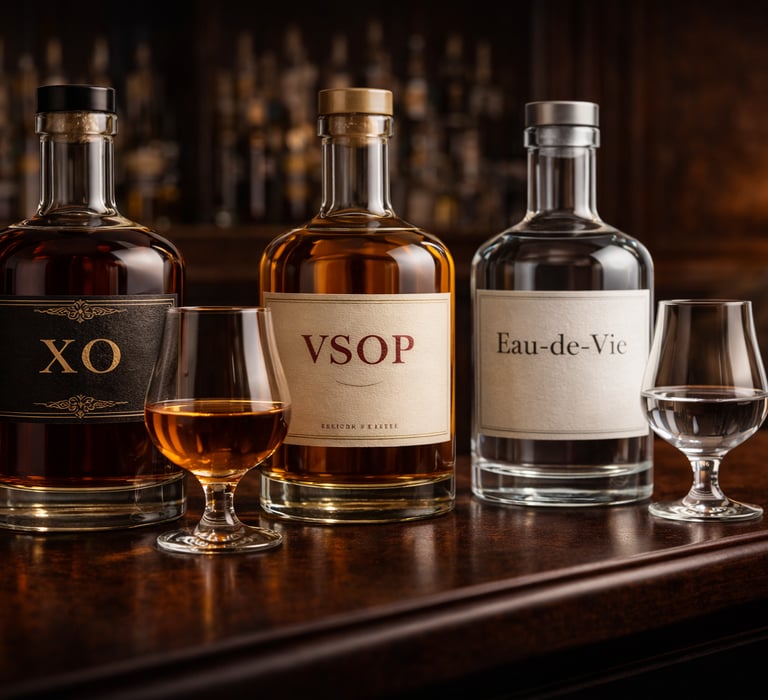
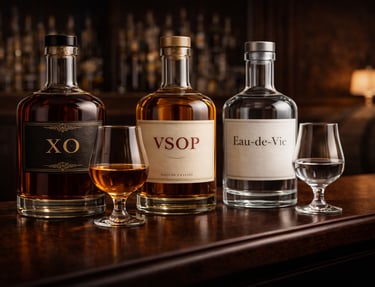
Aging classifications (VS, VSOP, XO) refer to minimum aging periods but do not guarantee superior balance.
Time enhances complexity — but structure determines quality.
Proof, Texture & Perception
Brandy is typically bottled between 40–45% ABV.
Compared to whiskey, brandy often feels:
• Softer
• Rounder
• More aromatic
Fruit origin creates natural perception of sweetness, even without residual sugar.
Alcohol warmth may feel integrated rather than sharp.
Unaged fruit distillates can feel sharper due to lack of oak softening.
Structure depends on:
• Fruit acidity
• Distillation cut decisions
• Barrel integration
• Final proof
Brandy in Cocktails
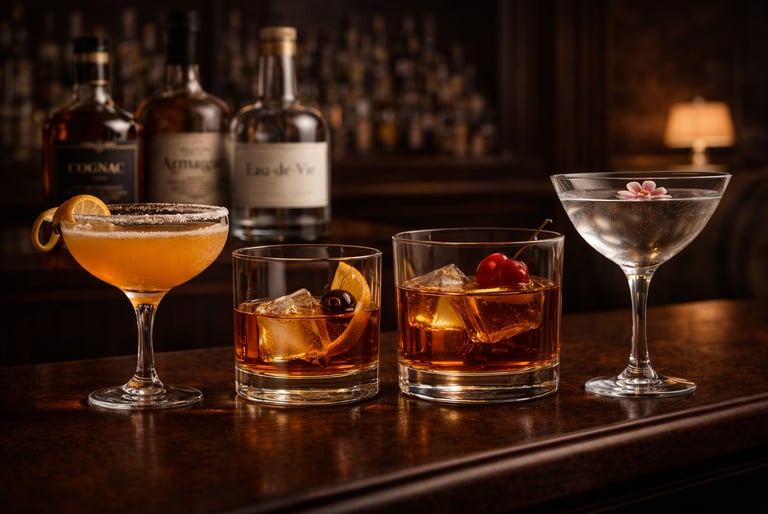
Though often consumed neat, brandy plays a foundational role in classic cocktails.
Sidecar
Cognac provides warmth and fruit depth against citrus acidity.
Brandy Old Fashioned
Fruit-forward structure replaces grain sweetness found in whiskey.
Vieux Carré
Brandy interacts with rye and vermouth for layered complexity.
Fruit Eau-de-Vie in Modern Cocktails
Adds precise fruit aroma without added sugar.
Brandy offers structure that is softer than whiskey but more expressive than vodka.
Internal Link → Cocktails & Mixed Drinks
Buying Brandy Intelligently
Selection improves when guided by purpose.
Ask:
• Do you want oak depth or fruit clarity?
• Are you sipping neat or mixing cocktails?
• Is aging classification aligned with intended use?
Start with:
• One versatile Cognac or Armagnac
• Optional unaged fruit eau-de-vie for exploration
Avoid equating higher age classifications with automatic superiority. Balance matters more than duration.
Service & Glassware
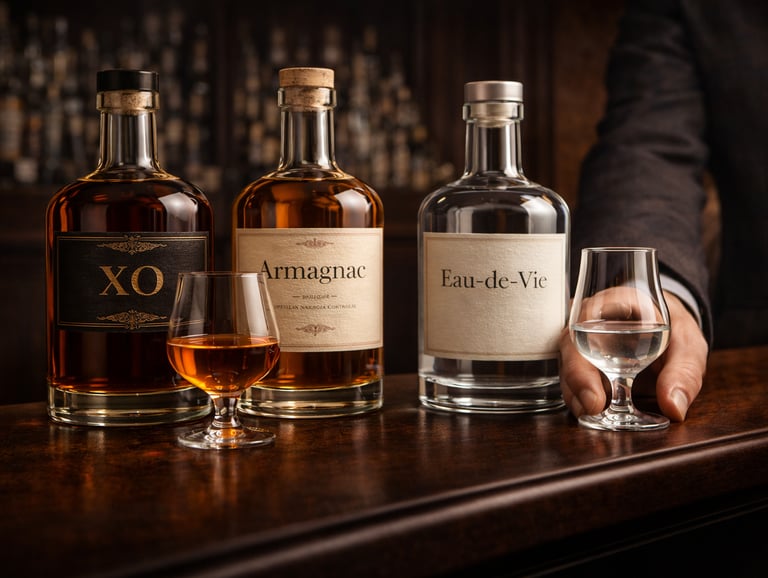
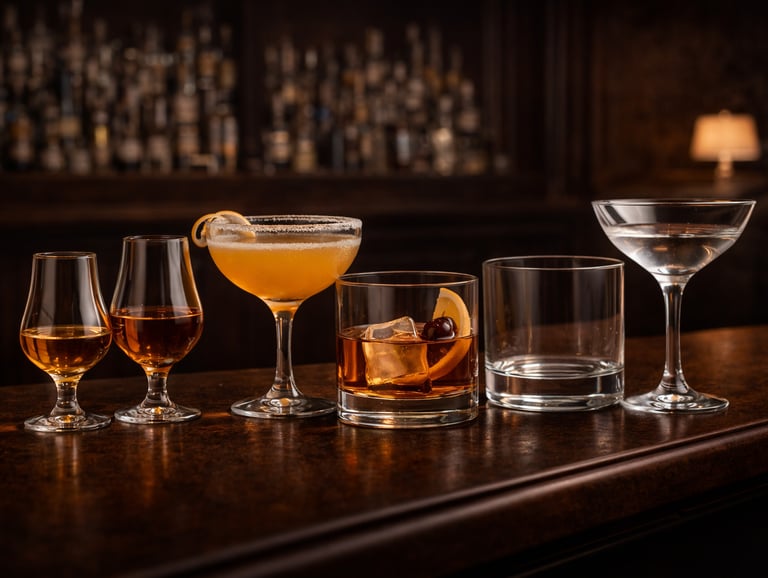
For neat service:
• Tulip-shaped tasting glass (preferred)
• Small stemmed glass
Traditional large snifters may overemphasize alcohol heat.
Serve at room temperature — avoid excessive warming.
For cocktails:
• Coupe
• Rocks glass
Dilution control remains important.
Store upright, away from sunlight and heat.
Responsible Enjoyment
Most brandy ranges between 40–45% ABV.
Fruit-forward aromas can mask alcohol strength.
Serve intentionally.
Hydrate consistently.
Respect proof.
© 2026 Barkeepers Buzz. All rights reserved.
Barkeepers Buzz
Master cocktails, spirits, and bar knowledge with clarity and precision. Built for serious home enthusiasts.
Crafted with respect for the culture — and the responsibility that comes with it.
For educational purposes only. Intended for legal drinking age audiences. Please drink responsibly.
General Inquiries: