
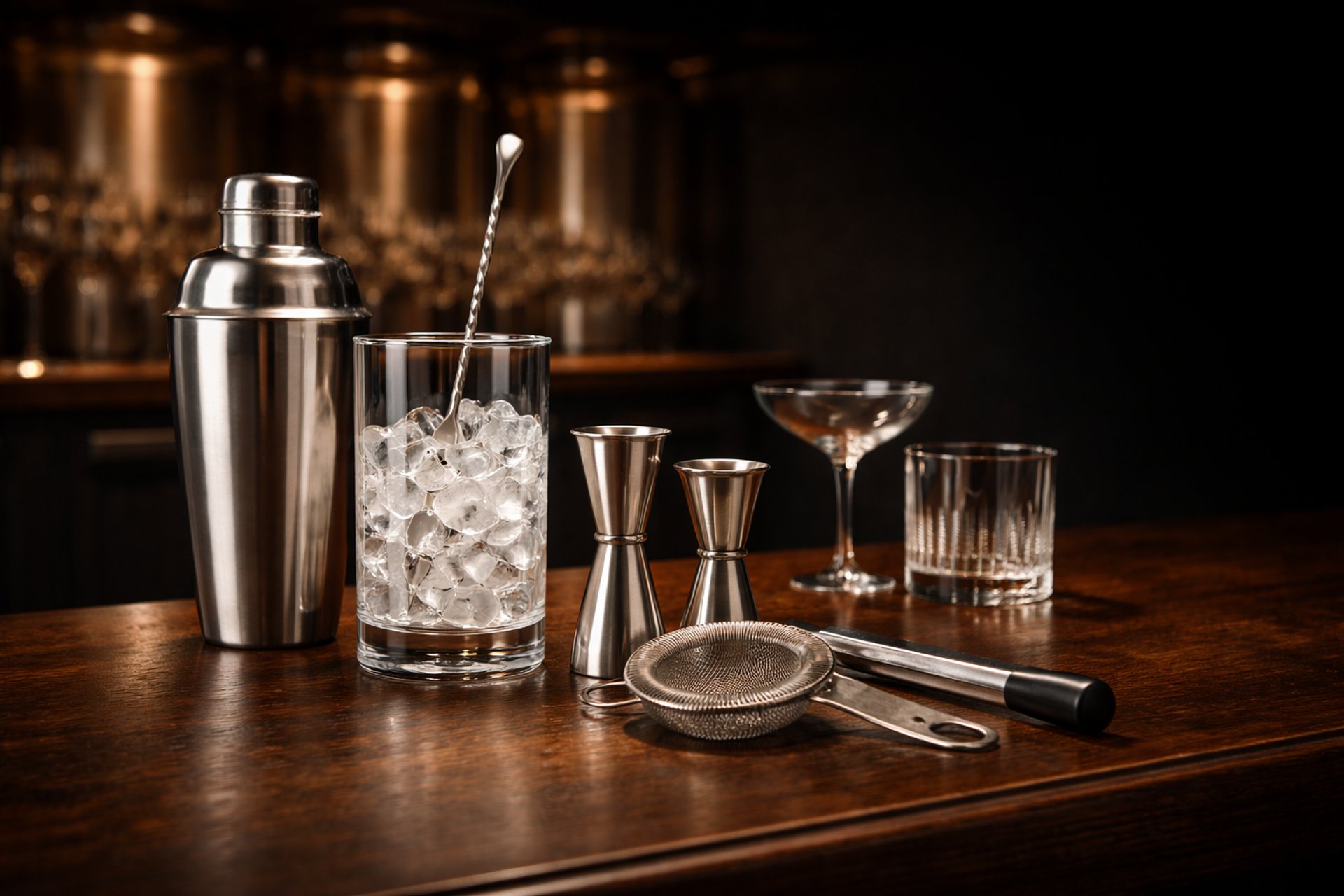
Boston Shaker vs Cobbler Shaker
When people start making cocktails at home, one of the first decisions they face is choosing a cocktail shaker. Two designs dominate the conversation: the Boston shaker and the Cobbler shaker.
Both tools perform the same core task—rapidly chilling and diluting a cocktail through agitation with ice. However, their construction, ease of use, and reliability differ significantly.
The Boston shaker is the standard in professional bars around the world. The Cobbler shaker is more common in beginner bar kits and home setups. Understanding the differences between them helps determine which tool will work best for your style of bartending.
Transparency Note: We may earn a commission from qualifying purchases. Product selections are made independently and are not influenced by manufacturers.
Key Differences
The main distinction between Boston and Cobbler shakers is how they are constructed.
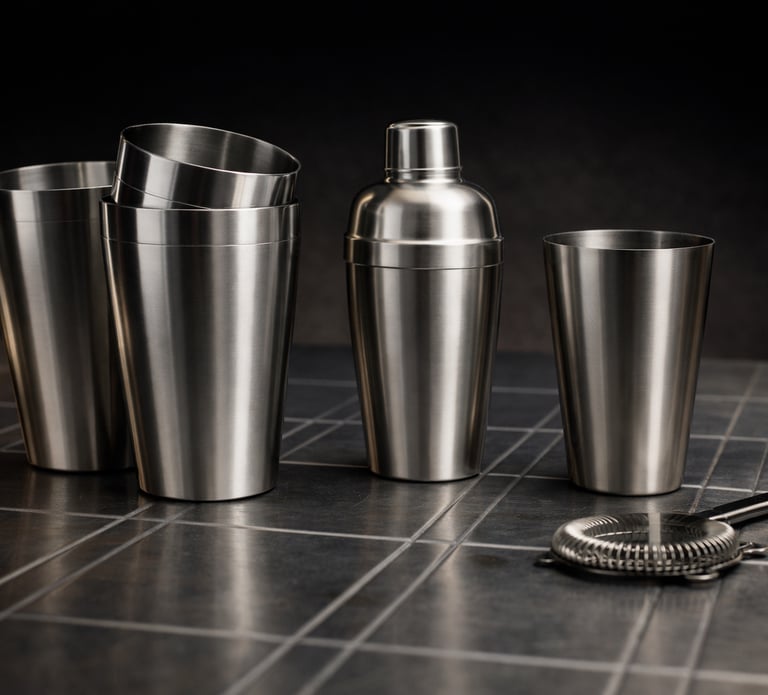
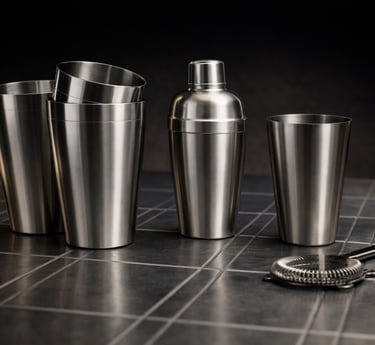
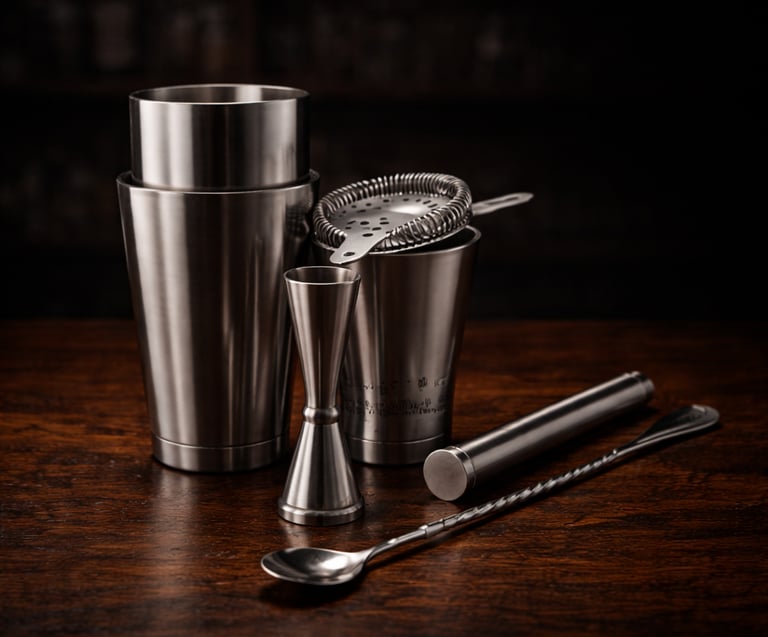
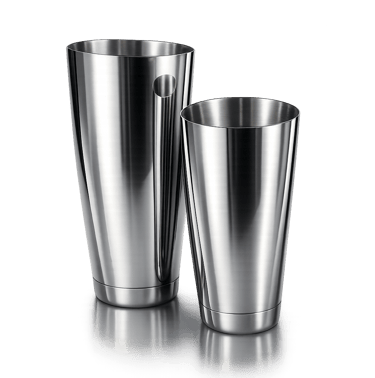
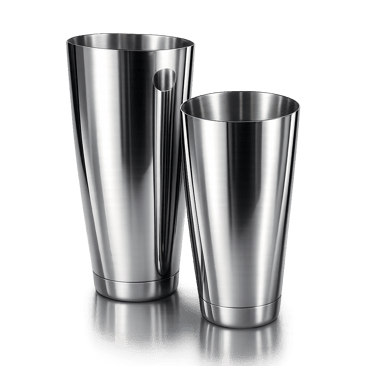
A Boston shaker consists of two pieces: a large metal tin paired with either a second metal tin or a mixing glass. It requires a separate strainer to pour drinks.
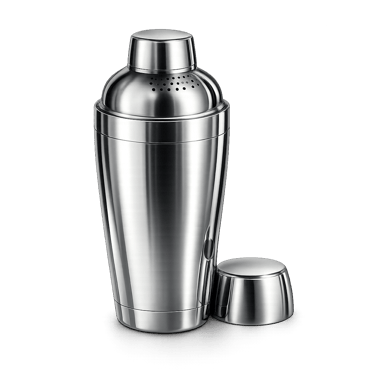
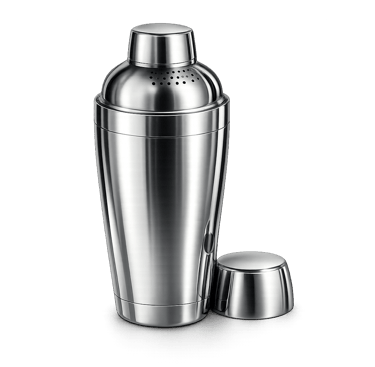
A Cobbler shaker uses a three-piece design that includes a built-in strainer and cap.
This difference affects nearly every part of the cocktail-making process—from sealing strength to how easily the shaker opens after shaking.
Boston shakers favor simplicity and durability. Cobbler shakers emphasize convenience and integrated design.
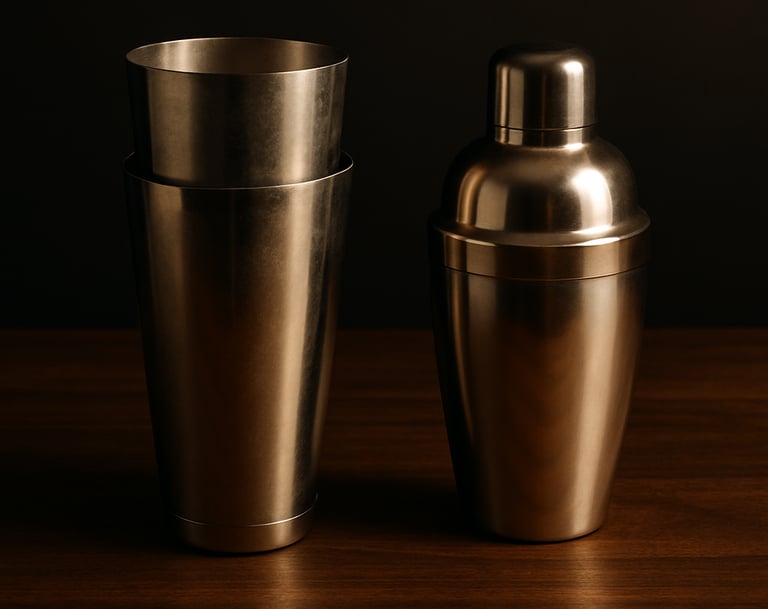
Design Comparison
Cobbler Shaker Design
The Cobbler shaker uses a three-piece construction consisting of:
• the main shaker body
• a lid with a built-in strainer
• a removable cap covering the strainer
This design simplifies pouring because the strainer is already integrated into the shaker. For many beginners, the Cobbler shaker feels intuitive and self-contained.
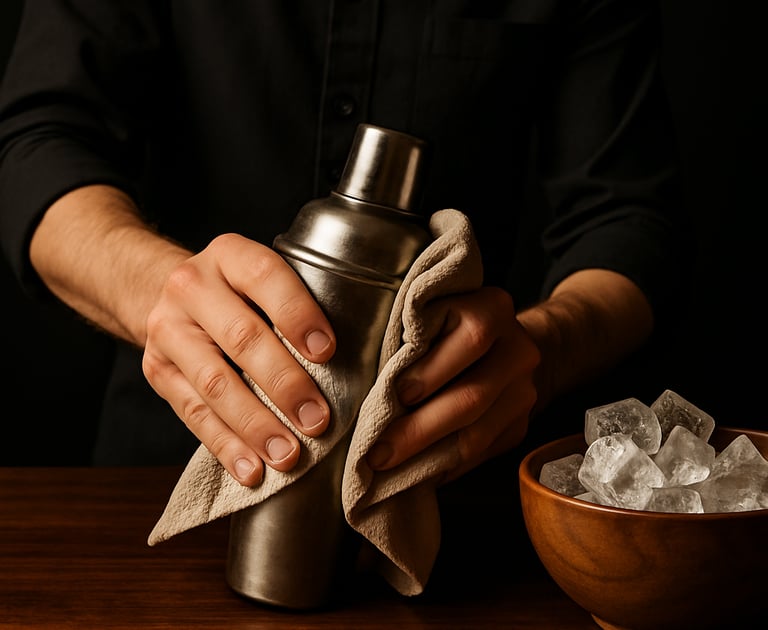
However, the additional parts introduce more potential friction points. After shaking, the lid may contract tightly onto the body due to the rapid temperature change.
This is why Cobbler shakers are sometimes difficult to open immediately after mixing a drink.
Related article:
Why Cobbler Shakers Get Stuck
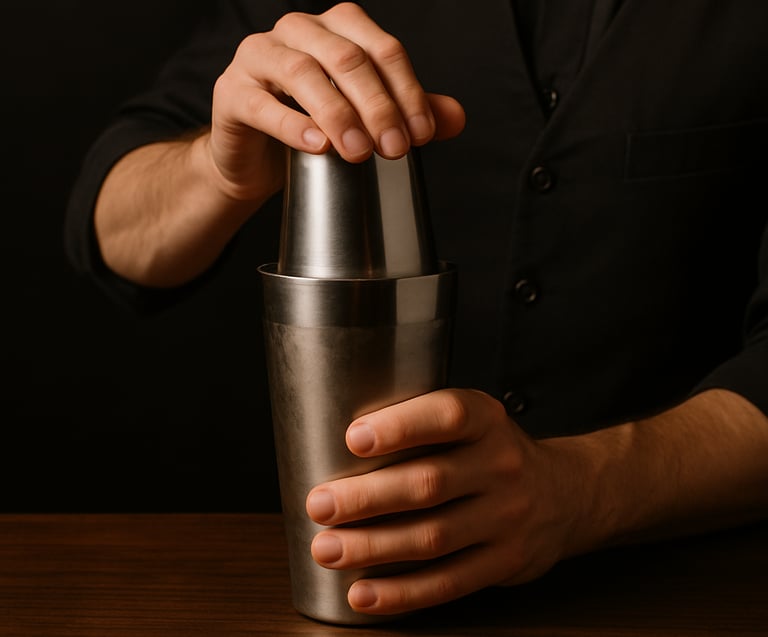
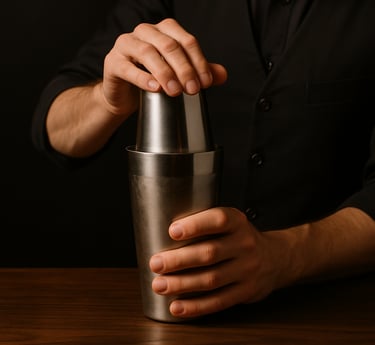
Boston Shaker Design
The Boston shaker is intentionally simple. It relies on two pieces that form a seal when tapped together. This seal tightens during shaking as temperature drops and metal contracts.
Because there are fewer parts, Boston shakers tend to be easier to maintain and less prone to mechanical problems.
The absence of a built-in strainer also gives bartenders more flexibility when pouring drinks. Most professionals pair the Boston shaker with a Hawthorne strainer or fine mesh strainer.
Another advantage is internal volume. Boston shakers typically provide more space inside the tin, allowing ice to move freely and chill drinks efficiently.
Related article:
Why Boston Shakers Seal Better
What to Look For
Material Quality
Choose:
18/8 or 18/10 stainless steel
Heavy-gauge construction
Smooth interior welds
Avoid:
Thin stamped metal
Chrome plating over low-grade steel
Durability determines lifespan.
Measurement Markings
Prioritize:
Etched or laser-engraved interior lines
Clearly visible increments
Permanent markings
Avoid painted measurement lines that wear over time.
Internal markings reduce the need to flip the jigger repeatedly.
Balance & Weight
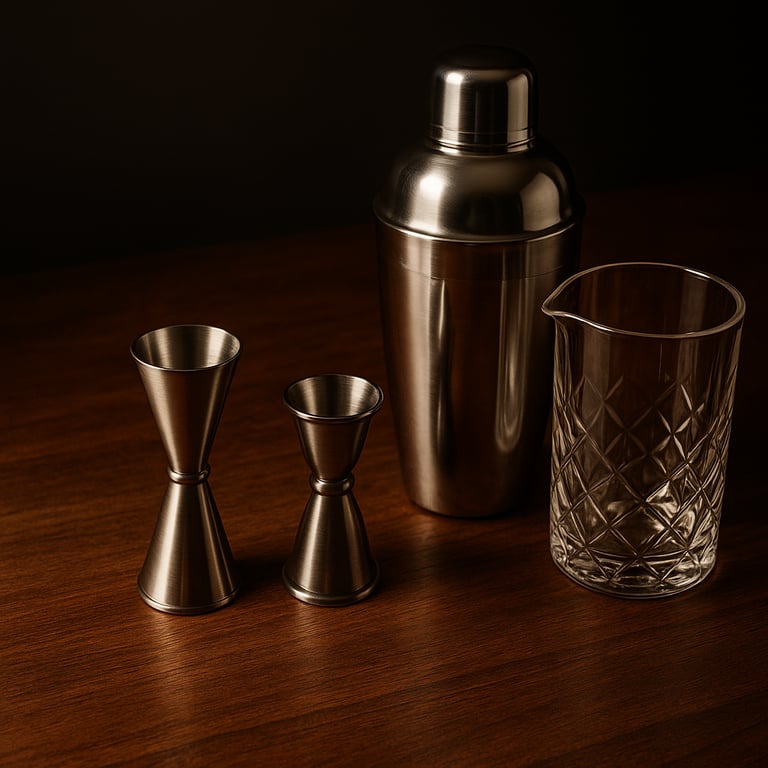
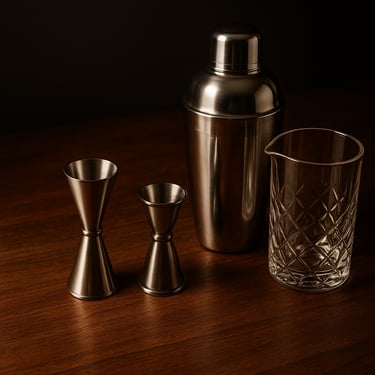
A proper jigger should:
Feel stable in hand
Not tip easily when filled
Allow smooth transfer into shaker or mixing glass
Lightweight jiggers often cause over-pour spillage.
Rim & Finish
Look for:
Smooth rolled rim
No sharp interior seams
Clean weld joints
Poor finishing affects both pouring accuracy and cleaning.
Performance Comparison
Chilling Speed
Both shakers chill cocktails quickly when used properly, but Boston shakers often have a slight advantage due to their larger internal volume and metal construction.
More internal space allows ice to move aggressively, increasing agitation and accelerating heat transfer.
Metal also conducts temperature more efficiently than glass or thicker materials.
Related article:
Why Metal Shakers Chill Faster
Ease of Opening
One of the most discussed differences between these two shaker styles is how easily they open after shaking.
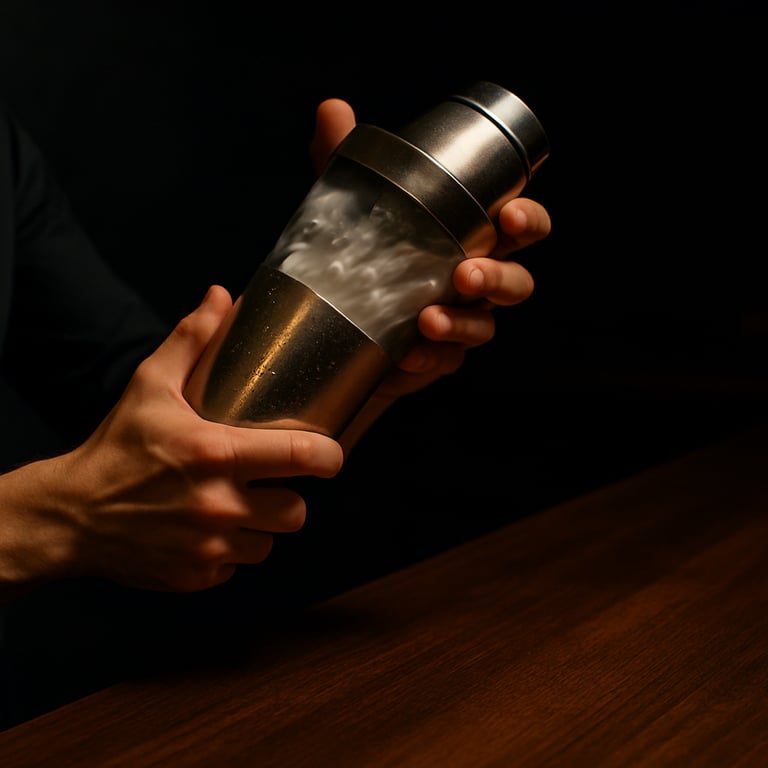
Boston shakers rely on a simple metal seal that can be broken with a quick tap on the side of the tin.
Cobbler shakers, by contrast, may tighten during shaking because the lid contracts around the shaker body.
If the lid becomes stuck, additional force or technique may be required to separate the pieces.
Related article:
How to Break a Stuck Shaker
Durability
Boston shakers generally last longer because they have fewer moving parts. There are no built-in strainers, caps, or threads that can wear down over time.
Cobbler shakers can still perform well for years, but their multiple components create more opportunities for bending, warping, or sticking.
For high-volume environments such as cocktail bars, durability is one reason Boston shakers remain the preferred option.
Who Each Shaker Is For
Choosing between these two designs often comes down to experience level and personal preference.
Cobbler Shaker
Best for:
• beginners learning cocktail basics
• casual home bartenders
• people who prefer integrated tools
The built-in strainer makes the Cobbler shaker simple to understand, which is why it is commonly included in starter kits.
Boston Shaker
Best for:
• people making cocktails regularly
• home bartenders building a serious bar setup
• anyone wanting professional tools
Boston shakers provide speed, reliability, and flexibility once you become comfortable using them.
Common Problems and Mistakes
Many frustrations with cocktail shakers come from misunderstanding how they behave during temperature changes.
One common mistake is shaking a drink with too little ice. When ice melts quickly, it can create excessive dilution and make the shaker harder to open.
Another issue occurs when the shaker is sealed incorrectly. Boston shakers need a quick tap to lock the seal before shaking. Without this step, leaks may occur.
Cobbler shakers often become stuck because the lid contracts during chilling. Knowing how to release the lid properly prevents most of these problems.
Understanding these small details makes a significant difference in the overall cocktail-making experience.




THE SHOWDOWN
BOSTON SHAKER
COBBLER SHAKER

✓ Professional Quality
✓ Fast & Durable
✓ Easy to Clean
✓ Built-In Strainer
✓ All-In-One Design
✓ Great for Beginners
Final Recommendation
Both Boston and Cobbler shakers are capable of producing excellent cocktails when used correctly.
Boston shakers are typically preferred by professional bartenders because they are durable, simple, and rarely experience mechanical issues.
Cobbler shakers remain a practical option for beginners who want an integrated tool that does not require additional strainers.
For most home bartenders building a long-term setup, the Boston shaker eventually becomes the more versatile choice. However, the best shaker is ultimately the one that fits comfortably into your workflow and encourages you to keep making drinks.
If you want to explore the top-performing shaker models currently available, see our full guide:
© 2026 Barkeepers Buzz. All rights reserved.
Barkeepers Buzz
Master cocktails, spirits, and bar knowledge with clarity and precision. Built for serious home enthusiasts.
Crafted with respect for the culture — and the responsibility that comes with it.
For educational purposes only. Intended for legal drinking age audiences. Please drink responsibly.
General Inquiries: