
Why Metal Shakers Chill Faster: The Science Behind the Chill
Discover why metal shakers chill cocktails faster through thermal conductivity, improving cocktail temperature and shaking efficiency with aluminum and stainless steel.
BAR TOOL GUIDES
Barkeepers BuzzBlog Editorial Team - Led by AJ “Buzz” Eichman
3/16/20265 min read
If you’ve ever wondered why professional bartenders swear by metal cocktail shakers, you’re not alone. As someone who’s spent plenty of after-shift hours testing different bar tools, I was curious myself. Why does a metal shaker chill drinks so much faster than glass or plastic alternatives? Is it just tradition at play, or is there real science behind it?
After experimenting and digging into the details, I can say the answer lies in the metal’s thermal conductivity — its ability to transfer cold efficiently, speeding up the chilling process and maintaining cocktail temperature.
Let’s break it down together.
Quick Verdict
Metal shakers cool cocktails faster due to high thermal conductivity, enabling quicker heat transfer.
Aluminum and stainless steel are common choices, with aluminum chilling slightly faster but stainless-steel offering better durability.
Pre-chilling your metal shaker can significantly improve chilling speed and control.
Metal shakers don’t insulate; once shaking stops, the cocktail will warm if not served quickly.
What is Thermal Conductivity and Why Does It Matter?
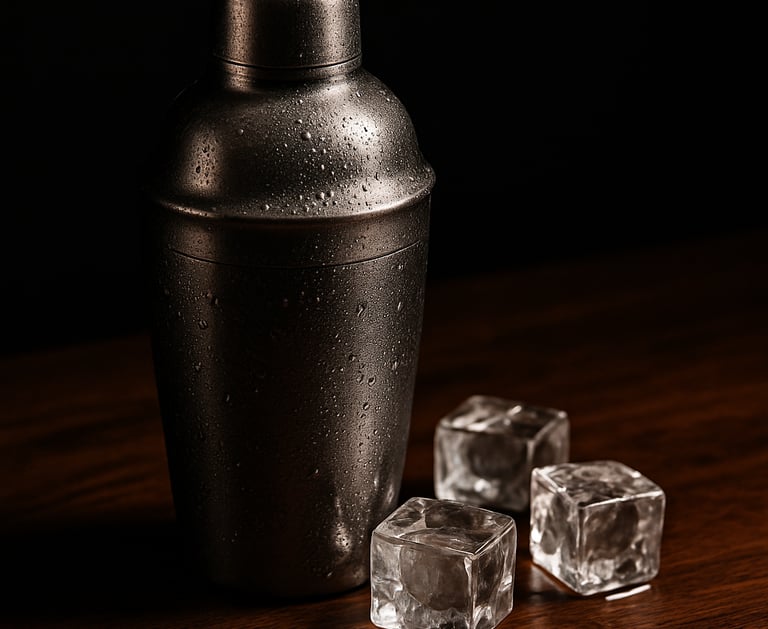
Thermal conductivity is essentially a material’s talent for passing heat or cold through itself. Metals like aluminum and stainless steel have much higher thermal conductivity compared to glass or plastic—meaning they transfer temperature changes quickly.
To give you a sense of scale, aluminum has a thermal conductivity around 205 W/mK, while stainless steel sits closer to 16 W/mK. Glass and plastic are way lower on this scale—less than 1 W/mK in many cases.
This difference explains why metal shakers get colder quickly when exposed to ice and then rapidly transfer that chill to whatever liquid is inside.
Understanding how materials affect chilling speed is a key part of mastering bartending technique and bar equipment.
How Metal Shakers Work to Chill Cocktails Faster
When you shake a cocktail, the ice inside transfers its cold temperature to the liquid as you mix. If your shaker’s material quickly absorbs and distributes this chill, the liquid inside reaches the ideal temperature sooner.
With metals, this happens faster due to their thermal conductivity. The cold from the ice moves through the metal walls readily, essentially “pulling” heat from the liquid inside.
This rapid heat exchange means your cocktail chills faster during the same shaking time compared to a glass or plastic shaker.
This is one of the main reasons professional bartenders overwhelmingly rely on metal cocktail shakers instead of glass or plastic alternatives, check out Bar Tools Page.
Comparing Aluminum and Stainless Steel Shakers
Among metals, aluminum and stainless steel are the main players for cocktail shakers. Both perform well, but there are some differences worth knowing.
Aluminum Shakers
Higher thermal conductivity (~205 W/mK) means faster chilling speed
Usually lighter, making them easy to handle during busy shifts
Can be prone to dents or scratches, which may affect durability
Sometimes less polished in finish, but newer models look great too
Stainless Steel Shakers
Lower thermal conductivity (~16 W/mK) compared to aluminum
Much more durable and resistant to wear and corrosion
Heavier, which some bartenders prefer for grip and control
Often more common in professional settings for longevity
In my testing across a few shifts, aluminum shakers cooled cocktails marginally faster, but stainless steel held up better over time and felt sturdier in a high-volume bar environment.
If you're deciding between shaker designs and materials, understanding the differences between Boston and Cobbler shakers is also important.
Practical Tips for Maximizing Chill with Metal Shakers
From experience, here are some ways to get the most out of your metal shaker’s chilling abilities:
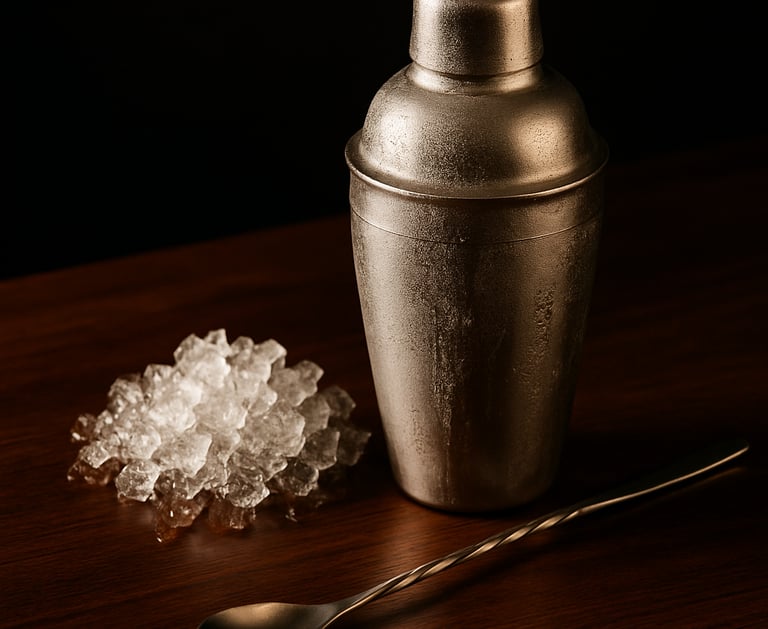
Pre-chill your shaker before use. Store it in a fridge or freezer for a few minutes.
Use enough ice, but avoid overfilling.
Dry the shaker exterior before handling.
Shake efficiently to maximize heat transfer.
Serve immediately after shaking.
Many bartenders improve their workflow dramatically by optimizing both their tools and their shaking technique together.
Common Mistakes When Using Metal Cocktail Shakers
It’s easy to get a metal shaker and expect magic to happen, but a few common missteps can reduce their chilling power.
Assuming all shakers chill equally regardless of material
Skipping the pre-chill
Filling the shaker with too much ice
Neglecting to dry the exterior
Confusing thermal conductivity with insulation
Many of these issues are surprisingly common among home bartenders and can easily be fixed with the right setup and tools.
Real Bartender Insights and Use Cases
From behind the bar, metal shakers are the standard for a reason. Bartenders working high-volume shifts rely on stainless steel’s durability and consistent chilling to maintain speed without sacrificing quality.
Home bartenders experimenting with craft cocktails sometimes prefer aluminum for its quick chilling and lighter feel.
A well-designed home bar setup makes it much easier to experiment with tools and techniques like these.
FAQs About Metal Shakers and Cocktail Temperature Control
Why do metal cocktail shakers chill drinks faster than glass or plastic ones?
Because metals like aluminum and stainless steel have higher thermal conductivity, they transfer the cold temperature from ice to the liquid inside more quickly.
What is thermal conductivity and how does it affect cocktail chilling?
Thermal conductivity measures how well a material transfers heat or cold. Higher values mean faster temperature changes.
Is aluminum or stainless-steel better for cocktail shakers?
Aluminum chills slightly faster, but stainless steel is more durable and preferred for long-term use.
Does pre-chilling a metal shaker make a difference?
Yes, pre-chilling lowers the shaker’s starting temperature and speeds up chilling.
Can metal shakers keep cocktails colder after shaking?
Not really. They transfer cold quickly but don’t insulate.
Are there drawbacks to metal shakers?
Condensation can make them slippery, and some metals dent more easily.
Why do bartenders prefer metal shakers?
Because they chill cocktails faster and hold up better under regular use.
Choosing the Right Metal Shaker for Your Bar Setup
If you’re building your bar toolkit, here’s how to decide between aluminum and stainless steel:
Aluminum works well for lightweight home setups
Stainless steel is better for durability and long-term use
Pre-chilling improves performance regardless of metal type
Build quality matters as much as material
If you're upgrading your bar tools, exploring some of the best cocktail shakers available can help you find a model that balances durability and chilling performance - Best Cocktail Shakers.
Conclusion: Turning Curiosity into Clarity Behind the Bar
Trying out metal shakers myself was pretty revealing. I didn’t expect the difference in chilling speed and temperature control to be as noticeable as it was, but the high thermal conductivity of metals like aluminum and stainless steel really steps up the game.
Using a metal shaker means you can chill cocktails faster, maintain consistent cold while shaking, and serve drinks at their flavor peak.
That said, it’s not just about the metal—it’s how you use the shaker, including pre-chilling, ice amount, and efficient shaking.
With the right approach, even home bartenders can elevate their cocktail quality significantly.
So next time you pick up a shaker, remember: that cold metal exterior is working with you to deliver a better drink faster.
© 2026 Barkeepers Buzz. All rights reserved.
Barkeepers Buzz
Master cocktails, spirits, and bar knowledge with clarity and precision. Built for serious home enthusiasts.
Crafted with respect for the culture — and the responsibility that comes with it.
For educational purposes only. Intended for legal drinking age audiences. Please drink responsibly.
General Inquiries: