
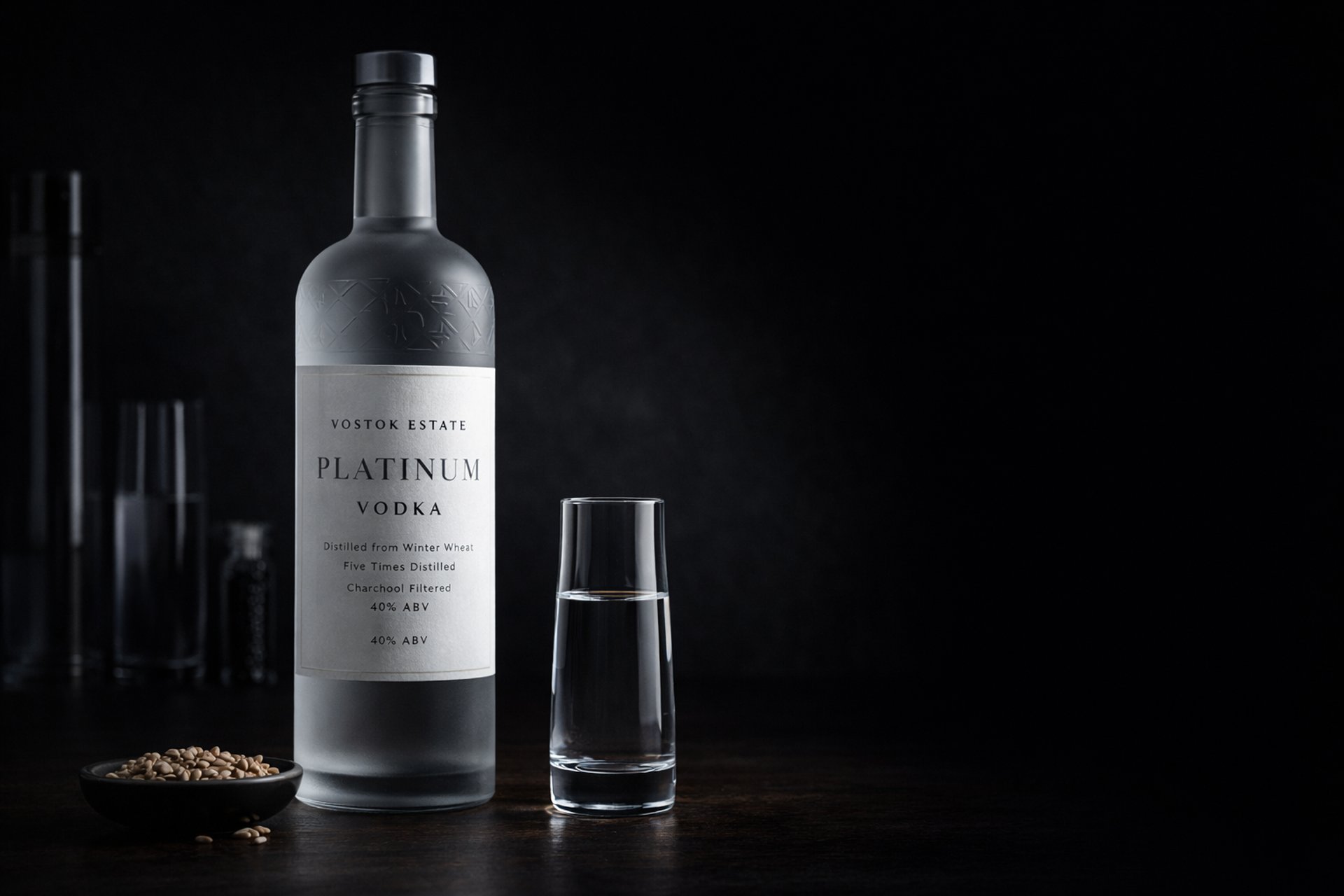
Vodka: Neutrality, Texture & Precision
Distilled for clarity and refined through filtration, vodka is defined less by flavor intensity and more by structure, purity, and mouthfeel.
Vodka is often described as neutral — but neutrality is not absence. It is precision. Produced from fermented grain, potato, or other fermentable bases and distilled to high proof, vodka emphasizes clarity, texture, and balance over overt aroma. Its structure depends on raw material, distillation refinement, filtration, and final proof.
Understanding vodka requires attention to texture and purpose, not marketing language.
What Defines Vodka?
Vodka is a distilled spirit typically bottled between 40–50% ABV and characterized by minimal flavor expression.
Production follows a structured path:
Base Ingredient → Fermentation → High-Proof Distillation → Filtration → Dilution → Bottling
Unlike whiskey, rum, or gin, vodka does not rely on oak aging or botanical infusion for identity. Its defining traits are:
• Clean aroma
• Controlled alcohol heat
• Texture on the palate
• Finish length
Neutral does not mean identical. Subtle structural differences separate well-made vodka from harsh distillate.
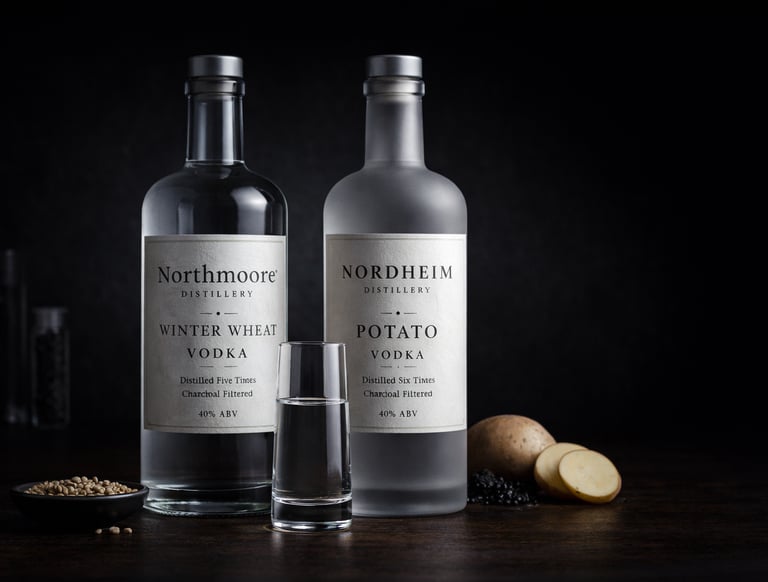
Grain Vodka
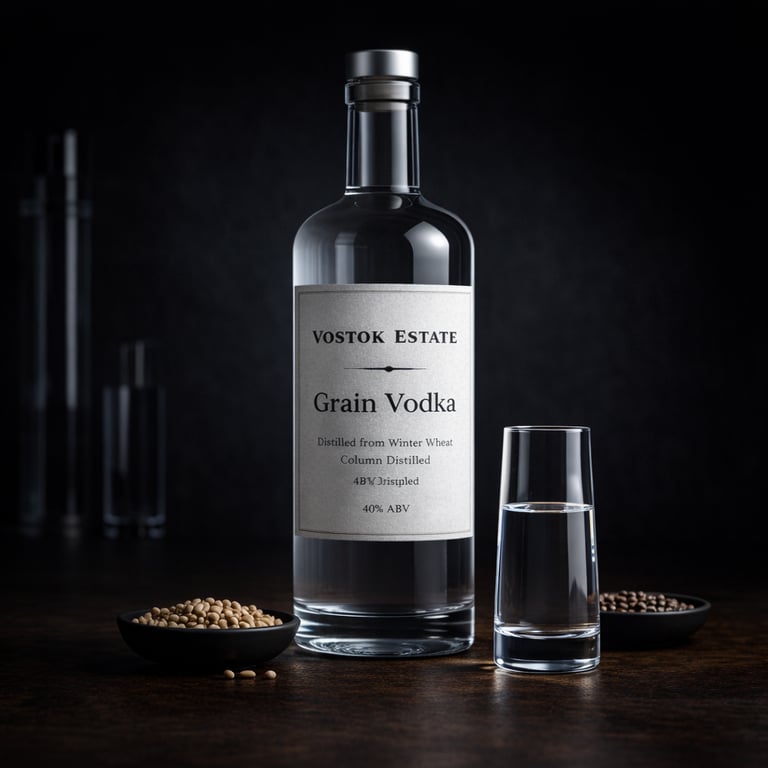
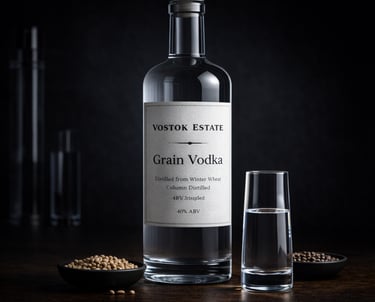
Vodka can be produced from any fermentable source. The base ingredient influences texture more than flavor.
Commonly made from wheat, rye, or corn.
Grain-based vodka often feels:
• Crisp
• Clean
• Slightly dry
Wheat-based expressions may feel softer. Rye-based versions can carry faint spice tension.
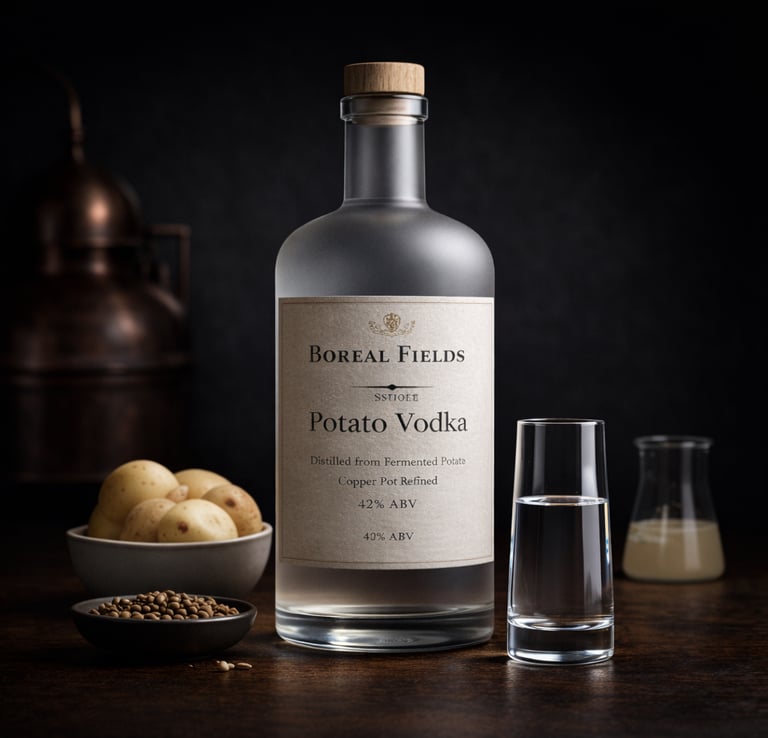
Potato Vodka
Produced from fermented potato starch.
Potato vodka tends to feel:
• Fuller-bodied
• Creamier
• Slightly weightier on the palate
The difference is primarily textural rather than aromatic.
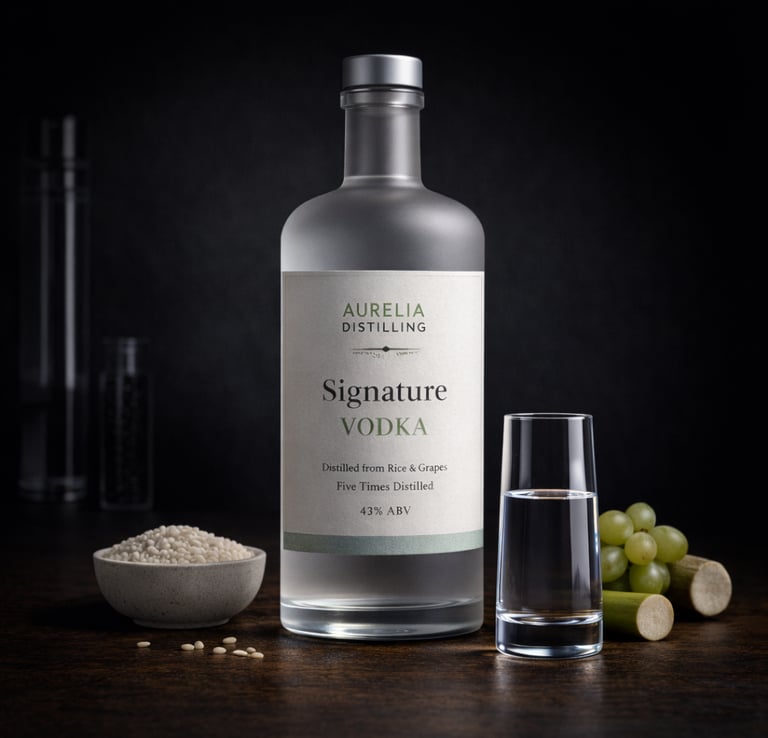
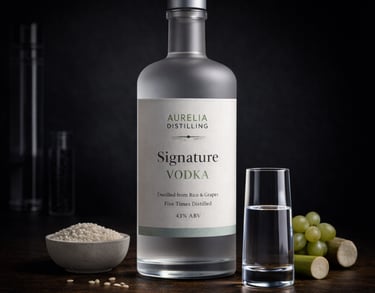
Some vodkas are produced from:
• Grapes
• Sugarcane
• Rice
These may subtly shift mouthfeel but remain structurally neutral.
Base ingredient defines foundation. Distillation defines clarity.
Alternative Bases
Base Ingredients & Their Influence
Distillation & Filtration
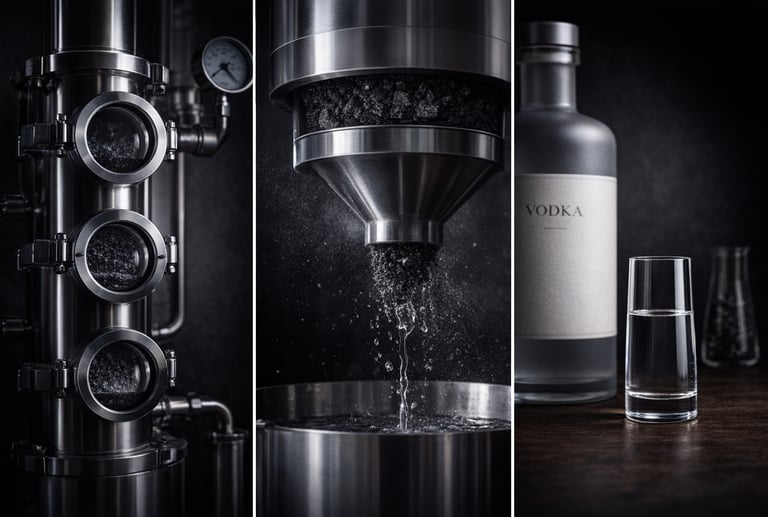
Vodka is typically distilled to very high proof — often above 90% ABV before dilution. This removes heavier congeners and flavor compounds.
Column Distillation
Most vodka is produced using column stills capable of extremely high purification.
The goal is refinement, not character preservation.
Filtration
After distillation, many vodkas are filtered — sometimes through:
• Charcoal
• Quartz
• Carbon
• Other proprietary materials
Filtration can soften edges and improve mouthfeel, though excessive filtration may strip subtle structure.
The objective is balance — not over-processing.
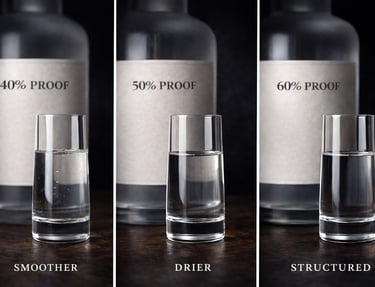
Proof, Texture & Perception
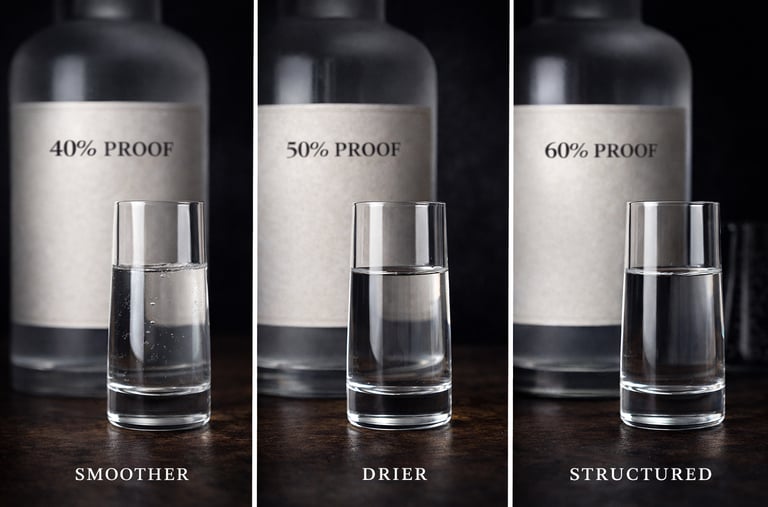
Vodka is commonly bottled at 40% ABV, though higher-proof expressions exist.
Proof affects:
• Alcohol heat
• Perceived dryness
• Body
• Finish length
Higher proof vodka may feel more structured and less watery in cocktails. Lower proof versions may feel smoother but thinner.
Texture differences — crisp vs creamy — are often more noticeable than flavor differences.
Vodka rewards careful tasting.
Flavored Vodka:
Structure vs Novelty
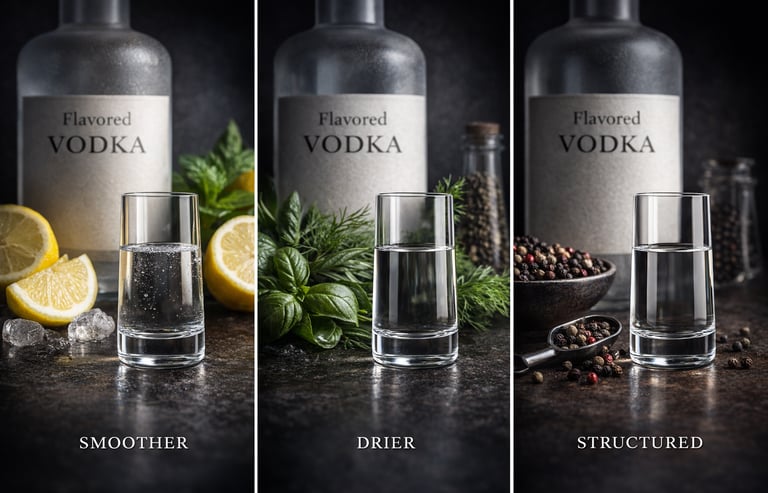
Flavored vodka expands the category but shifts focus away from neutrality.
Natural flavor infusions can add:
• Citrus brightness
• Herbal lift
• Pepper spice
However, novelty flavors often prioritize sweetness over structure.
When selecting flavored vodka:
• Favor restrained profiles
• Avoid excessive sugar
• Consider cocktail integration
Structure should remain central.
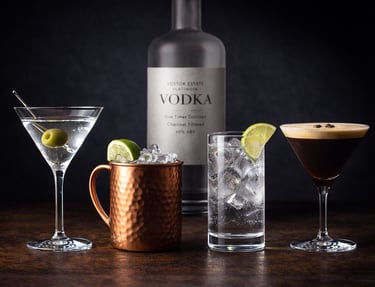
Vodka in Cocktails
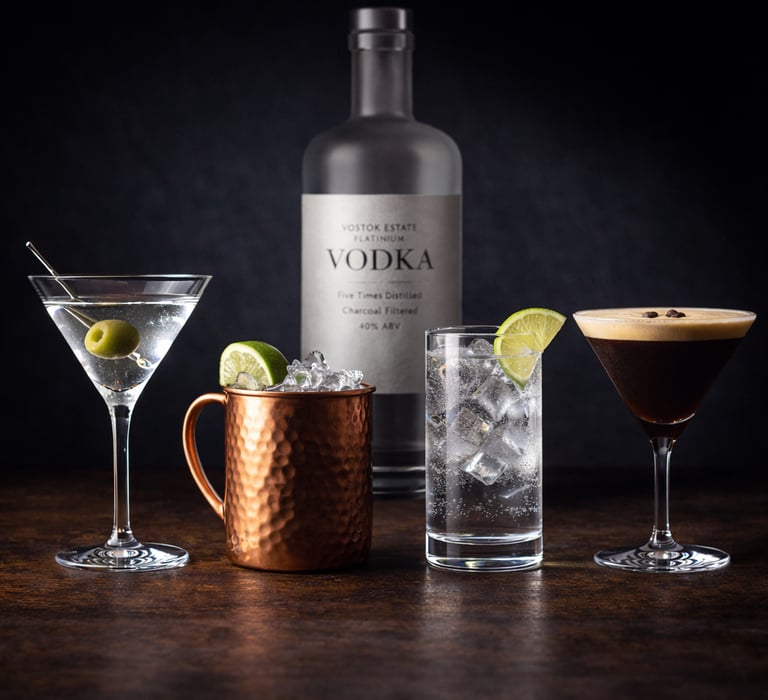
Vodka’s neutrality makes it a structural canvas.
Martini (Vodka)
Produces a cleaner, softer Martini compared to gin. Less botanical interference.
Moscow Mule
Allows ginger beer acidity and spice to dominate while maintaining alcohol backbone.
Vodka Soda
Highlights texture and proof. Simplicity reveals quality differences.
Espresso Martini
Neutral base prevents flavor clash with coffee liqueur.
Vodka does not dominate — it supports.
Internal Link → Cocktails & Mixed Drinks
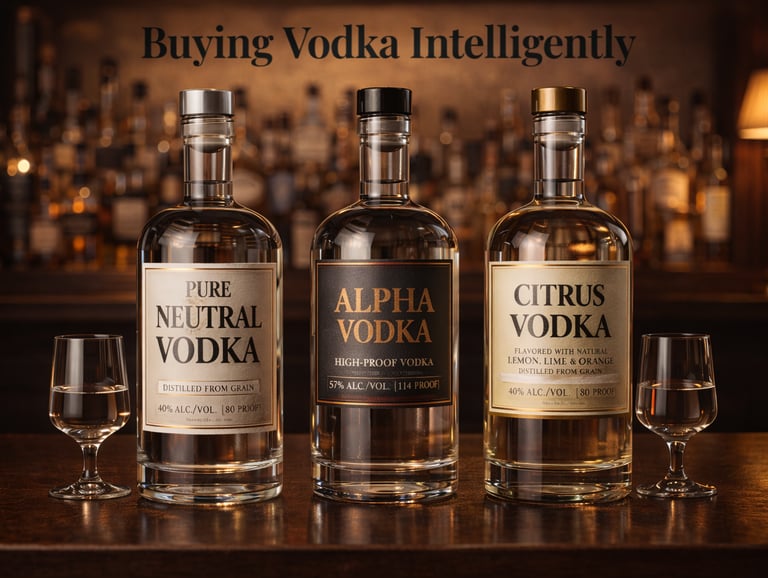
Buying Vodka Intelligently
Vodka selection improves when stripped of branding hype.
Start with these principles:
• Decide preferred texture (crisp vs creamy)
• Choose appropriate proof
• Avoid marketing claims about excessive filtration without purpose
• Prioritize clean finish over flashy bottle design
A disciplined home bar requires:
• One reliable neutral vodka
• Optional higher-proof expression for structured cocktails
Expansion into flavored styles should be intentional, not impulsive.
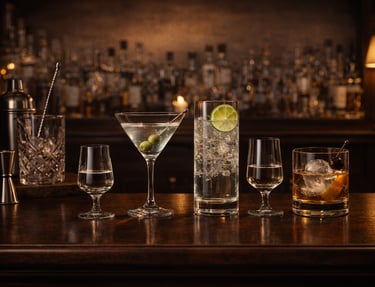
Service & Glassware
Vodka should be served according to use.
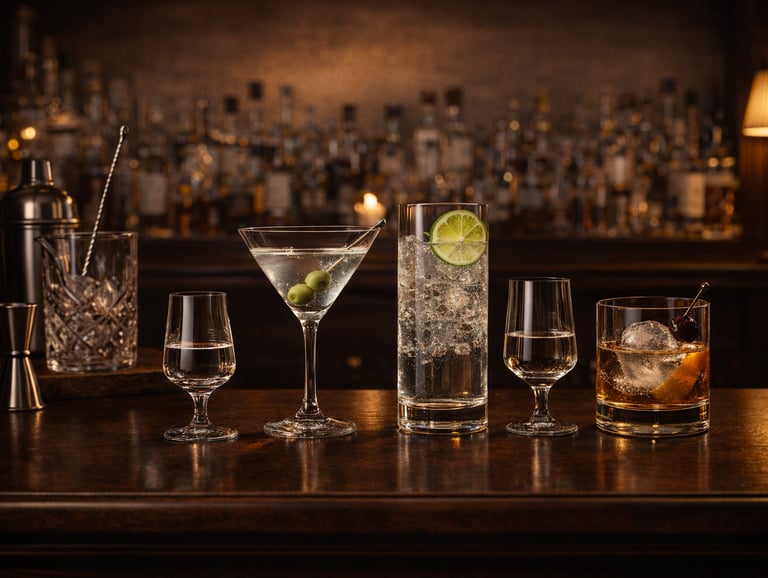
For neat tasting:
• Small chilled tulip glass
For cocktails:
• Martini glass
• Highball glass
• Double rocks glass
Chilling reduces perceived alcohol heat but can mute texture.
Avoid over-dilution when quality is the goal.
Store upright, away from heat and sunlight.
Responsible Enjoyment
Vodka typically ranges between 40–50% ABV.
Because flavor is subtle, alcohol heat may be less obvious — but strength remains significant.
Serve thoughtfully.
Hydrate consistently.
Respect alcohol concentration.
© 2026 Barkeepers Buzz. All rights reserved.
Barkeepers Buzz
Master cocktails, spirits, and bar knowledge with clarity and precision. Built for serious home enthusiasts.
Crafted with respect for the culture — and the responsibility that comes with it.
For educational purposes only. Intended for legal drinking age audiences. Please drink responsibly.
General Inquiries: