
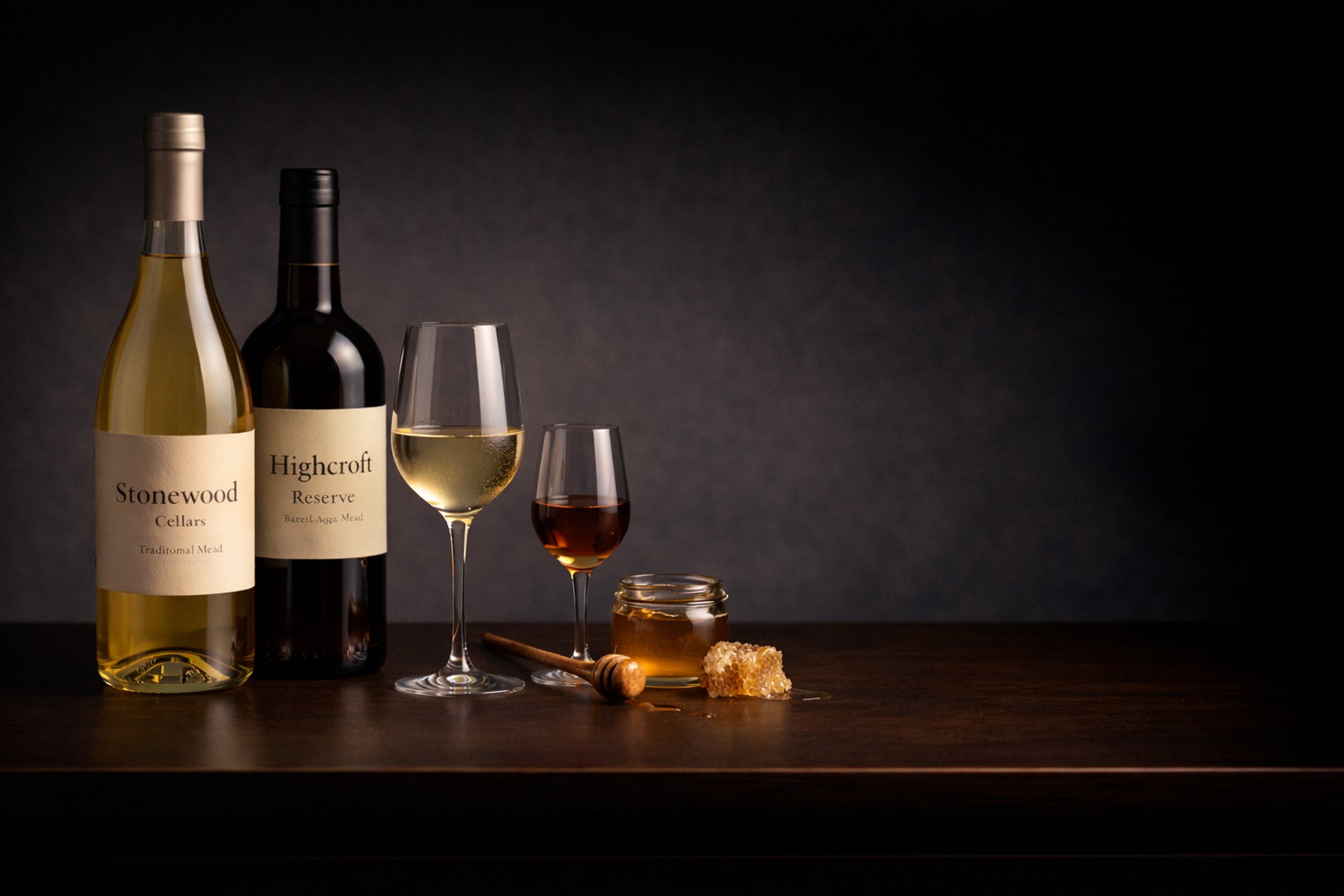
Mead — The Oldest Alcohol, Reimagined
Mead is often misunderstood. Too often framed as medieval or novelty, it is in fact one of the most versatile and structurally diverse fermented beverages in existence. Made from fermented honey, mead can be dry and mineral-driven, fruit-forward and aromatic, sparkling and precise, or layered and oak-aged.
Modern craft mead deserves the same structural respect as wine.
Sugar Source Defines the Category
Mead is fermented honey.
That’s it.
Like wine relies on grapes and cider on apples, mead’s fermentable sugar comes from honey — a source with immense botanical variation. Because honey reflects floral origin (clover, orange blossom, wildflower, buckwheat), terroir plays a role long before fermentation begins.
Key Points:
Fermented honey + water
Yeast converts sugar into alcohol
Botanical origin affects aroma and structure
Can be still or sparkling
Can be dry or sweet
Tone: Clean. Structured. No mythology.
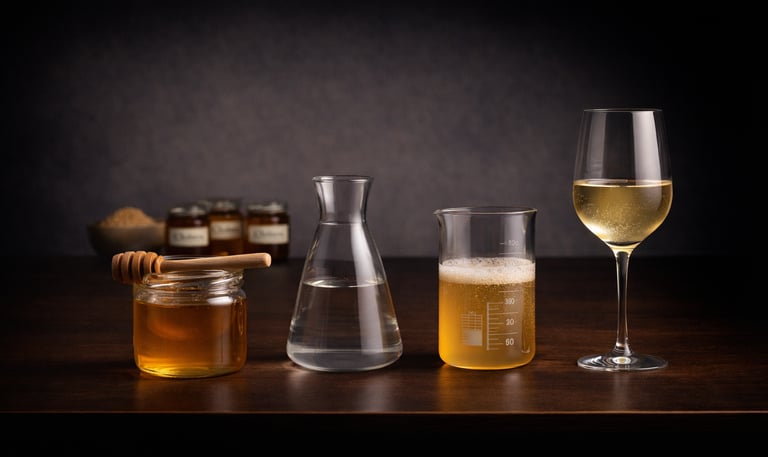
All of these beverages begin with the same biochemical process: fermentation.
The Major Mead Categories
Modern mead is not one thing. It branches into defined stylistic families.
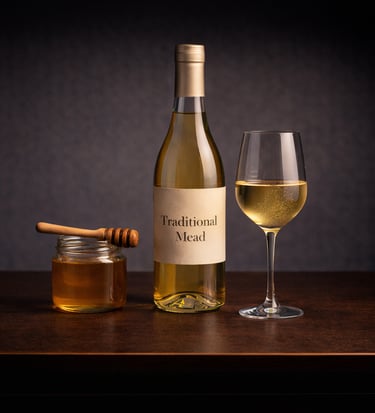
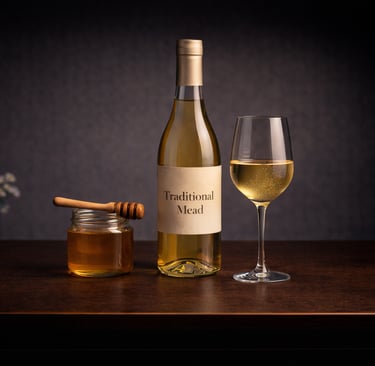
Traditional Mead
Honey, water, yeast.
The purest expression of honey source.
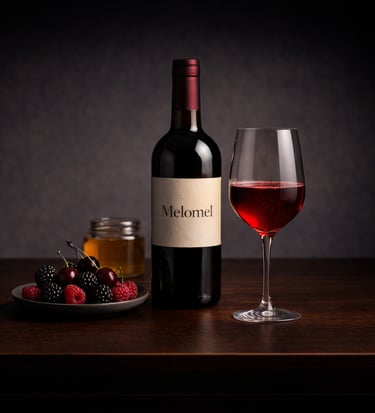
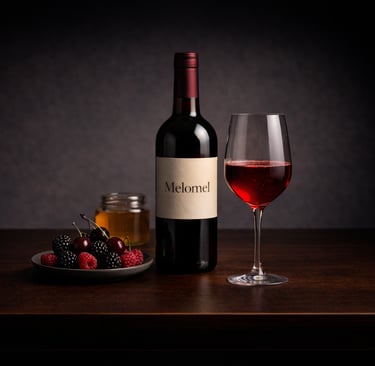
Melomel
Cyser
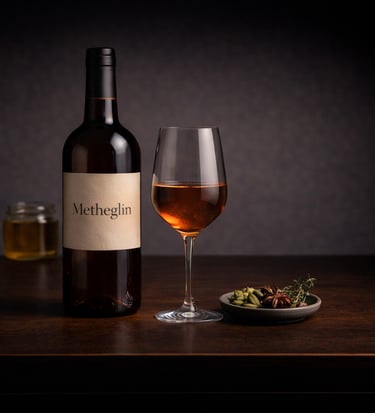
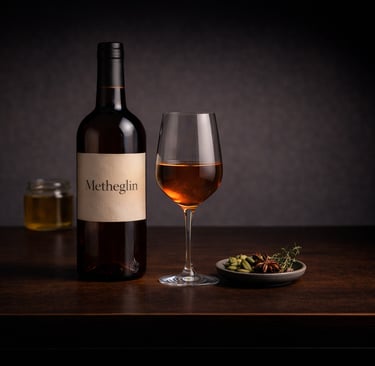
Metheglin
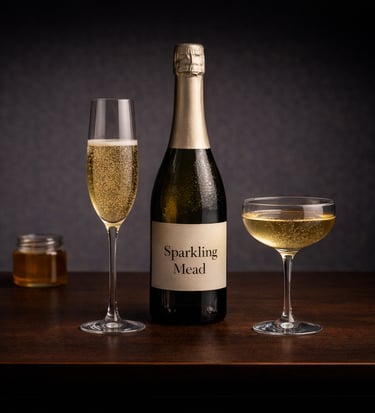
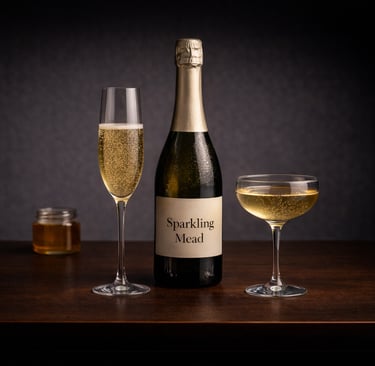
Sparkling Mead
Mead fermented with fruit.
(Berries are common. Think fruit-wine structure but honey-based.)
Mead fermented with herbs or spices.
Can be subtle and structured — not “holiday spice.”
Bottle-conditioned or force-carbonated.
Acidity-driven and increasingly modern.
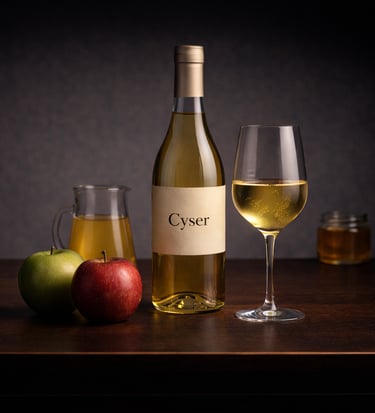
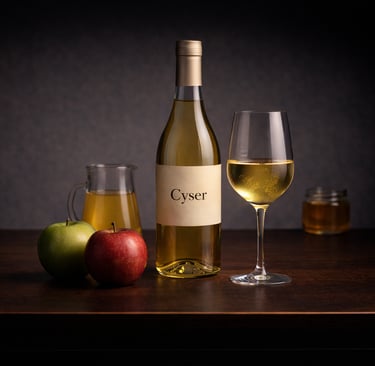
Mead fermented with apple juice.
Sits between cider and mead.
How Mead Is Structured
Mead follows structural logic similar to wine. Mead follows structural logic similar to wine structure and tasting.
Breakdown:
Alcohol
Often ranges 8–14% (can go higher).
Sweetness
Bone dry → off-dry → semi-sweet → dessert.
Acidity
Naturally lower than wine but can be adjusted through:
Fruit additions
Acid balancing
Fermentation control
Tannin
Usually low unless:
Oak-aged
Fruit skins used
Body
Light and crisp → full and viscous.
Mead Is Not a Renaissance Fair Beverage
Old perception:
Sweet
Heavy
Novelty
Rustic branding
Modern reality:
Clean fermentation
Stainless steel production
Precise acid balancing
Champagne-method sparkling
Barrel-aged expressions
How to Serve Mead Properly
Temperature Guidelines
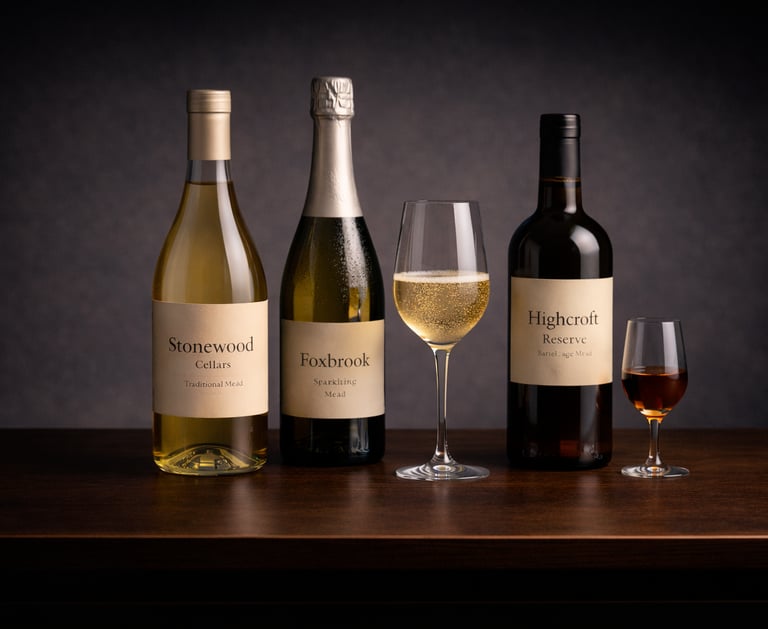
Dry / Sparkling Mead → Well chilled
Fruit-forward styles → Lightly chilled
Full-bodied / Barrel-aged → Cool room temp
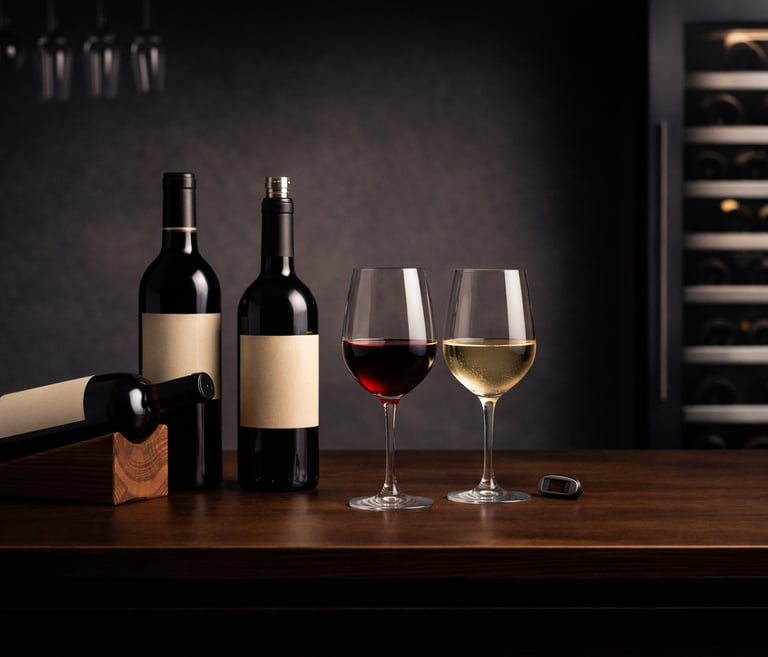
Glassware
A white wine glass works for most meads.
Sparkling mead performs best in champagne-style flutes.
Small dessert glass for high ABV
Storage
Store like wine
Sparkling upright
Still mead on side if corked
Mead Beyond the Bottle
Mead can function like:
A wine substitute in pairings
A base for low-ABV cocktails
A sparkling alternative to Champagne
A dessert wine replacement
Examples (without gimmicks):
Sparkling mead + citrus oil
Dry traditional mead as a vermouth alternative
Cyser in place of cider in cocktails
How to Choose Mead with Confidence
Focus on framework:
• Identify sweetness tolerance
• Identify fruit vs traditional preference
• Look for alcohol level
• Ask about fermentation style
• Avoid buying solely based on “Viking” branding
Build 2–3 style lanes you enjoy.
Mead at the Table
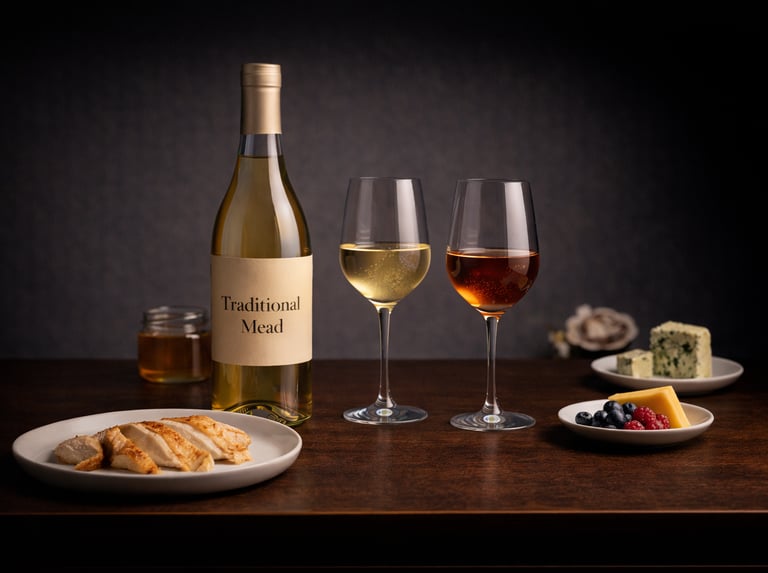
Mead excels in food pairing when structure is respected.
Dry Traditional Mead → Roast chicken, aged cheeses
Melomel → Duck, pork, berry reductions
Cyser → Pork, sharp cheddar, apple-based dishes
Sparkling Mead → Fried foods, oysters, salty snacks
Sweet Mead → Blue cheese, dessert pairings
Keep pairings intentional — not fantasy-themed.
The Category Worth Revisiting
Mead is neither primitive nor novelty. It is foundational.
Its range bridges wine, cider, and even elements of fortified and sparkling production. As more producers focus on precision rather than mythology, the category continues to evolve into something modern, disciplined, and respected.
The only outdated aspect of mead is the stereotype attached to it.
For those willing to approach it without preconception, it offers structural depth and stylistic diversity equal to any major fermented beverage.
And that makes it worth revisiting — seriously.
Responsible Enjoyment
Wine ranges from 11–15% ABV.
Serve with food.
Hydrate.
Pace consumption.
© 2026 Barkeepers Buzz. All rights reserved.
Barkeepers Buzz
Master cocktails, spirits, and bar knowledge with clarity and precision. Built for serious home enthusiasts.
Crafted with respect for the culture — and the responsibility that comes with it.
For educational purposes only. Intended for legal drinking age audiences. Please drink responsibly.
General Inquiries: