
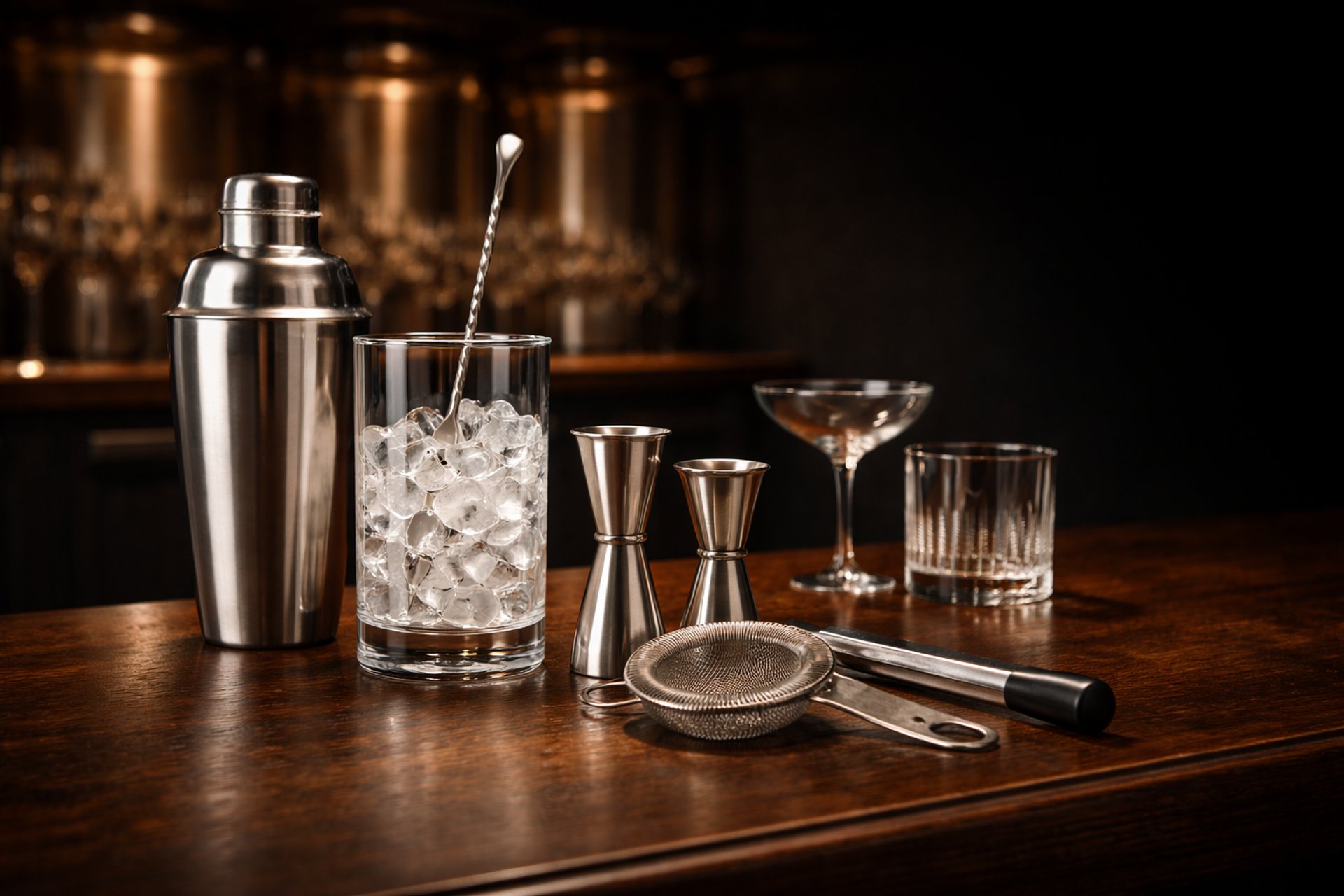
Best Bar Spoons
Stirring is structural.
Cocktail balance is not only determined by ingredients — it is shaped during dilution.
The stirring process controls temperature, integration, and texture.
A well-built bar spoon provides stability, reach, and smooth rotational control during service.
This guide evaluates construction quality, balance, shaft design, and long-term durability — focusing on tools designed for controlled stirring and repeatable technique.
No novelty handles.
No decorative gimmicks.
Only structural tools built for service.
Transparency Note: We may earn a commission from qualifying purchases. Product selections are made independently and are not influenced by manufacturers.
BEST Essential
Essential American Spoon
Best for: Most Home Bars
$$
BEST Refined
Refined Japanese Spoon
Best for: Frequent Use
$$ - $$$
BEST PREMIUM
Weighted European Spoon
Best for: Long-Term Build
$$$
Transparency Note: We may earn a commission from qualifying purchases. Product selections are made independently and are not influenced by manufacturers.
Why a Proper Bar Spoon Matters
Cocktail stirring is a controlled mechanical process.
A typical stirred drink build:
• 2 oz base spirit
• 1 oz modifier
• 2–3 dashes bitters
Stirring determines:
• dilution rate
• chilling speed
• integration of ingredients
• mouthfeel and clarity
If a spoon flexes, drags, or loses rotational control, stirring becomes inconsistent.
Precision stirring preserves:
• clarity in spirit-forward cocktails
• balanced dilution
• controlled temperature reduction
• repeatability across service
Proper stirring technique depends on both tool balance and dilution control.
For any bar focused on technique, a proper stirring tool is foundational.
Check out our guide - Stirring Cocktails Properly
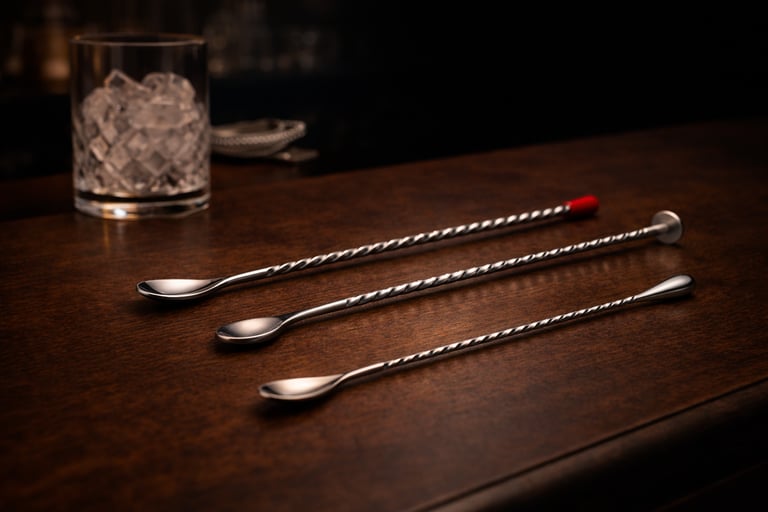
Types of Bar Spoons
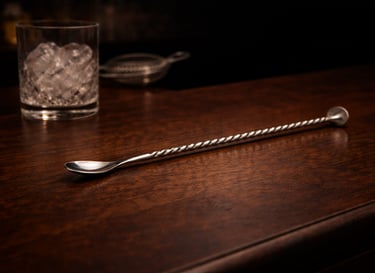
European Style Bar Spoon
Long twisted shaft with a small teardrop bowl.
Characteristics
• 30–33 cm typical length
• Spiral shaft for grip and rotation
• Balanced weight distribution
Advantages
• Smooth controlled stirring
• Ideal for mixing glasses
• Traditional professional design
Considerations
• Small bowl not ideal for scooping garnishes
• Requires proper stirring technique
Best for: Classic cocktail technique and controlled dilution.
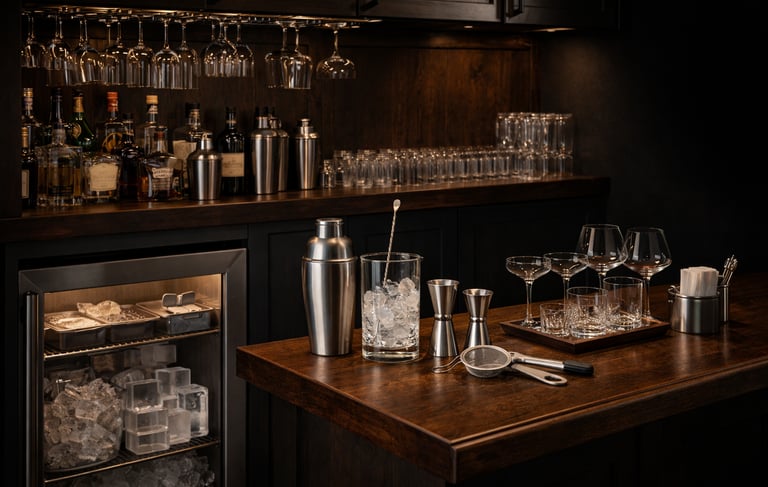
European style spoons are most commonly used alongside mixing glasses when preparing spirit-forward cocktails.
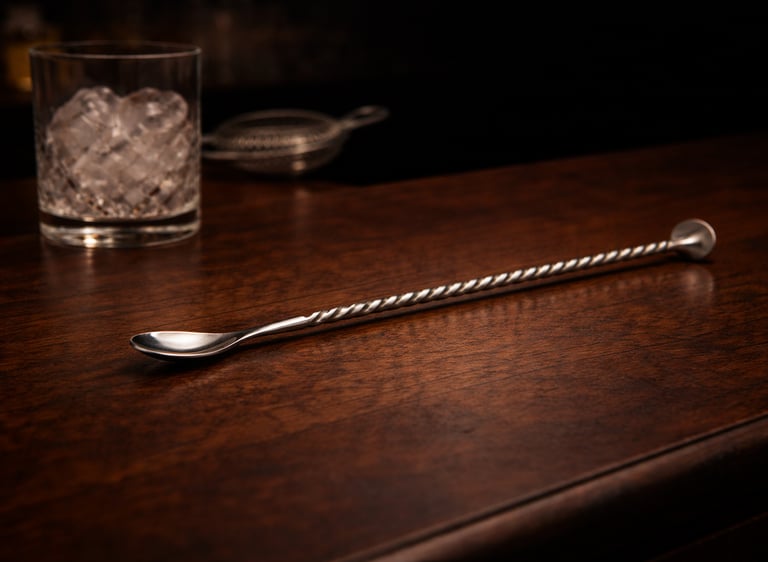
Japanese Style Bar Spoon
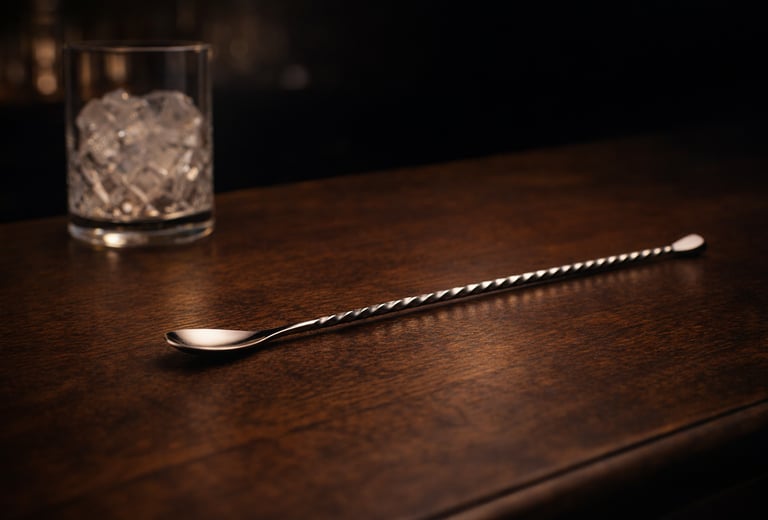
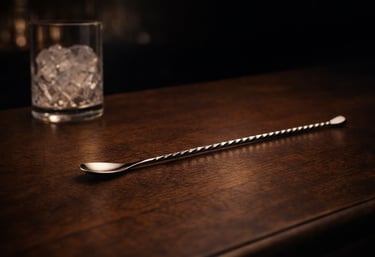
Slim profile with precision balance.
Characteristics
• Narrow shaft
• Often features weighted teardrop end
• Fine spiral pattern
Advantages
• High rotational control
• Excellent balance during long stirring cycles
• Preferred in craft cocktail environments
Japanese bar spoons are often favored by bartenders focused on precise stirring technique and dilution control.
Considerations
• Slightly lighter feel
• May feel delicate to beginners
Best for: Technique-focused bartenders and consistent stirring control.
American / Utility Bar Spoon
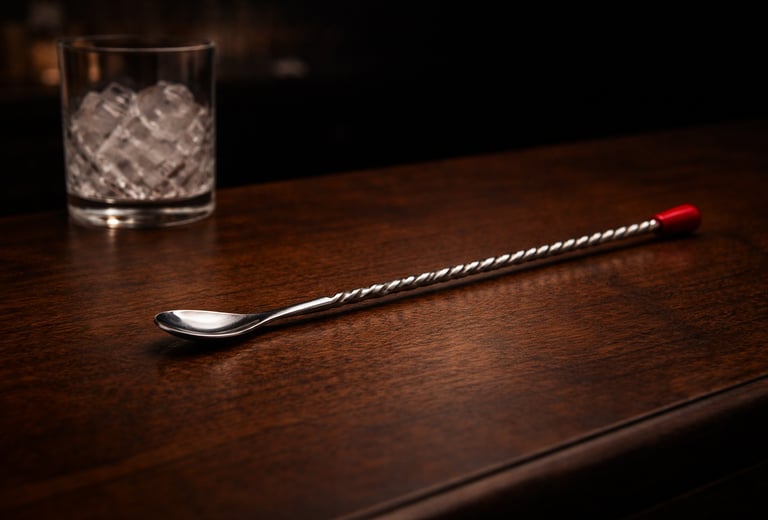
Heavier construction with multipurpose ends.
Characteristics
• Larger bowl
• Sometimes includes muddler or disk end
• Thicker shaft
Advantages
• Durable
• Multipurpose functionality
• Easy handling
Considerations
• Less refined stirring control
• Bulkier design
Best for: Home bars and casual mixing environments.
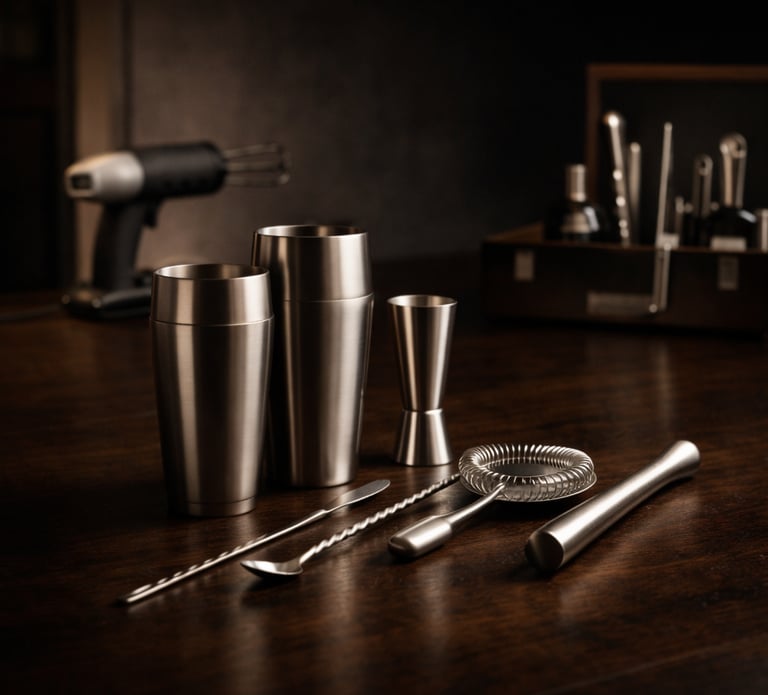
For many home setups, this style pairs well with a basic shaker and strainer system.
What to Look For
Material Quality
Choose
• 18/8 or 18/10 stainless steel
• One-piece construction when possible
• Smooth polished finish
Avoid
• plated finishes that chip
• hollow handles
• thin stamped metal
Durability determines lifespan and structural stability.
Durable construction matters across all professional bar tools, not just spoons.
Shaft Design
Prioritize
• evenly twisted spiral shaft
• comfortable rotational grip
• smooth continuous twist
Poorly cut spirals interrupt stirring motion.
Balance & Length
A proper bar spoon should
• feel balanced during rotation
• reach the bottom of mixing glasses
• maintain stable grip during extended stirring
Standard working length: 30–33 cm
Bowl Shape
Look for
• teardrop or oval bowl
• smooth edges
• precise curvature
The bowl should glide along the mixing glass without catching.
Capacity Considerations
Length Considerations
Common lengths
• 28 cm
• 30 cm
• 33 cm
For most mixing glasses, 30 cm spoons provide the best balance of control and reach.
Short spoons often force awkward stirring angles.
Long spoons improve:
• leverage
• stirring control
• glass clearance
Professional bars typically standardize around 30–33 cm tools.
Longer spoons also improve stirring control in deeper mixing glasses.
Choosing the Right Bar Spoon
Essential · Classic Spiral Bar Spoon
The essential tier focuses on dependable balance and clear spiral construction.
Features
• classic spiral shaft
• 30 cm length
• stainless steel construction
Best suited for developing consistent stirring technique and everyday cocktail preparation.
For bartenders developing technique, consistency in stirring motion is often more important than decorative design.
Refined · Weighted Teardrop Bar Spoon
Refined models improve stability through weight distribution and improved materials.
Features
• weighted end cap
• reinforced steel shaft
• smoother rotational control
Recommended for frequent use and controlled stirring during entertaining or advanced home bars.
Service Grade · Professional Precision Spoon
Service grade spoons emphasize structural integrity and long-term durability.
Features
• commercial-grade steel
• precise spiral machining
• optimized balance
Built for high-volume environments where consistent stirring is required throughout service.
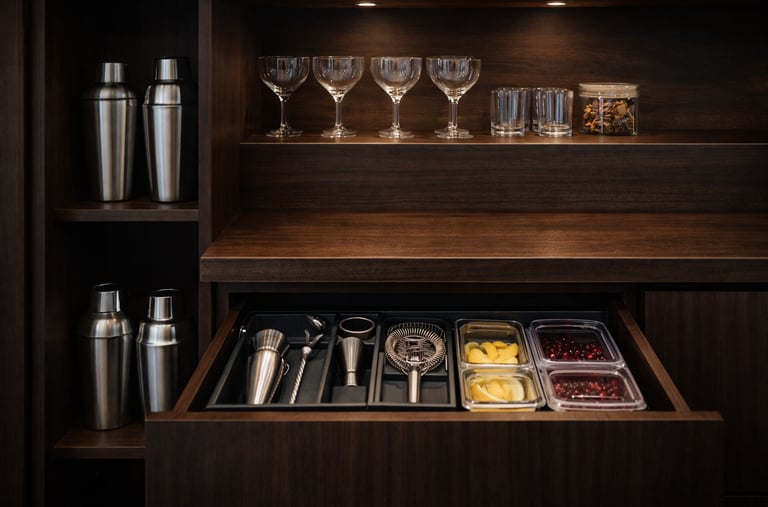
Precision stirring tools should be selected based on balance, shaft construction, and durability — not decoration.
Below is a structural breakdown of the categories that matter most.
The following selections represent the strongest examples within each structural tier.
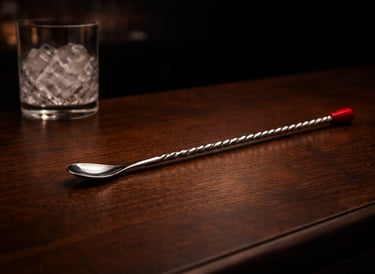
Essential American
Bar Spoon
BEST FOR: Home Bar Foundations
American style spoons emphasize simplicity and familiarity, making them an excellent starting point for developing stirring technique.
TYPE
American Style
OPPOSITE END
Red Plastic Tip
STABILITY
Balanced Control
LONGEVITY
Light-to-moderate use
WHY IT WINS Essential
Simple, durable construction
Comfortable stirring control
Familiar handling for beginners
USE CASE
Daily cocktail practice
Spirit-forward classics
Foundational home setups
8.5
OVERALL SCORE
Refined Japanese
Bar Spoon
BEST FOR: Everyday Use
Japanese style spoons prioritize rotational consistency and ergonomic weight distribution for repeatable cocktail preparation.
TYPE
Japanese Style
OPPOSITE END
Weighted Tear Drop
STABILITY
Enhanced Control
LONGEVITY
Repeat-Use Durability
WHY IT WINS Refined
Excellent rotational balance
Spiral grip for controlled stirring
Consistent performance stirring
USE CASE
High-frequency home bars
Entertaining guests
Precision-focused cocktail builds
8.9
OVERALL SCORE
Pro European
Bar Spoon
BEST FOR: EVERYDAY USE
Professional European spoons combine durable construction with a flat disk muddler end designed for light ingredient preparation.
TYPE
European Style
OPPOSITE END
Flat Disk Muddler
STABILITY
Weighted Control
LONGEVITY
Commercial Durability
WHY IT WINS Pro
Multi-function muddler end
Durable stainless steel construction
Reliable performance during service
USE CASE
High-volume cocktail routines
Structured bar systems
Long-term bar builds
9.2
OVERALL SCORE
How We Evaluate Bar Spoons
4. Bowl Construction
The bowl must
• glide along the glass surface
• maintain structural rigidity
• allow controlled ingredient movement
Poorly formed bowls catch against the mixing glass.
5. Durability
Daily bar environments require tools that resist
• bending
• corrosion
• wear from repeated washing
Commercial-grade stainless steel performs best over time.
6. Structural Simplicity
Decorative handles and novelty designs often compromise usability.
The best bar spoons remain
• clean
• balanced
• functional
Consistency matters more than ornamentation.
1. Stirring Control
A proper spoon should
• maintain smooth rotation
• glide along the glass wall
• avoid vibration or flex
Control determines dilution accuracy.
2. Shaft Construction
Spiral shafts must
• maintain consistent twist spacing
• provide grip without friction
• support controlled rotation
Irregular spirals interrupt stirring rhythm.
3. Balance & Weight Distribution
Balanced spoons
• rotate smoothly
• reduce wrist fatigue
• improve stirring precision
Weighted handles can improve stability during long stirring sessions.
Bar spoons should not be judged by appearance or branding alone.
Their performance depends on structural design, balance, and durability under repeated stirring cycles.
Our evaluation framework includes:
Frequently asked questions
What length bar spoon should I buy?
Most mixing glasses work best with 30–33 cm bar spoons.
Shorter spoons can make stirring awkward and reduce control.
Are weighted bar spoons better?
Weighted spoons can improve stability and rotational balance during stirring. However, well-balanced lightweight spoons can perform just as well depending on technique.
What material is best?
18/8 or 18/10 stainless steel provides the best combination of durability, corrosion resistance, and structural integrity.
Do spiral handles matter?
Yes. Spiral shafts provide grip and help guide smooth stirring rotation along the inside of the mixing glass.
Can I use a regular spoon?
Technically yes, but standard spoons lack the length, balance, and control required for proper cocktail stirring.
How long should a bar spoon last?
A quality stainless steel bar spoon should last many years with normal use.
Commercial-grade spoons are designed to withstand daily service environments.
Integration with the System
A bar spoon works alongside:
→ Best Cocktail Shakers
→ Best Mixing Glasses
→ Best Cocktail Strainers
→ Essential Tools for a Home Bar
→ Bar Tools
It is one of the five foundational instruments in a complete bar tool system.
Without precision, technique becomes guesswork.
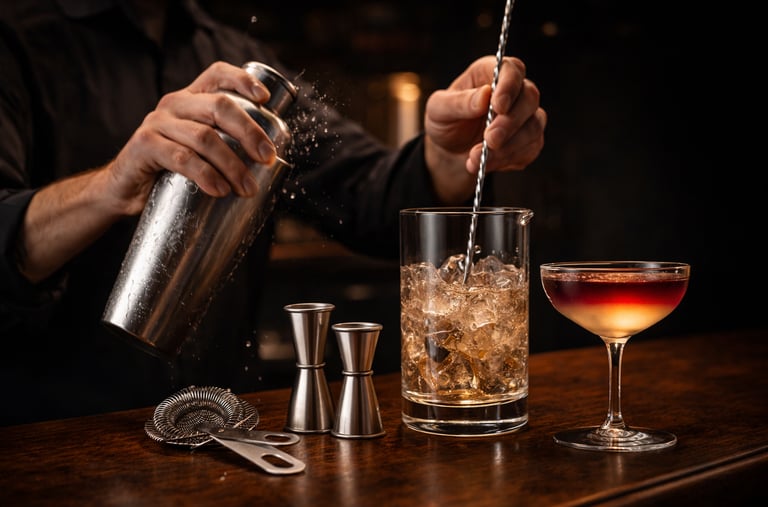

Building Intelligently
You do not need multiple bar spoons.
You need one that:
• maintains balance during stirring
• has a clean spiral shaft
• reaches the bottom of your mixing glass
• withstands repeated washing
From there, upgrades become preference rather than necessity.
Stirring is not decorative.
It is controlled dilution.
The goal of any bar tool is not decoration, but repeatable cocktail structure.
© 2026 Barkeepers Buzz. All rights reserved.
Barkeepers Buzz
Master cocktails, spirits, and bar knowledge with clarity and precision. Built for serious home enthusiasts.
Crafted with respect for the culture — and the responsibility that comes with it.
For educational purposes only. Intended for legal drinking age audiences. Please drink responsibly.
General Inquiries: