
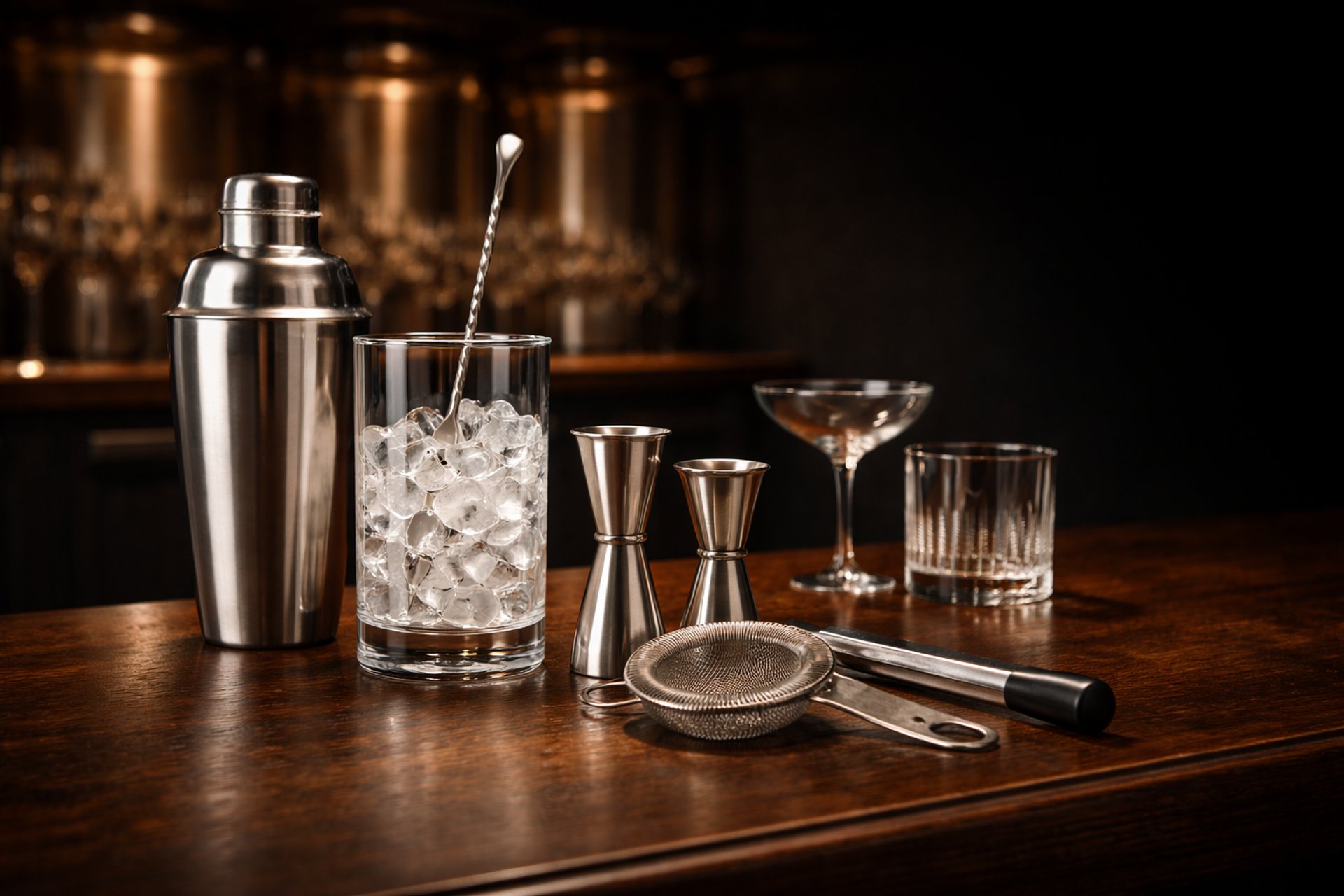
Mixing Glass vs Shaker
When making cocktails, one of the most important decisions is whether to stir or shake. This choice determines not only the technique you use, but also the tools—specifically, whether you’ll use a mixing glass or a shaker.
Mixing glasses are designed for control and refinement, while shakers prioritize speed and aeration. Understanding the difference helps you choose the right tool for each cocktail.
If you're building your setup, it’s helpful to understand how both tools fit into the larger system. Explore the full Bar Tools guide or see how everything connects in the Essential Home Bar setup.
Transparency Note: We may earn a commission from qualifying purchases. Product selections are made independently and are not influenced by manufacturers.
Key Differences
The main difference between a mixing glass and a shaker comes down to how they interact with the ingredients.
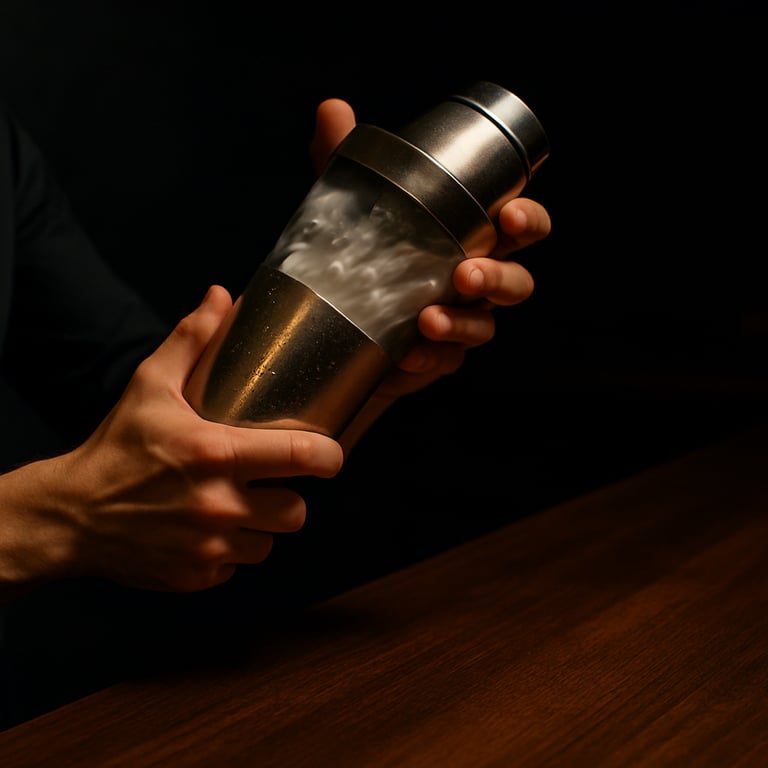
A mixing glass is used for stirring cocktails gently, preserving clarity and texture. A shaker is used for shaking cocktails aggressively, chilling quickly while introducing air and dilution.
These tools are not interchangeable—they are designed for completely different types of drinks.
For a deeper breakdown of stirring mechanics, see Why Stirred Cocktails Use Mixing Glasses.
Design Comparison
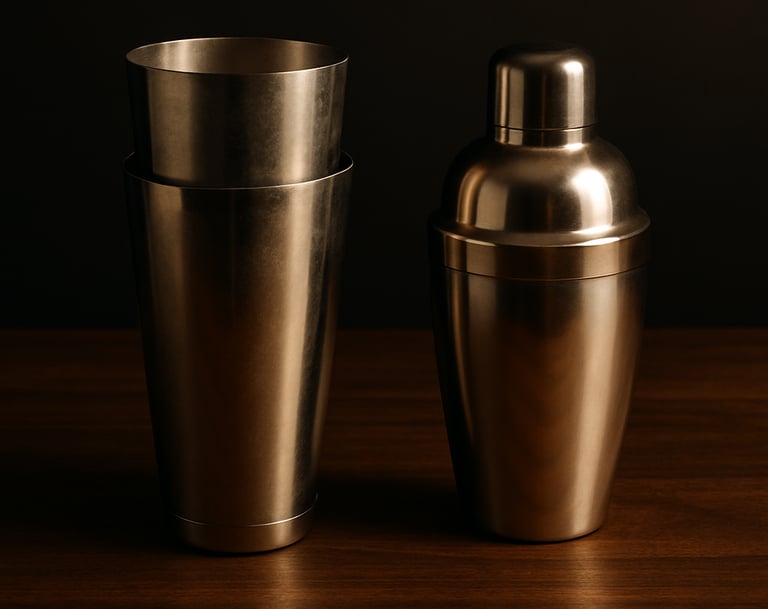
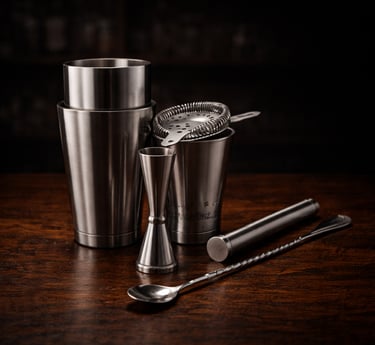
Shaker Design
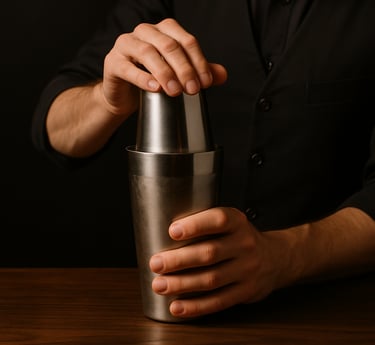
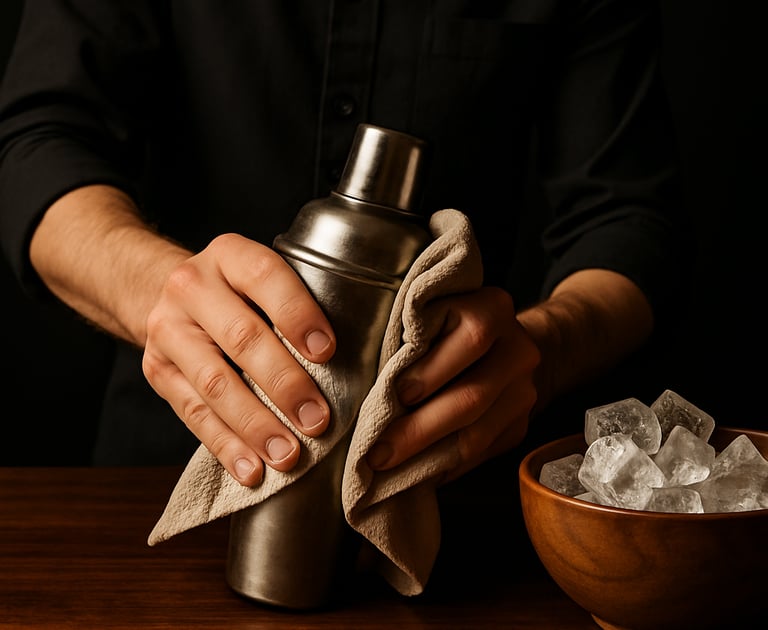
Cocktail shakers come in several forms, but all are built for sealing tightly and handling aggressive shaking.
They typically include:
a metal tin (or two)
a sealing mechanism
space for rapid ice movement
Shakers are designed to chill drinks quickly and mix ingredients thoroughly. This makes them essential for cocktails that include citrus, juices, or egg whites.
To explore shaker styles in more detail, see Cocktail Shaker Types Explained.
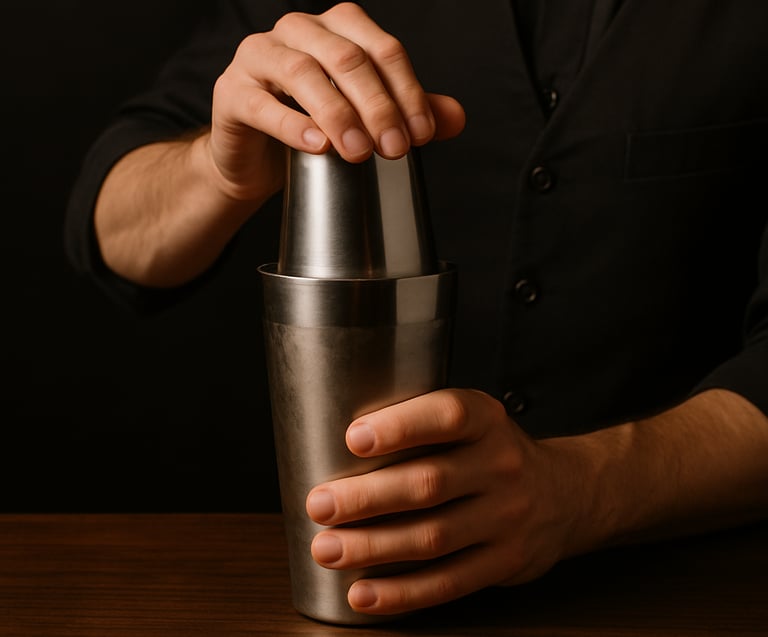
Mixing Glass Design
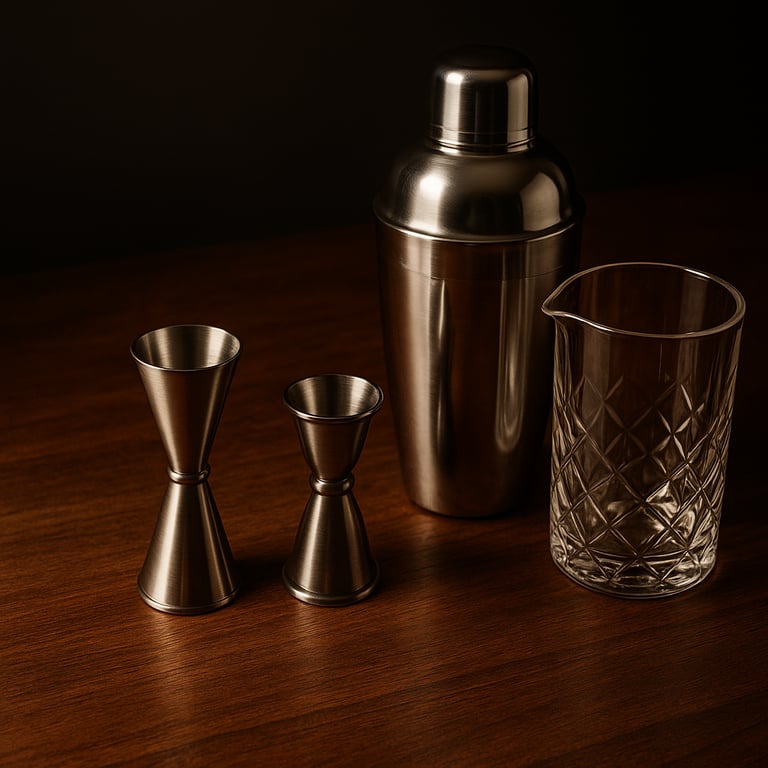
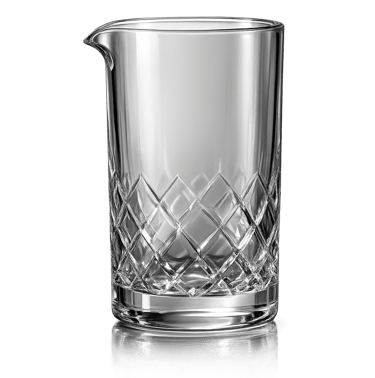
A mixing glass is typically made from thick, durable glass with a wide opening and a pouring spout. It’s designed to hold ice and liquid while allowing a bar spoon to move smoothly during stirring.
Its weight and stability make it ideal for controlled movement, helping bartenders achieve consistent dilution and temperature.
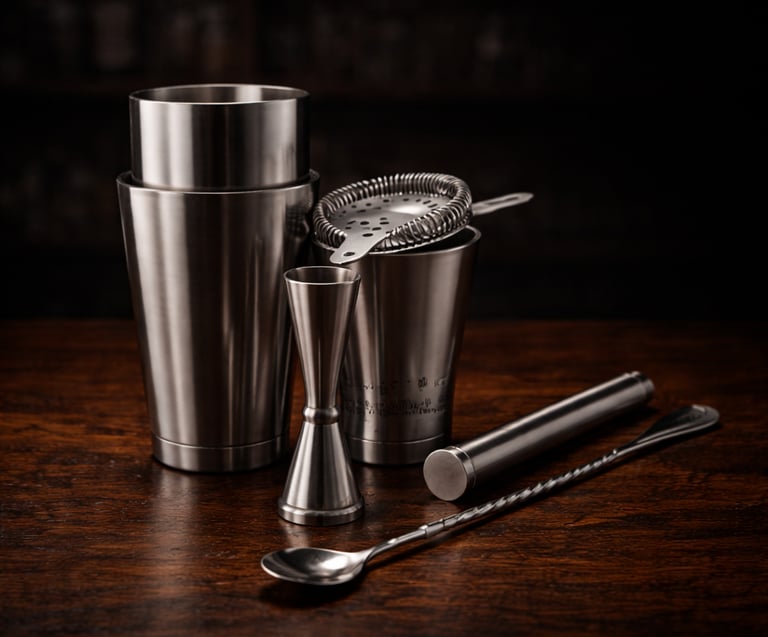
Mixing glasses are almost always paired with strainers for a clean pour. To understand strainer options, see Cocktail Strainer Types Explained.
Performance Comparison
Dilution Control
Mixing glasses provide precise control over dilution. Because stirring is gradual, you can stop at the exact moment the cocktail reaches balance.
Shakers dilute faster due to aggressive movement, which can be beneficial for certain recipes but harder to control precisely.
To understand this better, explore Why Stirring Controls Dilution.
Texture & Clarity
Mixing glasses produce crystal-clear cocktails with a smooth, silky texture. This is ideal for spirit-forward drinks like Manhattans and Negronis.
Shakers introduce air into the drink, creating a lighter, slightly frothy texture. This works well for citrus-based cocktails.
For a deeper look at the science, see Stirring vs Shaking Science.
Speed
Shakers are faster. They chill drinks quickly and are better suited for high-volume or fast-paced environments.
Mixing glasses are slower but offer greater control and refinement.
Ease of Use
Shakers are generally easier for beginners. They are forgiving and require less precision.
Mixing glasses require more technique, especially when learning proper stirring methods.
To improve your technique, see How to Stir Cocktails Properly.
Who Each Shaker Is For
Choosing between these two designs often comes down to experience level and personal preference.
Shaker
Best for:
citrus-based cocktails
fast mixing
beginners
high-volume drink preparation
Shakers are versatile and essential for a wide range of cocktails.
Mixing Glass
Best for:
spirit-forward cocktails
precise dilution control
refined presentation
experienced bartenders
Mixing glasses are ideal when clarity and texture matter most.
Common Problems and Mistakes
Many issues come from using the wrong tool for the job.
Common mistakes include:
shaking cocktails that should be stirred
under-stirring and failing to chill properly
over-diluting drinks when shaking
poor sealing when using shakers
These mistakes affect balance, texture, and overall drink quality.
To avoid these issues, review Common Stirring Mistakes and learn proper technique.
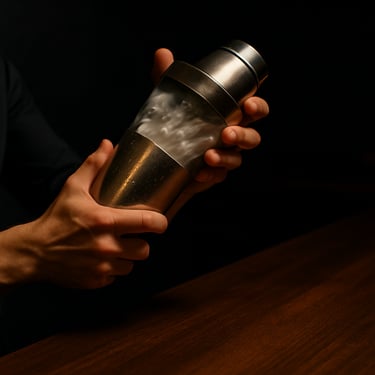




THE SHOWDOWN
Mixing Glass
Cocktail Shaker

✓ Precise dilution control
✓ Smooth, clear cocktails
✓ Ideal for stirred drinks
✓ Fast chilling
✓ Ideal for citrus cocktails
✓ Beginner-friendly
Final Recommendation
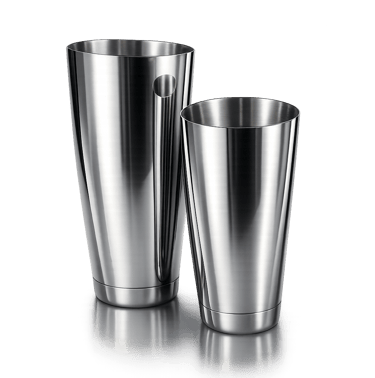
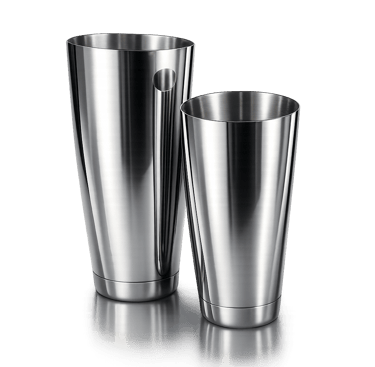
Both Boston and Cobbler shakers are capable of producing excellent cocktails when used correctly.
Boston shakers are typically preferred by professional bartenders because they are durable, simple, and rarely experience mechanical issues.
Cobbler shakers remain a practical option for beginners who want an integrated tool that does not require additional strainers.
For most home bartenders building a long-term setup, the Boston shaker eventually becomes the more versatile choice. However, the best shaker is ultimately the one that fits comfortably into your workflow and encourages you to keep making drinks.
If you want to explore the top-performing shaker models currently available, see our full guide:
© 2026 Barkeepers Buzz. All rights reserved.
Barkeepers Buzz
Master cocktails, spirits, and bar knowledge with clarity and precision. Built for serious home enthusiasts.
Crafted with respect for the culture — and the responsibility that comes with it.
For educational purposes only. Intended for legal drinking age audiences. Please drink responsibly.
General Inquiries: