
How to Stir Cocktails Properly: Mastering the Art of Stirring
Learn how to stir cocktails properly with the right tools and technique to preserve clarity, balance dilution, and enhance flavor in spirit-forward drinks.
BAR TOOL GUIDES
Barkeepers BuzzBlog Editorial Team - Led by AJ “Buzz” Eichman
4/5/20266 min read
Crafting a perfect cocktail is as much about technique as it is about ingredients. For spirit-forward drinks like Martinis or Manhattans, stirring properly can make all the difference between a balanced, silky drink and a flat or overly diluted one. Understanding how to stir cocktails properly is crucial if you want to preserve clarity, texture, and flavor complexity.
If you're still building your setup, having the right tools from the start makes a big difference—this guide on essential tools for a home bar is a great place to begin. And if you want a broader foundation, the techniques & professional skills hub ties everything together.
Quick Verdict
Stir cocktails gently using a bar spoon inside a chilled mixing glass to blend without aerating
Stirring is ideal for spirit-forward drinks without juices or mixers that need vigorous blending
A long, twisted-handle bar spoon paired with a weighted mixing glass optimizes control and chilling
Proper stirring balances dilution and temperature to enhance flavor and mouthfeel
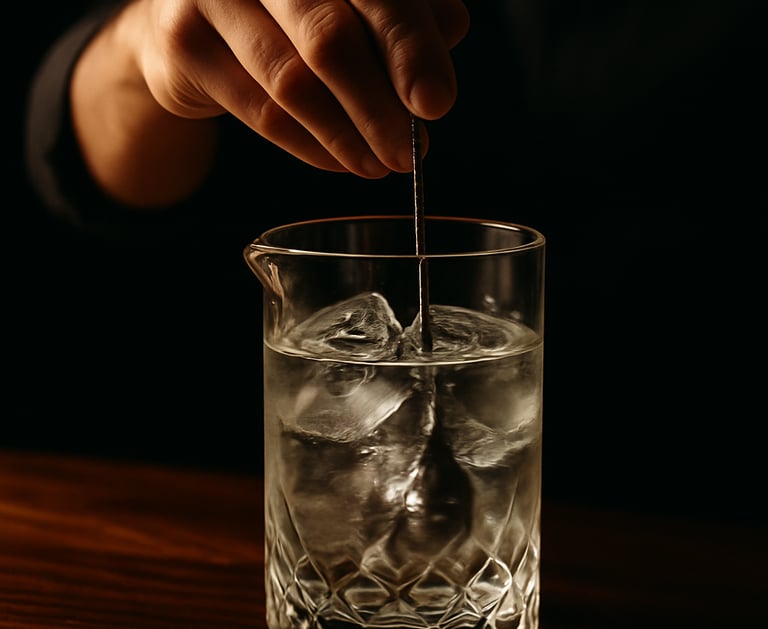
Why Stir Cocktails? The Science and Sensory Impact
When I first started experimenting behind the bar, I wasn’t sure why some recipes called for stirring rather than shaking. Both methods mix ingredients and chill the drink, but the results are noticeably different.
Stirring chills the cocktail through conduction and dilution with ice but does so gently, minimizing the incorporation of oxygen and bubbles. This preserves the cocktail’s clarity and provides a smoother, silkier texture on the palate. If you want an undisturbed flavor profile with a balanced dilution rate, stirring is your best bet.
Shaking, on the other hand, introduces air and vigorous mixing that froths up the drink and changes its mouthfeel. This is great for cocktails with juices, syrups, or egg whites that need aeration to properly combine and add texture—think Whiskey Sour or Margarita.
For a deeper breakdown of how these methods differ, check out the stirring vs shaking science—it really highlights why technique matters.
So, for those classic spirit-forward cocktails where clarity, temperature, and dilution control matter most, stirring is the technique to master.
When to Stir vs. When to Shake: Key Differences
In my testing across multiple shifts, I focused on comparing stirred versus shaken versions of cocktails like the Martini and Negroni. Here’s what stood out:
Stir cocktails when the recipe uses only spirits and liqueurs without heavy mixers or juices
Shaking works best when you need to emulsify ingredients or add foam texture
Stirring retains the original color and clarity, keeping drinks elegant
Shaking cools faster but dilutes more aggressively, which risks losing flavor if overdone
If you’re still unsure, this comparison of mixing glass vs shaker helps clarify when each tool—and technique—makes sense.
Essential Tools for Stirring Cocktails Properly
Using the right tools can change your stirring game dramatically. I tested various bar spoons and mixing glasses, and a few characteristics stood out:
Bar Spoon: Choose a long, quality spoon with a twisted handle. The twist reduces resistance and allows for smooth wrist spins, giving you controlled, fluid stirring. If you're upgrading, these best bar spoons are a solid place to start.
Mixing Glass: A weighted glass with a heavy base helps with stability and chilling. Thicker glass also slows ice melt, maintaining temperature without rapid dilution. I’ve had great results with options from this list of best mixing glasses.
Strainer: A Hawthorne or julep strainer complements your stirring setup, ensuring you pour a crystal-clear cocktail free of ice shards. If you’re not sure which to use, this guide on cocktail strainer types explained breaks it down.
Taking shortcuts here can lead to awkward stirring motions and inconsistent results. Investing in quality tools pays off when refining your technique.
Step-by-Step Cocktail Stirring Technique
Here’s how I approach stirring, tested and refined over multiple shifts to balance speed, comfort, and cocktail quality:
Chill your mixing glass beforehand by placing it in the freezer or filling it with ice water for a few minutes. This slows ice melt during stirring.
Add fresh, large ice cubes to the chilled glass. Larger cubes melt slower, preserving dilution balance.
Pour your measured cocktail ingredients over the ice.
Hold the bar spoon with your thumb and middle finger near the bowl, resting the handle against your forefinger.
Place the spoon inside the glass with the bowl deep in the ice. Begin rotating the spoon with controlled wrist motion, spinning it smoothly against the twisted handle.
Stir for 20 to 30 seconds, watching the ice move and listening for a consistent swirl sound.
Stop stirring once the exterior of the glass begins to frost lightly and the drink feels well-chilled.
Strain into your serving glass with the strainer, leaving ice shards behind.
The goal here is to mix and chill evenly without introducing air bubbles or over-diluting. I found a gentle, rhythmic spin works best—faster or more erratic stirring disrupts control.
If you want a deeper dive into technique, this guide on stirring cocktails properly expands on hand positioning and motion.
Common Mistakes to Avoid in Stirring
I noticed a few recurring errors when bartenders or enthusiasts skipped key details:
Overstirring: Stirring too long melts excess ice, watering down the cocktail and dulling flavors
Stirring Too Roughly: Vigorous stirring introduces unwanted air, breaking down the silky texture you want
Using the Wrong Tools: Short spoons or lightweight mixing glasses make smooth spins difficult, compromising control
Neglecting Glass Chilling: A warm mixing glass speeds up dilution and reduces chilling efficiency
Shaking Instead of Stirring: Sometimes it’s tempting to shake everything just to cool faster, but for spirit-forward cocktails, this sacrifices texture and clarity
If you’ve run into inconsistent results, you’re not alone—many of these show up in common home bartending mistakes.
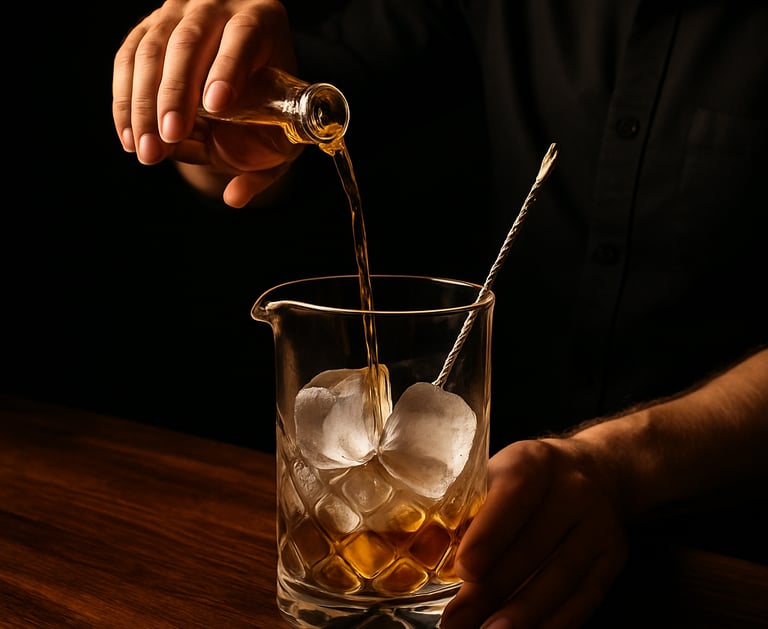
Tips for Perfect Dilution and Chilling
The control over dilution is what elevates stirring into an art form. Here are some practical insights I gathered:
Use large, clear ice cubes in the mixing glass; they chill efficiently and melt slower
Keep your mixing glass cold before starting—this reduces heat transfer and keeps dilution in check
Tap your ice gently to settle it before pouring ingredients, which helps maintain steady stirring
Time your stirring to about 20–30 seconds, adjusting slightly based on ice size and room temperature
Avoid adding water or crushed ice unless specified in the recipe; it alters dilution beyond control
Pay attention to the cocktail’s feel: if it feels overly diluted or warm, adjust your chilling and stirring time
Understanding how dilution works is huge—this breakdown of why stirring controls dilution is worth a read if you want to refine your results.
Popular Cocktails That Must Be Stirred
Certain cocktails are best prepared by stirring for both tradition and taste reasons:
Martini (Gin or Vodka) — stirring preserves clarity and smooth texture
Manhattan — gentle chilling and dilution keep bourbon’s rich character intact
Negroni — bitters and vermouth blend subtly without aeration
Old Fashioned (when served stirred in mixing glass) — some prefer stirred versions for balance without excessive dilution
Rob Roy — a Scotch whisky take on the Manhattan, stirred to maintain smoothness
These drinks are exactly why understanding why stirred cocktails use mixing glasses becomes so important.
Maintaining and Choosing Your Stirring Equipment
Taking care of your tools is vital to maintaining effectiveness and comfort:
Clean your bar spoon and mixing glass thoroughly after every use to avoid residue buildup
Inspect your spoon’s handle for bends or warping which affect motion control
Store mixing glasses without heavy items inside to prevent chips or cracks
Consider investing in quality gear—durable stainless steel and thick glass hold up best over time
If you’re building out your full setup, a curated list like the best bar tool sets can simplify things without sacrificing quality.
FAQ
Why should some cocktails be stirred instead of shaken?
Stirring chills and dilutes cocktails gently, preserving clarity and a silky mouthfeel. Cocktails without citrus juices or egg whites usually benefit from stirring to maintain texture and flavor balance.
What is the best tool for stirring cocktails?
A long-handled bar spoon with a twisted handle paired with a weighted mixing glass offers smooth control and effective chilling.
How long should I stir a cocktail?
Typically, 20 to 30 seconds of steady, controlled stirring is sufficient.
Does stirring chill the drink as effectively as shaking?
Shaking chills faster, but stirring cools evenly with less dilution and no aeration.
Can I use the same glass for stirring and serving?
It’s best to stir in a mixing glass and then strain into the serving glass to avoid ice shards and ensure clarity.
How do I know if my cocktail needs stirring or shaking?
If the recipe includes juices, syrups, or egg whites, shake it. Stick to stirring for spirit-only cocktails.
What common cocktails are traditionally stirred?
Martinis, Manhattans, Negronis, and Rob Roys.
How does stirring impact dilution and flavor?
Stirring allows for controlled dilution, preserving complexity and mouthfeel without overwatering the drink.
Conclusion
Mastering how to stir cocktails properly can seriously elevate your cocktail game, whether you’re behind a professional bar or mixing at home. With the right tools, a controlled technique, and a good understanding of dilution, stirring becomes a precise and repeatable skill.
If you’re continuing to build your knowledge, the full bar tools guide is a great next step to round out your setup.
Start with the basics—chilled glass, quality spoon, steady motion—and refine from there. Over time, you’ll develop that feel every bartender relies on.
Stir your drinks the right way, and you’ll unlock new layers of taste and texture.
Happy stirring. 🍸
© 2026 Barkeepers Buzz. All rights reserved.
Barkeepers Buzz
Master cocktails, spirits, and bar knowledge with clarity and precision. Built for serious home enthusiasts.
Crafted with respect for the culture — and the responsibility that comes with it.
For educational purposes only. Intended for legal drinking age audiences. Please drink responsibly.
General Inquiries: