
Common Home Bartending Mistakes (And the Gear That Fixes Them)
Discover common home bartending mistakes and the essential gear that fixes them, ensuring precise cocktails and an organized bar setup every time.
BAR TOOL GUIDES
Barkeepers BuzzBlog Editorial Team - Led by AJ “Buzz” Eichman
3/1/20265 min read
Bartending at home is a great way to serve up drinks that impress friends and family. But I’ve seen plenty of folks stumble over the same mistakes—mistakes that hurt the quality of their cocktails and slow down prep. Usually, it boils down to missing the right tools or using the wrong ones inside a well-structured bar tools setup. In this guide, I’ll walk you through the most common home bartending mistakes and show you what gear makes a real difference, not just now but over the long haul. Small errors in measurement, dilution, and agitation ripple across classic cocktails and mixed drinks.
Quick Verdict: Mistakes and Fixes at a Glance
Using glasses as ice scoops? That risks cracking and contamination—stick with a dedicated ice scoop.
Free-pouring leads to uneven cocktails—measure with a jigger for consistent results.
Holding glasses by their rim spreads germs—grab them by the base or exterior.
Shaking carbonated ingredients causes messy blowouts—learn proper shaker technique and use the right gear.
A messy, cluttered workspace slows you down—an organized bar tool set keeps everything in reach.
The Danger of Using Glasses as Ice Scoops
One mistake I see over and over: people grabbing whatever’s handy—a glass or shaker—to fish ice out of the bin. It might seem fine at first, but this one can cost you.
Glasses chip or crack when you scoop hard ice, which can send shards into your batch.
A single break means dumping the ice bin since you can’t risk contamination—wasting ice and time.
Safe ice handling is part of broader ice and temperature control — something many home bartenders overlook.
Dedicated ice scoops eliminate this risk and keep things hygienic and efficient.
Pair a scoop with one of the best ice storage bins to keep cubes clean and organized.
Gear fix: Invest in a well-made ice scoop—stainless steel or tough plastic with a solid grip. Keep it solely for ice handling. It’s the kind of practical upgrade that pays off over years.
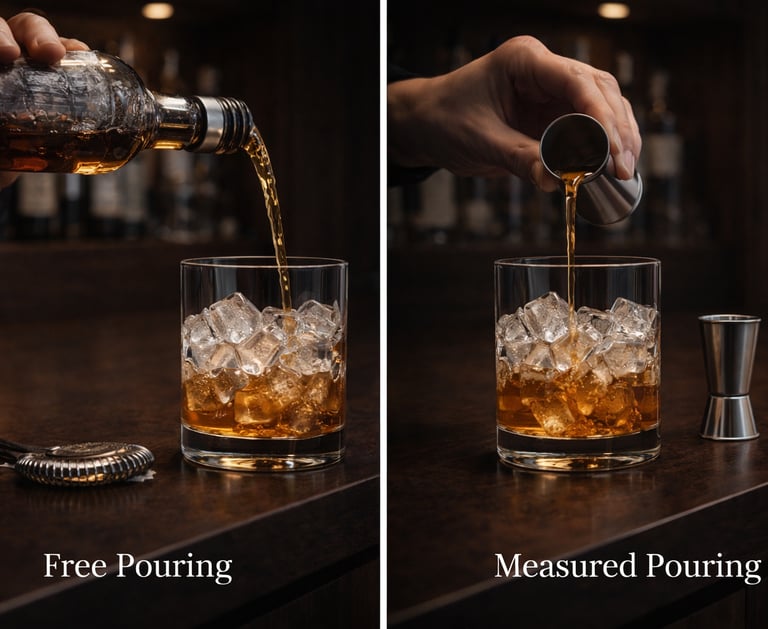
Measuring Matters: Why Free-Pouring Falls Short
Skipping the jigger to free-pour is common—and understandable if you’re just having fun. But if you want consistent cocktails, it’s a pitfall.
Free-pouring often leads to too much or too little liquor or mixers, throwing off balance.
Over-poured drinks tend to be harsh and strong; under-poured ones end up watery and dull.
Gear fix: A jigger, with its double-sided standard measures, brings precision and confidence. It’s especially useful when you want to nail classic recipes or impress guests. For a long-term home bar setup, check our best jiggers guide, a good jigger is non-negotiable. If you're unsure which style to choose, see our comparison of Japanese vs Bell Jiggers.
Proper Glass Handling: Hygiene and Chilling
You’d be surprised how often mishandling glassware trips people up. It’s not just about looks—there’s hygiene and taste involved.
Touching rims or the inside spreads germs and leaves fingerprints.
Neglecting to chill glasses for cold cocktails can dull flavors and presentation.
Gear fix: Make a habit of holding glasses by the base or outside. For certain drinks, chilling glasses in the freezer or using a quick ice water rinse makes a subtle but noticeable difference. Some bartenders use freezer bags to chill without fogging.
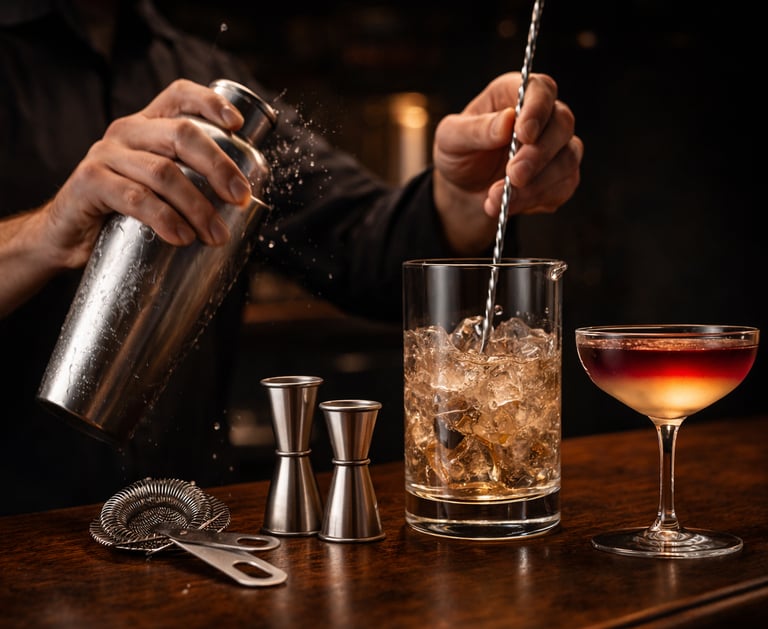
Shaking Mistakes and How to Avoid Them
Shaking is an art that needs the right tools and some practice. Beginners often get tripped up by:
Shaking carbonated ingredients inside a sealed shaker, leading to pressure buildup and spills.
Over-shaking, which waters down the drink more than necessary.
Shaking with the shaker opening or smaller tin facing guests, increasing spill risk.
Gear fix: A Boston shaker set — explained in our Boston vs Cobbler Shakers guide — offers a tight seal and easy separation. Learn to get the seal right and keep carbonated elements out of the shaker till after mixing. This isn’t about flash—it’s about reliable, clean results for the long run.
And remember, not every drink should be shaken — our breakdown of stirring cocktails properly explains when gentler mixing is better.
Disorganized Workstation Slows You Down
Even solid skills can fall flat without an efficient setup.
Digging around for tools or ingredients wastes time and breaks your flow.
A cluttered bar increases accidents and unnecessary motion.
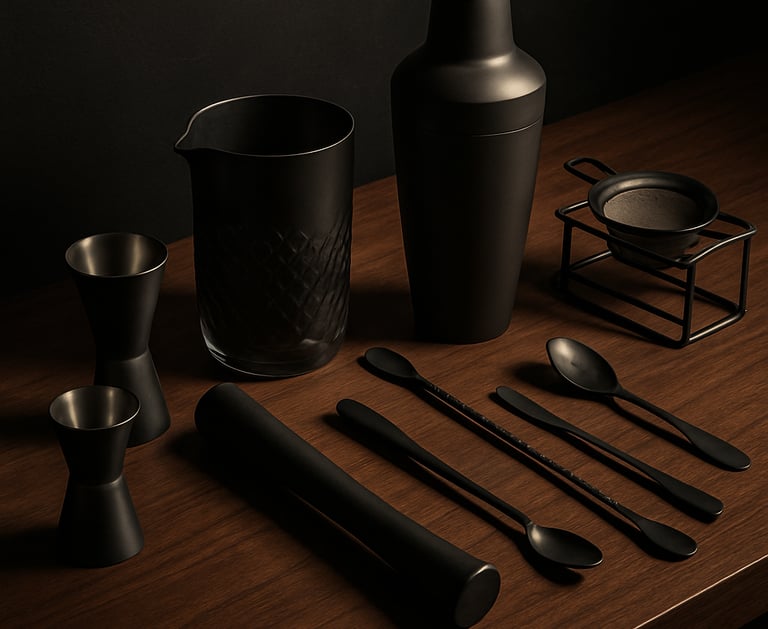
Gear fix: A complete bar tool set paired with organizers keeps jiggers, shakers, mixing glasses, and more right where you need them. This “mise en place” approach—French for preparing everything ahead—keeps you sharp, productive, and confident every time you pour.
Common Home Bartending Mistakes
Using glasses or shakers as ice scoops
Free-pouring without measuring
Handling glasses by the rim
Not chilling glasses when the recipe calls for it
Shaking carbonated ingredients
Over-shaking or shaking when stirring works better
Shaking with the shaker’s opening facing guests
Disorganized bar station
Overfilling or underfilling glasses
Linking Your Bar Gear to Better Drinks
If you’re thinking about upgrading your home bar, starting with a solid bar tool set is smart—these kits cover the essentials to avoid the mistakes we’ve talked about.
For better shaking, a quality cocktail shaker made for secure seals and ergonomics matters. It’s the tool that helps keep your technique clean and efficient.
And don’t overlook the value of a trusted jigger to measure precisely and keep your cocktails balanced every time.
FAQ about Home Bartending Mistakes and Gear
1. What is the most dangerous home bartending mistake?
Using glasses as ice scoops tops the list. Glass can break and contaminate the ice, forcing you to toss the whole batch—wasting product and risking injury.
2. Why should I measure cocktails instead of free-pouring?
Measuring ensures consistent, balanced cocktails. Free-pouring leads to guesswork, causing drinks that may be too strong or weak.
3. How can I avoid contaminating glasses?
Hold glasses by the base or outside, never the rim or inside. Keep them clean and chill them when your recipe calls for it.
4. Can I shake cocktails with carbonated ingredients?
No. Shaking carbonation inside a sealed shaker builds pressure—it can leak or even cause the shaker to burst. Add carbonation after shaking.
5. What is mise en place and why is it important?
Organizing your ingredients and tools before starting keeps you efficient, focused, and cuts down mistakes during service.
6. Which tools should every home bartender have?
A good starter kit includes a jigger, ice scoop, shaker (Boston or cobbler style), mixing glasses, muddler, and stirring spoons.
7. How do I chill glasses at home?
Pop them in the freezer 10–15 minutes before use, or fill briefly with ice water then drain. Some bartenders use freezer bags to avoid condensation.
Mistakes happen, and that’s how you learn. But using the right bar tools and sticking to practical techniques makes a big difference in the quality and enjoyment of your home bartending. Focus on safe ice handling, precise measuring, proper shaking, and keeping your station organized—and your guests will notice the difference every time.
© 2026 Barkeepers Buzz. All rights reserved.
Barkeepers Buzz
Master cocktails, spirits, and bar knowledge with clarity and precision. Built for serious home enthusiasts.
Crafted with respect for the culture — and the responsibility that comes with it.
For educational purposes only. Intended for legal drinking age audiences. Please drink responsibly.
General Inquiries: