
Japanese vs Bell Jiggers: Accuracy Comparison
Explore the accuracy differences between Japanese and Bell jiggers, highlighting how precision impacts your cocktail making with these popular measuring tools.
BAR TOOL GUIDES
Barkeepers BuzzBlog Editorial Team - Led by AJ “Buzz” Eichman
3/1/20264 min read
When precision matters in making cocktails, the tools you pick to measure spirits can really change the game — especially within a refined bar tools setup. Two of the most commonly used jigger styles—Japanese and Bell jiggers—each bring their own shapes and features to the bar. But which one actually nails accuracy better when measuring your pours? I took a closer look at both, putting accuracy, practicality, and ease of use to the test. Accurate measuring directly impacts balance, dilution, and structure across serious cocktails and mixed drinks.
Quick Verdict
Japanese jiggers tend to offer better accuracy with detailed internal markings ranging from 0.25 to 2 oz.
Bell jiggers have a sleek, ergonomic design but sometimes pour up to 10% over, especially on larger volumes.
Japanese jiggers are usually lighter and balance nicely in the hand, supporting fast and consistent pours.
Bell jiggers are chunkier, shaped like champagne saucers, and their internal markings may be less reliable.
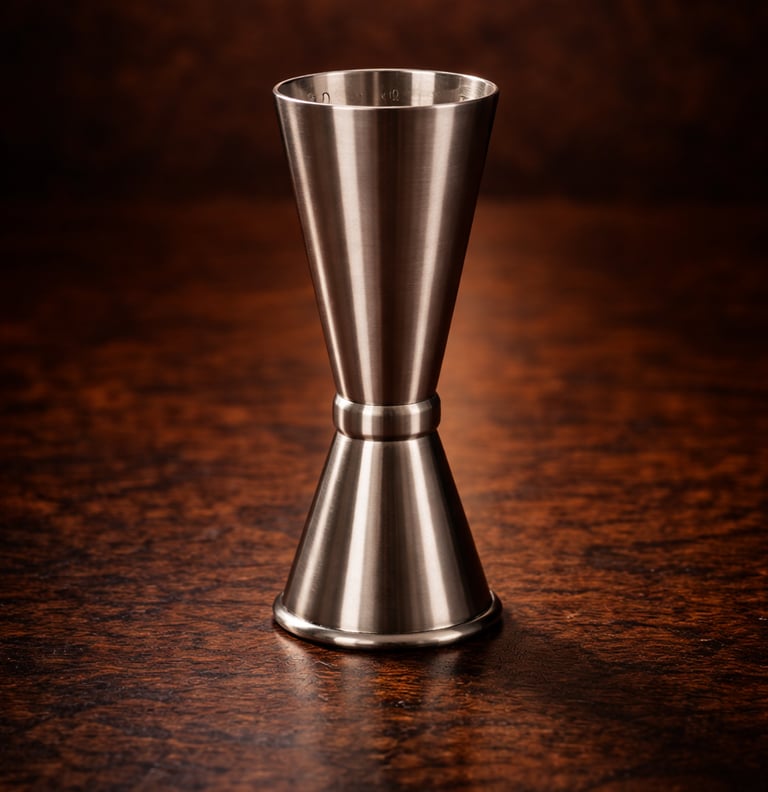
What Is a Japanese Jigger?
A Japanese jigger — featured in our best jiggers guide — usually has an hourglass form made from stainless steel, with carefully marked internal measurements spanning about 0.25 oz up to 2 oz. These markings let you measure precisely without filling the jigger to the top, which helps cut down on spills and wasted liquid.
From a handling standpoint, they generally weigh between 2 and 3 ounces, which feels just right—not too heavy to slow you down, but substantial enough to hold steadily. The slim, tapered profile also makes it easier to see the liquid levels clearly and read the exact measurements.
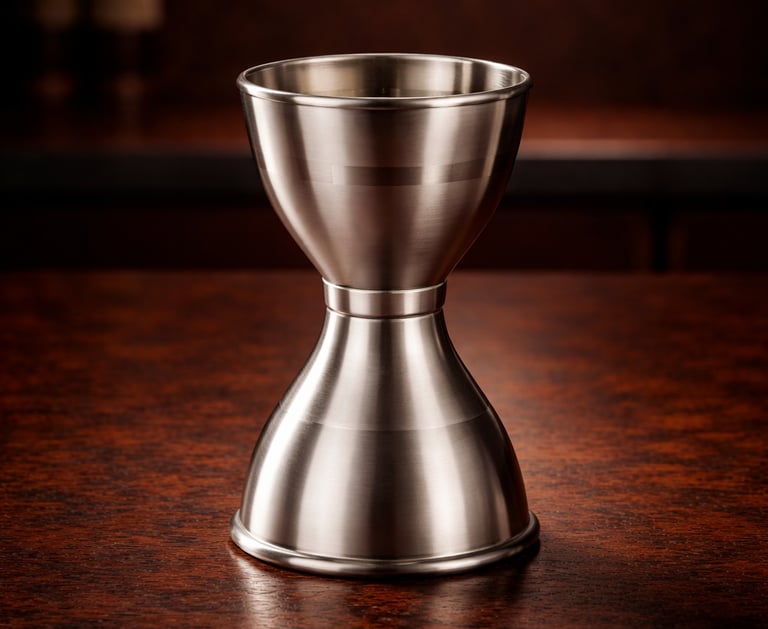
What Is a Bell Jigger?
Bell jiggers get their name from their bell or champagne saucer-like shape. You'll often find these with a broader, bulbous body, sometimes featuring internal volume markings, and typically they come dual-sided with different shot sizes on each end.
While the shape is often admired for elegance and provides a larger surface to grip, their bulk can make quick, clean pours a bit more challenging. The wider design may also make reading internal marks less straightforward. I’ve noticed some bartenders like the weight, but that heft can sometimes reduce consistency compared to Japanese jiggers.
Accuracy Test Results: Japanese vs Bell
I ran tests checking how close each jigger poured compared to its marked volumes. The Japanese jigger consistently measured near perfectly, whether pouring 0.25 oz or going up to 2 oz. A big factor here seems to be the finely graduated internal markings and the ergonomic design that encourages a steady pour angle.
Bell jiggers showed more variability. For example, a Bell jigger marked at 2 oz poured about 2.1 oz—that’s roughly a 5% overpour. That difference might seem minor at first, but it adds up when making multiple drinks, potentially throwing off the cocktail’s balance and increasing costs. Even small measurement errors affect ice and temperature control, altering dilution and final mouthfeel.
This accuracy gap was most noticeable on larger pours. Smaller measures were closer in both tools, but Japanese jiggers made it easier to gauge precise partial amounts thanks to their clear markings.
Pros and Cons of Each Style
Japanese Jiggers
Pros:
High accuracy on volume measurements
Lightweight and comfortable to handle
Internal markings support versatile pours
Reduces spills with partial fill lines
Cons:
Narrower base can feel less stable on some surfaces
Limited stylistic variety
Bell Jiggers
Pros:
Attractive, classic shape
Larger grip surface for some users
Dual-sided for quick measuring of different volumes
Cons:
Bulkier and heavier, which might slow down pouring speed
Less precise internal markings
Can lead to significant overpouring on larger measures
Practical Recommendations for Bartenders and Home Enthusiasts
If you’re honing your craft and want speed plus accuracy, the Japanese jigger often feels like the smarter choice. Its ergonomic design and consistent markings take the guesswork out of measuring, helping you pour quickly and reliably. Accurate measuring becomes even more important when comparing shaking styles, as outlined in Boston vs Cobbler Shakers.
That said, Bell jiggers still have their fans—especially if you appreciate a traditional look or a heavier tool in hand. Just know that if accuracy is your priority, they might bring some challenges.
Pairing your jigger with other key bar gear can also boost your workflow. For example, combining a Japanese jigger with quality cocktail shakers and mixing glasses helps tighten up drink-making precision and efficiency. If you’re building a fuller toolkit, check out curated bar tool sets that often include one or both types of jiggers.
Straining precision, covered in our Hawthorne vs Julep Strainer guide, also plays a role in maintaining balance.
Common Mistakes Using Jiggers
Filling jiggers all the way to the rim instead of using internal markings, which causes spills and inaccurate pours.
Choosing jiggers that are too heavy, slowing pouring speed and causing fatigue, or too light and flimsy, making handling awkward.
Ignoring internal volume markings, especially on Bell jiggers, leading to inconsistent cocktail ratios.
FAQ
Which jigger style is more accurate?
Japanese jiggers generally come out ahead due to precise internal markings and a design that supports steady, consistent pours.
Are internal markings reliable on Bell jiggers?
They have internal markings, but these tend to be less precise, especially for larger volumes, which can cause overpouring.
Can I use either jigger for all cocktail recipes?
Yes, but if your recipes require strict measurement, Japanese jiggers give you better consistency. Bell jiggers need a bit more care to avoid overpours.
What weight should I look for in a jigger?
Around 2 to 3 ounces typically strikes a good balance between control and pouring speed.
Do I need multiple jiggers?
Often, one well-marked Japanese jigger is enough, though some bartenders like having a Bell jigger as a stylistic or volume option.
Are taller, slimmer jiggers better for home use?
They can be. The slimmer shape of Japanese jiggers usually helps you read markings more easily and measure partial amounts precisely.
How do jiggers affect drink quality?
Accurate measuring is key to maintaining proper flavor balance — especially when comparing shaken versus stirred drinks, as discussed in stirred vs shaken.
© 2026 Barkeepers Buzz. All rights reserved.
Barkeepers Buzz
Master cocktails, spirits, and bar knowledge with clarity and precision. Built for serious home enthusiasts.
Crafted with respect for the culture — and the responsibility that comes with it.
For educational purposes only. Intended for legal drinking age audiences. Please drink responsibly.
General Inquiries: