
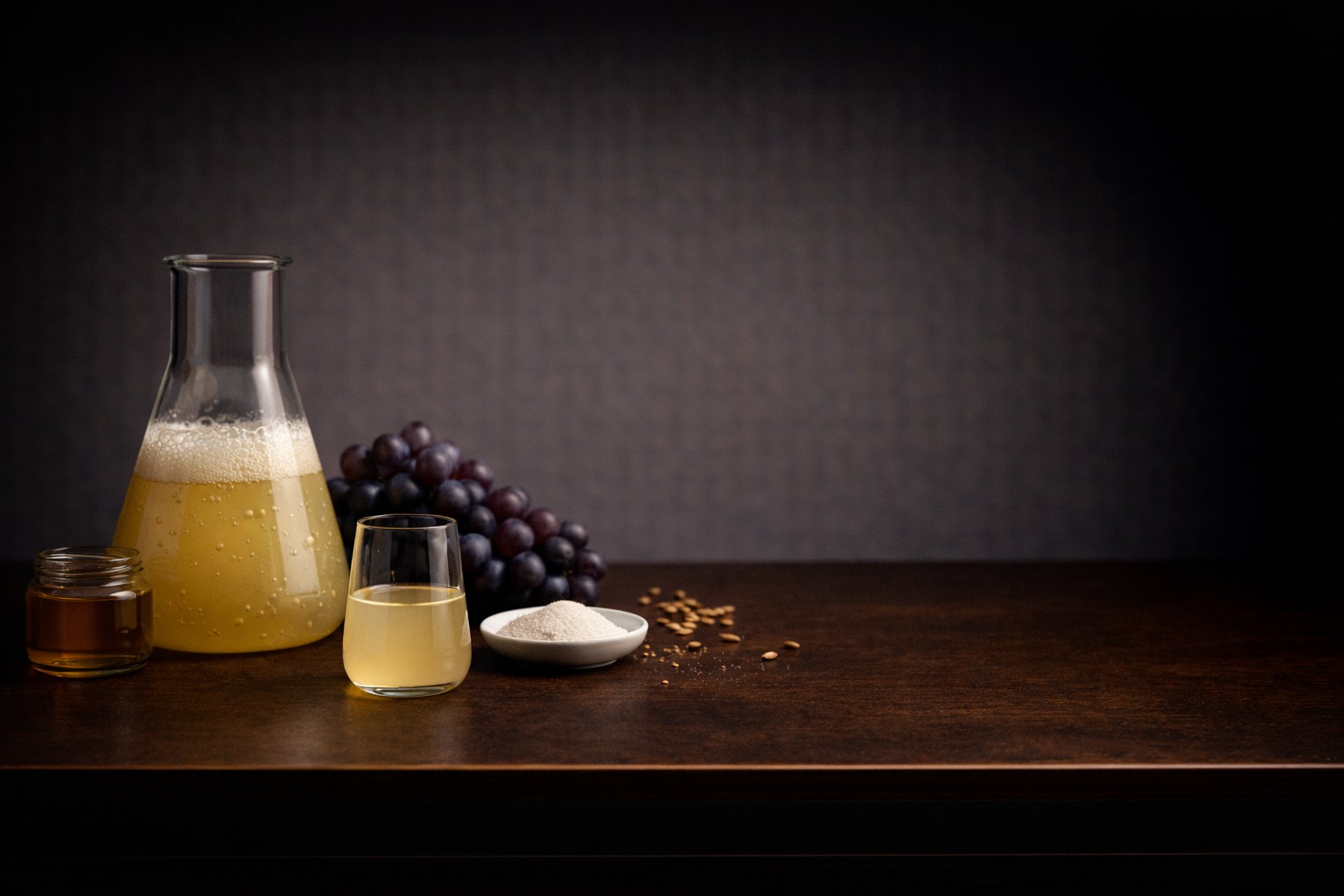
Fermentation: The Foundation of Alcohol
Fermentation is the biochemical process that transforms sugar into alcohol. Before distillation, before aging, before cocktails — there is fermentation.
This page explores how fermentation works, how ingredients influence structure, and why it remains the backbone of wine, mead, cider, sake, and beer.
The Core Process
At its most fundamental level, fermentation is simple:
Sugar → Yeast → Alcohol + Carbon Dioxide + Flavor Compounds
Yeast metabolizes fermentable sugars and converts them into ethanol and CO₂ — the same biochemical process responsible for beer fermentation, wine production, and mead creation. But alcohol is only part of the story. During fermentation, yeast also produces:
Esters (fruit-forward aromatics)
Phenolics (spice, clove, structure)
Organic acids (tension and brightness)
Glycerol (body and texture)
These secondary compounds define structure as much as alcohol does. Two beverages with identical alcohol levels can taste entirely different depending on fermentation management.
Fermentation is both chemical and controlled. Temperature, oxygen exposure, and yeast strain determine whether the final beverage is clean and precise or wild and rustic.
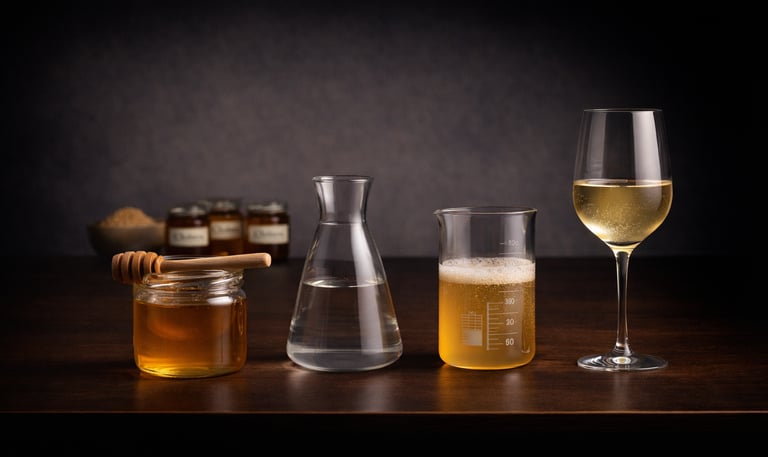
Sugar Determines Category
Modern mead is not one thing. It branches into defined stylistic families.
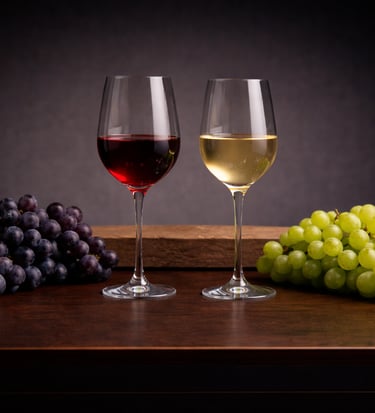
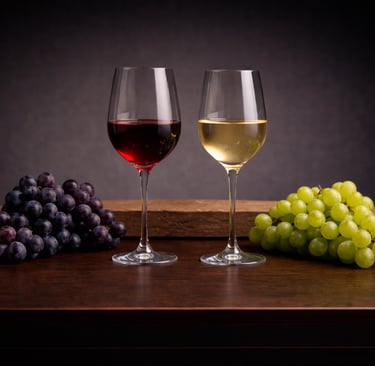
Grapes contain natural sugars balanced with acidity and tannin. Their skins, seeds, and pulp contribute structure. Fermentation extracts color and tannin in red wines, while whites are typically fermented without skin contact.
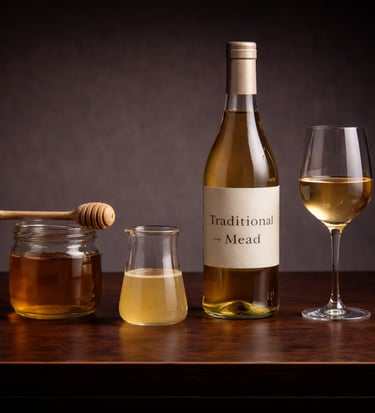
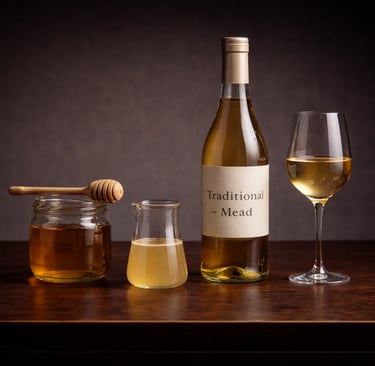
Honey provides concentrated sugar and immense botanical variation. Floral origin — clover, wildflower, buckwheat, orange blossom — influences aroma before fermentation begins. Mead’s structure depends on honey type, dilution, and fermentation decisions.
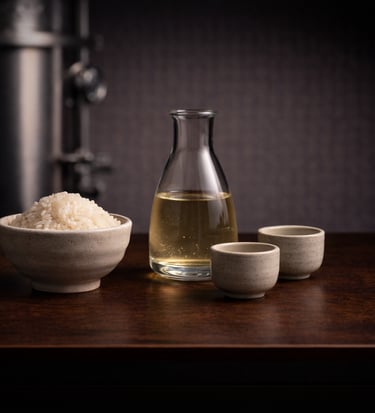
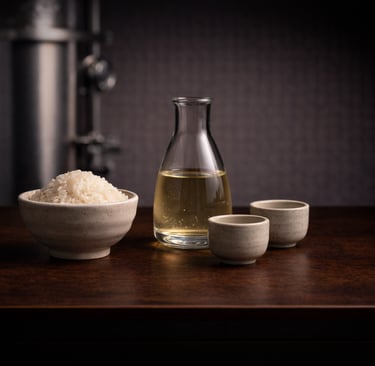
Rice does not contain simple sugars in fermentable form. Through koji mold conversion, starches become sugar before yeast fermentation begins. The result is texturally soft, aromatic, and often highly food-compatible.
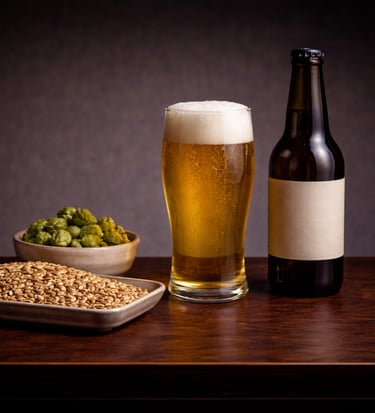
Grains must be malted and mashed to convert starch into fermentable sugars. Fermentation creates alcohol and carbonation, while hop additions contribute bitterness and aroma.
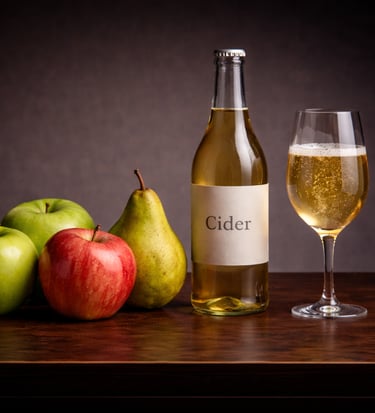
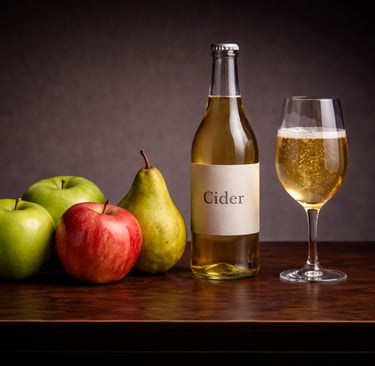
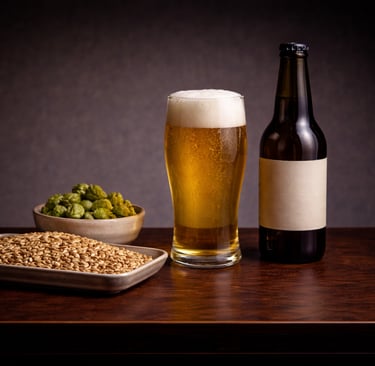
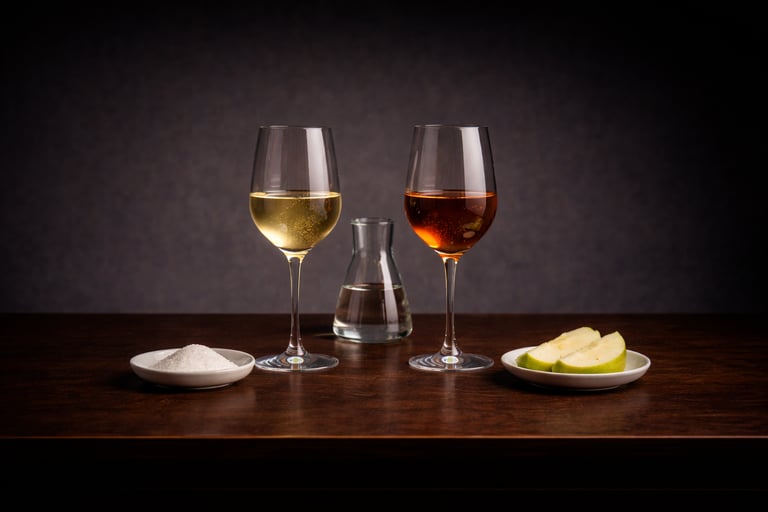
Apples and pears contribute malic acidity, natural fruit tannins, and bright aromatics. Fermentation retains fruit-driven freshness while reducing sweetness, depending on how fully sugar is converted.
What Shapes the Outcome
Fermentation is not passive. It is guided. The same principles influence beer brewing techniques and wine production decisions.
Yeast Strain
Different yeast strains produce distinct aromatic signatures. Some emphasize fruit esters. Others remain neutral, allowing ingredient character to dominate.
Temperature
Cool fermentation preserves delicate aromatics and maintains acidity. Warmer fermentation can amplify fruit expression and extraction.
Oxygen Exposure
Controlled oxygen supports yeast health early. Too much later can flatten freshness and accelerate oxidation.
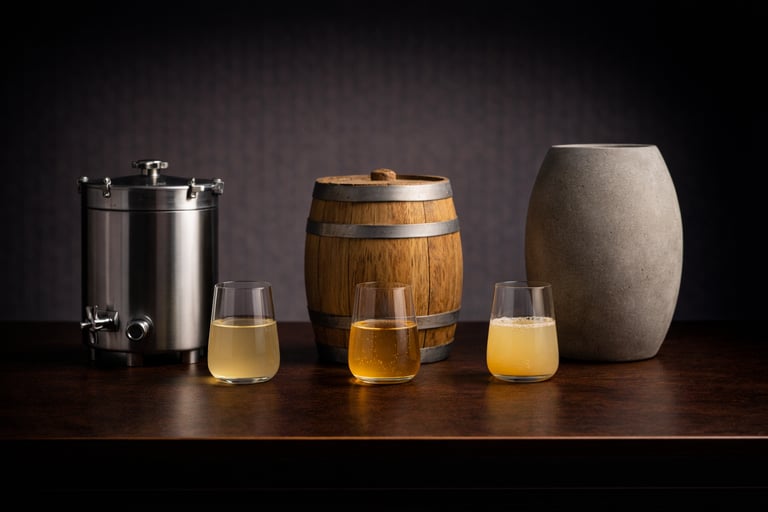
Fermentation Vessel
Stainless steel preserves clarity.
Oak allows micro-oxygenation and structural evolution.
Concrete can moderate temperature and encourage texture.
Time on Lees
Allowing a beverage to rest on spent yeast cells can increase texture and complexity.
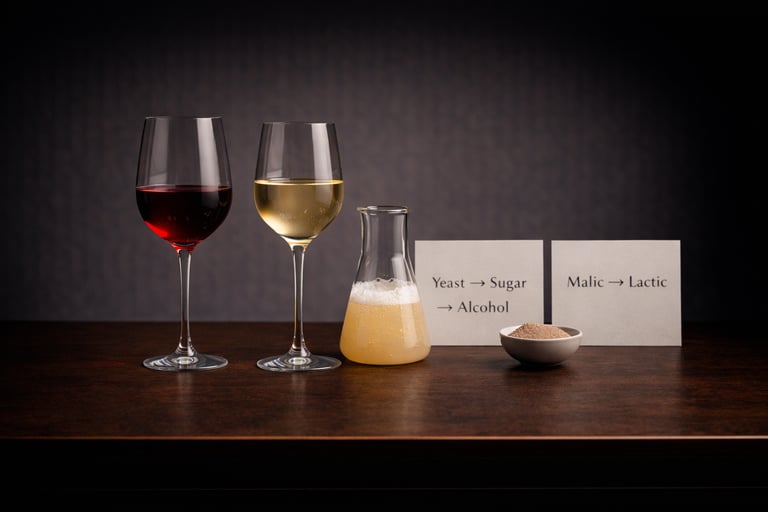
Malolactic Fermentation
In some wines, sharper malic acid converts into softer lactic acid, altering mouthfeel and perceived acidity.
Each decision influences structure more than sweetness or alcohol alone.
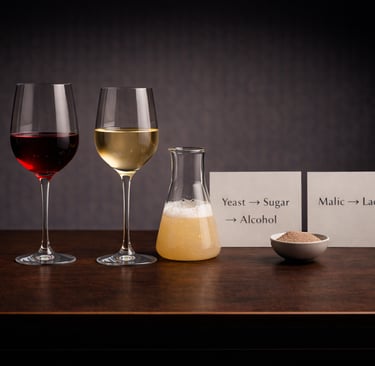
Still vs Sparkling
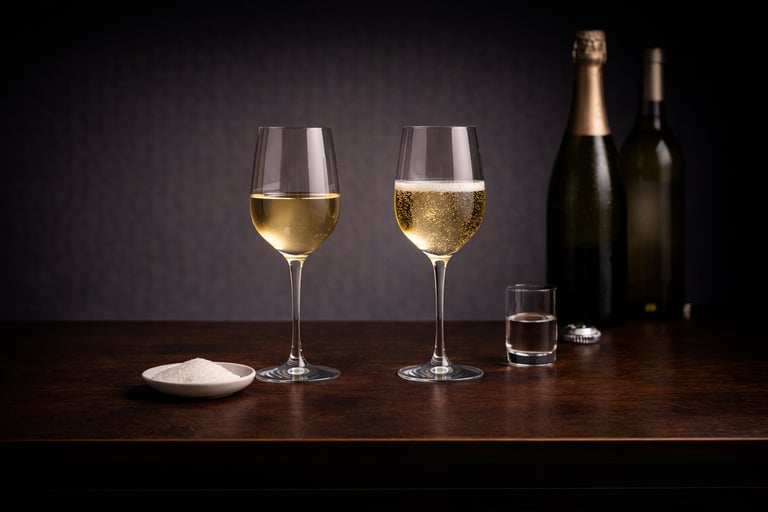
Carbonation fundamentally changes perception. This is why carbonation also defines cocktails in the Highball family of drinks.
Sparkling beverages are either:
Naturally carbonated through secondary fermentation
Bottle conditioned with additional sugar and yeast
Force carbonated by injecting CO₂
Bubbles increase perceived acidity, lift aromatics, and create textural tension. A sparkling beverage often tastes brighter and drier than its still counterpart.
Carbonation is not decoration. It is structural.
Sparkling wine, sparkling mead, bottle-conditioned cider, and many beers rely on this principle.
Residual Sugar & Perception
Fermentation continues until yeast either consumes available sugar or is halted intentionally.
If all fermentable sugar is converted, the beverage is dry.
If fermentation stops early, residual sugar remains.
But sweetness perception is rarely linear.
High acidity can make modest sweetness taste restrained.
Low acidity can make even small residual sugar feel amplified.
Balance matters more than numbers. Understanding sweetness and acidity is essential in wine structure and tasting.
A technically sweet wine may taste structured and clean if acidity is sufficient. A technically dry beverage may feel round if alcohol and glycerol elevate body.
Fermentation management determines the equilibrium.
Where Fermentation Ends
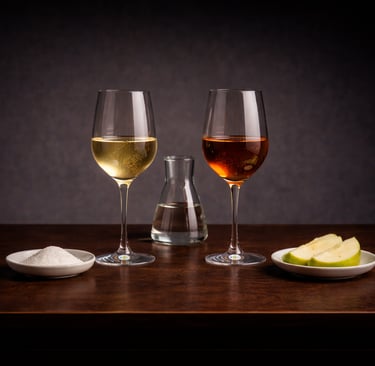
Fermented beverages typically range between 4–15% alcohol by volume. The ceiling is defined by yeast tolerance.
Distillation begins only after fermentation. It concentrates alcohol by separating ethanol from water through heat and condensation.
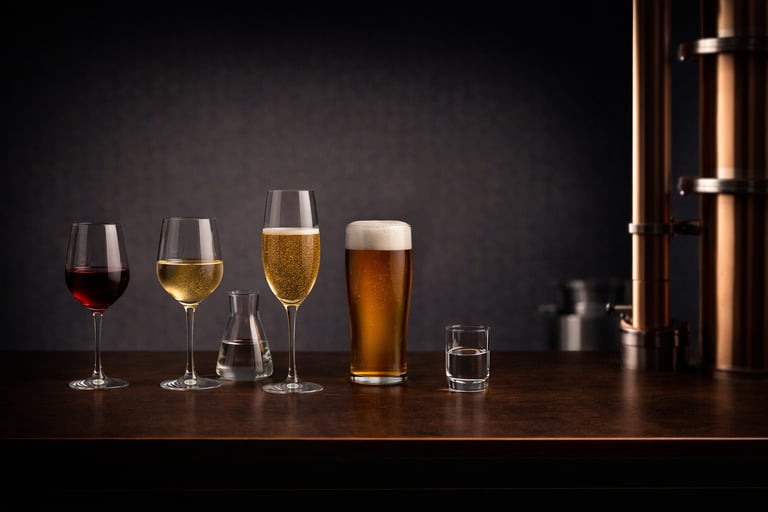
Wine, mead, cider, sake, and beer are consumed in their fermented state. Spirits — whiskey, rum, vodka, gin — begin as fermented liquids before distillation refines them.
Fermentation is not one category among many. It is the origin point.
Food Compatibility
Fermented beverages excel in food pairing because structure aligns with cuisine. Proper glassware enhances aroma and balance, especially when serving wine.
Acidity cuts fat and brightens rich dishes.
Carbonation refreshes the palate between bites.
Tannin binds to protein.
Residual sugar balances spice and salt.
Wine pairs through acidity and tannin.
Cider pairs through malic brightness.
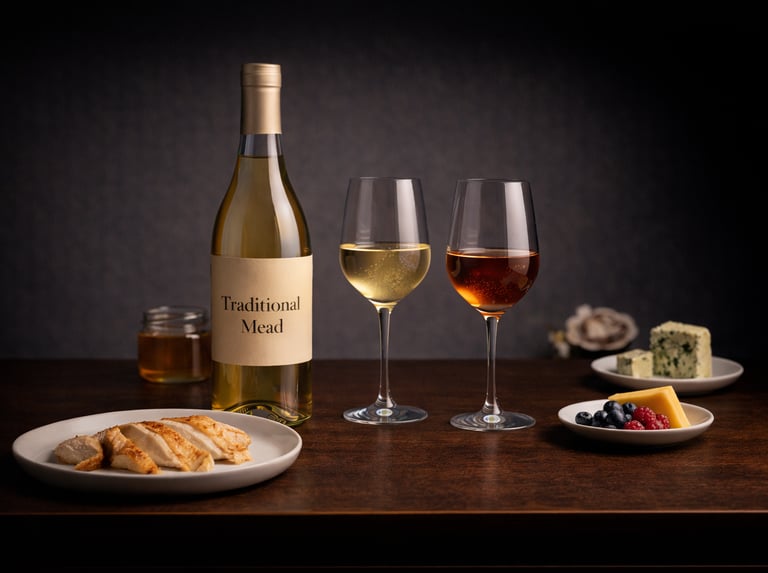
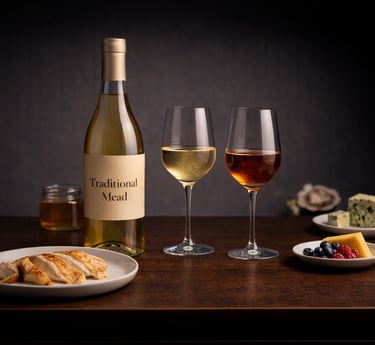
Mead pairs through floral aromatics and sugar range.
Sparkling styles elevate fried foods and briny seafood.
Fermentation creates compatibility.
Variability & Responsibility
Fermented does not mean low-alcohol.
A light cider may sit at 5% ABV.
A structured wine may reach 14–15%.
Some fortified fermented beverages exceed that range.
Understanding alcohol concentration matters. Structure influences perception, but alcohol remains present.
Serve with food. Hydrate consistently. Pace consumption intentionally.
© 2026 Barkeepers Buzz. All rights reserved.
Barkeepers Buzz
Master cocktails, spirits, and bar knowledge with clarity and precision. Built for serious home enthusiasts.
Crafted with respect for the culture — and the responsibility that comes with it.
For educational purposes only. Intended for legal drinking age audiences. Please drink responsibly.
General Inquiries: