
Beer, Brewing · The Culture
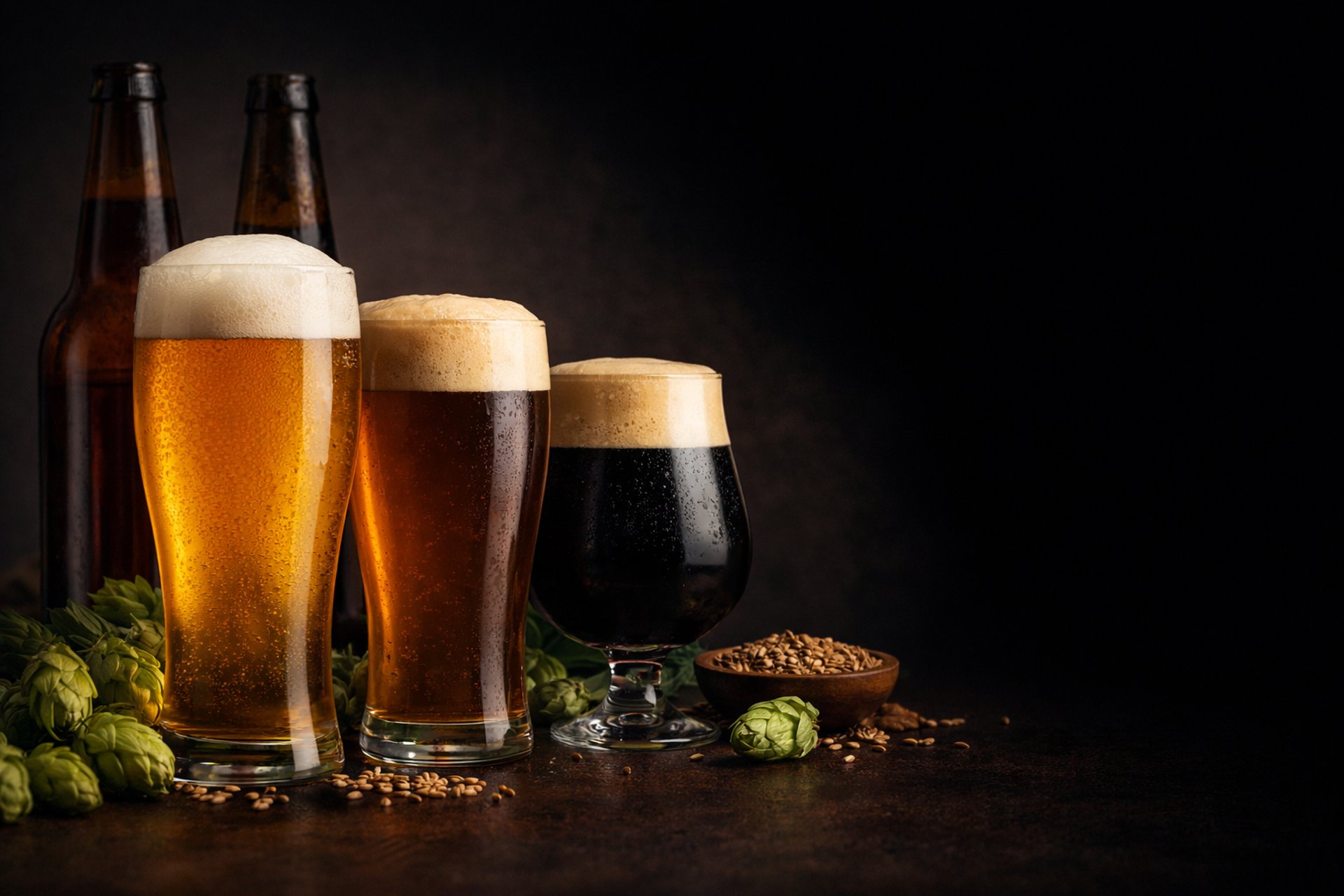
From malt and hops to fermentation and service, beer is one of the world’s most diverse and widely consumed alcoholic beverages.
Beer is brewed from malted grain, hops, water, and yeast. While often simplified into broad categories, beer spans thousands of styles shaped by fermentation method, ingredient balance, and cultural tradition. It can be crisp and restrained or dark and roasted, hop-driven or malt-focused.
Understanding beer does not require memorizing every style. It requires understanding structure — how brewing decisions shape body, bitterness, aroma, and balance.
This pillar explores how beer is made, how major styles differ, and how to select and serve beer with clarity.
Brewing Foundations
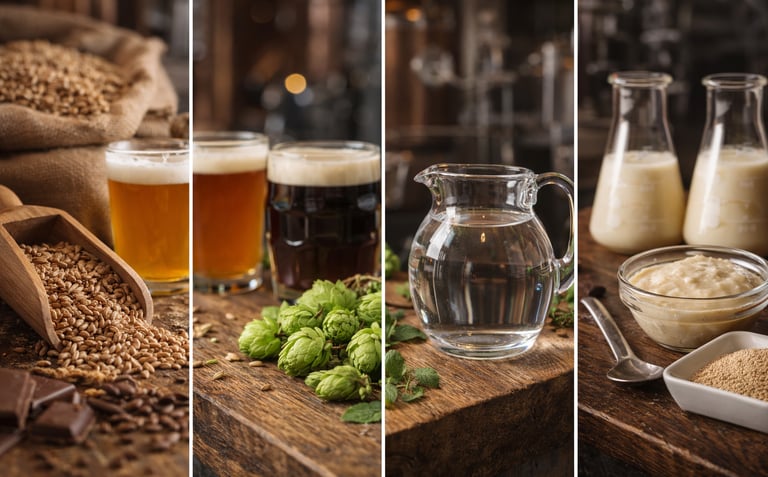
Beer begins with four primary ingredients:
• Malted grain
• Hops
• Water
• Yeast
Each contributes structural influence.
Malt
Malted grain — typically barley — provides fermentable sugars. During malting, grain is germinated and dried to activate enzymes necessary for starch conversion.
Malt influences:
• Color
• Body
• Sweetness perception
• Toasted or roasted character
Light malts produce pale, crisp beers. Darker, roasted malts introduce caramel, chocolate, coffee, and toasted notes. These roasted characteristics echo flavor compounds found in barrel-aged spirits.
Mashing
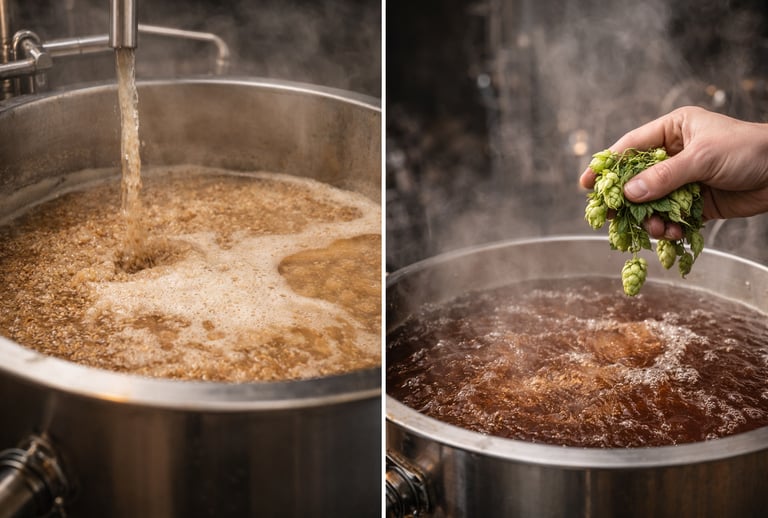
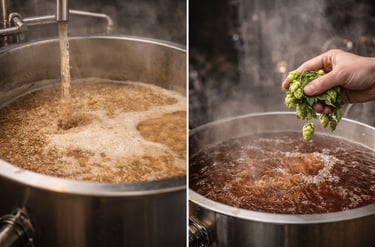
During mashing, crushed malt is mixed with warm water. Enzymes convert starch into fermentable sugar.
Mash temperature affects structure:
• Lower temperatures → lighter, drier finish
• Higher temperatures → fuller body, more residual sweetness
This stage defines the beer’s foundational texture.
Boiling & Hops
The extracted liquid — called wort — is boiled. Hops are added at different stages.
Hops provide:
• Bitterness
• Aroma
• Balance
Early hop additions increase bitterness. Late additions emphasize aroma.
Without hops, beer would taste overly sweet. Hops create structural tension
Fermentation
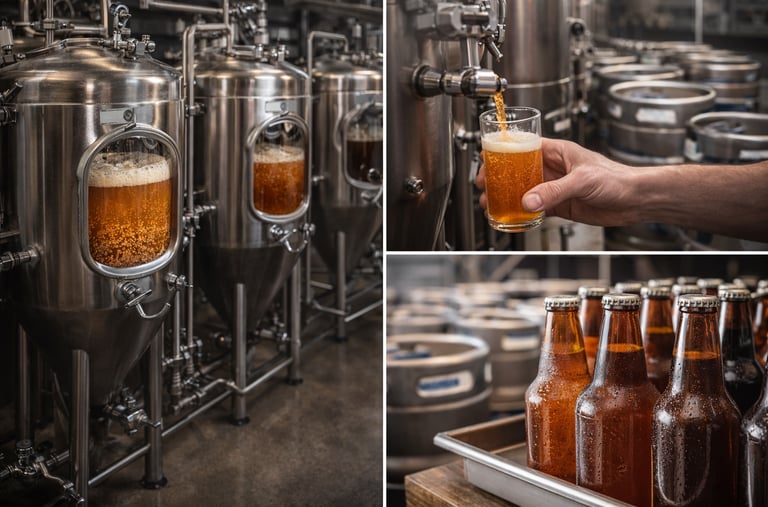
After boiling, the wort is cooled and yeast is introduced.
Yeast converts sugar into:
• Alcohol
• Carbon dioxide
• Flavor compounds
The same fundamental process underpins distilled alcohol production.
Fermentation method determines whether a beer becomes an ale or a lager.
Conditioning
Following fermentation, beer is conditioned in tanks, bottles, or kegs. This stage allows flavors to integrate and carbonation to stabilize.
Most beer is designed for freshness rather than long-term aging.
Internal Link → How Beer Is Made
Lagers vs Ales
Ales use top-fermenting yeast and ferment at warmer temperatures.
They often exhibit:
• Fruity esters
• Fuller body
• Greater aromatic intensity
Common ale styles include IPA, stout, porter, and Belgian ales.
Ales
Lagers
Lagers use bottom-fermenting yeast and ferment at cooler temperatures.
They are typically:
• Cleaner
• Crisper
• Smoother in finish
Pilsners and many European-style lagers fall into this category.
The difference is structural — not hierarchical. Fermentation temperature defines the category.
Internal Link → Lagers vs Ales
The most fundamental distinction in beer is yeast type.
IPA (India Pale Ale)
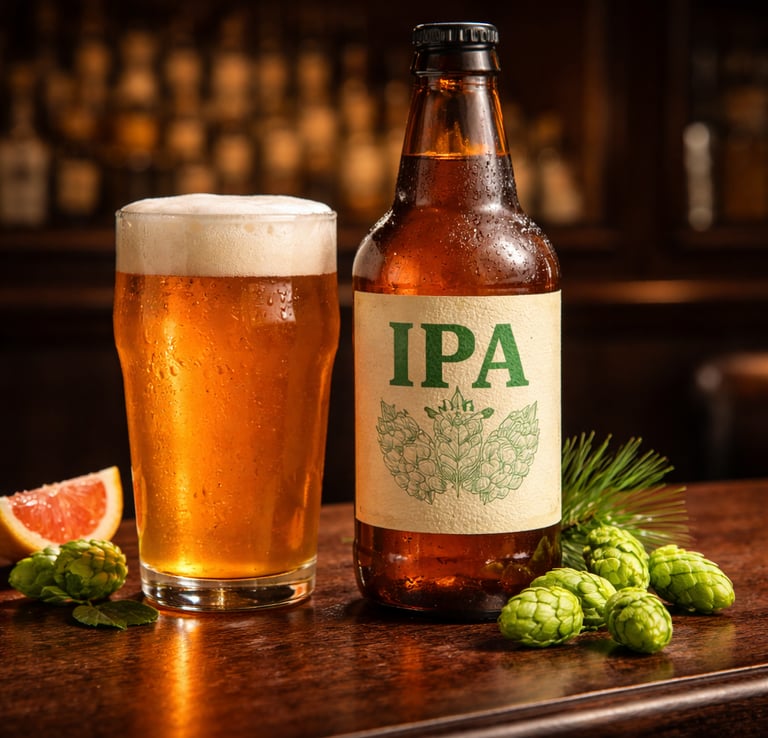
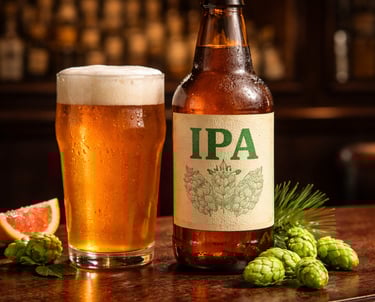
Hop-forward and aromatic. Bitterness can range from sharp and dry to soft and fruit-driven depending on brewing approach.
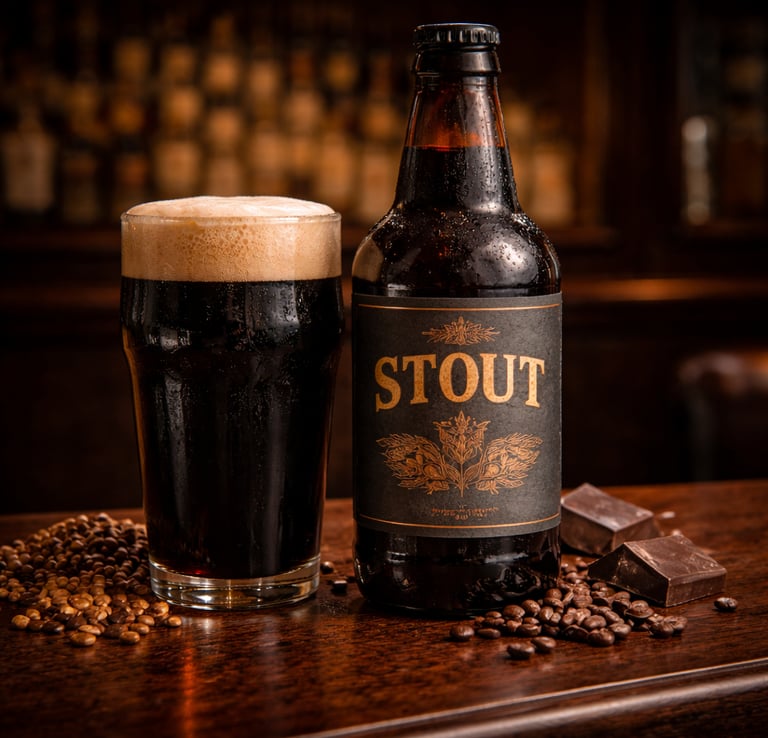
Stout
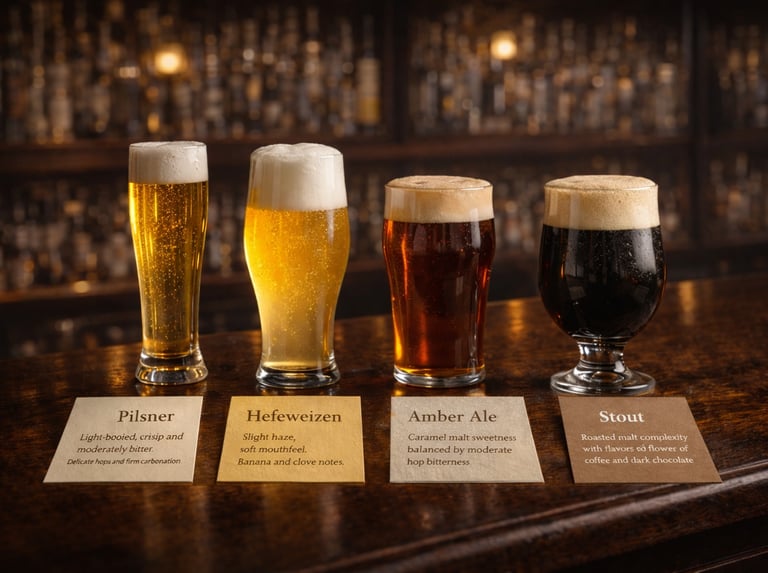
Dark and roasted. May present notes of coffee, chocolate, or toasted grain. Body ranges from dry and light to rich and creamy.
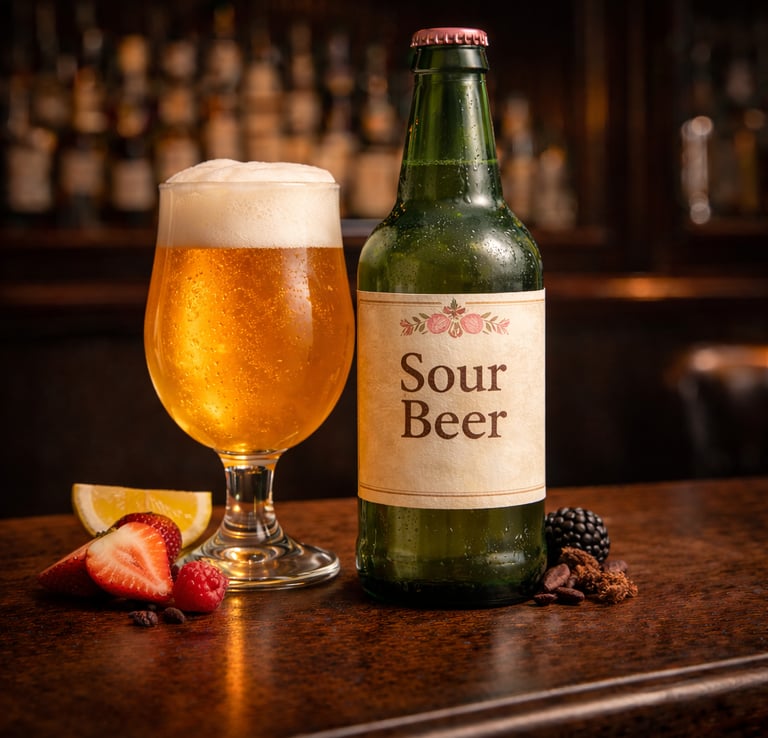
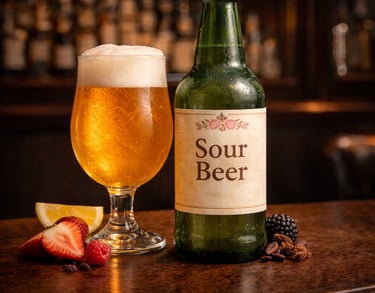
Produced through controlled acidity via bacterial fermentation or wild yeast. Acidity becomes the dominant structural element.
Sour Beers
Major Beer Styles
Beer styles reflect ingredient ratios, yeast choice, and regional tradition.
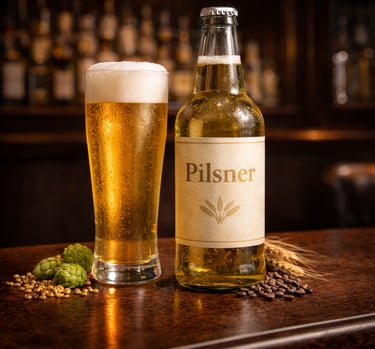
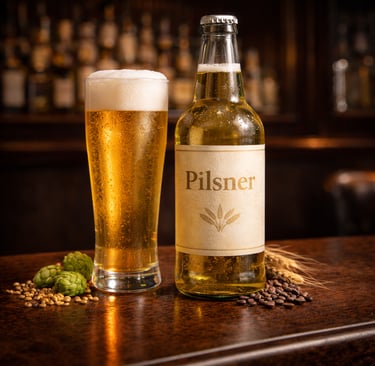
Pilsner
A pale lager defined by clarity, crisp bitterness, and refreshing structure.
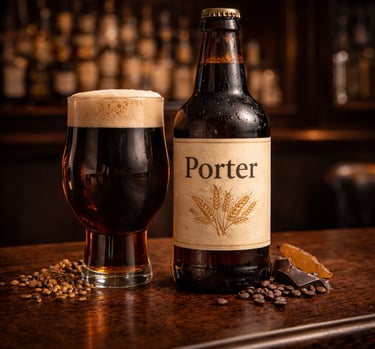
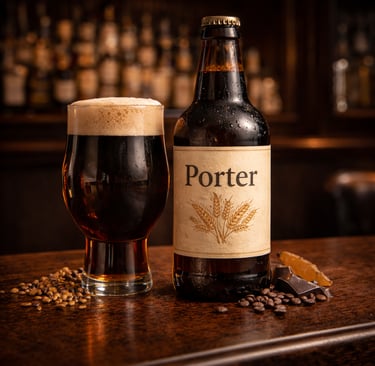
Related to stout but often softer and more balanced. Emphasizes dark malt character without overwhelming roast.
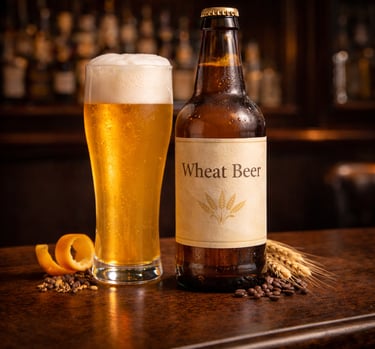
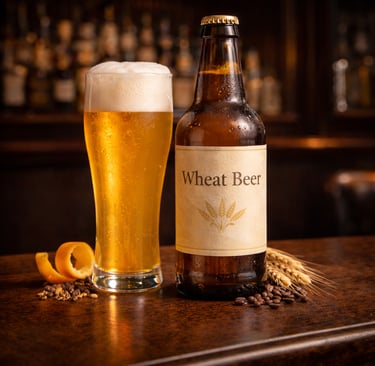
Brewed with significant wheat content. Often soft, slightly cloudy, and expressive depending on yeast strain.
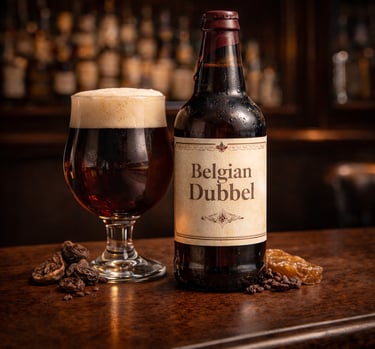
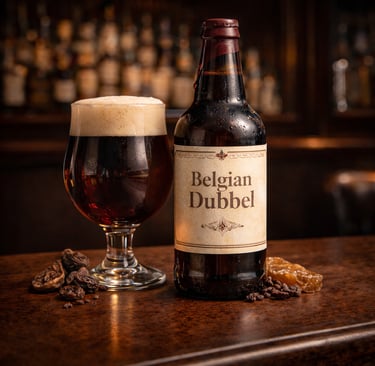
Yeast-driven and aromatic. Often exhibit spice and fruit esters, with moderate to higher alcohol.
Porter
Wheat Beer
Belgian Styles
Understanding Hops
Hops are responsible for balancing malt sweetness.
Bitterness is often measured in IBUs (International Bitterness Units). However, perceived bitterness depends on malt backbone and alcohol level.
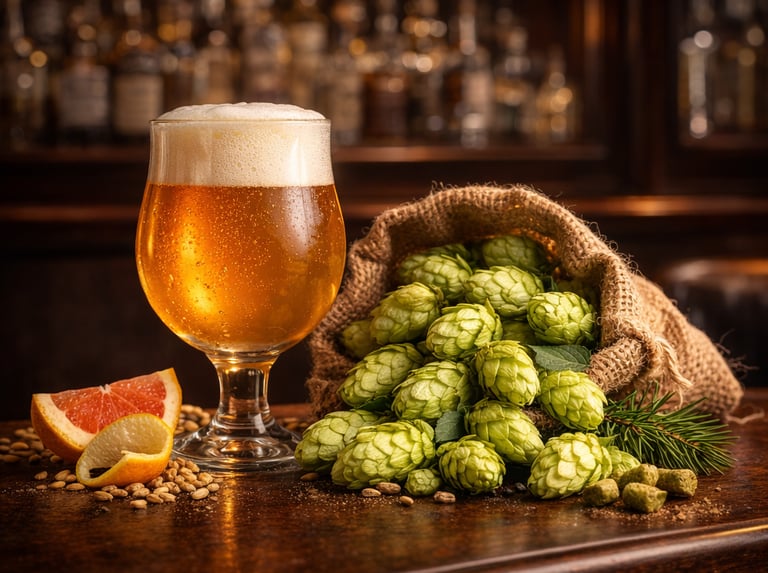
Beyond bitterness, hops contribute:
• Citrus
• Pine
• Floral tones
• Tropical aromatics
Dry hopping enhances aroma without significantly increasing bitterness. Hop intensity often changes how beer should be served.
Well-made beer integrates hop character with malt and fermentation profile.
Internal Link → Hops & Bitterness Explained
Serving Beer Properly
Beer benefits from correct temperature and glass selection.
Temperature Guidelines
• Light lagers → well chilled
• IPAs → lightly chilled
• Dark beers → slightly cooler than room temperature
Over-chilling suppresses aroma. Under-chilling exaggerates alcohol warmth.
Internal Link → Temperature Control Principles
Glassware
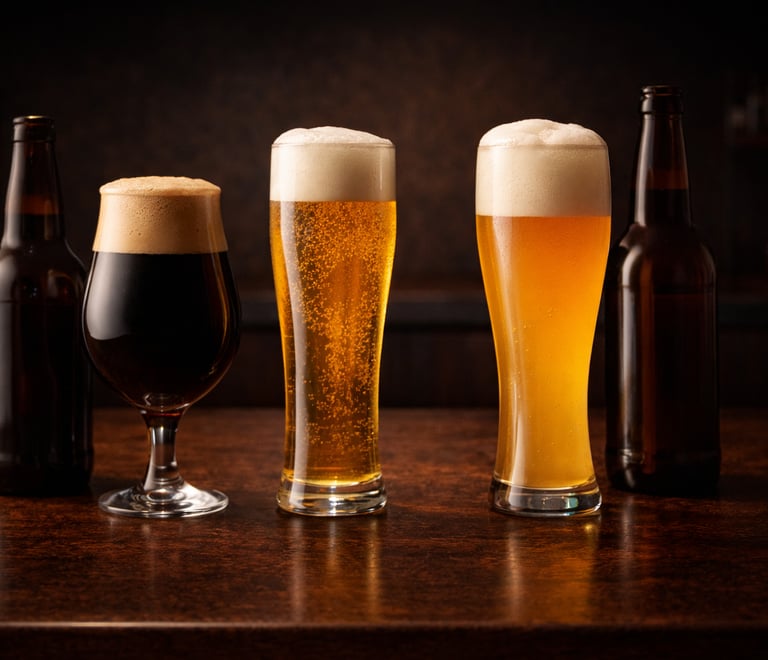
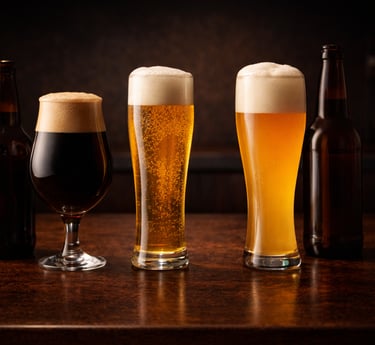
While many beers are served in standard pint glasses, shape influences aroma and foam stability.
Examples:
• Tulip glass (captures aroma)
• Pilsner glass (emphasizes clarity and carbonation)
• Weizen glass (accommodates wheat beer foam structure)
Clean glassware enhances presentation and head retention.
Internal Link → Bar Tools → Glassware
Buying Beer Intelligently
Choosing with Clarity
Beer selection improves when guided by structure.
Start by identifying:
• Preferred bitterness level
• Body preference (light vs full)
• ABV tolerance
• Malt-forward or hop-forward inclination
Check packaging dates, particularly for hop-driven styles. Freshness significantly impacts aroma and balance.
Avoid relying solely on label design or novelty branding.
Balance, freshness, and structural clarity matter more than trend alignment.
Understanding structure begins with how beer is made.
Craft, Macro & Modern Beer Culture
The Cultural Landscape
Beer culture spans industrial-scale brewing and independent craft production.
Large-scale breweries prioritize consistency and broad accessibility. Craft breweries often emphasize experimentation, regional expression, and limited releases.
Neither model inherently guarantees quality.
Modern beer culture values:
Ingredient transparency
Local production
Style exploration
Yet structural balance remains the true indicator of craftsmanship.
Beer is both agricultural and industrial — rooted in ancient fermentation traditions while continuously evolving.
Responsible Enjoyment
Understanding Strength & Moderation
Beer’s lower ABV can create a perception of reduced impact. However, serving size and alcohol concentration vary widely.
For example:
A 7% IPA in a 16-ounce serving contains significantly more alcohol than a standard 5% 12-ounce lager.
Responsible practices include:
• Monitoring ABV
• Pacing consumption
• Staying hydrated
• Avoiding rapid intake
Internal Link → Education, Safety & Responsibility
Understanding structure includes understanding strength.
Closing Perspective
Beer is not defined by trends.
It is defined by grain, hops, yeast, and time.
Malt provides foundation.
Hops provide tension.
Yeast shapes identity.
Fermentation determines structure.
From ancient brewing traditions to modern craft experimentation, beer remains one of the most technically diverse alcoholic beverages in the world.
Understanding how it is made — and how its styles differ — transforms casual drinking into informed appreciation.
Structure first.
Trend second.


© 2026 Barkeepers Buzz. All rights reserved.
Barkeepers Buzz
Master cocktails, spirits, and bar knowledge with clarity and precision. Built for serious home enthusiasts.
Crafted with respect for the culture — and the responsibility that comes with it.
For educational purposes only. Intended for legal drinking age audiences. Please drink responsibly.
General Inquiries: