
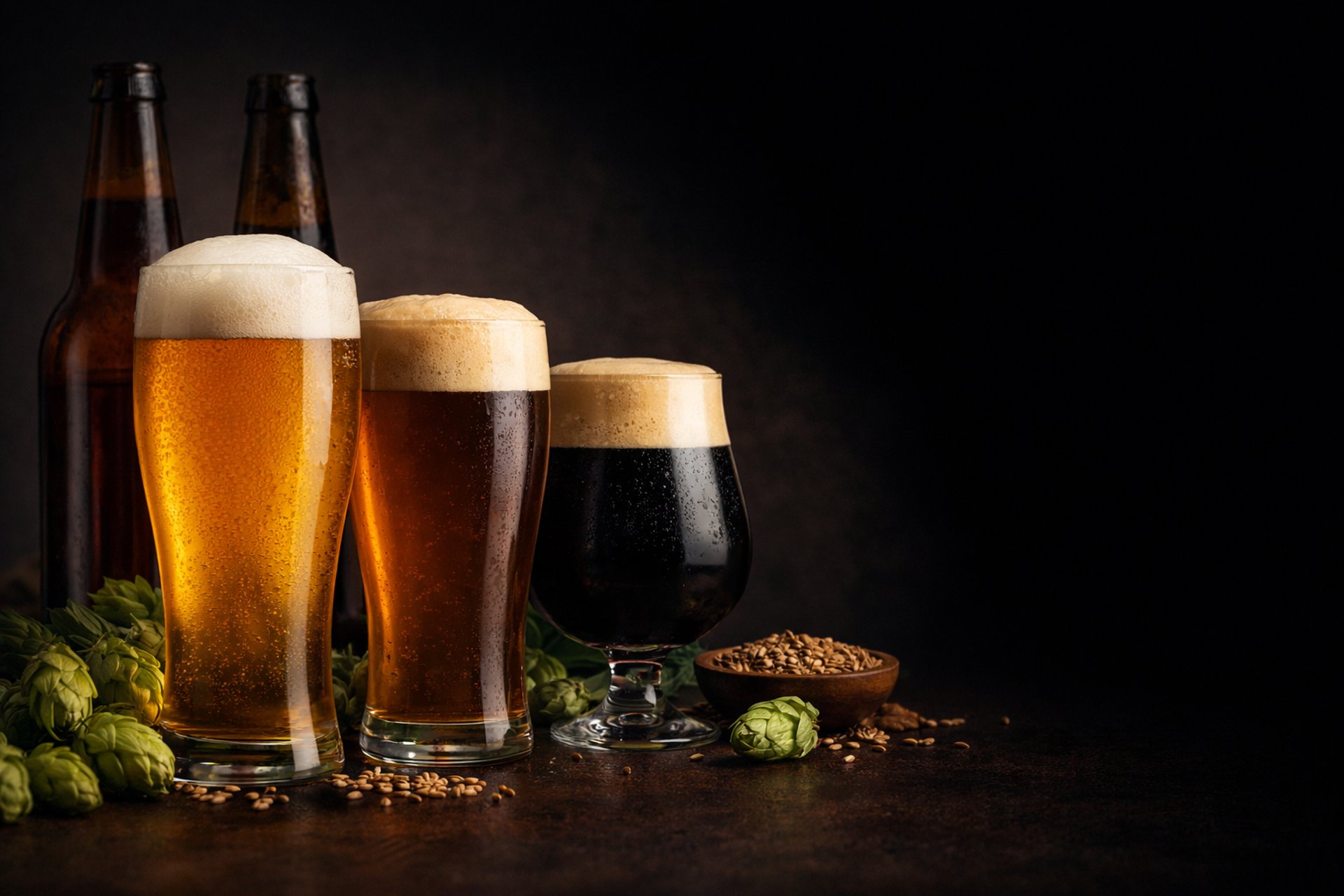
Serving Beer Properly: Temperature & Glassware
Proper service enhances aroma, carbonation, and balance. Even well-made beer can feel muted or overly sharp if served at the wrong temperature or in unsuitable glassware.
Serving is not aesthetic — it is structural.
Temperature Guidelines
Temperature influences aroma release and mouthfeel.
Light Lagers → Well Chilled
Light lagers and pilsners benefit from colder service, which emphasizes crispness and refreshment.
IPAs → Lightly Chilled
Serving slightly warmer allows hop aromatics to express fully without exaggerating bitterness.
Dark Beers → Cool, Not Cold
Stouts and porters reveal more complexity when served slightly cooler than room temperature. Excessive chilling suppresses roasted malt character.
Over-chilling reduces aroma. Under-chilling can amplify alcohol warmth.
Temperature control enhances structural balance.
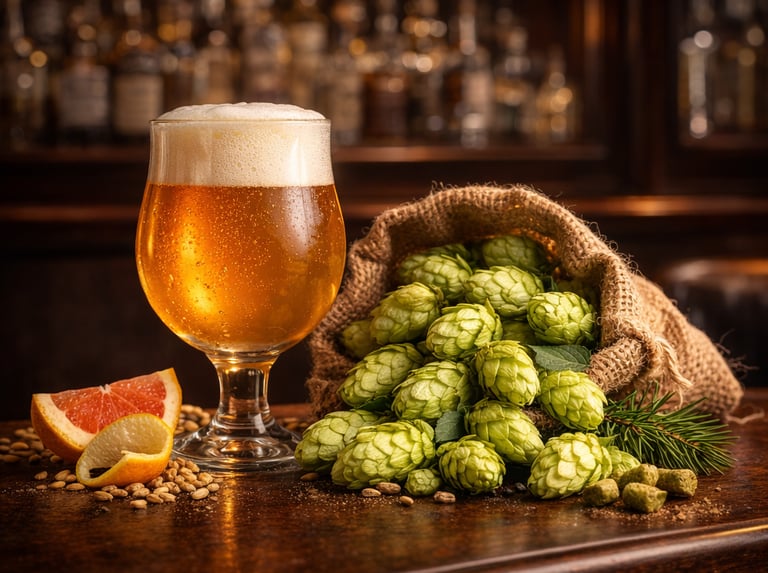
Glassware Basics
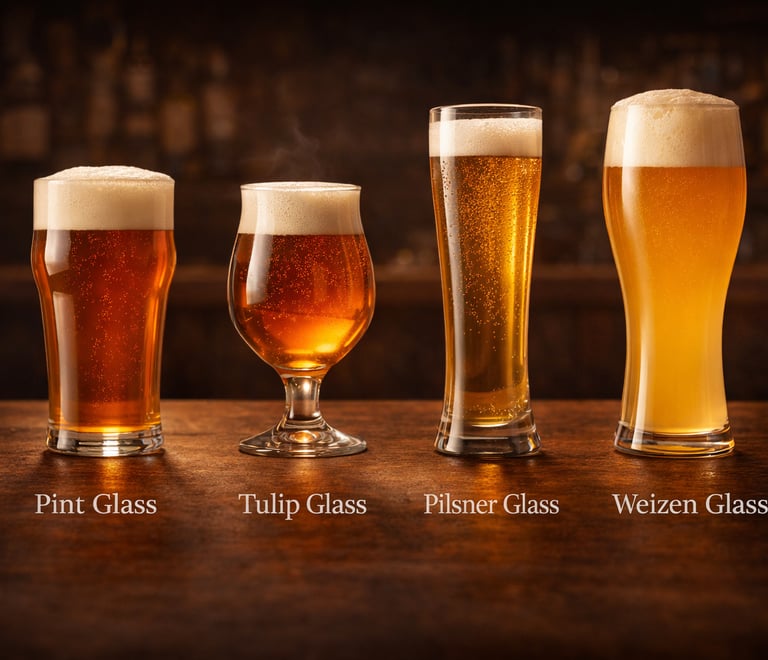
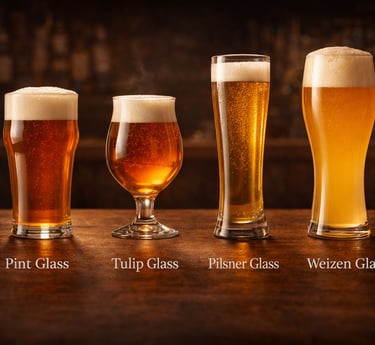
Glass shape influences head retention, aroma concentration, and presentation.
Pint Glass
Versatile and widely used. Suitable for most styles but does not concentrate aroma.
Tulip Glass
Inward taper captures aroma and supports foam structure. Ideal for aromatic ales and stronger styles.
Pilsner Glass
Tall and narrow. Highlights clarity and carbonation in lighter lagers.
Weizen Glass
Designed for wheat beers. Accommodates large foam head and enhances yeast-driven aroma.
Clean glassware is critical. Residue can reduce foam retention and dull aromatics.
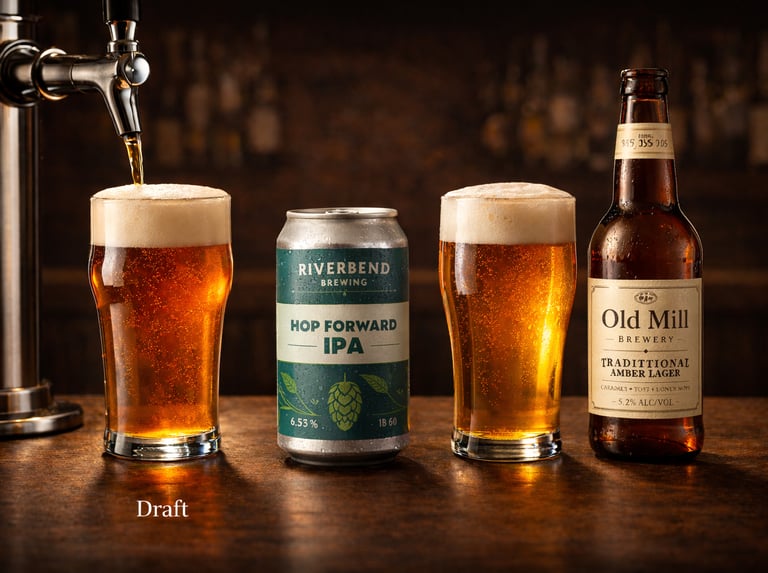
Draft vs Bottle vs Can
Packaging influences freshness and stability.
Draft
Often delivers optimal carbonation and freshness when maintained properly.
Can
Protects beer from light exposure and oxygen ingress. Increasingly preferred for hop-forward styles.
Bottle
Traditional and effective when stored properly, but light exposure can cause flavor degradation.
Handling and storage matter as much as packaging format.
Closing Perspective
Serving beer correctly elevates aroma, texture, and balance.
Temperature and glass shape influence perception as much as ingredients.
Structure extends beyond brewing — it continues through service.


Responsible Enjoyment
Understanding Strength & Moderation
Beer’s lower ABV can create a perception of reduced impact. However, serving size and alcohol concentration vary widely.
For example:
A 7% IPA in a 16-ounce serving contains significantly more alcohol than a standard 5% 12-ounce lager.
Responsible practices include:
• Monitoring ABV
• Pacing consumption
• Staying hydrated
• Avoiding rapid intake
Internal Link → Education, Safety & Responsibility
Understanding structure includes understanding strength.
© 2026 Barkeepers Buzz. All rights reserved.
Barkeepers Buzz
Master cocktails, spirits, and bar knowledge with clarity and precision. Built for serious home enthusiasts.
Crafted with respect for the culture — and the responsibility that comes with it.
For educational purposes only. Intended for legal drinking age audiences. Please drink responsibly.
General Inquiries: