Spirits & Alcohol: Distillation, Structure & Selection
From whiskey and rum to gin and vodka, distilled spirits begin with fermentation and are refined through distillation, aging, and blending.
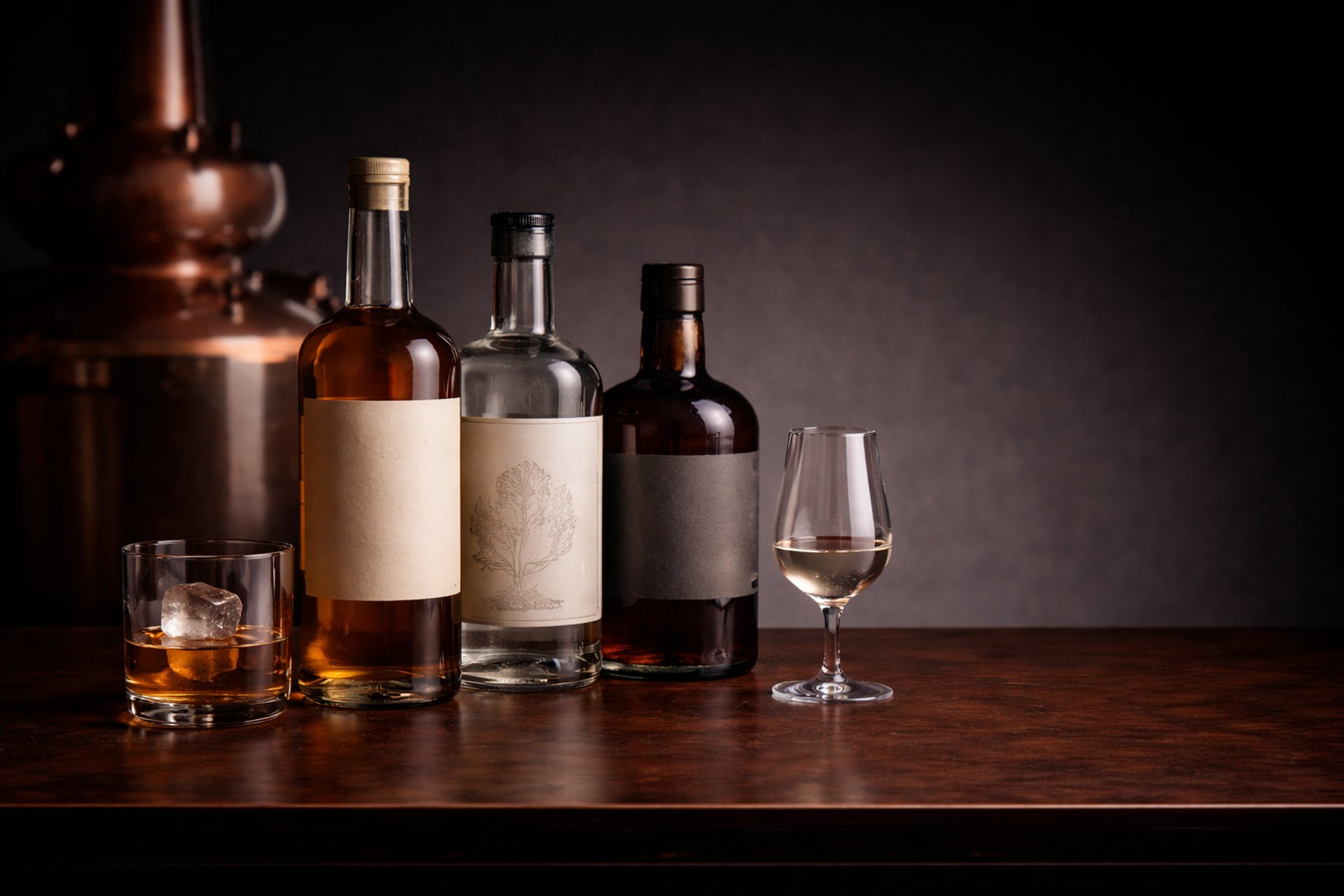
Spirits are concentrated alcohol — produced by distilling fermented liquids to increase strength and refine structure. While categories differ by ingredient, geography, and aging, all distilled alcohol shares a common foundation: fermentation followed by controlled separation.
Expand further with Drinks & Cocktail Culture
Distillation Explained
From whiskey and rum to gin and vodka, distilled spirits begin with fermentation and are refined through distillation, aging, and blending.
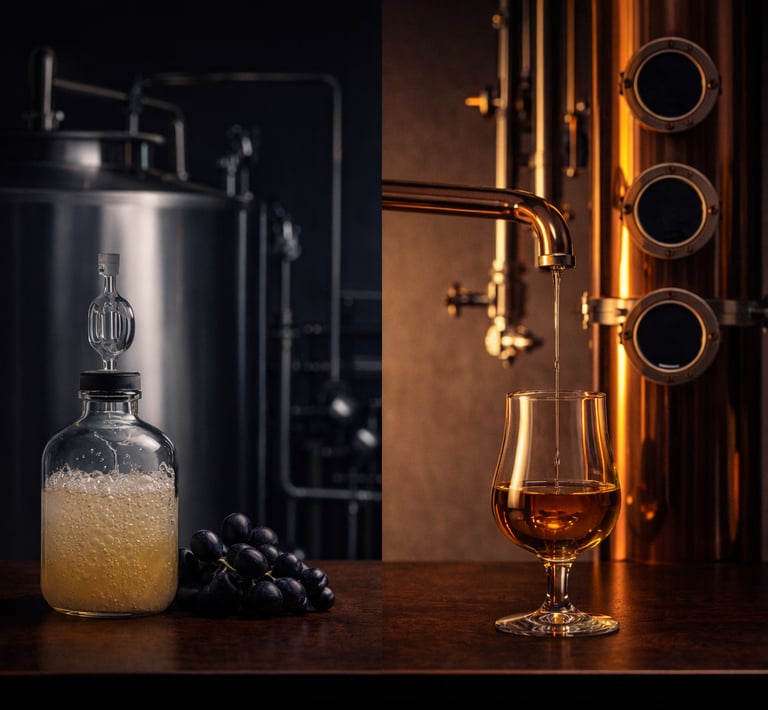
Spirits are concentrated alcohol — produced by distilling fermented liquids to increase strength, refine character, and shape structure. While categories differ by ingredient, geography, and maturation, all distilled alcohol shares a common foundation: fermentation followed by controlled separation.
Understanding spirits begins not with brand names or bottle design, but with process.
See also → Fermentation: The Foundation of Alcohol
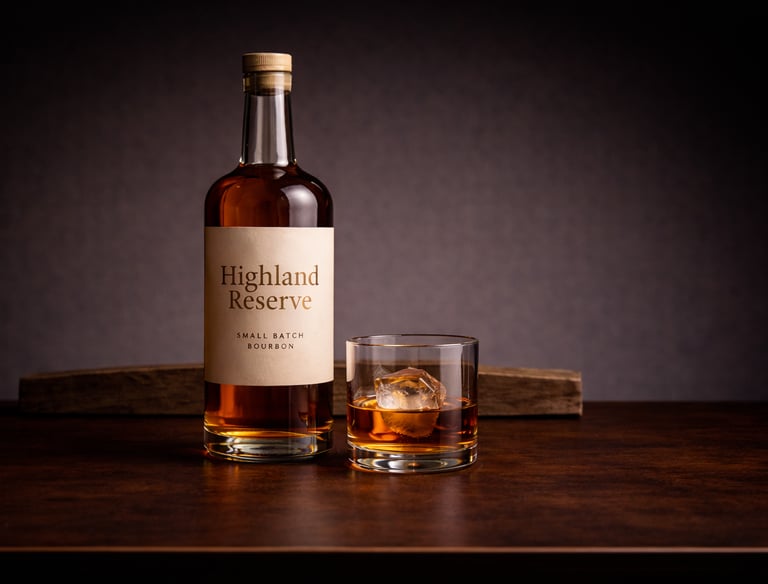
Whiskey is distilled from fermented grain mash and typically aged in oak barrels. The grain recipe (corn, rye, barley, wheat) shapes flavor, while oak maturation contributes structure, tannin, and caramelized depth.
Styles range from bourbon and rye to Scotch and Irish whiskey, each governed by regional standards and aging practices.
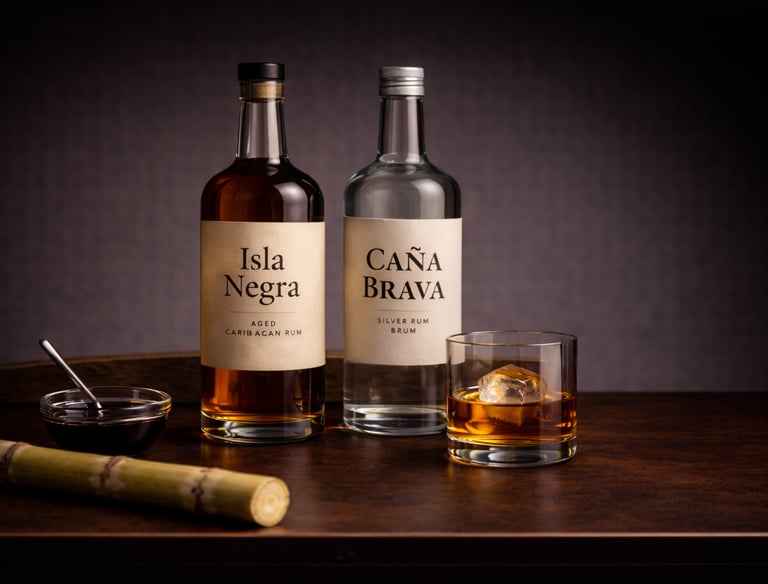
Rum is distilled from sugarcane juice or molasses. It can be light and clean or dark and molasses-rich, depending on fermentation length, distillation style, and aging decisions.
Some rums emphasize freshness and clarity. Others develop deep caramel, spice, and oxidative character in oak.
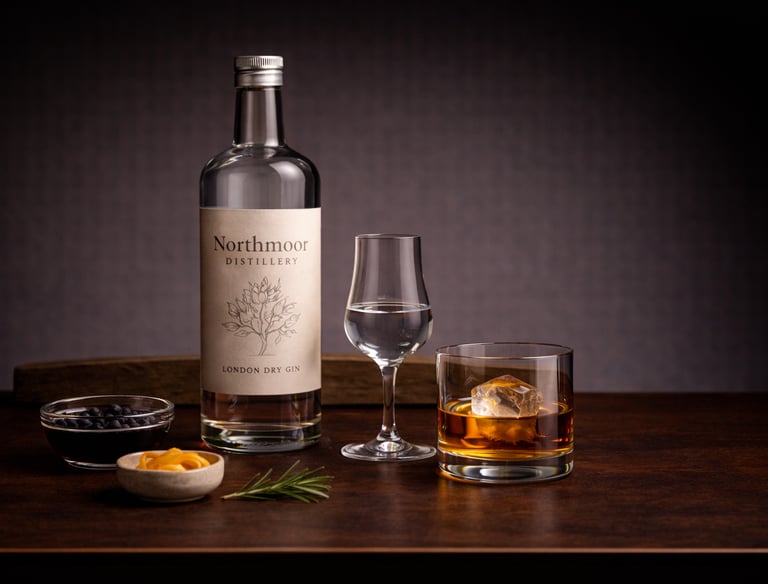
Gin begins as neutral spirit and is infused with botanicals — most notably juniper. The botanical blend defines its identity.
Styles range from traditional London Dry to contemporary citrus- or floral-forward expressions.
Gin is structured less by aging and more by botanical composition and distillation precision.
Major Distilled Categories
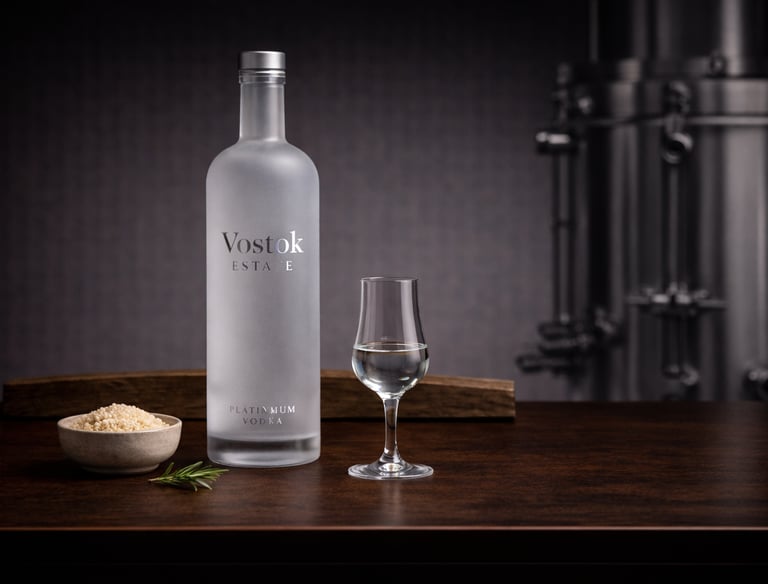
Vodka is distilled to high purity and typically filtered for neutrality. It can be produced from grain, potato, or other fermentable bases, though the goal remains minimal flavor expression.
Structure here is defined by texture, filtration, and mouthfeel rather than overt aroma.
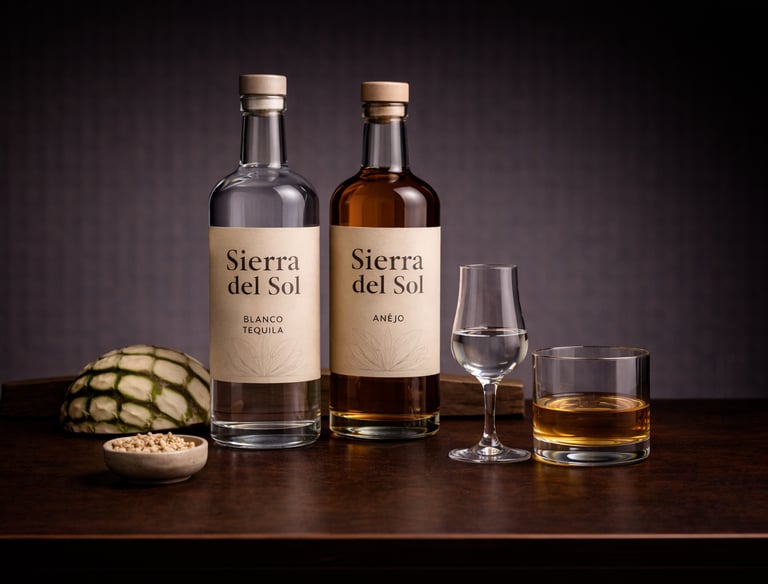
Tequila and related agave spirits are distilled from fermented agave sugars. Regional regulations and production methods strongly influence character.
Unaged expressions highlight vegetal freshness. Aged styles gain structure and sweetness from oak.
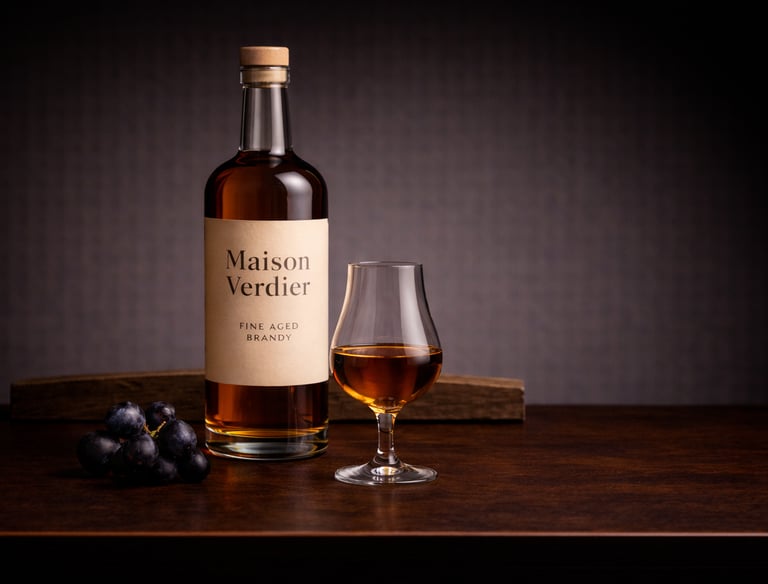
Brandy is distilled from wine or fermented fruit. Aging in oak can produce nutty, dried-fruit complexity and soft oxidative depth.
From Cognac to Armagnac and fruit brandies, the category bridges fermentation and distillation traditions.
Distilled spirits are defined primarily by their base ingredient and production method.
Proof, Body & Flavor
Spirits are often evaluated through proof and aging, but structure extends beyond alcohol percentage.
Alcohol by Volume (ABV) & Proof
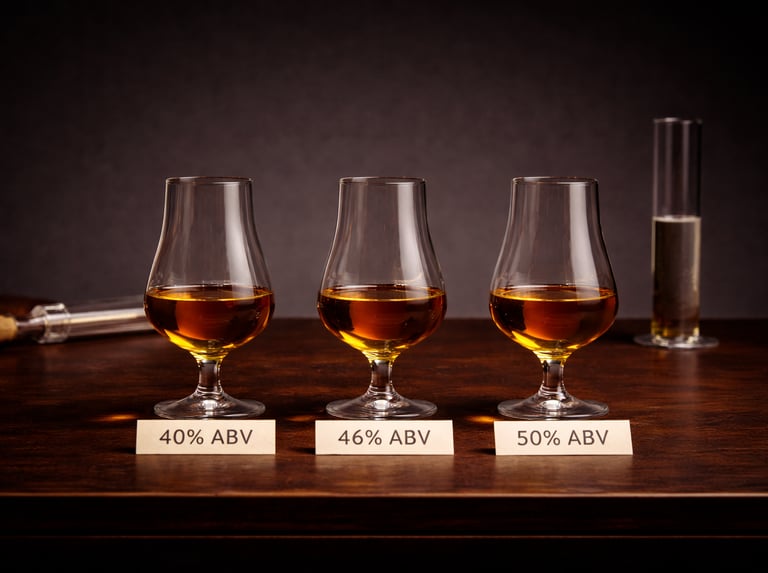
Most spirits range between 35–50% ABV. Higher proof intensifies aroma and heat while amplifying body and persistence.
Proof is simply a measure of alcohol concentration. Higher proof spirits require thoughtful dilution. It affects perception but does not determine quality.
Body & Texture
Texture in spirits can be:
• Lean and sharp
• Oily and viscous
• Round and full
Distillation cuts, filtration, and aging influence mouthfeel as much as alcohol strength.
Oak Influence
Barrel aging extracts:
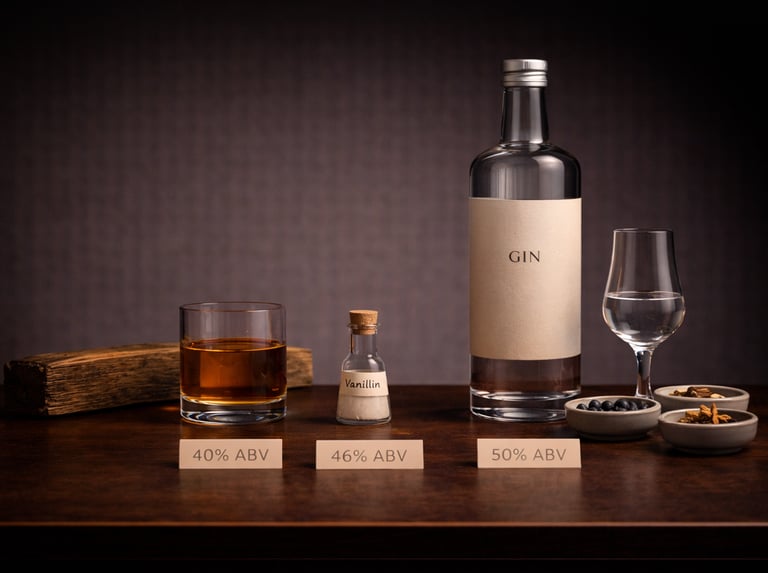
• Vanillin
• Caramelized sugars
• Tannins
• Spice compounds
Glass shape can influence how oak-derived aromas are perceived.
Oak also introduces slow oxidation, softening structure and integrating flavors over time.
Botanicals & Additives
In gin and certain rums or liqueurs, botanical infusion defines aromatic identity. These elements shape the sensory profile without necessarily altering alcohol structure.
Understanding these variables allows you to assess spirits beyond brand reputation.
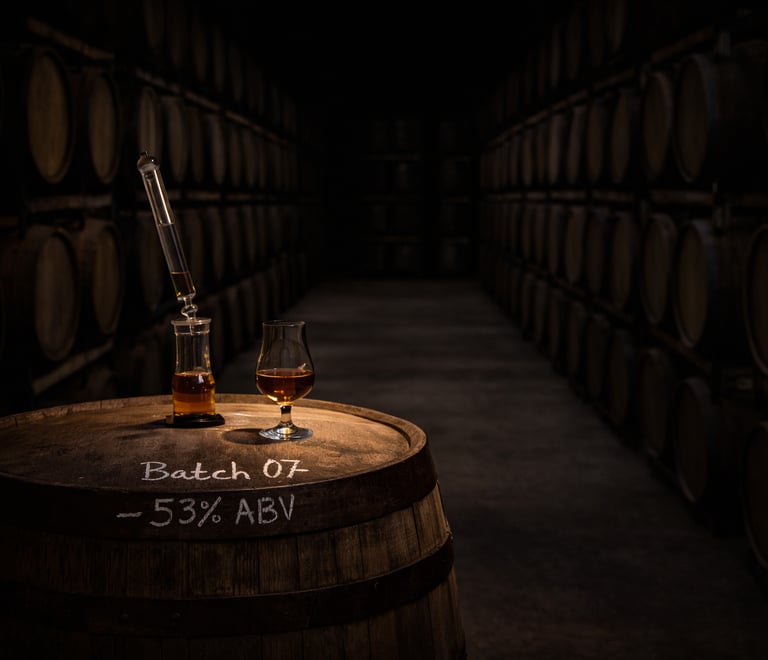
The Role of Maturation
Oak barrels influence a spirit through:
Extraction – pulling flavor compounds from wood
Oxidation – gradual exposure to air softens edges
Evaporation – alcohol and water loss concentrates flavor
Climate Interaction – warmer climates accelerate aging
Not all spirits are aged. When aging occurs, it reshapes structure significantly.
Whiskey and aged rum rely heavily on barrel time for identity.
Vodka and many gins are typically unaged.
Tequila may range from unaged blanco to deeply matured añejo.
Aging is not a guarantee of superiority. It is a stylistic decision.
Unaged & Barrel-Aged Styles
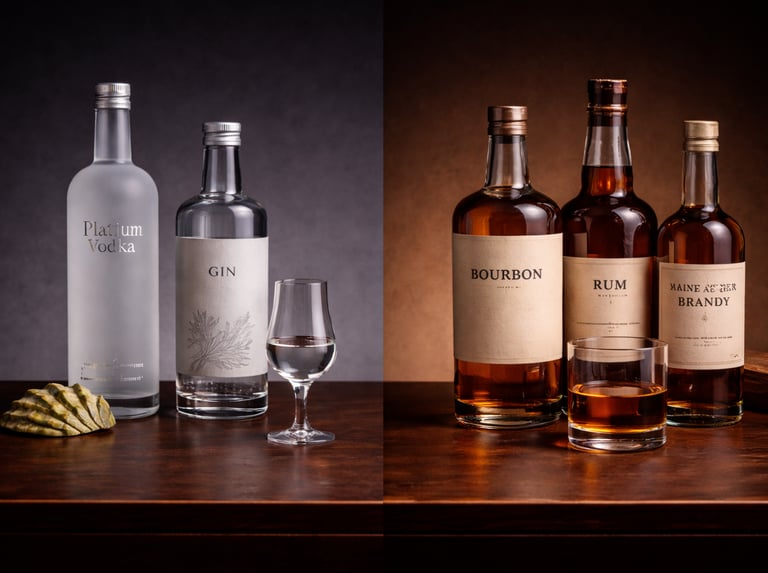
Clear spirits are often lighter in aroma and sharper in structure. They emphasize ingredient purity and distillation precision.
Examples include:
• Vodka
• Gin
• Blanco tequila
• Unaged rum
Barrel-aged spirits develop greater depth, sweetness, and tannic influence.
Examples include:
• Bourbon
• Aged rum
• Reposado and añejo tequila
• Brandy
The distinction is not about quality — it is about structure and intended use.
Structural Backbone of Mixed Drinks
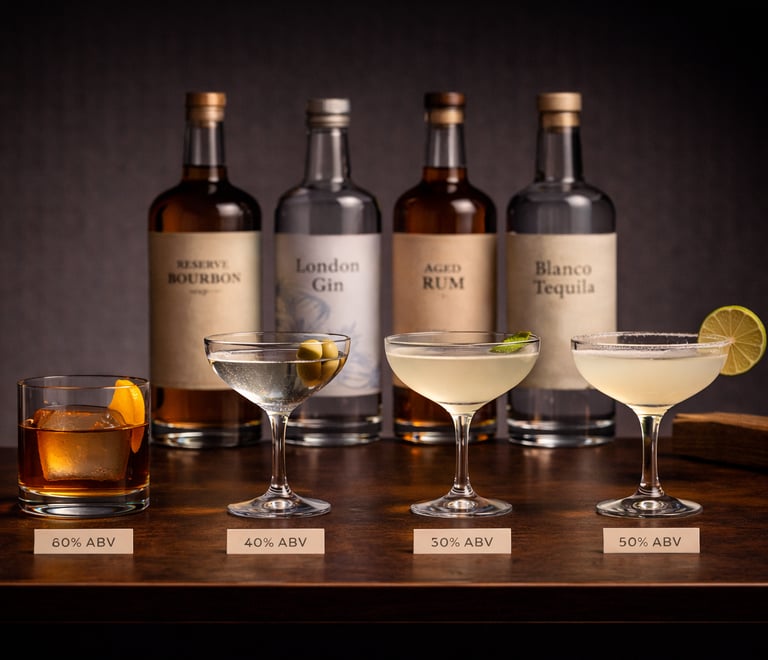
In mixed drinks, the base spirit defines structure.
Whiskey introduces depth and oak.
Gin brings botanical lift.
Rum adds sweetness and warmth.
Tequila offers vegetal sharpness.
Modifiers — vermouth, bitters, citrus, sugar — adjust balance. But the spirit anchors the drink.
Understanding base structure allows for intelligent cocktail selection rather than random combination.
How to Choose Spirits
Selecting spirits becomes easier when structure leads the decision.
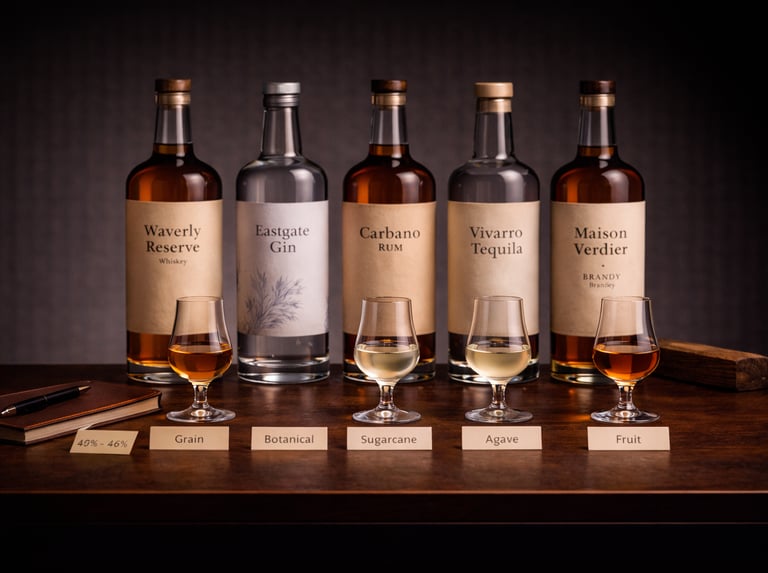
Start with these principles:
• Identify your base ingredient preference (grain, agave, sugarcane, fruit)
• Decide your proof tolerance
• Consider whether you prefer aged depth or clean clarity
• Avoid being guided solely by label age statements
• Build foundational bottles before expanding into specialty expressions
Best Whiskey
Best Gin
Best Tequila
Best Home Bar Starter Bottles
Responsible Enjoyment
Spirits carry higher alcohol concentration than fermented beverages.
Most range between 35–50% ABV. Higher proof demands slower pacing and intentional serving sizes.
Serve thoughtfully.
Hydrate consistently.
Respect alcohol strength.
See also → Education, Safety & Responsibility
© 2026 Barkeepers Buzz. All rights reserved.
Barkeepers Buzz
Master cocktails, spirits, and bar knowledge with clarity and precision. Built for serious home enthusiasts.
Crafted with respect for the culture — and the responsibility that comes with it.
For educational purposes only. Intended for legal drinking age audiences. Please drink responsibly.
General Inquiries: