
Japanese vs Bell Jiggers
When building a home bar, one of the most important tools to understand is the jigger. While all jiggers measure liquid, their design affects accuracy, speed, and ease of use.
Two styles dominate the conversation: the Japanese jigger and the Bell jigger.
Both measure the same volumes and serve the same purpose, but their shape, balance, and pouring behavior create very different experiences behind the bar.
Understanding these differences helps you choose the jigger that fits your workflow and improves your consistency when making cocktails.
If you're new to measuring, start with our guide to Cocktail Jigger Measurements.
Transparency Note: We may earn a commission from qualifying purchases. Product selections are made independently and are not influenced by manufacturers.
Key Differences
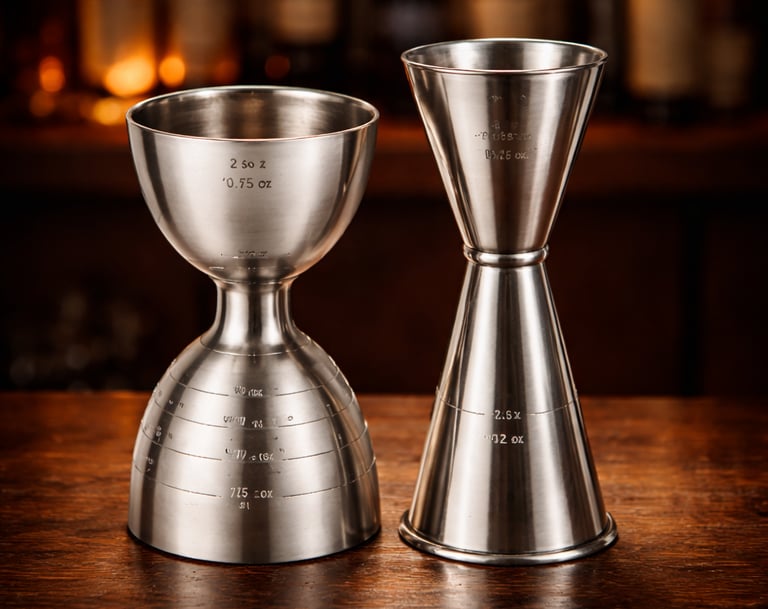
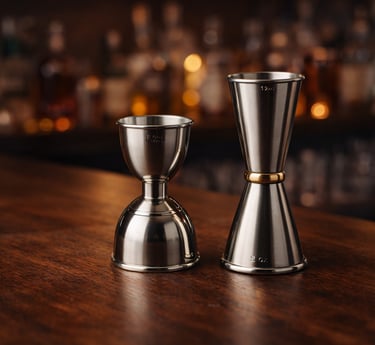
The main difference between Japanese and Bell jiggers is their shape.
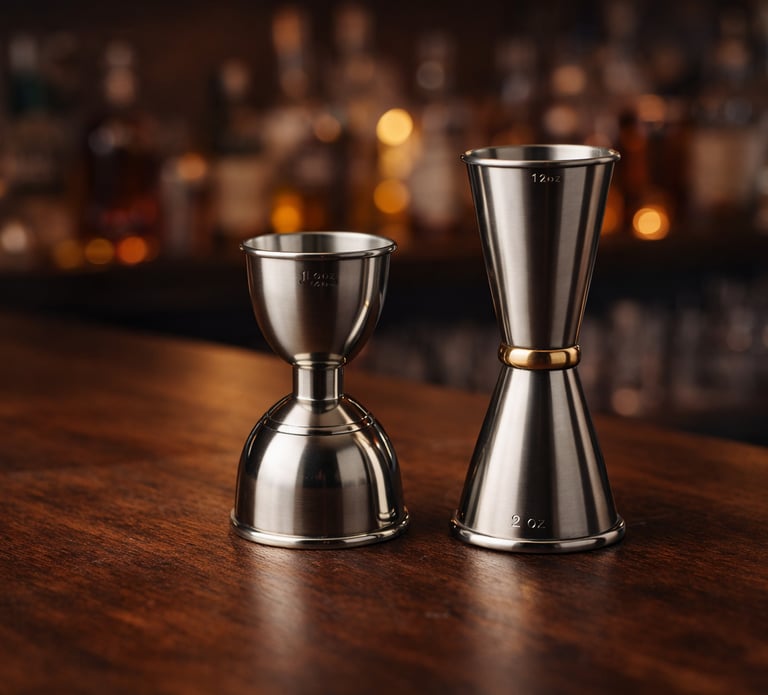
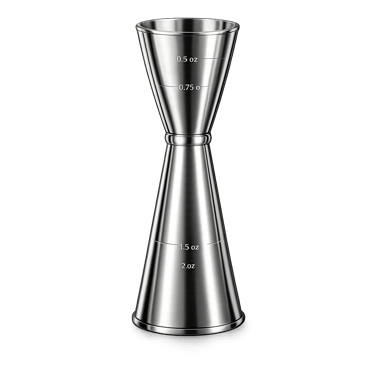
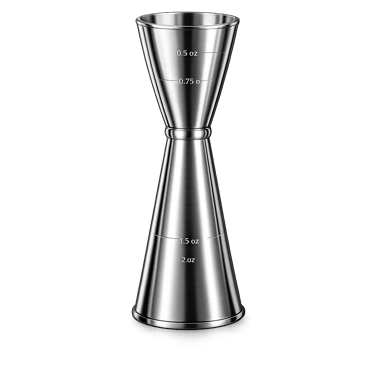
Japanese jiggers are tall and narrow, with a more refined profile and clearly defined measurement lines. They are designed for precision and controlled pouring.
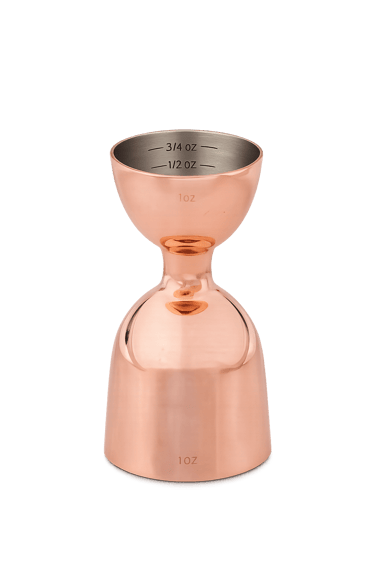
Bell jiggers are shorter and wider, with a rounded, hourglass-like shape. They prioritize stability and ease of handling.
While both tools measure the same volumes, the experience of using them feels noticeably different.
Japanese jiggers emphasize accuracy and control. Bell jiggers emphasize comfort and speed.
Design Comparison
Bell Jigger Design
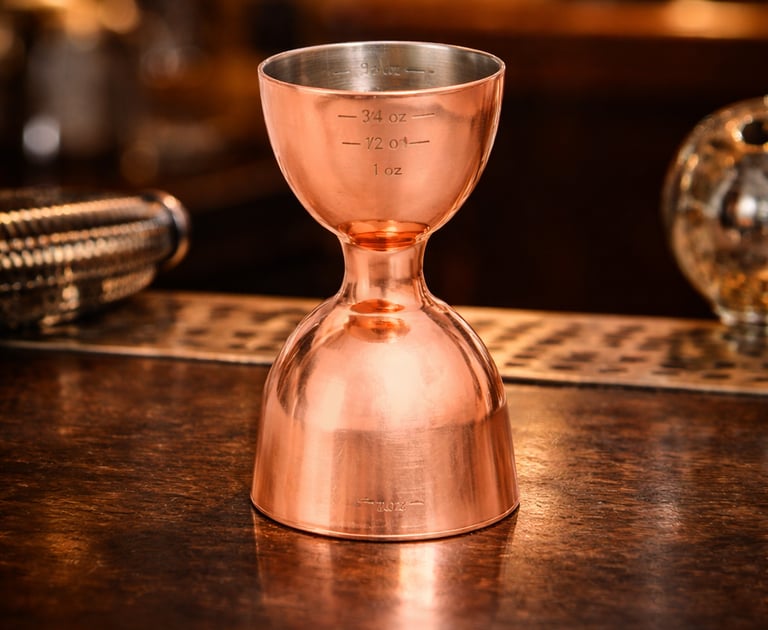
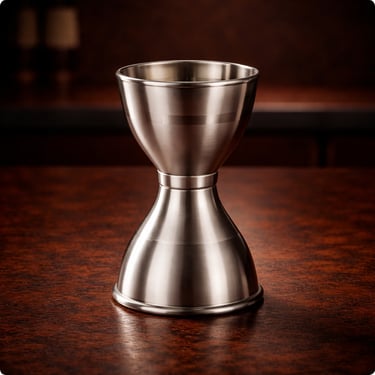
Bell jiggers have a rounded, hourglass shape with wider cups.
They typically include:
• smooth curved sides
• a wider opening for faster filling
• a more compact overall height
The wider shape makes them easier to fill quickly, especially during busy mixing sessions.
However, the larger opening can make them slightly more prone to spilling if overfilled.
Bell jiggers are often preferred by beginners because they feel more stable in hand.
Related article: How Bartenders Measure Cocktails
Japanese Jigger Design
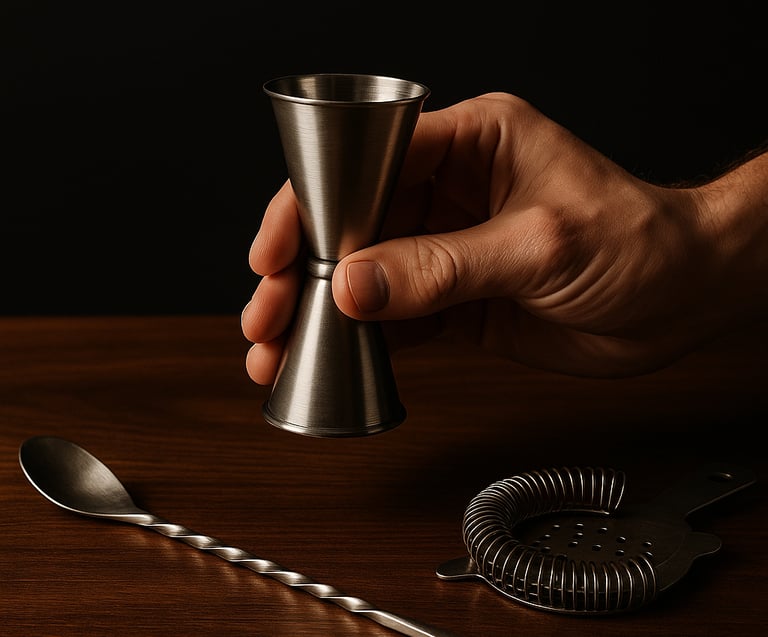
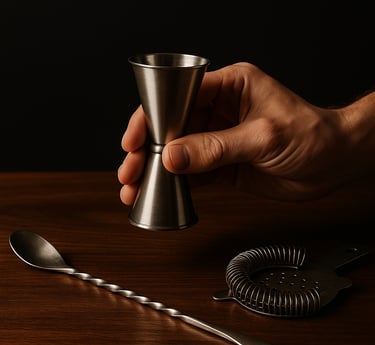
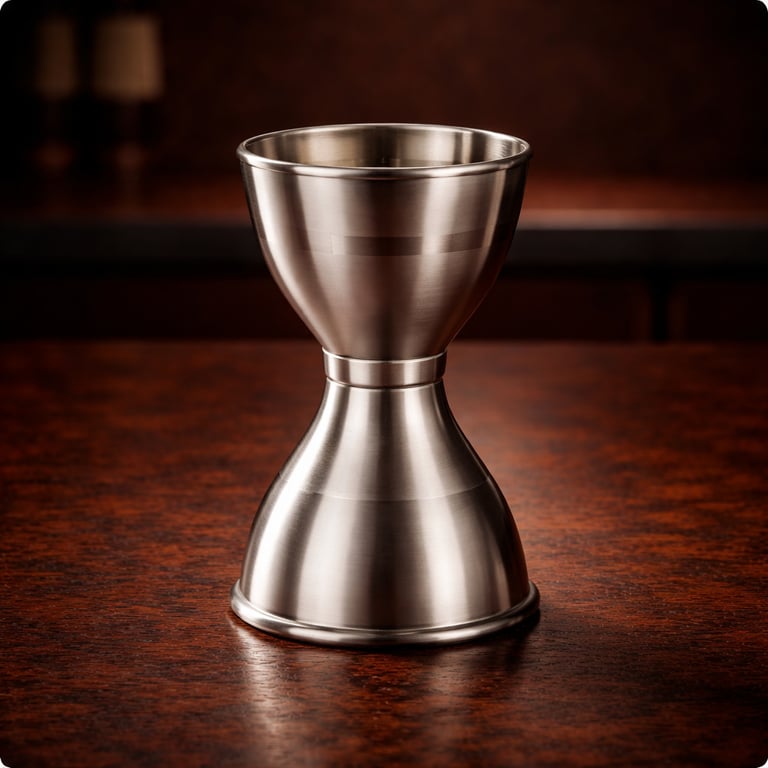
Japanese jiggers feature a slim, elongated shape with straight or slightly tapered sides.
They typically include:
• clearly etched internal measurement lines
• a narrow opening for controlled pouring
• a taller profile for precise fills
Because of their height, they allow bartenders to measure smaller increments more accurately. The narrow design also helps reduce spillage when pouring.
Many bartenders prefer Japanese jiggers when working with spirit-forward cocktails where precision is critical.
Related article: Why Jigger Shape Matters
Performance Comparison
Accuracy
Japanese jiggers provide more precise measurement control due to their narrow shape and clearly defined measurement lines.
Bell jiggers still offer accurate measurements but may be slightly harder to fill to exact levels because of their wider opening.
For cocktails where balance is critical, many bartenders prefer the control of a Japanese jigger.
Speed
Bell jiggers are often faster to use.
Their wider opening allows for quick filling and pouring, which can be helpful when making multiple drinks in succession.
Japanese jiggers can be slightly slower but offer more controlled pours, especially for smaller measurements.
Ease of Use
Bell jiggers are generally easier for beginners.
Their shape is more forgiving, and they are less likely to tip or feel unstable when learning to measure.
Japanese jiggers require a bit more precision but become very efficient once you are comfortable using them.
Spill Control
Japanese jiggers tend to reduce spills due to their narrow opening and controlled pour.
Bell jiggers can be more prone to spilling if filled too quickly or overfilled.
Learning proper pouring technique helps minimize this difference.
Who Each Jigger Is For
Choosing between these two designs often comes down to experience level and personal preference.
Bell Jigger
Best for:
• beginners learning cocktail basics
• casual home bartenders
• those who prioritize speed and ease
• users who prefer a more stable grip
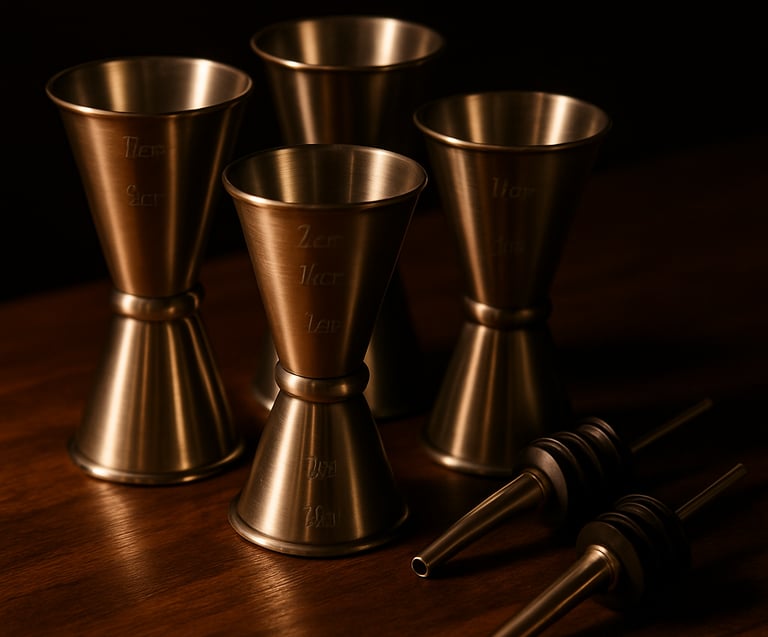
Bell jiggers are simple, forgiving, and easy to use, making them a great starting point for many home bars.
Japanese Jigger
Best for:
• home bartenders focused on precision
• making classic and spirit-forward cocktails
• users comfortable with careful pouring
• those who prefer a refined, professional feel
Japanese jiggers reward good technique and provide consistent, repeatable measurements once mastered.
Common Problems and Mistakes
Many issues with jiggers come from technique rather than design.
One common mistake is overfilling the jigger. This increases the chance of spills, especially with Bell jiggers.
Another issue is underfilling, which leads to inconsistent cocktail balance.
With Japanese jiggers, beginners sometimes struggle with the narrow opening, leading to slower pours or hesitation.
Regardless of the style, consistency improves with practice.
Understanding how measurement works is more important than the specific jigger design.
For a deeper look at measurement fundamentals, see Cocktail Jigger Measurements.




THE SHOWDOWN
Japanese Jigger
Bell Jigger

✓ Precise measurement lines
✓ Controlled pouring
✓ Professional-style design
✓ Easy to handle
✓ Faster filling
✓ Beginner-friendly design
Final Recommendation
Both Japanese and Bell jiggers are capable of producing accurate, well-balanced cocktails when used correctly.
If your priority is precision and control, the Japanese jigger is typically the better long-term choice.
If you prefer simplicity and ease of use, the Bell jigger offers a more forgiving experience and a faster learning curve.
For most home bartenders, the best approach is to choose the jigger that feels comfortable in your hand and supports consistent measurement.
If you want to explore the best-performing jigger options available, see our full guide:
You can also explore how jiggers fit into a complete setup in our Bar Tools guide.
© 2026 Barkeepers Buzz. All rights reserved.
Barkeepers Buzz
Master cocktails, spirits, and bar knowledge with clarity and precision. Built for serious home enthusiasts.
Crafted with respect for the culture — and the responsibility that comes with it.
For educational purposes only. Intended for legal drinking age audiences. Please drink responsibly.
General Inquiries: