
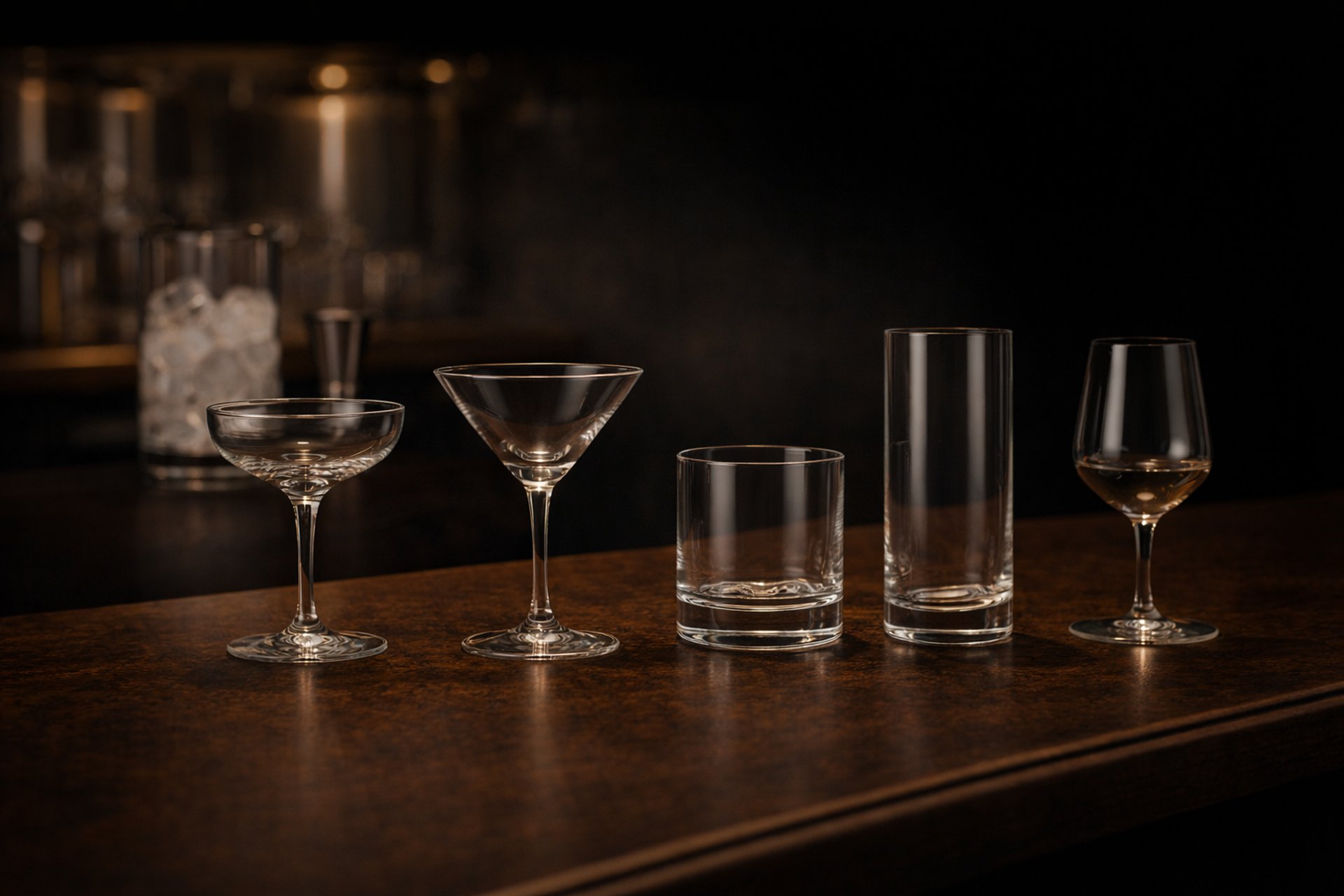
Best Wine Glasses
Wine glass design is structural.
Bowl size influences oxygen exposure.
Rim diameter controls aroma concentration.
Stem length affects temperature stability.
Glass thickness alters tactile perception.
The correct glass does not change the wine — it changes how you experience it.
This guide evaluates bowl geometry, rim finish, clarity, balance, durability, and versatility across red, white, and universal designs.
No novelty oversized bowls.
No heavy decorative etching.
Only well-proportioned stemware designed for real use.
BEST Essential
Essential Wine Glass
Best for: DAILY TABLE USE
$$
BEST Refined
Refined Wine Glass
Best for: STRUCTURED TASTING
$$ - $$$
BEST PREMIUM
Pro/Service Wine Glass
Best for: SERVICE & TASTING
$$$
Transparency Note: We may earn a commission from qualifying purchases. Product selections are made independently and are not influenced by manufacturers.
Why Wine Glass Shape Matters
Wine expresses aromatics through volatile compounds.
A larger bowl allows:
Increased oxygen contact
Enhanced aromatic development
Softer tannin perception
A narrower bowl:
Concentrates aroma upward
Preserves cooler serving temperature
Controls oxidation
Glass geometry influences:
• Aroma intensity
• Perceived sweetness
• Texture
• Alcohol integration
Structure precedes preference.
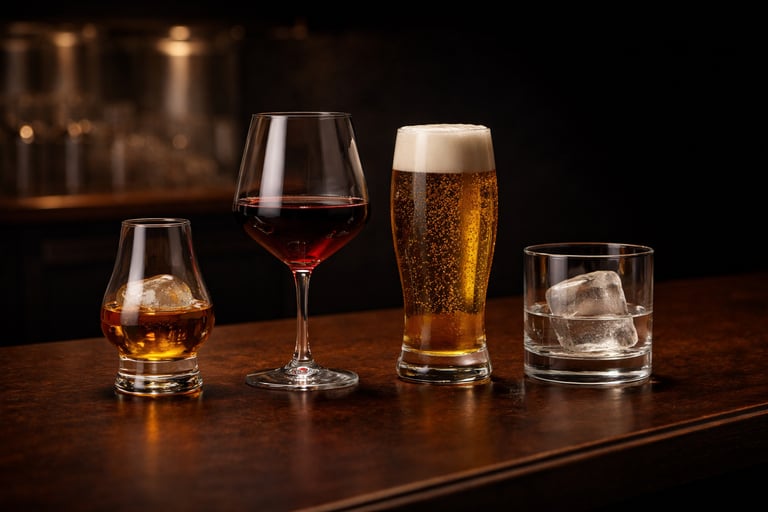
Types of Wine Glasses
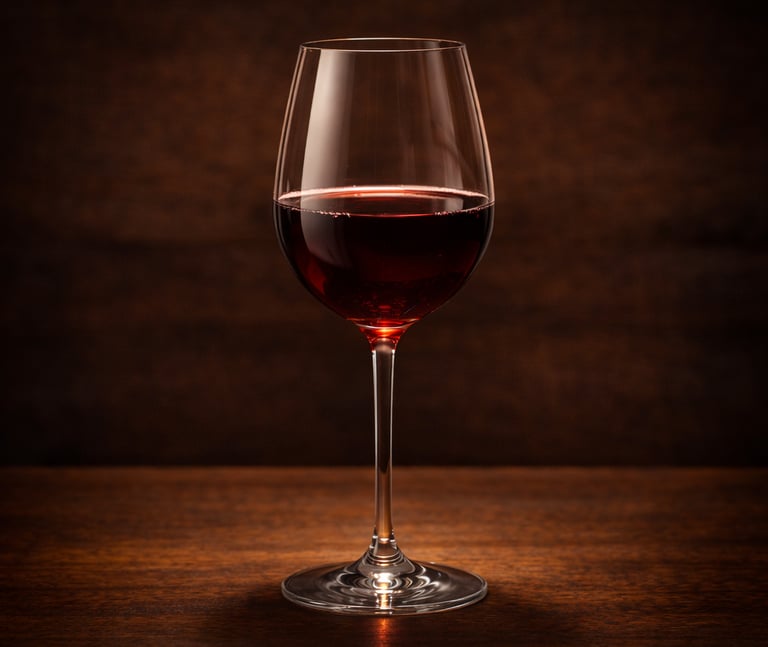
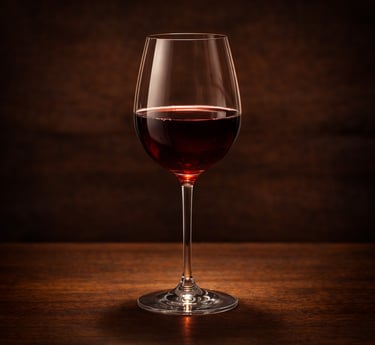
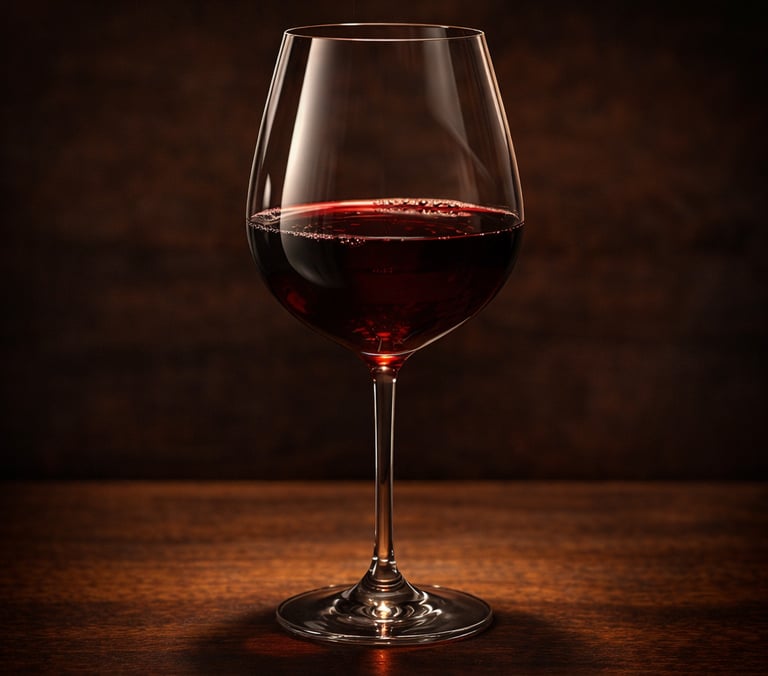
Red Wine Glass
Characteristics:
Larger bowl
Wider rim
Increased surface area
Designed to:
Aerate fuller-bodied wines
Soften tannins
Expand aromatic complexity
Best for:
Cabernet Sauvignon
Merlot
Syrah
Zinfandel
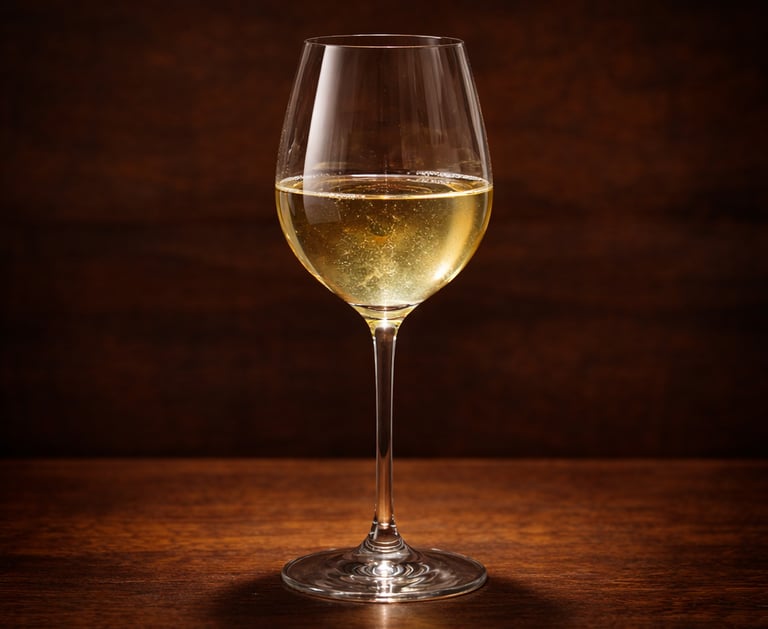
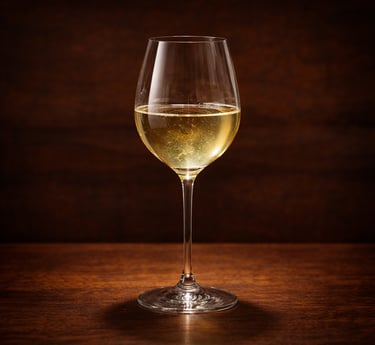
White Wine Glass
Characteristics:
Smaller bowl
Narrower opening
Slightly shorter stem
Designed to:
Preserve cooler temperature
Maintain acidity brightness
Focus delicate aromatics
Best for:
Sauvignon Blanc
Chardonnay
Pinot Grigio
Riesling
Universal Wine Glass
Balanced design that bridges red and white applications.
Characteristics:
Moderate bowl size
Controlled rim diameter
Versatile proportions
Best for:
Mixed collections
Limited cabinet space
Everyday use
For many home bars, a universal glass provides the most practical solution.
What to Look For
Rim Thickness
Thin rims improve tactile experience and allow smoother flow across the palate.
Avoid:
Thick, rounded rims
Heavy rolled edges
A thin rim elevates perceived refinement.
Bowl Proportion
The bowl should:
Allow gentle swirling
Provide adequate oxygen contact
Avoid extreme oversizing
Oversized bowls can cause excessive oxidation and temperature drift.
Stem Stability
Look for:
Reinforced stem-to-bowl connection
Balanced weight distribution
Comfortable grip height
Stems prevent hand heat from warming the wine prematurely.
Stemless glasses are casual but reduce temperature control.
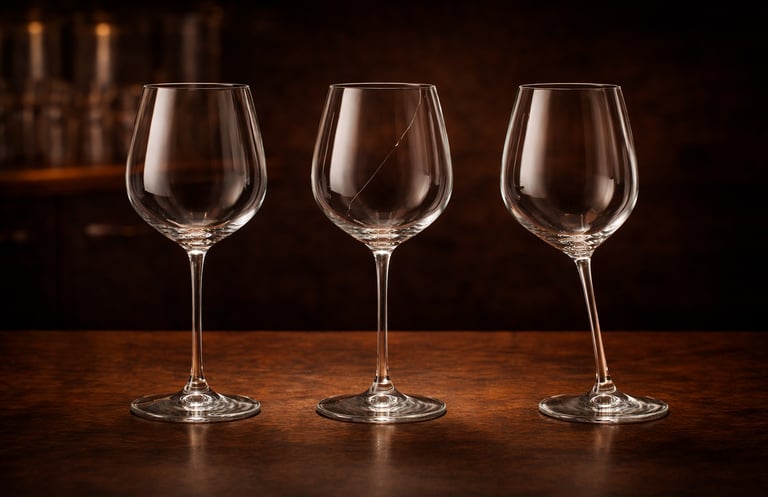
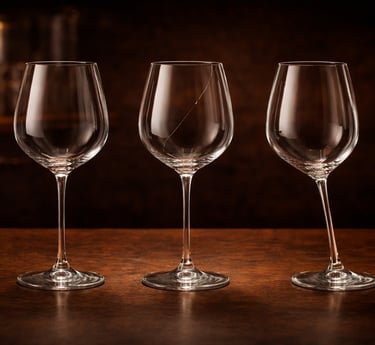
Material
Crystal:
Greater clarity
Thinner rim potential
More fragile
Standard Glass:
More durable
Often dishwasher safe
Slightly thicker feel
For everyday home bars, durability often outweighs extreme delicacy.
Capacity Guidelines
Red Wine Glass:
16–22 oz bowl capacity
White Wine Glass:
12–16 oz bowl capacity
Universal Glass:
14–18 oz capacity
Remember: You do not fill to the rim.
Capacity supports oxygen exposure and swirl space.
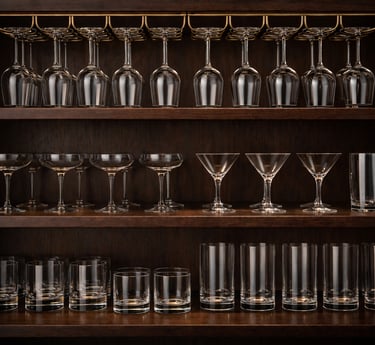
Recommended Wine Glass Categories
Essential · Universal Wine Glass
The Essential tier prioritizes durability and balanced aromatic presentation.
Universal bowl shapes provide moderate oxygen exposure and controlled taper without requiring varietal specificity.
Balanced bowl diameter
Moderate taper for aroma containment
Standard-cut rim
Reinforced stem and base
Designed for daily use and general-purpose pours.
Best suited for foundational wine service and casual tasting.
Refined · Varietal-Optimized Glass
The Refined tier improves bowl proportion and rim precision.
Geometry is adjusted to support specific wine structures — enhancing aromatic lift, acid perception, and texture clarity.
Varietal-informed bowl shape
Narrower or broader taper depending on style
Laser-cut thin rim
Improved balance and weight distribution
Built for structured tasting and more intentional service.
Recommended for focused wine study and refined dining environments.
Professional · Precision Service Glass
The Professional tier emphasizes engineered bowl geometry and long-term clarity under repetition.
Glass thickness, rim cut, and stem proportion are optimized for consistent aromatic expression across repeated service cycles.
Precision bowl volume
Ultra-thin laser-cut rim
High-clarity lead-free crystal
Service-grade structural durability
Designed for tasting rooms, professional service, and advanced wine evaluation.
Built for disciplined service and maximum sensory accuracy.
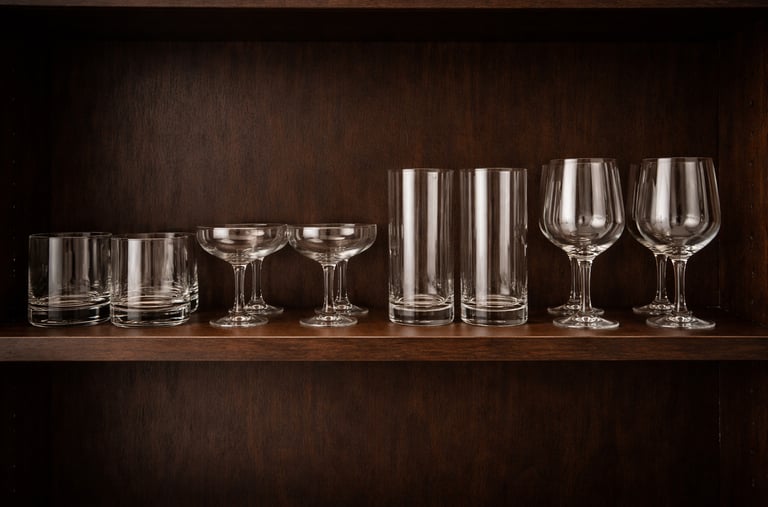
A wine glass shapes aroma, structure, and perception.
Bowl geometry determines oxygen exposure.
Rim thickness affects delivery.
Stem balance influences control and temperature stability.
Performance is dictated by structural design — not decorative detail.
Below is a breakdown of the tiers that matter most.
The following selections represent the strongest structural examples within each tier.
Essential Wine
Glass
BEST FOR: DAILY TABLE USE
Built for durability and balanced aromatics. The goal isn’t varietal specificity — it’s structural stability and reliable everyday performance.
TYPE
Universal
RIM PROFILE
Standard Cut
STRUCTURE
Balanced Bowl
DURABILITY
Dishwasher Safe
WHY IT WINS Essential
Balanced aroma development
Stable stem and base
Durable for daily use
USE CASE
Weeknight dinners
Casual entertaining
General-purpose pours
8.8
OVERALL SCORE
Refined Wine
Glass
BEST FOR: STRUCTURED TASTING
Built for improved aromatic focus and rim precision. The goal is bowl proportion, controlled taper, and enhanced sensory clarity.
TYPE
Varietal-Optimized
RIM PROFILE
Laser-Cut Thin
STRUCTURE
Refined Bowl Geometry
DURABILITY
Delicate / Moderate
WHY IT WINS Refined
Improved aromatic concentration
Thinner rim for cleaner perception
Better balance in hand
USE CASE
Focused tasting
Structured dinner settings
Varietal exploration
9.1
OVERALL SCORE
Pro/Service Wine
Glass
BEST FOR: SERVICE & SERIOUS TASTING
Built for precision aromatics and structural balance under repetition. The goal is bowl engineering, rim finesse, and long-term clarity.
TYPE
Service-Grade
RIM PROFILE
Ultra-Thin Laser Cut
STRUCTURE
Pro Bowl Geometry
DURABILITY
Service-Level Strength
WHY IT WINS Pro
Maximum aromatic clarity
Precise rim delivery
Balanced stem for extended service
USE CASE
Tasting rooms
Formal service
Advanced wine study
9.5
OVERALL SCORE
How We Evaluate Wine Glasses
1. Bowl Geometry & Volume
Bowl shape determines how aroma develops and how the wine moves across the palate.
Diameter, height, and taper influence oxygen interaction and aromatic lift.
We assess:
Total bowl volume
Maximum diameter width
Taper angle toward the rim
Surface area exposure
Geometry must support structure within the wine — not overwhelm it.
2. Rim Thickness & Cut Quality
Rim profile directly affects delivery.
Thinner, laser-cut rims allow cleaner flow and reduce interruption of perceived texture. Thick rolled rims alter the tactile experience and disrupt structural clarity.
We assess:
Rim thickness
Edge precision
Consistency of cut
Durability over time
Rim design influences perception more than most realize.
3. Stem Balance & Structural Stability
A glass must feel balanced in hand.
Stem length, base diameter, and weight distribution influence stability and temperature control.
We assess:
Center of gravity
Stem rigidity
Base stability
Resistance to tipping
Poor balance reduces control during service.
4. Clarity & Material Composition
Optical clarity affects visual assessment of color and viscosity.
Lead-free crystal and high-quality glass differ in density and light refraction, but clarity must remain consistent across repeated washing cycles.
We assess:
Optical distortion
Consistency of thickness
Resistance to clouding
Structural integrity under temperature shifts
Material is evaluated on performance — not prestige.
5. Durability Under Repetition
Wine glasses must withstand real-world handling.
We evaluate:
Stem strength
Base reinforcement
Resistance to chipping
Performance through repeated washing
Fragility does not equal refinement.
Structural precision must coexist with durability.
What We Do Not Consider
Decorative etching
Brand prestige
Logo placement
Packaging presentation
Trend positioning
A wine glass is evaluated on how its structure shapes perception — not how it appears on a table.
Structure determines quality.
A wine glass is a sensory instrument.
Its structure influences aroma concentration, oxygen exposure, texture perception, and temperature stability.
We evaluate wine glasses based on measurable structural characteristics — not branding, ornament, or prestige positioning.
Dishwasher Safety & Practicality
If hosting frequently, prioritize:
Dishwasher-safe durability
Reinforced stems
Moderate rim thickness
If building a display-focused cabinet, refined crystal may be appropriate — but requires careful maintenance.
Function should precede fragility.
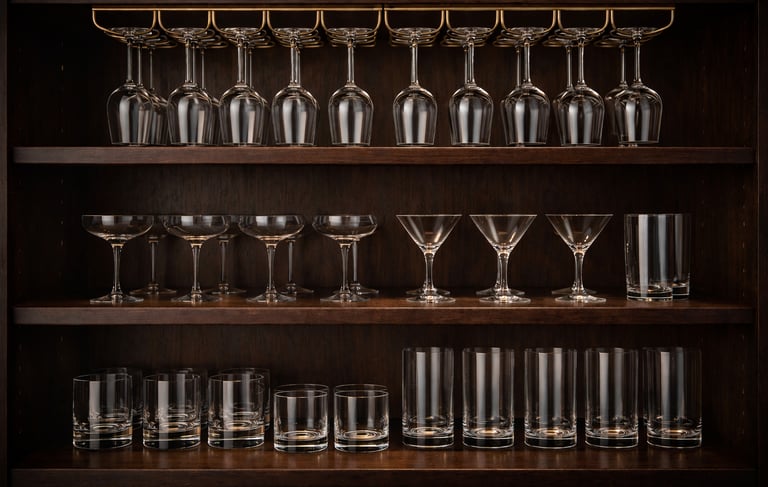
Storage & Integration
Wine glass storage integrates directly with:
→ Home Bar Cabinets
→ Best Bar Carts
→ Beverage Fridges
→ Wine · Mead · The Fermented
Proper storage includes:
Adequate stem clearance
Dust protection
Stable shelving
Overcrowding increases breakage risk.
How Many Wine Glasses Do You Need?
A refined home bar often operates efficiently with:
4–6 universal glasses
Optional 2–4 red-specific glasses
Beyond that, expansion becomes collection-specific rather than structural necessity.
Building Intelligently
You do not need a cabinet full of grape-specific shapes.
You need:
Balanced bowl geometry
Thin rim
Stable stem
Durable construction
From there, refinement becomes preference rather than requirement.
Wine glasses are sensory architecture.
When proportioned correctly, they elevate aroma, texture, and temperature control without distraction.
Wine Glass Frequently Asked Questions
Does glass shape really affect how wine tastes?
Yes.
Bowl geometry influences oxygen exposure, aromatic concentration, and how wine flows across the palate.
Changes in diameter and taper alter perception of acidity, alcohol integration, and texture clarity.
Structure affects sensory delivery.
Is a universal wine glass sufficient for most wines?
In many cases, yes.
A well-designed universal bowl provides balanced oxygen exposure and controlled aromatic lift for a wide range of styles.
Varietal-specific glasses refine perception — they do not replace foundational geometry.
Why are thinner rims preferred?
Thinner, laser-cut rims allow cleaner liquid transfer and reduce tactile interruption.
Thicker rolled rims alter the flow rate and can slightly distort perceived texture.
Rim precision affects delivery more than bowl size alone.
Does larger bowl size improve aroma?
Not automatically.
Excessive bowl volume can disperse aromatic concentration rather than enhance it.
Proper taper and diameter balance are more important than sheer size.
Volume must support structure within the wine.
Is crystal better than standard glass?
Crystal is typically denser and can allow thinner construction with improved clarity.
However, structural performance — bowl proportion, rim cut, and balance — determines quality more than material label alone.
Material influences refinement. Geometry determines performance.
Do expensive wine glasses improve the wine?
They can improve perception — but only when structural engineering supports aromatic concentration and delivery.
Price alone does not guarantee optimized bowl geometry or rim precision.
Performance is measurable. Prestige is not.
Does stem length matter?
Yes.
Stem length influences balance, grip control, and temperature management.
A properly proportioned stem improves stability and reduces hand heat transfer into the bowl.
It is a structural component, not decoration.
Are stemless wine glasses inferior?
For structured tasting — often, yes.
Holding the bowl increases heat transfer and can disrupt temperature stability.
Stemless designs may be practical for casual use, but they reduce control in formal service.
How long should a quality wine glass last?
A well-constructed glass should maintain clarity, rim integrity, and structural balance through repeated washing and handling.
Longevity depends on material strength and edge precision — not branding.
Fragility is not refinement.
Can one glass style work for both red and white wine?
A balanced universal glass can perform effectively across both categories.
However, larger bowls generally support red wine structure, while narrower bowls maintain aromatic concentration and temperature control for whites.
Geometry should align with wine structure.
© 2026 Barkeepers Buzz. All rights reserved.
Barkeepers Buzz
Master cocktails, spirits, and bar knowledge with clarity and precision. Built for serious home enthusiasts.
Crafted with respect for the culture — and the responsibility that comes with it.
For educational purposes only. Intended for legal drinking age audiences. Please drink responsibly.
General Inquiries: