
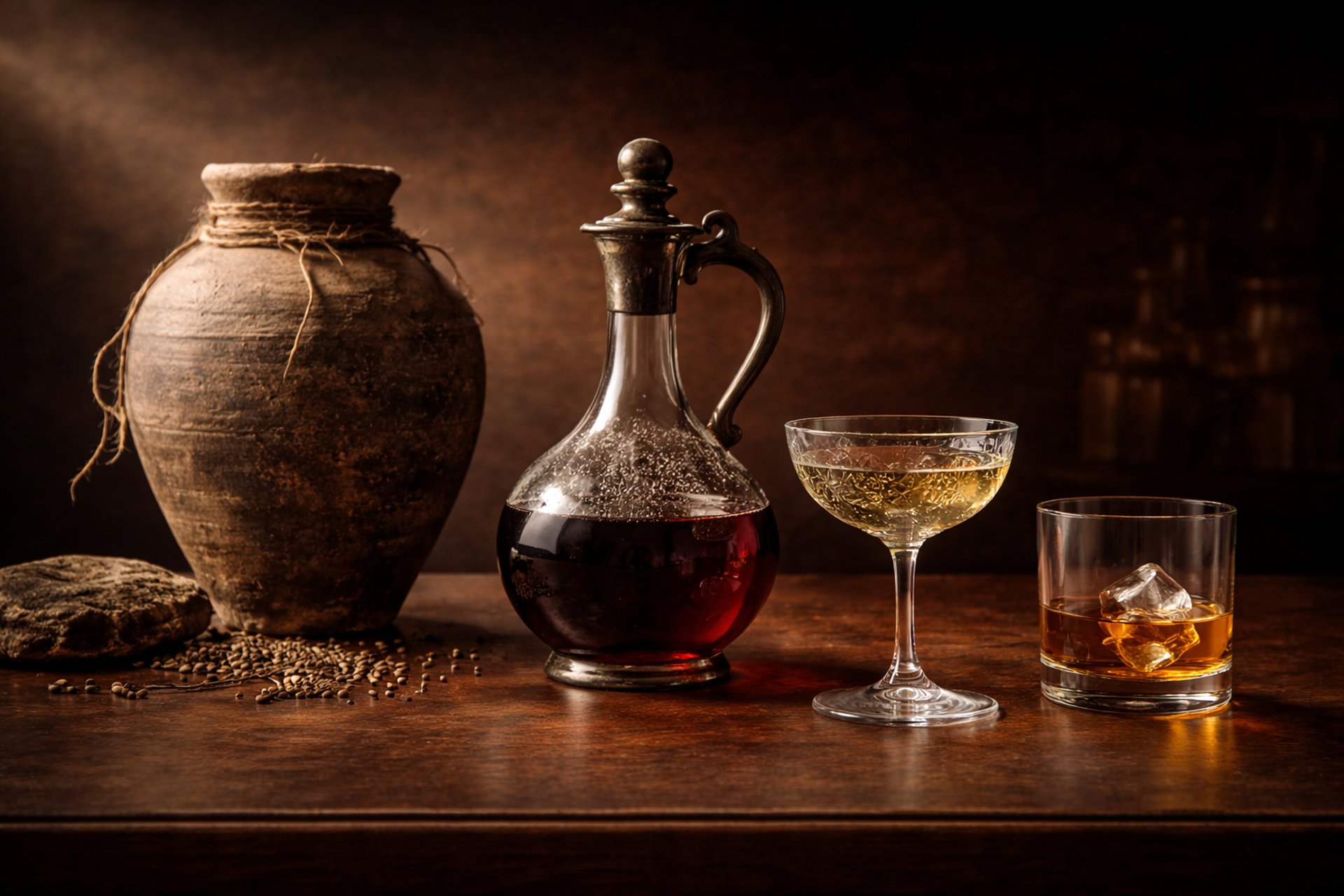
Alcohol History & Culture
From Ancient Fermentation to Modern Craft Movements
Alcohol is not merely a beverage category. It is one of humanity’s oldest technological achievements.
Long before industrial distillation, before global trade routes, before written language in many regions, fermentation was already present. It emerged independently across civilizations — not as indulgence, but as preservation, ritual, and nourishment.
Beer was bread in liquid form. Wine was agricultural identity. Early fermented beverages were safer than untreated water in some regions and served as communal anchors during harvest, ceremony, and diplomacy.
To understand alcohol today — its craftsmanship, regulation, and ritual — it is necessary to understand its past.
This page traces the cultural and technological evolution of alcohol from ancient fermentation to the modern craft era.
The Origins of Fermentation
Fermentation predates recorded history.
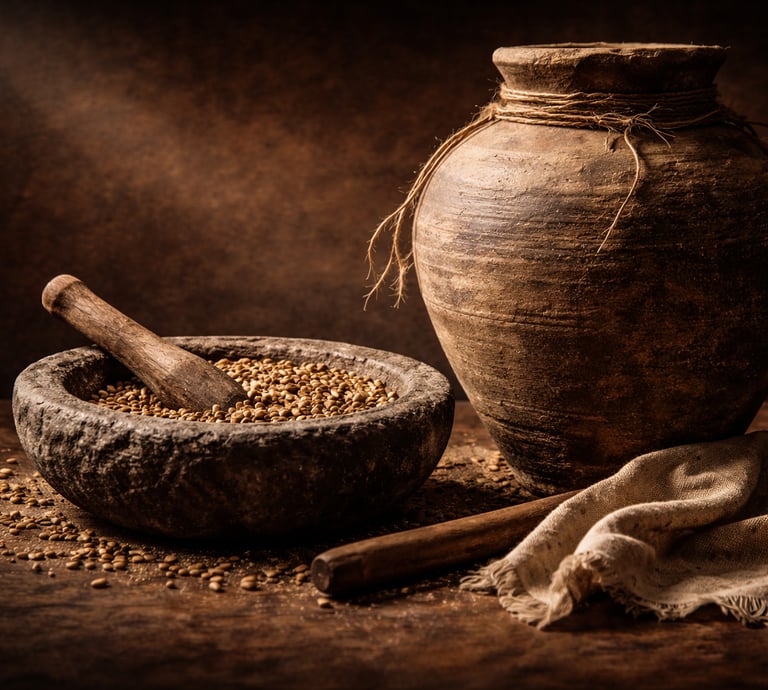
Archaeological evidence suggests that humans were intentionally fermenting grains and fruits as early as 7,000–9,000 BCE. These processes likely began accidentally — wild yeast interacting with stored grains or fruit — but were quickly recognized and refined.
Fermentation offered three advantages:
• Preservation of calories
• Transformation of flavor
• Social cohesion
These early processes laid the foundation for modern spirits and cocktail structure.
Across early civilizations, fermented beverages became both sustenance and symbol.
Mesopotamia & Early Beer
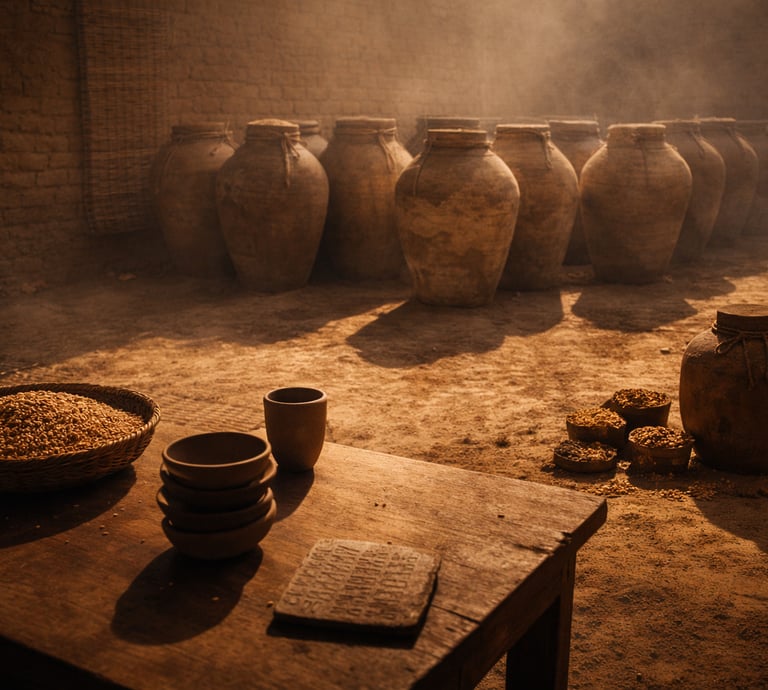
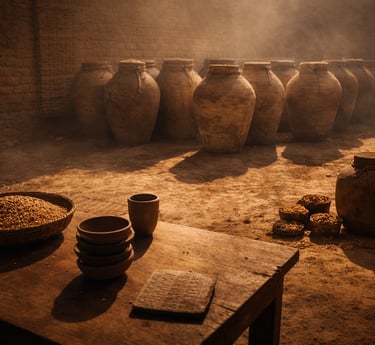
In ancient Mesopotamia, beer was a dietary staple. Clay tablets reference brewing practices, and workers were often paid in beer rations.
Brewing was structured and organized. It was not recreational chaos; it was agricultural science tied to grain production.
Beer represented stability.
Ancient Egypt
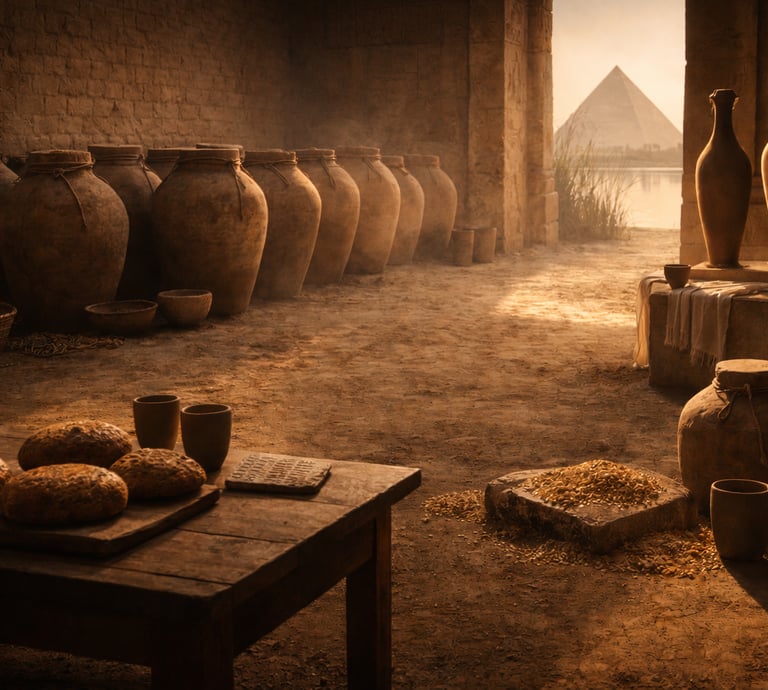
Egyptian brewing expanded upon Mesopotamian methods. Beer and bread were central to daily life and were consumed across social classes.
Wine also emerged among elites, signaling early distinctions between common and ceremonial consumption.
Alcohol began acquiring social hierarchy.
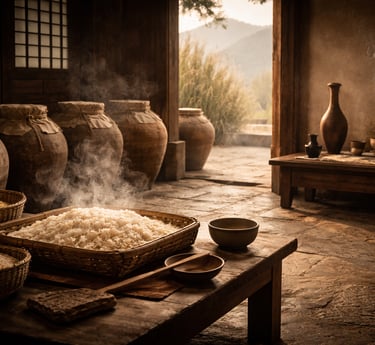
Early China
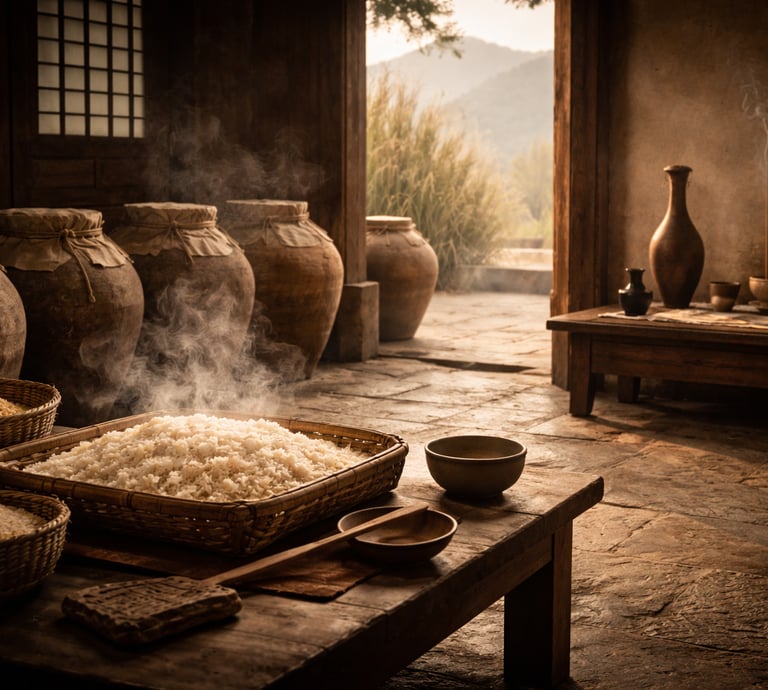
Rice fermentation in ancient China produced early proto-wines and grain-based alcohols. These beverages were used in ritual contexts and ancestor offerings.
Fermentation became spiritual infrastructure.
Controlled fermentation eventually led to the refinement of distillation.
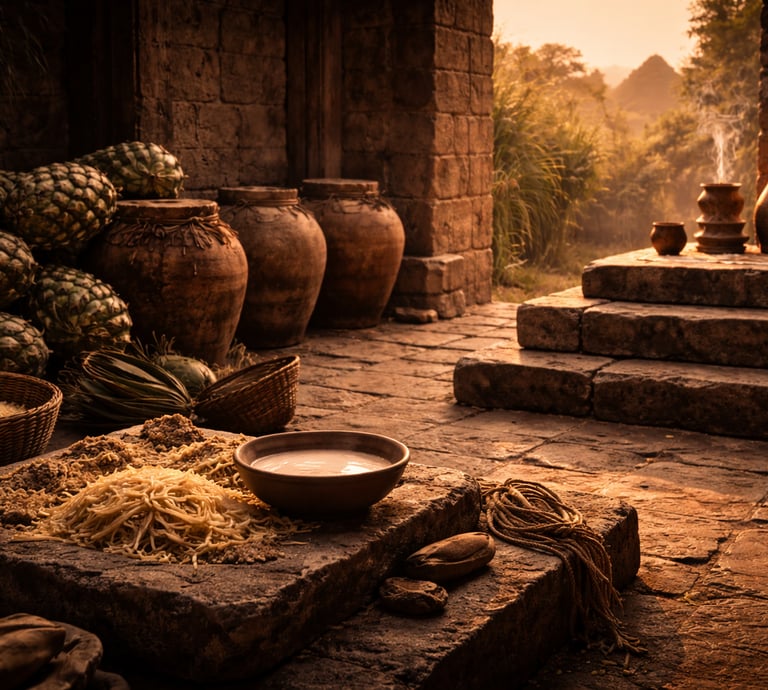
Mesoamerica
In Central America, fermented agave beverages such as pulque played ceremonial roles long before distilled spirits existed.
Alcohol was integrated into myth, ritual, and identity.
Alcohol & Society
As civilizations expanded, alcohol evolved from sustenance to structure.
It influenced religion, economics, warfare, and diplomacy.
As alcohol formalized, preparation and service became structured disciplines.
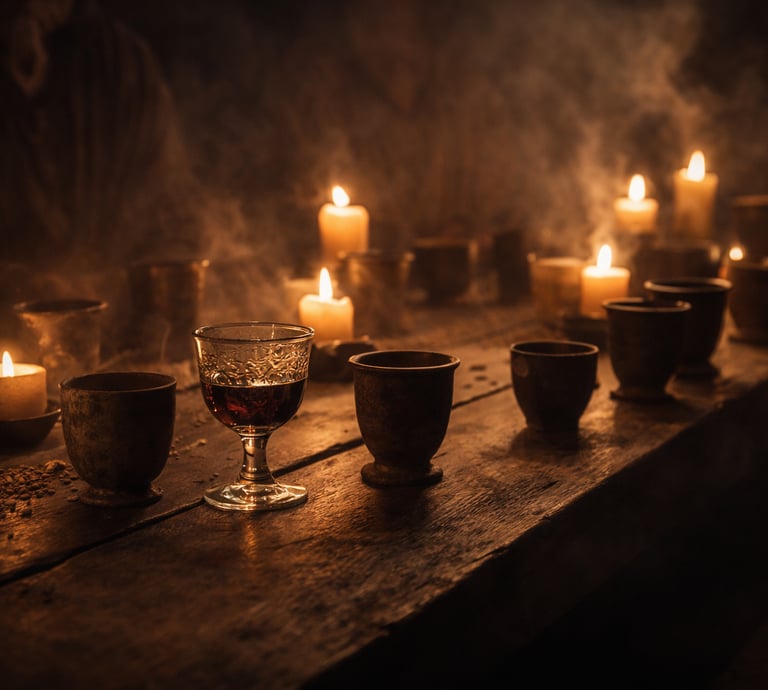
Religion & Ritual
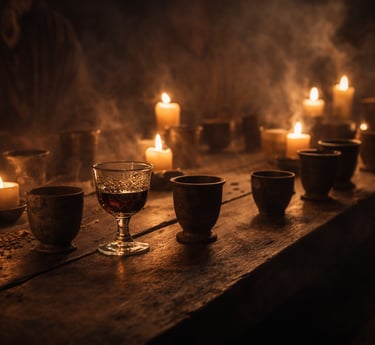
Wine in Mediterranean traditions symbolized divinity and covenant.
Rice wine was central to East Asian ceremonies.
Fermented beverages often accompanied burial rites and seasonal festivals.
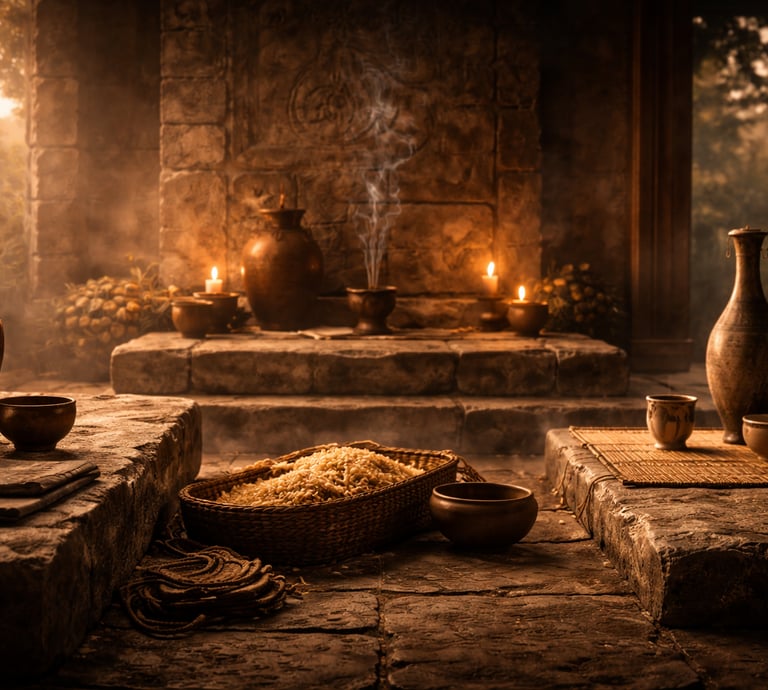
Alcohol was not peripheral — it was sacred. The ritual of preparation remains embedded in modern cocktail culture.
Trade & Expansion
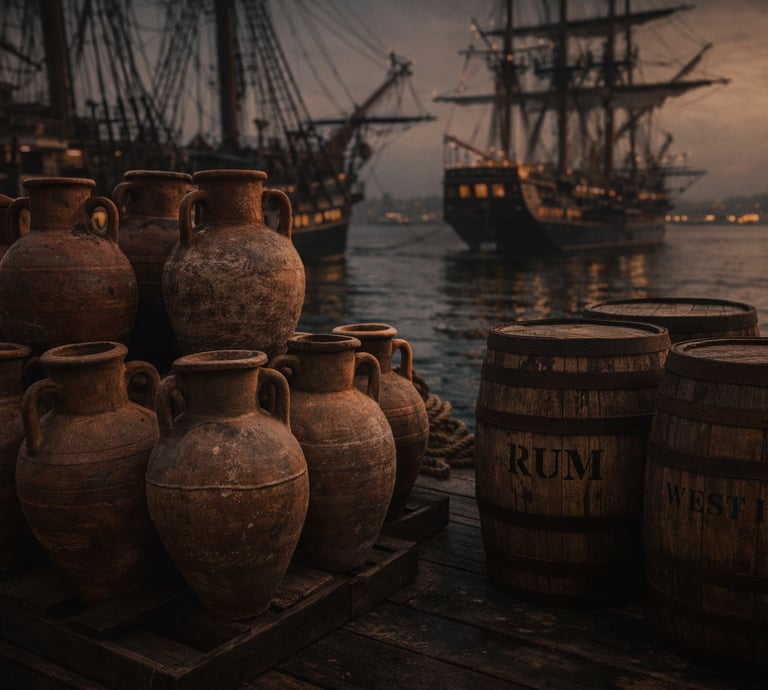
Wine and beer traveled along trade routes. Amphorae transported wine across the Mediterranean. Later, rum would move through colonial trade systems.
Alcohol became commerce.
Control of production and distribution equated to economic power. Spirits like rum, brandy, and whisky became defined by regional identity.
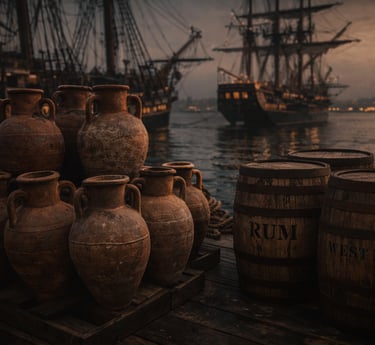
Colonialism & Globalization
Distillation intensified alcohol’s portability and potency.
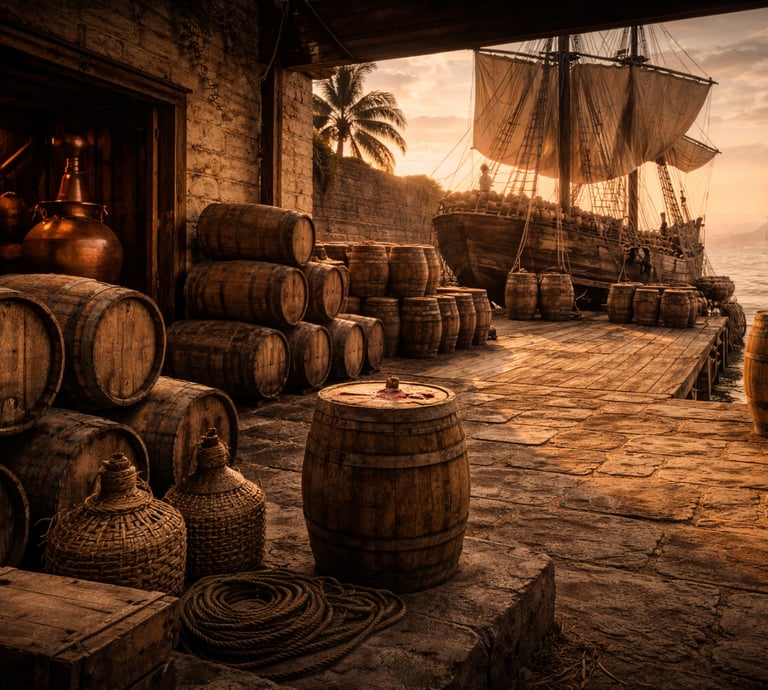
Rum fueled colonial economies in the Caribbean. Brandy and fortified wines traveled long distances without spoilage. Spirits became strategic commodities.
Alcohol shaped global trade systems — for better and for worse. Distillation technology standardized potency and shelf stability.
Temperance & Prohibition
By the 19th and early 20th centuries, industrialization increased alcohol availability. Social reform movements emerged in response.
The Prohibition era in the United States (1920–1933) reshaped drinking culture permanently.
It did not eliminate alcohol. It changed how it was consumed.
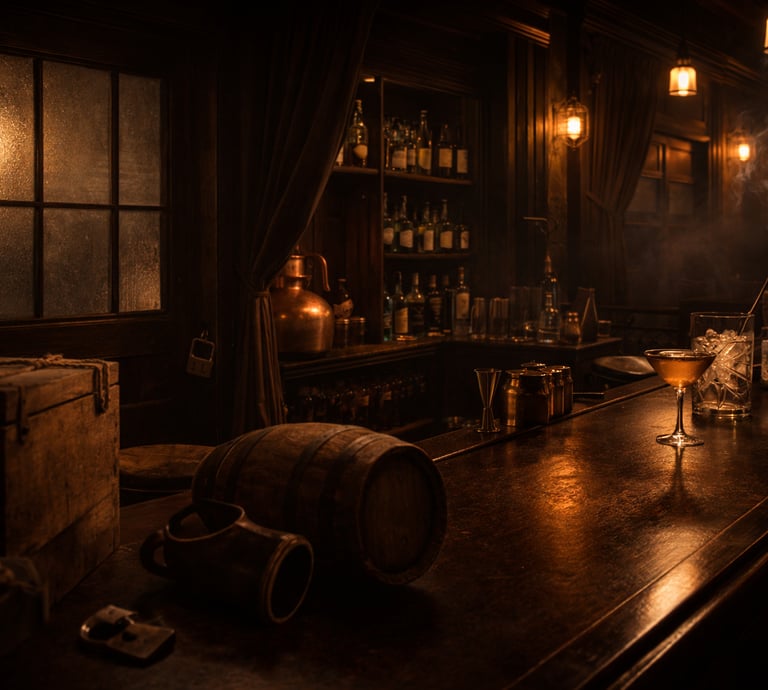
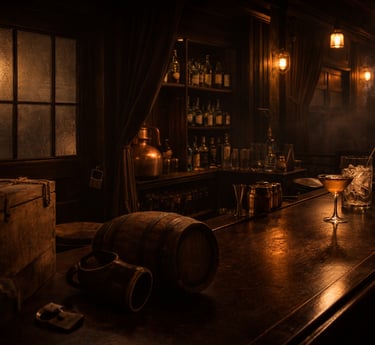
Cocktail culture flourished underground. Speakeasies replaced saloons. Illicit production advanced distillation knowledge in unexpected ways.
Restriction refined ritual.
The Rise of Distillation
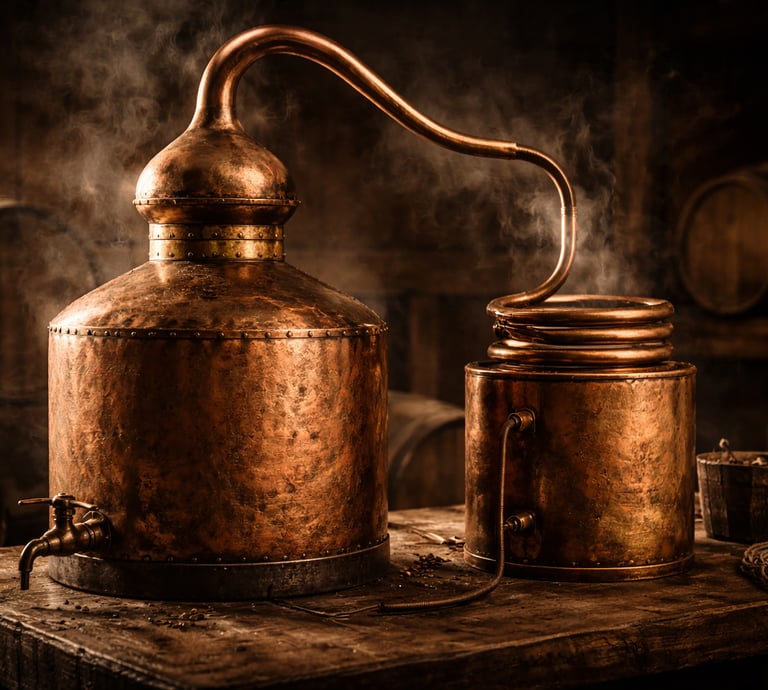
Fermentation produces alcohol naturally. Distillation concentrates it.
The origins of distillation trace back to early alchemical experimentation in the Middle East. Knowledge traveled to Europe, where spirits began emerging as medicinal and later recreational beverages.
Distillation allowed:
• Higher alcohol concentration
• Longer shelf stability
• New flavor possibilities
From this emerged:
Whiskey
Rum
Gin
Brandy
Agave spirits
Spirits transformed alcohol from agricultural byproduct into precision craft.
The Cocktail Era
By the 19th century, spirits were abundant and refined.
Bartenders began combining spirits with sugar, bitters, citrus, and modifiers. The “cocktail” emerged as a structured recipe.
Classic cocktails such as the Old Fashioned, Manhattan, and Daiquiri were not random mixtures. They were formulaic — based on ratio and balance.
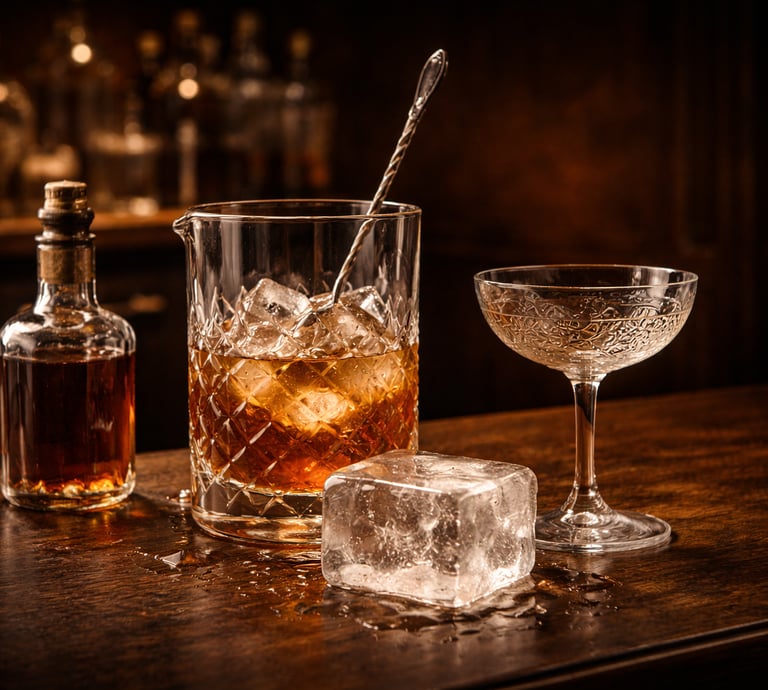
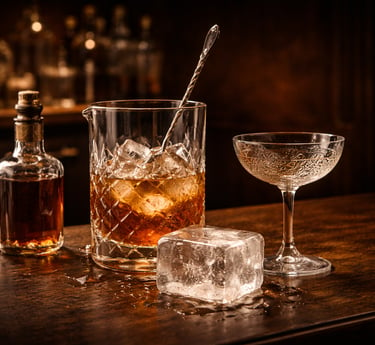
The cocktail era formalized technique. Measurement, dilution, and temperature control became foundational.
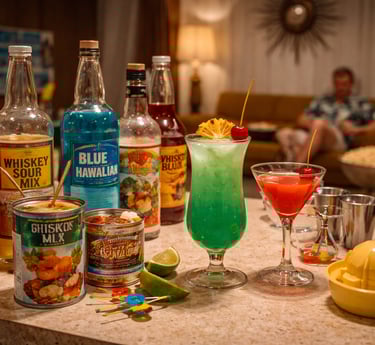
Prohibition Influence
During Prohibition, bartenders adapted to lower-quality spirits by masking flaws with citrus and sugar.
Innovation thrives under constraint.
Many classic recipes date from this period. Classic builds still rely on structure and controlled dilution.
Modern Craft Revival
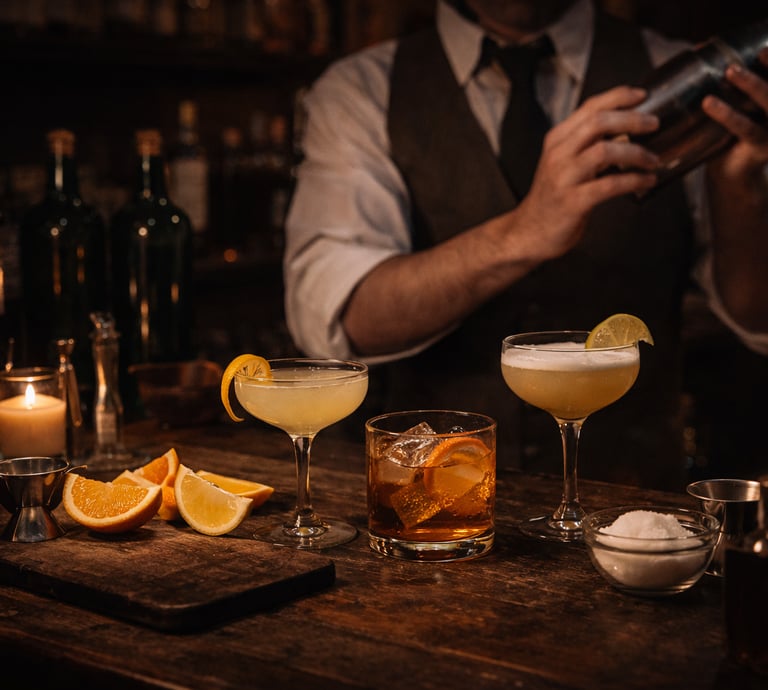
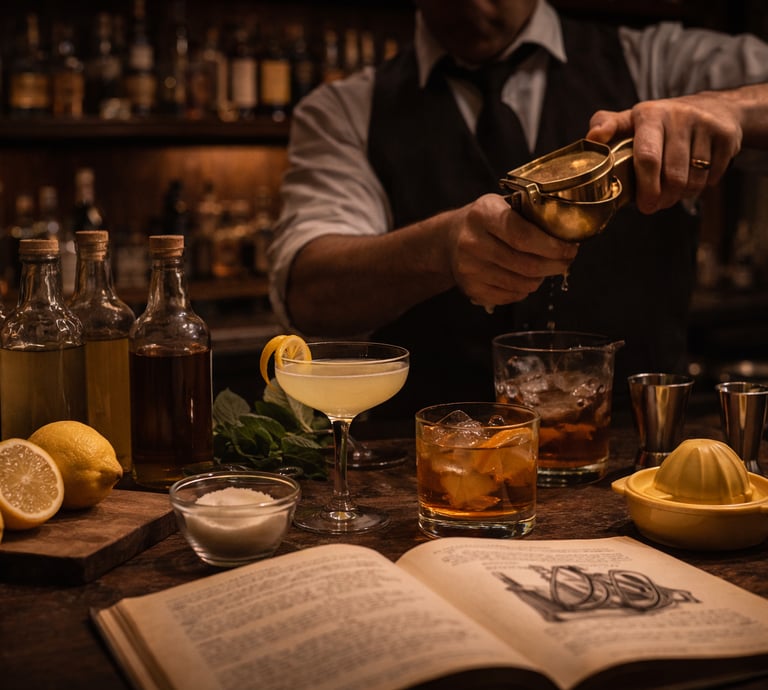
Beginning in the late 20th century, a resurgence of interest in pre-Prohibition recipes and fresh ingredients emerged.
Bartenders revisited archival texts. Distillers revived heritage methods. Consumers began valuing balance and authenticity.
The modern craft movement is not new invention — it is rediscovery.
Regional Drinking Traditions
Alcohol remains deeply tied to geography.
Each region carries distinct practices shaped by climate, agriculture, and history.
Japan — Precision & Minimalism
Japanese bartending culture emphasizes controlled technique, clarity of ice, and structured presentation.
Detail is ritual.
Italy — Aperitivo Culture
Low-alcohol, pre-dinner drinks reinforce social pacing and communal gathering.
Alcohol structures time.
Mexico — Agave Heritage
Agave spirits are tied to regional soil and generational knowledge.
Production methods preserve cultural lineage.
France — Wine Identity
Wine in France is not trend-driven. It is regional expression, agricultural philosophy, and national identity.
Alcohol becomes landscape.
Scotland — Whisky Tradition
Aging, climate, and water source define Scotch whisky identity.
Time becomes ingredient.
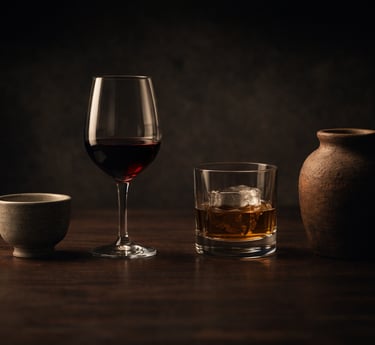
The Modern Alcohol Landscape
Today’s alcohol industry reflects centuries of refinement and adaptation.
Trends include:
• Craft distillation
• Natural wine movements
• Transparency in production
• Lower-ABV interest
• Regulatory complexity
Globalization allows knowledge to circulate faster than ever.
Yet the core processes remain ancient:
Fermentation
Distillation
Aging
Blending
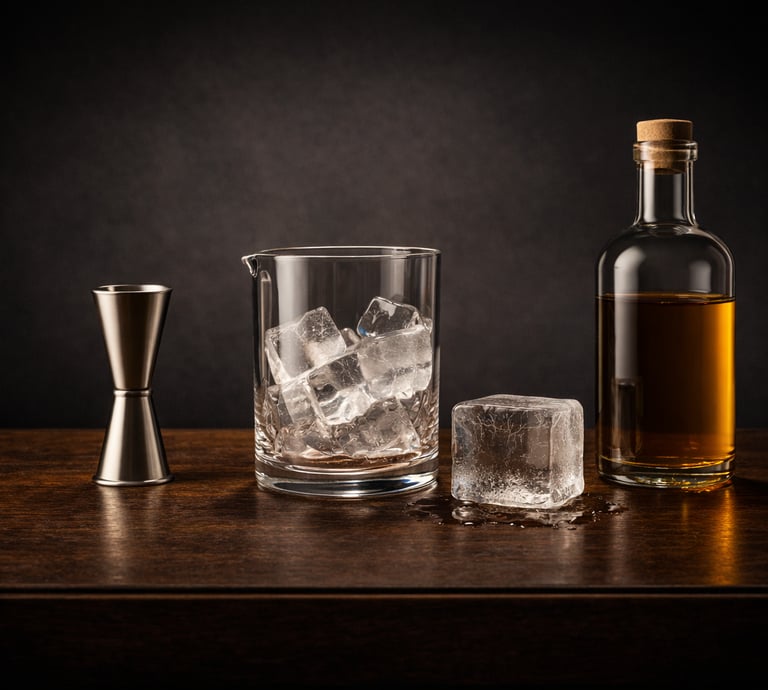
The tools may change. The science remains constant. Structure, dilution, temperature, and glassware still define outcome.
The Role of Ritual & Tools
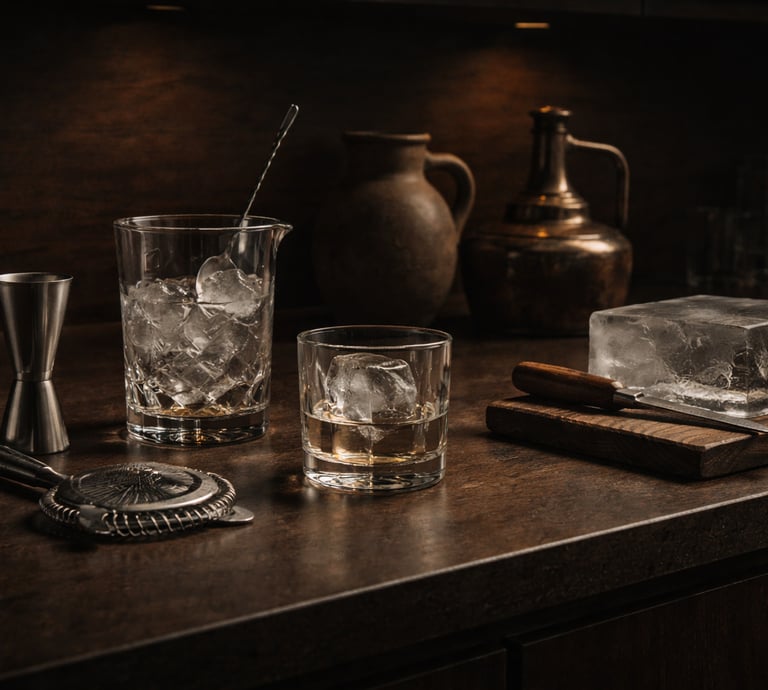
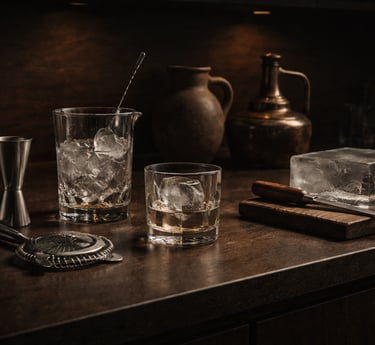
Across centuries, the way alcohol is prepared and served has evolved alongside the beverages themselves.
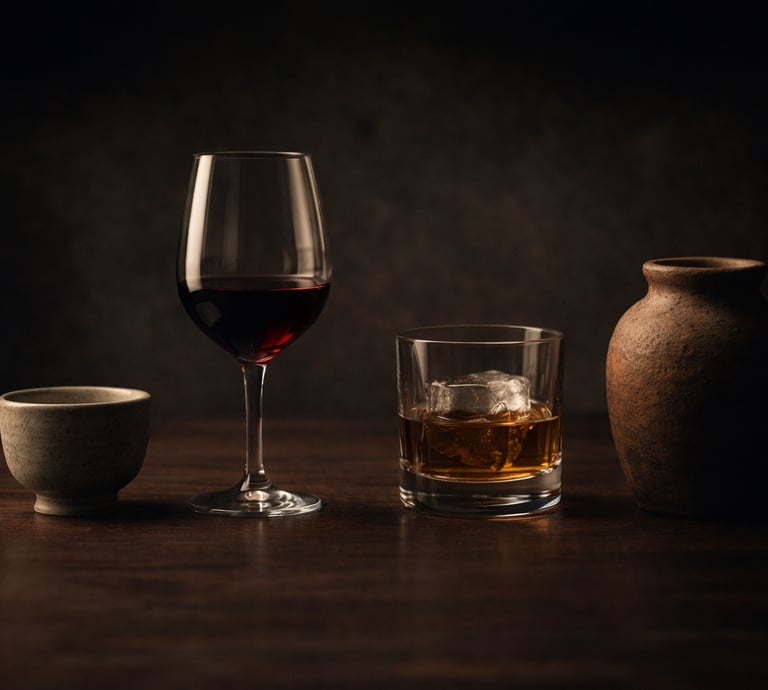
Clay vessels became glassware.
Primitive stills became precision columns.
Ice harvesting became controlled freezing systems.
Modern bar tools are not decorative excess. They are refinements built upon historical practice.
Measurement ensures balance.
Glass shape affects aroma.
Ice controls dilution.
The ritual of preparation links present-day technique to ancient process.
Why History Matters
Understanding alcohol history does not romanticize excess. It contextualizes structure.
Alcohol has been:
Agriculture
Currency
Medicine
Ritual
Rebellion
Craft
Its trajectory reflects human civilization itself — evolving, constrained, refined, and rediscovered.
To approach alcohol thoughtfully today requires recognizing the centuries behind it.
The glass in hand carries more than liquid.
It carries lineage. Understanding structure transforms drinking from consumption into craft.
© 2026 Barkeepers Buzz. All rights reserved.
Barkeepers Buzz
Master cocktails, spirits, and bar knowledge with clarity and precision. Built for serious home enthusiasts.
Crafted with respect for the culture — and the responsibility that comes with it.
For educational purposes only. Intended for legal drinking age audiences. Please drink responsibly.
General Inquiries: