
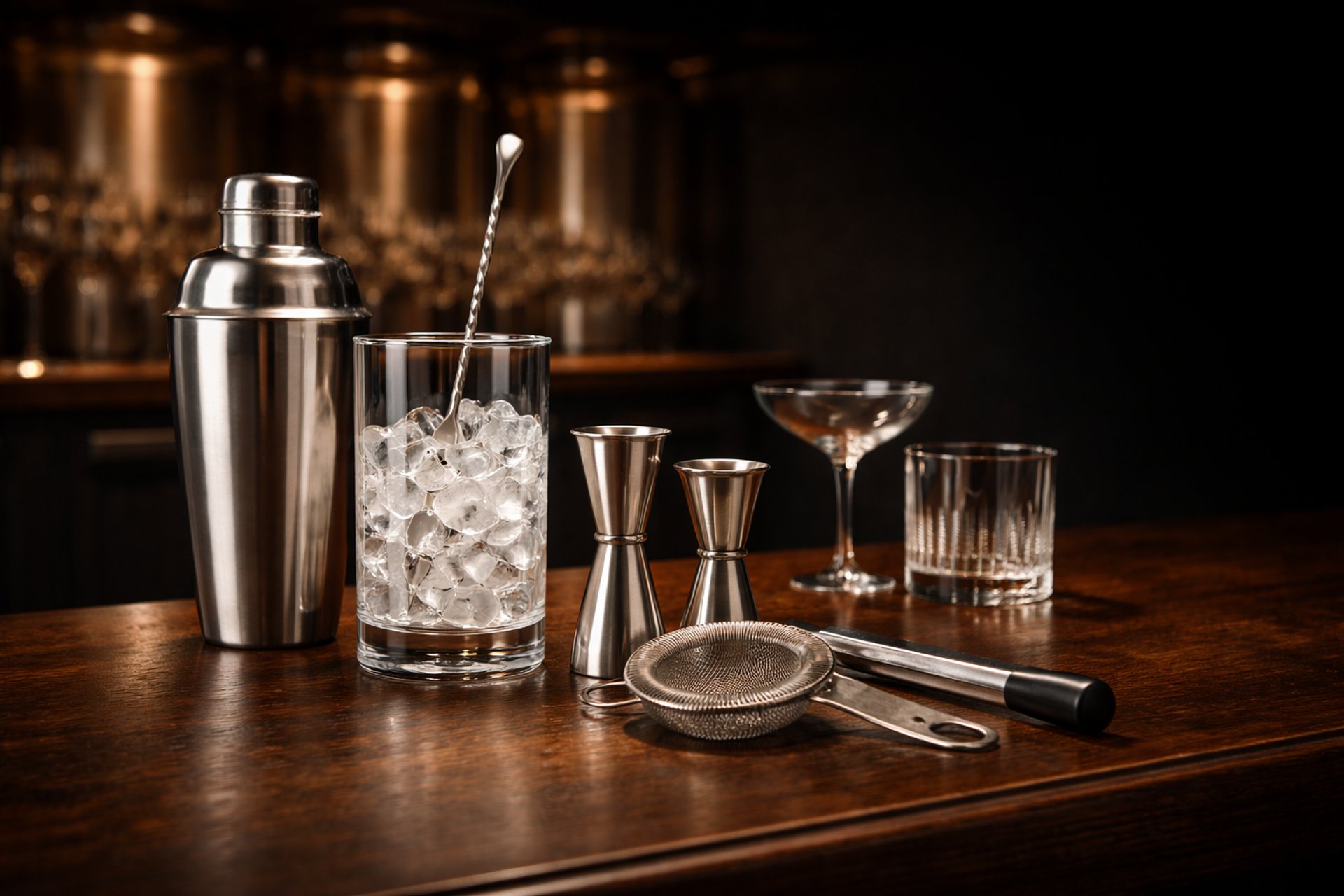
Bar Spoon Design Explained
Bar spoons are one of the most versatile tools behind the bar, used for stirring, layering, and fine control when building cocktails. While they may look simple at first glance, their design is highly intentional and plays a major role in how they perform.
From the twisted handle to the different spoon ends, every part of a bar spoon is built to improve precision and efficiency. Understanding these design elements helps you choose the right spoon and use it effectively.
If you’re building your setup, it’s helpful to see how bar spoons fit into the larger system of tools in the Bar Tools guide or within a complete Essential Home Bar setup.
Why Bar Spoon Design Matters
Bar spoons are designed for control. Unlike standard kitchen spoons, they allow for smooth movement through liquid, helping bartenders stir cocktails without disrupting texture or clarity.
The design directly impacts:
stirring efficiency
dilution control
layering precision
overall comfort during use
If you’ve ever struggled to stir smoothly, the design of the spoon is often the reason.
To refine your technique, explore How to Stir with a Bar Spoon and improve consistency behind the bar.
Core Bar Spoon Components
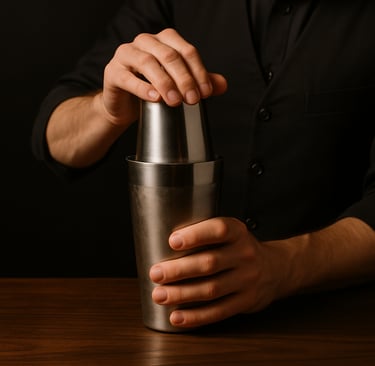
The Twisted Handle
The twisted shaft is one of the most recognizable features of a bar spoon. It’s not just for aesthetics—it serves a functional purpose.
The twist allows liquid to flow smoothly around the spoon during stirring, reducing resistance and helping maintain a consistent motion. It also provides grip and control, especially when using a rolling stir technique.
If you’re curious why this matters, see Why Bar Spoons Are Twisted.
The Spoon Bowl
The Handle End
Bar spoons come with different end designs, each serving a specific purpose.
Common types include:
flat disc (for muddling or layering)
teardrop weight (for balance)
fork end (for garnishes)
Each variation changes how the spoon performs and what techniques it supports.
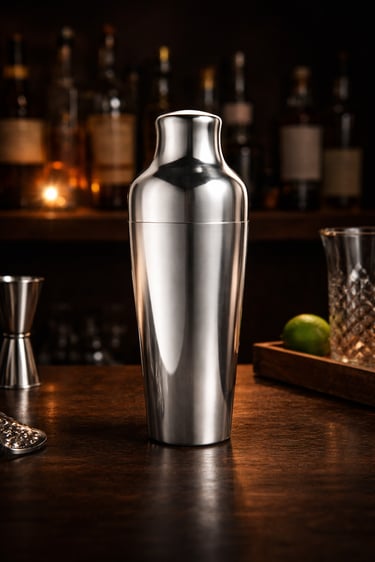
The bowl of the spoon is typically small and shallow. This design minimizes resistance while stirring and allows for more precise control.
It’s also used for:
measuring small amounts
gently layering ingredients
guiding liquid flow
While it may seem minor, the size and shape of the bowl contribute to the overall feel of the spoon.
Spoon Length and Balance
Spoon Length
Bar spoons are longer than standard spoons to accommodate mixing glasses and tall vessels.
Choosing the right length depends on your setup:
shorter spoons for smaller glasses
longer spoons for mixing glasses and shaker tins
Using the wrong length can make stirring awkward and inefficient.
For guidance, see Bar Spoon Length Guide.
Weight and Balance
Balance is one of the most important aspects of bar spoon design.
Weighted spoons include a counterweight that stabilizes motion and helps guide stirring. Unweighted spoons rely entirely on technique and feel.
Each has its advantages depending on your experience level and preferred style.
For a full breakdown, see Weighted vs Unweighted Bar Spoons.
How Design Affects Technique
Bar spoon design directly influences how you stir and build cocktails.
A well-balanced spoon allows for:
smoother stirring motion
better control over dilution
more consistent results
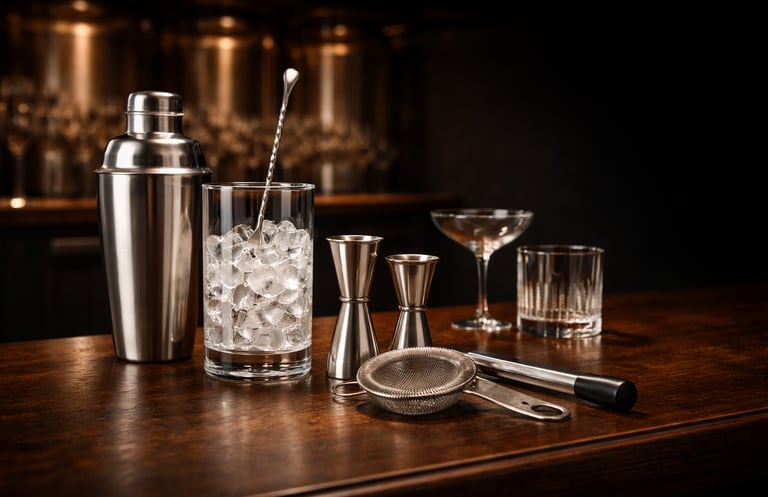
This becomes especially important when working with stirred cocktails in a mixing glass.
If you want to understand why technique matters, explore Why Stirred Cocktails Use Mixing Glasses and how dilution works in Why Stirring Controls Dilution.
Common Bar Spoon Mistakes
Many issues with bar spoons come from technique rather than the tool itself.
Common mistakes include:
gripping the spoon too tightly
stirring too aggressively
using the wrong spoon length
ignoring balance and control
These problems can lead to poor dilution, inconsistent texture, and unbalanced cocktails.
To avoid these issues, review Common Stirring Mistakes and refine your approach.
Where Bar Spoons Fit in a Complete Setup
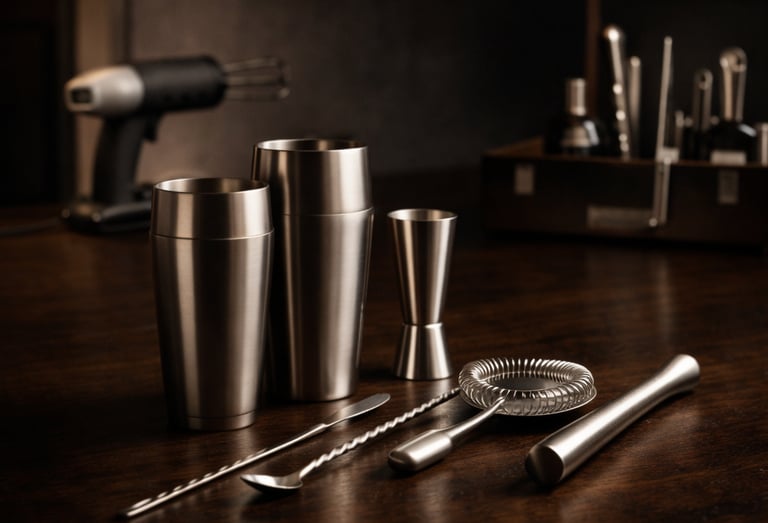
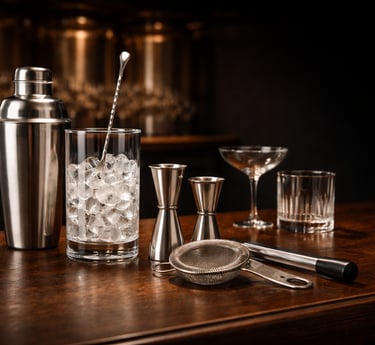
Bar spoons are part of a larger cocktail system that includes mixing glasses, jiggers, and strainers.
They work alongside tools that control measurement and filtration, helping create a consistent workflow behind the bar.
To better understand this system, explore Cocktail Jigger Measurements and Cocktail Strainer Types Explained.
When these tools work together, they allow you to create cocktails with precision, balance, and consistency.
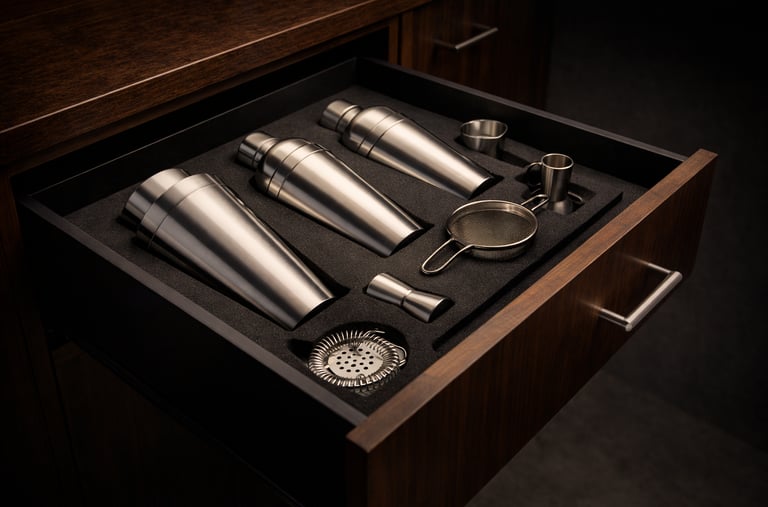
If you’re ready to upgrade your setup, explore top options in Best Bar Spoons or complete kits in Best Bar Tool Sets.
Final Thoughts
Bar spoon design is more than just appearance—it directly impacts how you mix, control, and refine your cocktails.
From the twisted handle to the balance and length, each detail plays a role in improving your technique and consistency.
For most home bartenders, understanding these design elements is the first step toward more polished and professional results behind the bar.
© 2026 Barkeepers Buzz. All rights reserved.
Barkeepers Buzz
Master cocktails, spirits, and bar knowledge with clarity and precision. Built for serious home enthusiasts.
Crafted with respect for the culture — and the responsibility that comes with it.
For educational purposes only. Intended for legal drinking age audiences. Please drink responsibly.
General Inquiries: