
Why Stirring Controls Dilution in Cocktails
Discover how stirring in cocktails offers precise dilution control, preserving flavor balance and delivering smoother, well-chilled drinks every time.
BAR TOOL GUIDES
Barkeepers BuzzBlog Editorial Team - Led by AJ “Buzz” Eichman
4/5/20265 min read
When I first started diving deeper into cocktail making, "stirring" seemed like just a simpler alternative to shaking. But the more I tested it behind the bar, the clearer it became that stirring isn’t just about chilling the drink—it’s a precision tool for controlling dilution. Getting dilution right can be the difference between a balanced, flavorful cocktail and one that tastes watery or overly strong.
In this article, I’m going to break down why stirring plays such an important role in managing dilution, how it differs from shaking, and practical ways to master this technique. Whether you’re mixing a classic Negroni or a spirit-forward Manhattan, understanding stirring can help you improve consistency and flavor balance every time.
Quick Verdict
Stirring melts ice more slowly and uniformly than shaking, giving better control over dilution
Proper stirring preserves flavor integrity by avoiding over-dilution and excessive aeration
Large, clear ice cubes are best for controlling dilution when stirring
Adjust stirring speed and duration based on the desired chill and dilution level


What is Dilution and Why Does it Matter?
Let’s start by clarifying what we mean by dilution. Dilution in cocktails happens when ice melts, releasing water into the drink. This alters the drink’s alcohol content, texture, and flavor balance. Too little dilution can leave a cocktail overly strong or harsh, while too much makes it thin and bland.
Dilution is essential for balancing intensity and smoothing out harsh edges, especially in spirit-forward cocktails with higher alcohol percentages. So, the goal isn’t to eliminate dilution—it’s to control it precisely.
If you're still dialing in your technique, understanding how bartenders measure cocktails plays a big role in maintaining consistency alongside dilution—this guide on how bartenders measure cocktails pairs perfectly with this concept.
How Stirring Controls the Rate of Dilution
I tested stirring across several shifts, paying close attention to how the technique affected both temperature and dilution. What stood out is that stirring controls ice melting more gently and evenly compared to shaking. This happens because the stirring motion causes less aggressive physical agitation, slowing the melting rate.
Instead of pounding the ice against the glass like shaking, stirring uses a smooth, circular motion to chill the liquid gradually. This controlled melting results in a slower, steadier release of water, allowing the cocktail to cool to the ideal temperature without becoming watered down all at once.
Because of this, stirring keeps the cocktail’s flavor profile more consistent, preserving the balance intended by the recipe.
If you want to refine the actual motion and mechanics, this breakdown of how to stir cocktails properly is worth revisiting alongside this guide.
Comparing Stirring vs Shaking: Effects on Dilution and Flavor
Shaking agitates the ice much more vigorously. This rapid jostling increases how fast the ice melts, leading to faster dilution. It also aerates the cocktail, introducing tiny air bubbles that change mouthfeel (think frothy or cloudy textures).
That means shaking is excellent for cocktails that benefit from aeration, like sours or those with fruit juices or cream. But for spirit-forward drinks that rely on smooth, clear presentation and precise dilution control—like Martinis, Manhattans, or Negronis—stirring is generally preferred.
From my trials, stirred cocktails almost always finish clearer with a silkier texture and a more balanced alcohol-to-water ratio, thanks to the slower dilution process.
For a deeper dive into the science behind both methods, check out stirring vs shaking science.
Best Ice and Tools to Use When Stirring
One thing I noticed during testing is how much the kind of ice used impacts dilution control. Large, clear ice cubes melt slower than crushed or small cubes, which helps extend the drink’s chill without adding too much water during stirring.
If you use smaller or cloudy ice, the surface area exposed to the liquid increases, speeding up melting and leading to faster dilution—often more than desired for stirred cocktails.
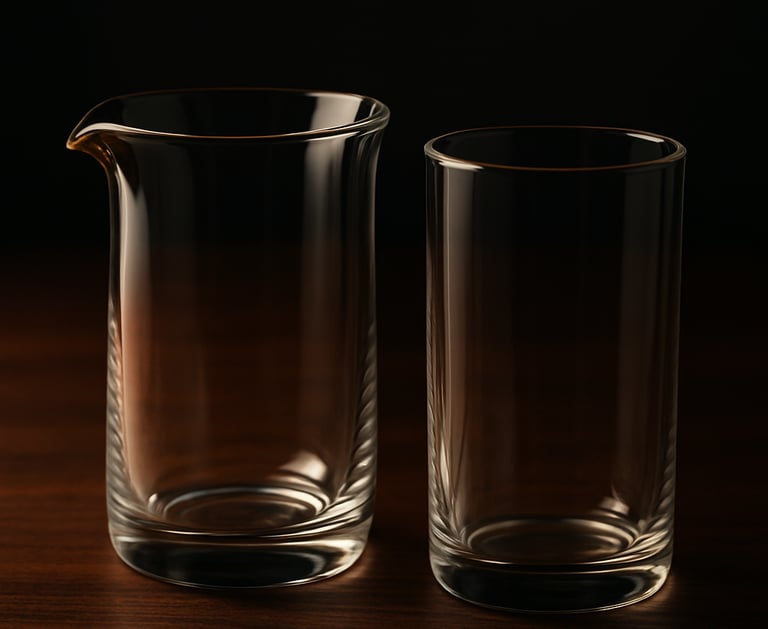
For tools, a quality mixing glass and a bar spoon are essential. The mixing glass provides enough space to stir without spilling, and its thick walls help with temperature control. The bar spoon’s long, twisted handle helps maintain a smooth, consistent stirring motion.
If you're upgrading your setup, these best mixing glasses and best bar spoons are solid options that make a noticeable difference in control.
Step-by-Step Guide to Perfect Stirring Technique
I want to share an effective stirring routine I fine-tuned to balance chill and dilution:
Fill your mixing glass about halfway with large, clear ice cubes
Add your cocktail ingredients over the ice
Hold the bar spoon between your thumb and forefinger, stirring smoothly alongside the inside wall of the glass
Stir at a moderate pace — not too fast to avoid over-agitating the ice, but steady enough to chill uniformly
Observe the liquid temperature and clarity; most cocktails reach ideal dilution in about 20 to 30 seconds
Stop stirring once the drink feels cold to the touch and slight frost appears on the mixing glass
Strain into your serving glass, ideally over a large ice cube or into a chilled glass
With practice, you’ll develop a feel for timing and speed based on the cocktail type and your dilution preferences.
Common Stirring Mistakes and How to Avoid Them
During my experimentation, I spotted a few common pitfalls that affect dilution control:
Over-stirring: Stirring too long or too aggressively can cause excessive dilution, weakening flavors
Using crushed or small ice cubes: These melt quickly and flood the drink with water
Mixing up stirring and shaking techniques: Using the wrong method can negatively impact dilution and texture
Neglecting temperature cues: Always feel for when the cocktail is properly chilled
Poor tools: A short spoon or improper glass can lead to uneven stirring
If you want to clean up your technique fast, this list of common stirring mistakes highlights exactly where most people go wrong.

Tips from Pro Bartenders for Mastering Dilution Control
Some insights I gathered from more experienced bartenders confirmed what my tests suggested:
Match ice size and stirring duration to the cocktail’s alcohol strength and flavor intensity
Use a gentle but consistent stirring rhythm to avoid unnecessary splash and aeration
Taste as you go when learning to assess ideal dilution levels
Rotate between stirring and shaking based on the cocktail’s makeup—don’t overgeneralize
This advice lines up well with what I’ve learned by experimenting myself.
FAQ
Why does stirring control dilution better than shaking?
Stirring applies slower, gentler agitation to ice, causing it to melt at a controlled pace, whereas shaking speeds up dilution through aggressive movement.
How long should I stir a cocktail to get the right dilution?
About 20 to 30 seconds is typically enough, but adjust based on ice size and temperature.
What type of ice is best for stirring cocktails?
Large, clear ice cubes melt more slowly and provide the best control.
Does stirring affect flavor differently than shaking?
Yes, stirring preserves a smoother texture and avoids aeration, maintaining a more consistent flavor.
Can I control dilution without measuring ice exactly?
Yes—focus on ice size, stirring speed, and temperature cues.
Why do bartenders prefer stirring for spirit-forward cocktails?
Because it delivers a clear, chilled drink with balanced dilution and no aeration.
Is it possible to over-dilute a cocktail by stirring too much?
Yes, over-stirring can weaken the drink by adding too much water.
Conclusion
Stirring in cocktails might look simple, but it’s actually a subtle skill that gives bartenders precise control over dilution and flavor balance. My tests showed that by using the right ice, tools, and stirring technique, you can produce smoother, better-balanced drinks compared to shaking.
If you’re serious about improving your cocktail craft, spend time experimenting with stirring speeds, ice types, and timing. With patience and attention, you’ll find stirring to be an indispensable technique.
For a broader foundation, explore the full bar tools guide or build your setup with the essential tools for a home bar.
Dial in your process, trust your palate, and you’ll start hitting that perfect balance every time.
Here’s to mastering dilution—one perfectly stirred drink at a time. 🍸
© 2026 Barkeepers Buzz. All rights reserved.
Barkeepers Buzz
Master cocktails, spirits, and bar knowledge with clarity and precision. Built for serious home enthusiasts.
Crafted with respect for the culture — and the responsibility that comes with it.
For educational purposes only. Intended for legal drinking age audiences. Please drink responsibly.
General Inquiries: