
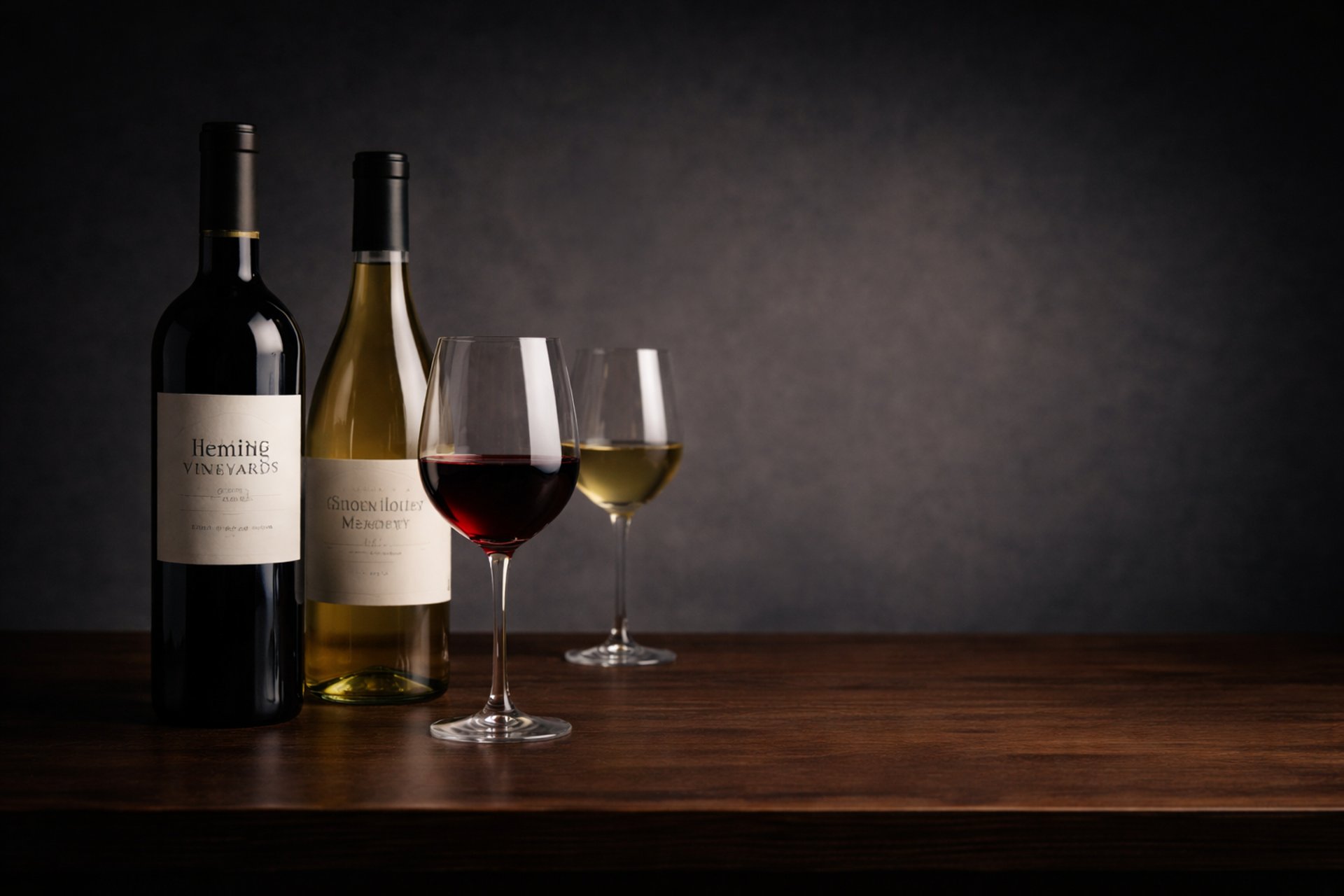
Wine: Structure,
Style & Selection
Wine is grape-based fermented alcohol shaped by variety, climate, and production decisions. From mineral-driven whites to structured tannic reds, understanding wine begins with structure — not brand names.
This guide explores style, structure, service, and intelligent purchasing.
How Wine Is Structured
Grape Variety
Cabernet, Pinot Noir, Chardonnay — structure begins in the vineyard.
Climate
Cool climate → higher acidity
Warm climate → riper fruit, softer acid
Fermentation
Yeast selection, temperature control, extraction.
Aging
Steel vs oak
Time influence
Tannin development
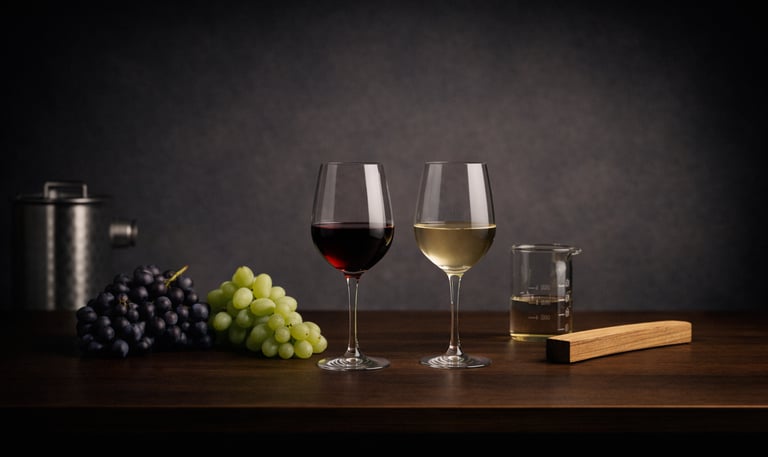
Core Wine Styles
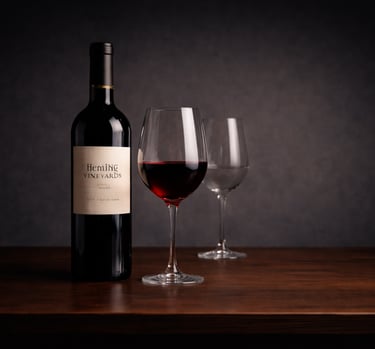
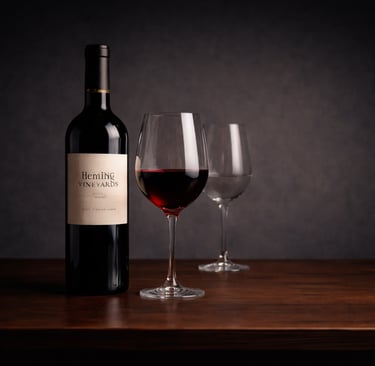
Tannin-driven. Structured. Food-oriented.
Red Wine
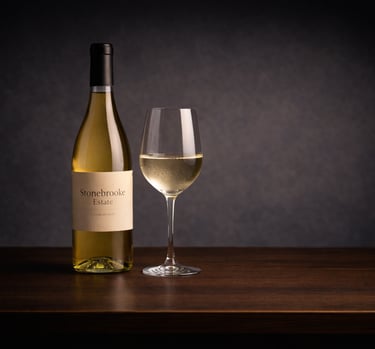
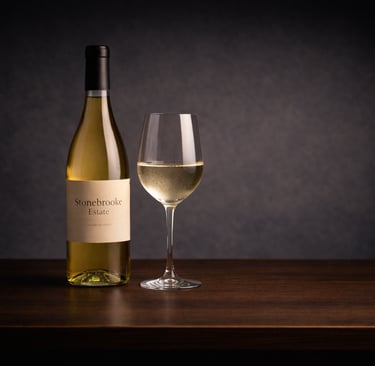
White Wine
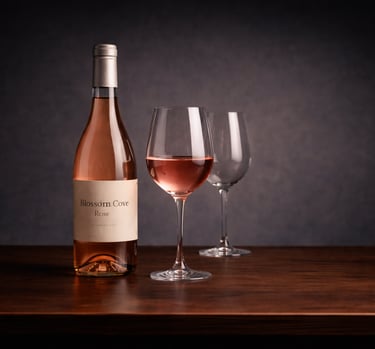
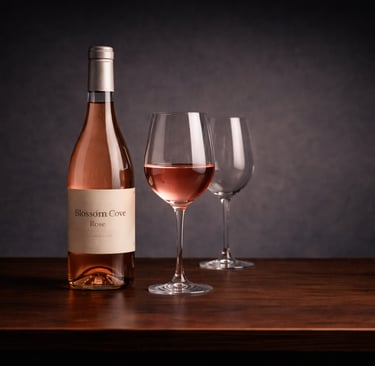
Rosé
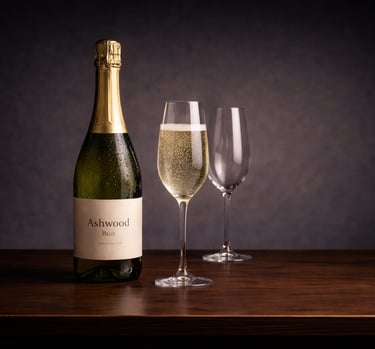
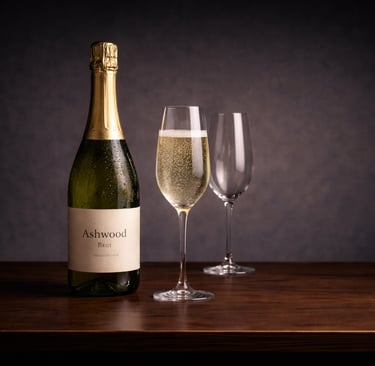
Sparkling
Acidity-driven. Crisp to rich. Texture varies by style.
Fresh. Aromatic. Lower tannin, higher lift.
Carbonated. Acid-driven. Celebration not required.
Understanding Sweetness
Dry vs Sweet
Residual sugar determines sweetness — but perception is more complex than numbers alone.
Residual Sugar (RS)
Dry wines contain little to no remaining sugar after fermentation. Sweet wines retain measurable sugar.
Perception vs Reality
High acidity can make a wine taste drier than it is. Low acidity can make modest sweetness feel amplified.
Acidity’s Role
Acidity creates tension and balance. In sweet wines, it prevents heaviness. In dry wines, it sharpens structure.
Internal link → Dry vs Sweet: Explained
Wine Structure Explained
Acidity, Tannin & Body
Wine structure is built on balance.
Acidity → Freshness
Creates brightness, lift, and food-pairing flexibility.
Tannin → Grip
Primarily in red wines. Adds texture, dryness, and aging potential.
Body → Weight
The physical sensation of wine on the palate — light, medium, or full.
Alcohol → Warmth
Contributes to body and structure. Higher alcohol increases perceived richness.
Internal links →
Acidity in Wine Explained
What Is Tannin?
Serving Wine Properly
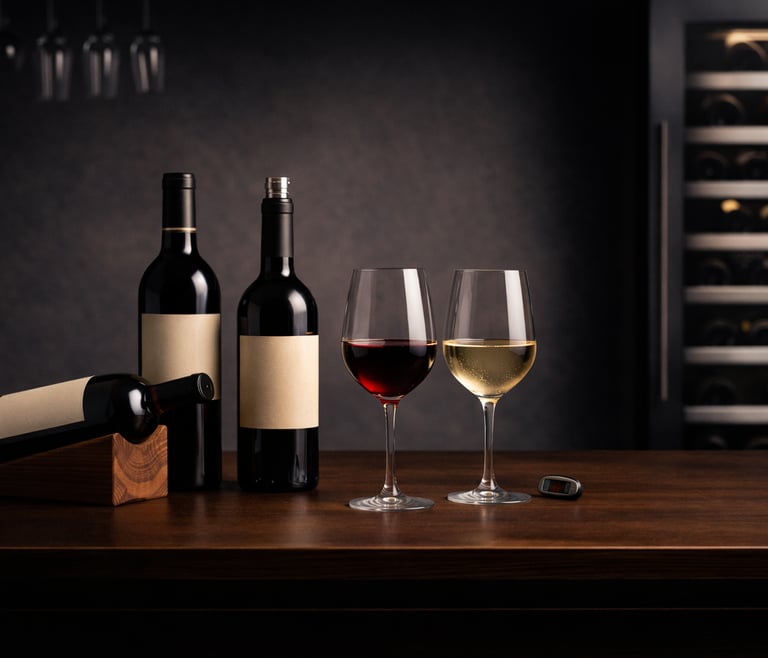
Temperature Guidelines
• Sparkling / Crisp Whites → 38–45°F (3–7°C)
• Fuller Whites / Sake → 45–50°F (7–10°C)
• Reds → 55–65°F (13–18°C)
• Sweet Styles → 40–50°F (4–10°C)
Temperature affects structure. Too warm softens acidity. Too cold suppresses aroma.
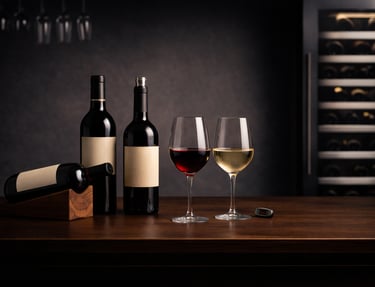
Glassware
Keep it minimal.
A single all-purpose wine glass handles most situations effectively.
Specialty shapes refine aroma and texture but are optional — not mandatory.
Internal link → Bar Tools – Glassware
Storage
Unopened → Store in a cool, dark, stable environment. Avoid temperature swings.
Opened → Refrigerate and reseal. Most wines last 3–5 days. Sparkling wines decline faster.
How to Choose Wine Confidently
• Identify sweetness preference
• Choose body range
• Understand acidity tolerance
• Ignore “Reserve” marketing
• Build reliable style lanes
Wine Beyond the Glass
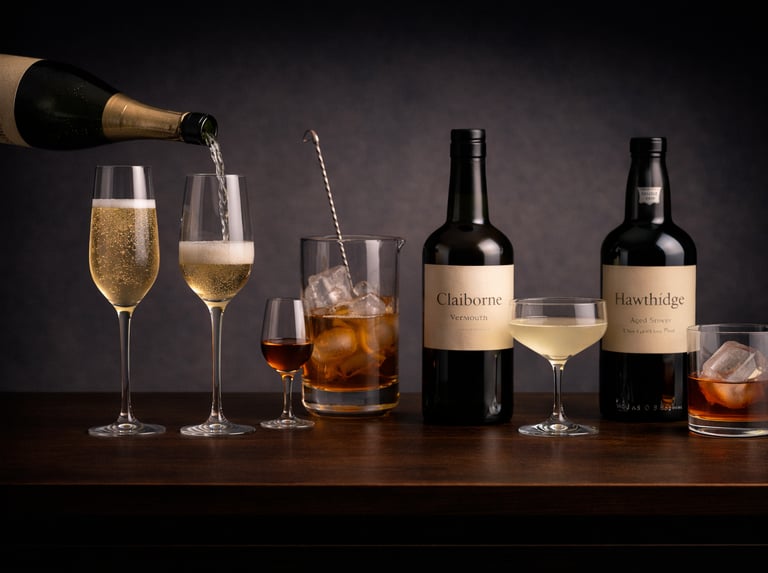
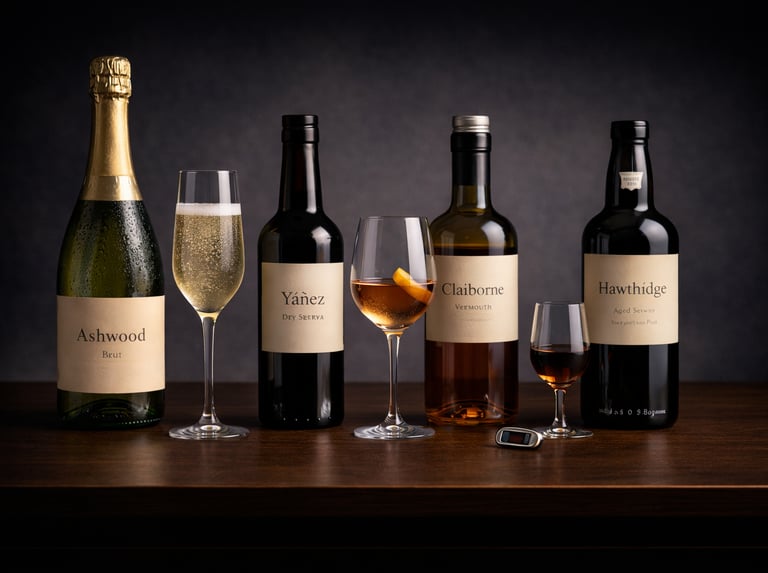
Wine is not limited to still table expressions. Several structured, wine-based categories extend its range — from aperitif to fortified, from cocktail component to contemplative digestif.
Understanding these styles expands how wine functions at the table and behind the bar.
Sparkling Wine
Carbonated through secondary fermentation. Acid-driven, structured, and food-flexible — not reserved for celebration.
Sherry
Oxidative or biologically aged fortified wine from Spain. Dry styles (Fino, Manzanilla) are saline and razor-sharp; richer styles develop nutty depth.
Vermouth
Fortified, aromatized wine infused with botanicals. Foundational in classic cocktails; balanced examples are excellent served chilled on their own.
Port
Fortified Portuguese wine with preserved sweetness and structure. Ranges from ruby-fruit forward to oxidative, aged tawny styles.
Responsible Enjoyment
Wine ranges from 11–15% ABV.
Serve with food.
Hydrate.
Pace consumption.
© 2026 Barkeepers Buzz. All rights reserved.
Barkeepers Buzz
Master cocktails, spirits, and bar knowledge with clarity and precision. Built for serious home enthusiasts.
Crafted with respect for the culture — and the responsibility that comes with it.
For educational purposes only. Intended for legal drinking age audiences. Please drink responsibly.
General Inquiries: