
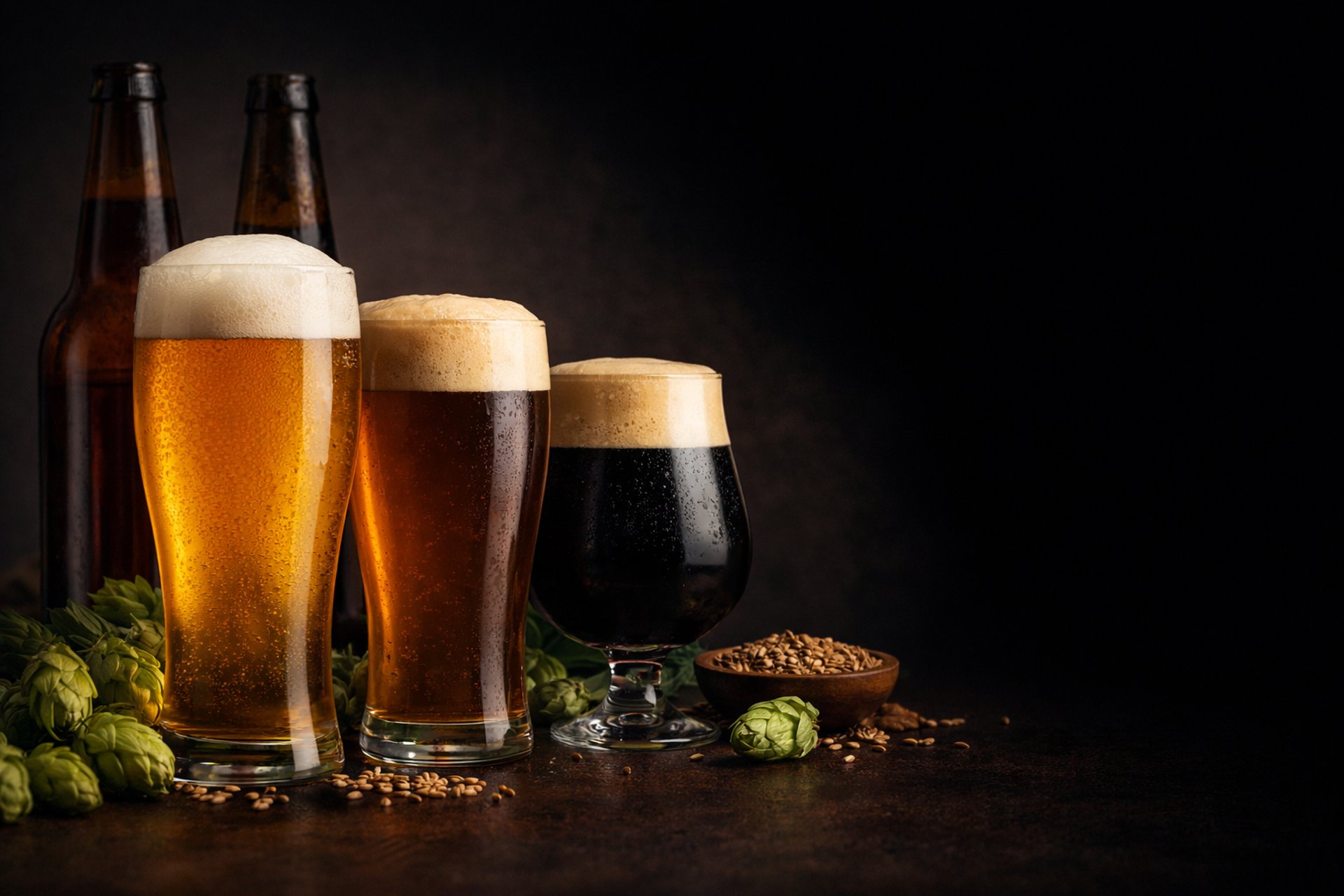
Hops & Bitterness Explained: Aroma, Balance & IBUs
Hops balance malt sweetness and contribute aroma, structure, and stability to beer. Without hops, beer would taste overly sweet and lack tension. While bitterness often dominates discussion, hops influence far more than sharpness alone.
Understanding how hops function clarifies why some beers feel crisp and refreshing while others feel intensely aromatic or assertively bitter.
What Hops Do
Hops serve three primary structural functions in beer:
• Add bitterness
• Provide aroma
• Help preserve freshness
Bitterness
Hops contain alpha acids. During boiling, these acids convert into compounds that create bitterness. Bitterness balances the sweetness of malt and prevents beer from feeling cloying.
Aroma
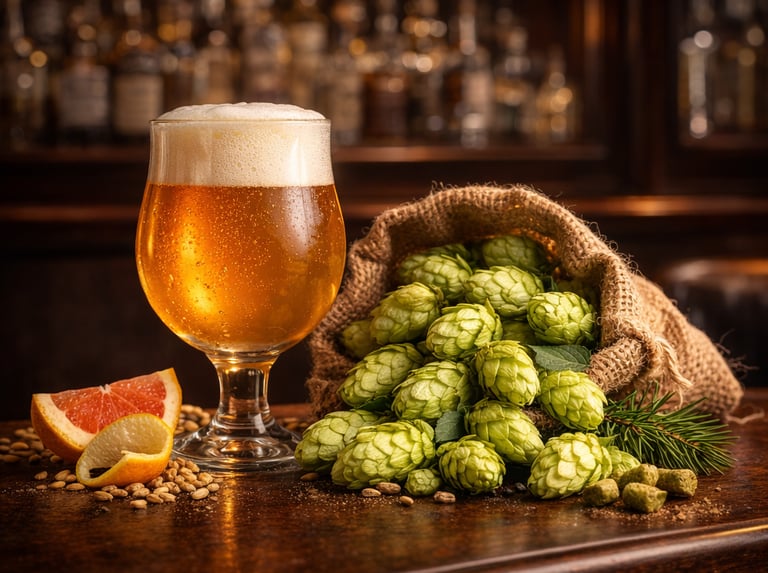
Hop oils contribute aromatic notes such as:
• Citrus
• Pine
• Floral
• Herbal
• Tropical fruit
Aromatic intensity depends on hop variety and timing of addition.
Preservation
Historically, hops acted as a natural preservative. Their antimicrobial properties extended shelf life, which helped popularize hop-forward styles.
Hops are not decorative — they are structural.
IBUs Explained
IBU stands for International Bitterness Units. It measures the concentration of bittering compounds in beer.
Higher IBUs indicate greater potential bitterness. However, perceived bitterness depends on overall balance.
For example:
• A beer with 70 IBUs and strong malt backbone may taste balanced.
• A beer with 40 IBUs and very little malt may taste sharply bitter.
IBUs measure potential intensity — not drinkability.
Alcohol level, residual sugar, and carbonation all influence how bitterness is perceived.
Balance matters more than numbers.
Aroma vs Bitterness
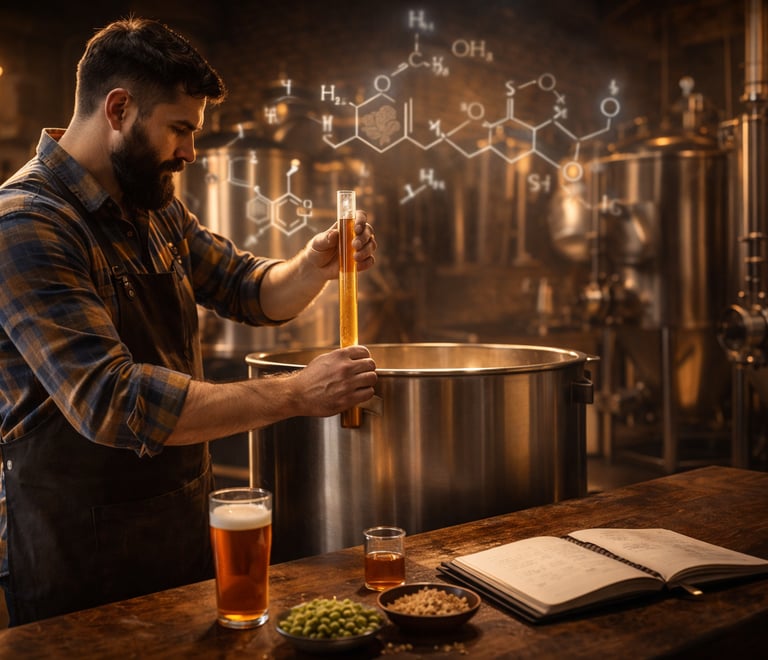
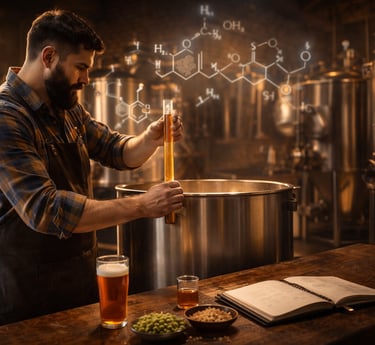
Hop character is shaped by when hops are added during brewing.
Early Additions
Hops added at the beginning of the boil primarily contribute bitterness.
Late Additions
Hops added near the end of the boil preserve more volatile oils, enhancing aroma without significantly increasing bitterness.
Dry Hopping
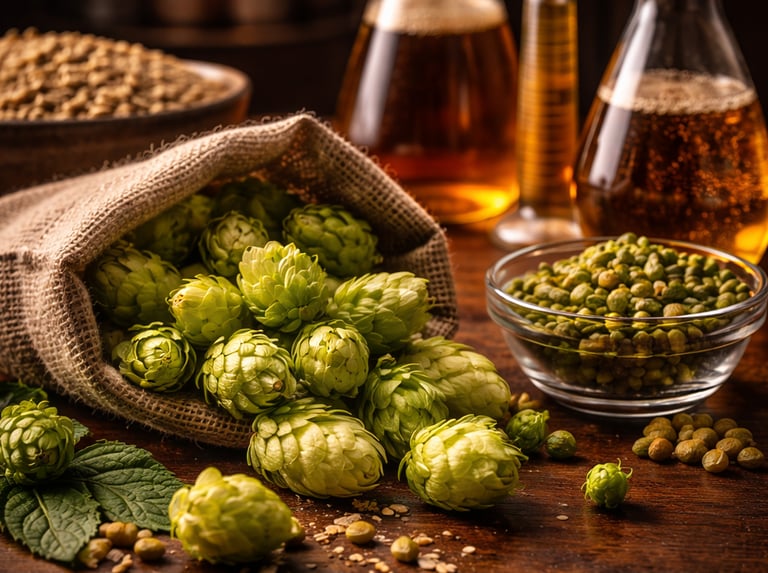
Dry hopping involves adding hops after boiling, during or after fermentation. This method amplifies aromatic lift while minimizing additional bitterness.
A heavily dry-hopped beer may smell intensely aromatic yet taste softer than expected.
Understanding this distinction explains why some IPAs smell explosive but feel balanced on the palate.
Balance
Well-structured beer integrates hops with malt backbone and fermentation character.
Excessive bitterness without malt support can feel harsh.
Excessive malt without hop balance can feel heavy.
The goal is tension — not dominance.
Hops should interact with:
• Malt sweetness
• Alcohol warmth
• Carbonation level
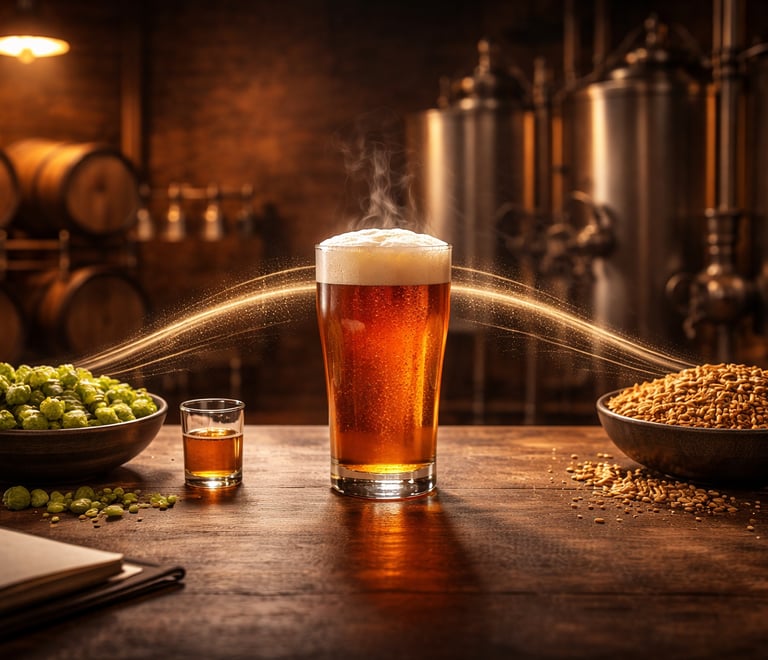
When balanced correctly, hops create clarity and refreshment rather than aggression.
Closing Perspective
Hops shape beer’s identity through bitterness, aroma, and structural tension.
IBUs provide a measurement, but balance defines experience.
Aromatic lift and bitterness are related — but not identical.
Understanding hop contribution allows for more intentional selection and clearer style preference.
Structure first. Numbers second.


Responsible Enjoyment
Understanding Strength & Moderation
Beer’s lower ABV can create a perception of reduced impact. However, serving size and alcohol concentration vary widely.
For example:
A 7% IPA in a 16-ounce serving contains significantly more alcohol than a standard 5% 12-ounce lager.
Responsible practices include:
• Monitoring ABV
• Pacing consumption
• Staying hydrated
• Avoiding rapid intake
Internal Link → Education, Safety & Responsibility
Understanding structure includes understanding strength.
Further Reading
Whiskey Guide
Gin Guide
Tequila Guide
Rum Guide
Vodka Guide
Brandy Guide
© 2026 Barkeepers Buzz. All rights reserved.
Barkeepers Buzz
Master cocktails, spirits, and bar knowledge with clarity and precision. Built for serious home enthusiasts.
Crafted with respect for the culture — and the responsibility that comes with it.
For educational purposes only. Intended for legal drinking age audiences. Please drink responsibly.
General Inquiries: