
Whiskey: Grain, Oak & Regional Identity
From bourbon and rye to Scotch and Irish whiskey, the category is defined by grain selection, distillation method, and barrel maturation.
Whiskey is distilled from fermented grain mash and matured in oak barrels. While regional rules differ, structure is shaped by mash bill, distillation style, aging environment, and proof. Understanding whiskey begins with production — not label age or marketing language.
What Makes Whiskey “Whiskey”?
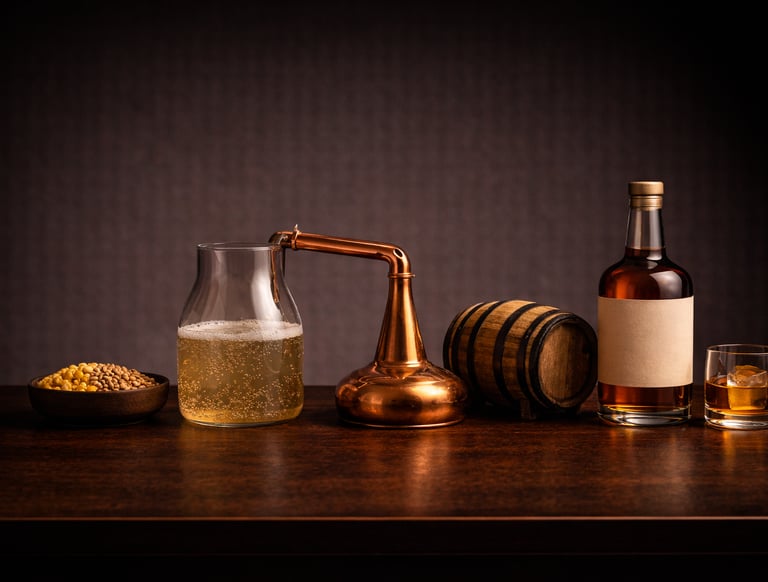
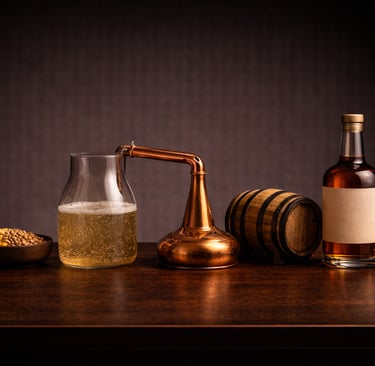
At its foundation, whiskey is distilled from fermented grain mash and aged in wood. The process begins with fermentation before distillation concentrates the alcohol. The details vary by country and regulation, but the core steps remain consistent:
Grain → Fermentation → Distillation → Oak Maturation → Bottling
Each step shapes the final profile.
Grain (Mash Bill)
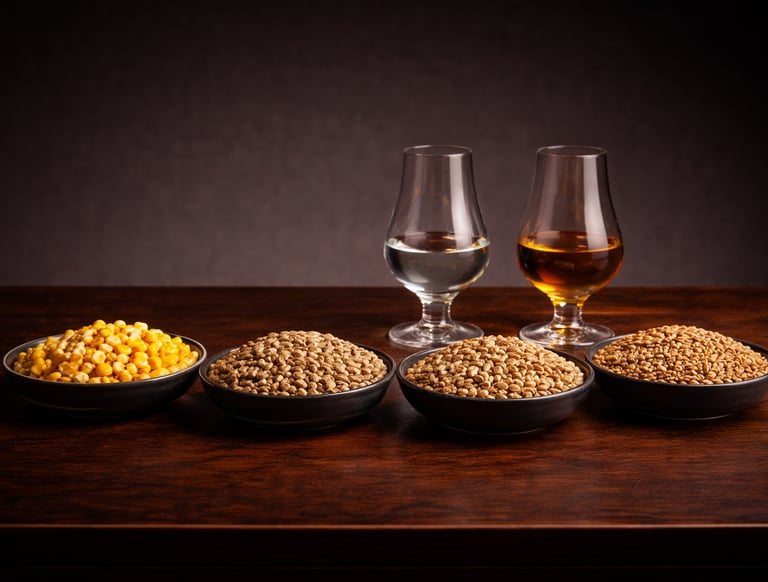
The mash bill — the grain recipe used in production — defines whiskey’s structural base.
Corn
Common in bourbon. Corn contributes sweetness, roundness, and caramelized notes after aging.
Rye
Spice-forward and sharper in profile. Rye adds structure, dryness, and a pepper-driven backbone.
Barley
Used heavily in Scotch and as a supporting grain in other styles. Malted barley contributes enzymatic conversion and subtle cereal character.
Wheat
Often used to soften structure. Wheat-forward mash bills tend to feel smoother and less spice-driven.
The balance of these grains determines whether a whiskey leans sweet, spicy, lean, or round before it ever enters a barrel.
Core Whiskey Categories
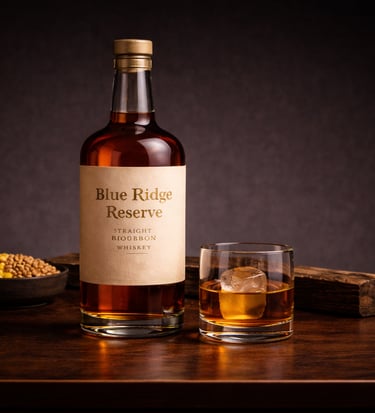
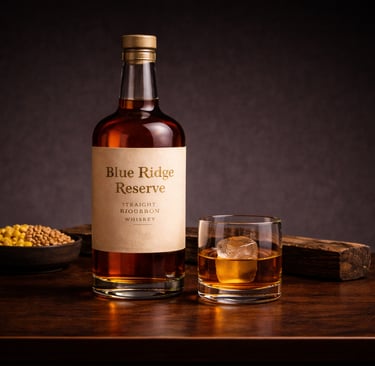
Minimum 51% corn
New charred oak
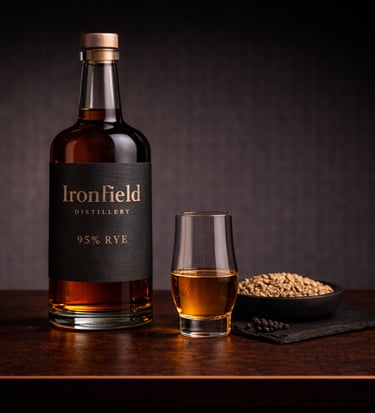
Minimum 51% rye
Spice-forward
Often triple distilled
Softer texture
Precision blending
Scotch-influenced
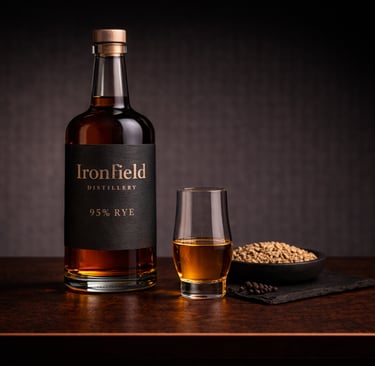
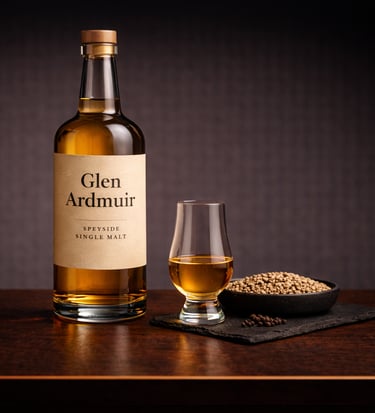
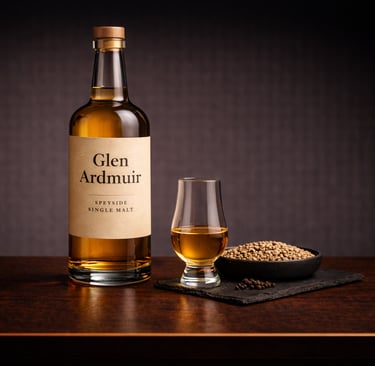
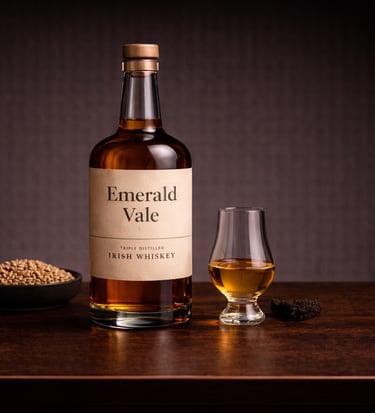
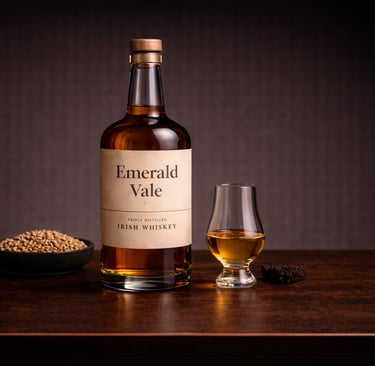
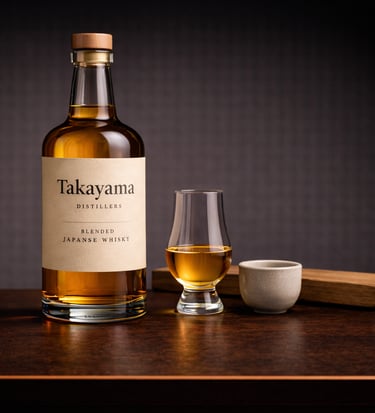
Malted barley
Regional distinctions
While all whiskey shares a common production framework, regional standards and traditions create distinct categories.
Alcohol Strength & Structure
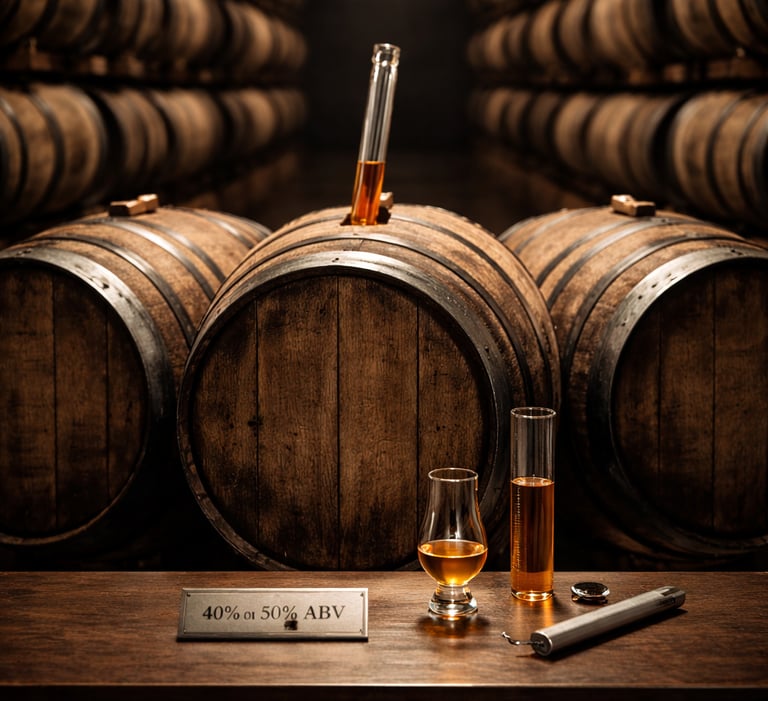
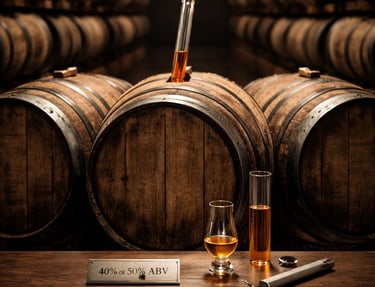
Most whiskeys are bottled between 40–50% ABV. Higher proof expressions may exceed this range, particularly in cask strength releases.
Alcohol by Volume (ABV)
Higher ABV increases:
• Aromatic intensity
• Heat on the palate
• Perceived body
• Length of finish
Lower proof expressions may feel softer and more integrated.
Proof influences perception, not quality. Understanding dilution is important when serving whiskey or building cocktails. Ice and dilution are tightly related to whiskey serving.
The Role of the Barrel
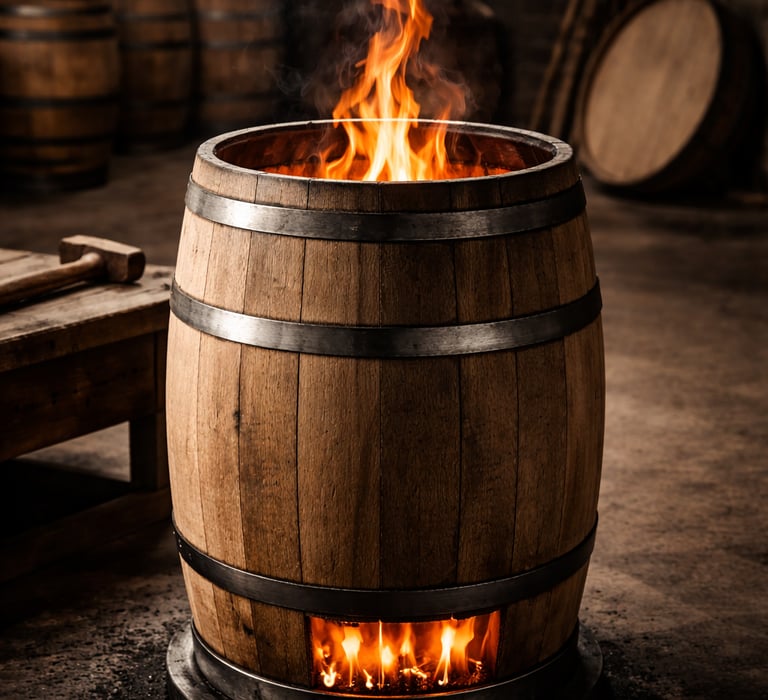
Oak barrels are not neutral containers. Barrel aging also plays a role in spirits like rum and brandy. They are active participants.
Barrel charring caramelizes wood sugars and opens the grain. As whiskey matures, it extracts:
• Vanillin
• Lactones (coconut notes)
• Caramel compounds
• Tannins
• Baking spice character
Oxygen enters slowly through wood pores, softening harsh edges.
Climate affects how deeply spirit penetrates wood and how quickly compounds are extracted.
Older whiskey may gain complexity — but over-aging can introduce excessive tannin or dryness.
Balance remains the goal.
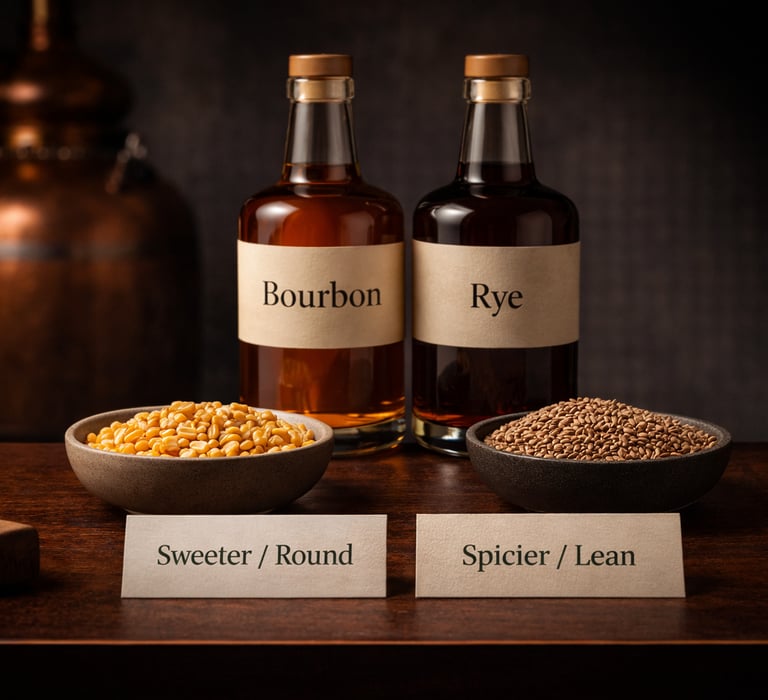
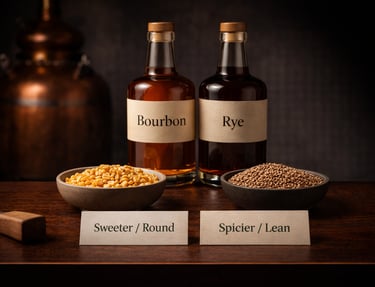
Corn vs Rye Structure
Short comparison table:
Feature
Grain Base
Flavor
Structure
Bourbon
Corn
Sweeter
Round
Rye
Rye
Spicier
Lean
Full comparison article
Structural Backbone of Classics
Mash bill — the grain recipe used to make whiskey — directly affects cocktail balance.
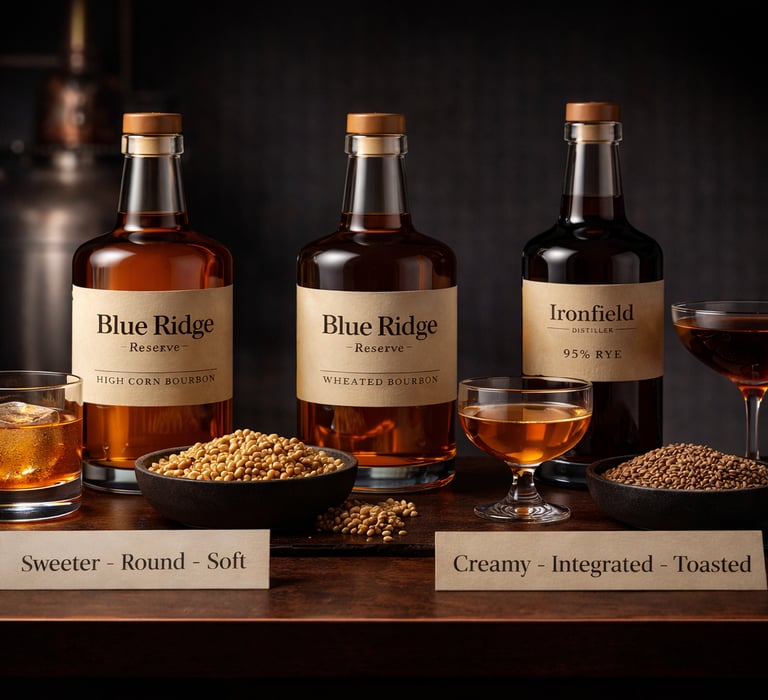
Corn-heavy bourbons are sweeter and rounder, with caramel and vanilla notes. In cocktails, that sweetness softens acidity and bitterness. An Old Fashioned made with high-corn bourbon feels smooth and approachable.
Rye-heavy mash bills are leaner and spicier. Rye adds tension and dryness, cutting through sweet modifiers like vermouth or simple syrup. The same Manhattan recipe tastes sharper and more structured when made with rye instead of bourbon.
Wheated mash bills reduce spice and create a softer, creamier profile, while malted barley can add toasted or smoky complexity.
Even when proportions stay the same, the mash bill determines whether a cocktail feels round or sharp, sweet or dry. Base structure shapes balance.
How to Choose Wisely
• Decide on grain preference
• Choose proof tolerance
• Ignore age hype
• Start with versatile bottles
• Expand intentionally
Best Bourbon Under $50
Best Rye for Cocktails
Best Cask Strength Whiskey
Best Beginner Whiskey
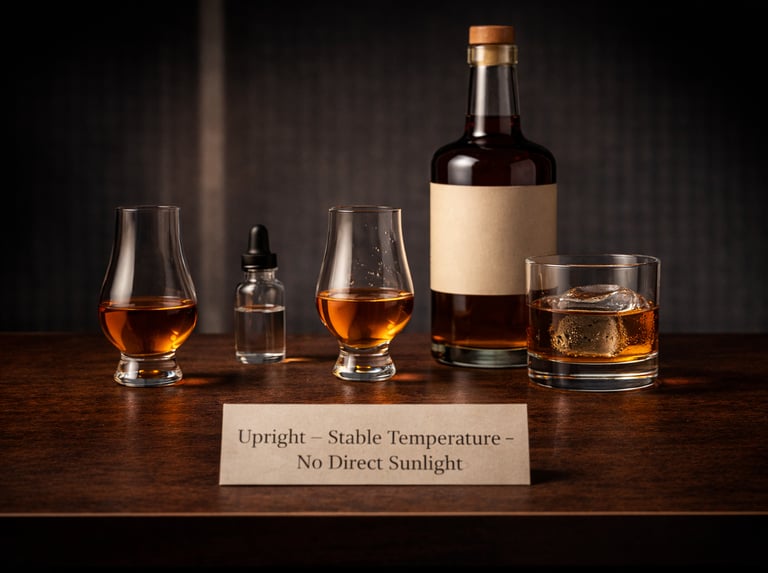
Serving Whiskey Properly
Whiskey is typically served:
• Neat
• With a few drops of water
• Over a large clear ice cube → Best Ice Molds
Glassware influences perception. A tulip-shaped tasting glass concentrates aromatics. A wide rocks glass emphasizes approachability. → Best Whiskey Glasses
Storage guidelines:
• Keep upright
• Avoid direct sunlight
• Maintain stable temperature
Unlike wine, whiskey does not continue aging once bottled.
Responsible Enjoyment
Whiskey commonly ranges from 40–50% ABV, with some expressions exceeding that.
Higher alcohol demands slower pacing and intentional consumption.
Serve thoughtfully.
Hydrate consistently.
Respect strength.
© 2026 Barkeepers Buzz. All rights reserved.
Barkeepers Buzz
Master cocktails, spirits, and bar knowledge with clarity and precision. Built for serious home enthusiasts.
Crafted with respect for the culture — and the responsibility that comes with it.
For educational purposes only. Intended for legal drinking age audiences. Please drink responsibly.
General Inquiries: