
Clear Ice vs Cloudy Ice: What Actually Changes in the Drink
Discover how clear ice vs cloudy ice affects your drink’s dilution, flavor, aroma, and presentation for a better sipping experience.
ICE & TEMP GUIDES
Barkeepers BuzzBlog Editorial Team - Led by AJ “Buzz” Eichman
2/26/20265 min read
When I’m working on a quality cocktail or enjoying a premium spirit, I’ve found that the ice you use does more than just cool the drink. Clear ice and cloudy ice are visibly different, and a lot of people think that this difference changes the taste, dilution rate, aroma, and overall experience. But what does ice clarity actually influence in your drink? Does cloudy ice really affect the flavor, or is it mostly just about how it looks? I ran through the science and what it means practically to help clear that up.
If you want a deeper dive into how melt rate and surface area influence balance, check out the dilution curve and why ice shape matters.
Quick Verdict
- Clear ice melts slower than cloudy ice, which means less dilution and a longer-lasting chill.
- Cloudy ice traps air and mineral impurities that can subtly impact flavor and aroma.
- Clear ice has a denser structure, reducing nucleation sites and slowing melting.
- Using clear ice improves presentation and helps flavors develop cleanly, especially in premium spirits.
- Myths about cloudy ice causing illness are mostly false if the water used is safe to drink.
The Structural Difference:
Why Clarity Matters
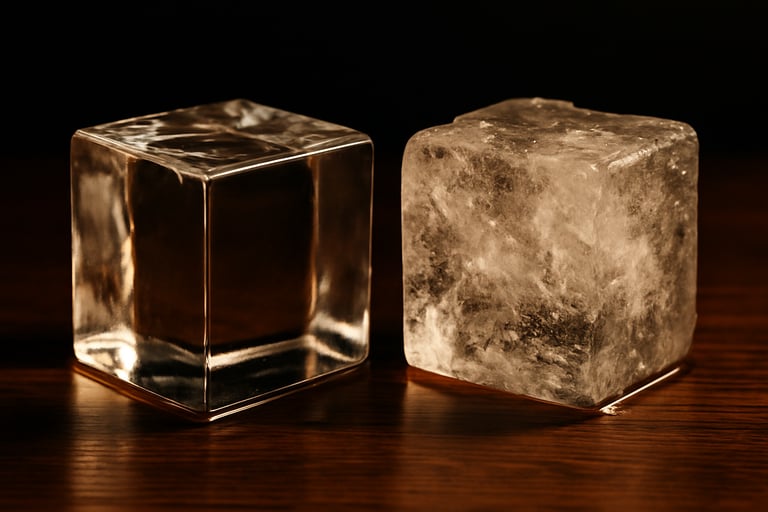
The main difference between clear and cloudy ice comes down to how they freeze and their internal makeup. Clear ice forms through directional freezing — a slow, controlled method where water freezes from one side (usually top-down). This pushes air bubbles and impurities away from the freezing front, resulting in a dense, transparent block without many trapped gases or minerals.
Cloudy ice freezes quickly all at once, trapping air bubbles and dissolved minerals inside, which causes that opaque, white, or cloudy look. These trapped pockets make the ice more porous and less dense.
Ice Density and Melt Rate
Because cloudy ice has all these tiny air pockets, it has more surface area relative to its size. That makes it soak up heat faster from the drink and environment, so it melts quicker. Clear ice’s density slows down this heat transfer, so it melts more slowly.
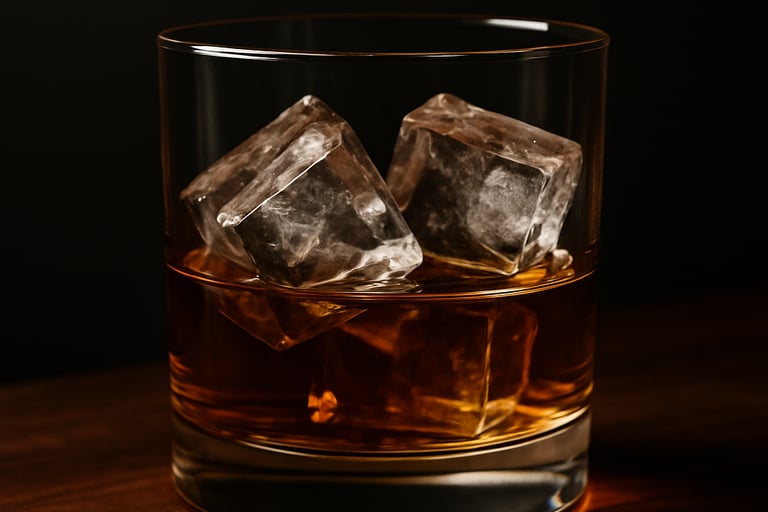
A slower melt means your drink stays colder longer without watering down as fast. That’s especially helpful for slow-sipped drinks like whiskey on the rocks or carefully crafted cocktails.
Taste Impact:
Purity and Unwanted Flavors
From my tests, cloudy ice can affect the flavor subtly. The minerals and impurities trapped inside during the fast freeze can dissolve back into the drink as it melts, sometimes adding a slight off-taste. Plus, air bubbles may carry some freezer smells, which can creep into the cocktail’s aroma.
Clear ice, especially when made with filtered or boiled water and directional freezing, stays flavor-neutral. It chills the drink without influencing the intended taste profile of premium spirits like whiskey or aged rum.
Does Cloudy Ice Make You Sick?
I checked on this common worry. Cloudy ice made from tap water isn’t inherently unsafe if the water is drinkable. The cloudiness mainly comes from gases and minerals, not bacteria or contaminants. So, it’s more about flavor and dilution quality than safety.
Melt Rate and Drink Dilution
Dilution happens as ice melts and waters down your drink, lowering both alcohol strength and flavor intensity. Because cloudy ice melts faster due to its porous nature and trapped air, it leads to quicker dilution.
Clear ice’s slower melting lets your drink chill steadily, maintaining balance longer. For cocktails that rely on ratio and balance and alcohol levels, that controlled dilution really matters.
Nucleation and Texture
Those trapped air bubbles in cloudy ice act as nucleation points, speeding up melting and water release. Clear ice doesn’t have this, so it melts smoother and more evenly.
Texture-wise, clear ice is harder and less brittle when chewing or stirring, which feels better in spirit-forward drinks.
Temperature Stability
and Flavor Development
With clear ice melting slowly, temperature stays steadier, preserving structure and balance, and flavors in complex cocktails can develop gradually. Because dilution is minimized, the drink and ice interact more predictably, which helps aromatic compounds show up nicely.
In contrast, cocktails made with cloudy ice chill fast but lose subtle flavors sooner due to quicker dilution and potential impurities.
Aesthetic and Presentation
Benefits
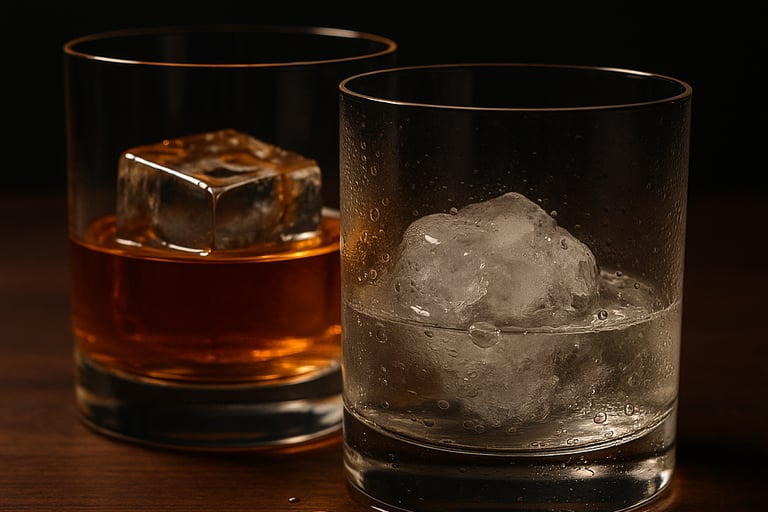
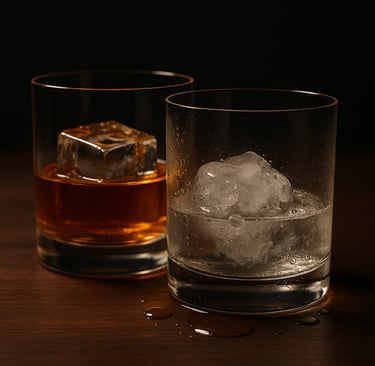
Clear ice cubes or spheres look great and elevate the drink experience visually. Their transparency shows off the liquid’s color, clarity, and garnishes without distractions. I can see why many bartenders choose large clear ice shapes—they look professional and add to perceived drink quality.
Cloudy ice, on the other hand, tends to be less visually appealing due to its opacity, masking the drink’s true color and giving a less refined appearance.
Common Mistakes
When Considering Ice Quality
- Assuming cloudy ice means unsafe water — it usually doesn’t; cloudiness is about trapped air and minerals.
- Thinking all ice melts the same — the density and structure affect melt speed significantly.
- Expecting clear ice from regular freezing — true clear ice needs directional freezing or special methods.
- Overlooking how appearance impacts perception — ice looks matter as much as flavor for overall experience.
Practical Takeaways
for Home and Bar Use
- Use clear ice for sipping spirits where nuance matters. Drinks are meant to be enjoyed slowly, to keep flavor and chill steady without quick dilution.
- Reserve cloudy ice for fast chilling or casual contexts where melt rate and purity aren’t as critical.
- For home experiments, try directional freezing by slowly freezing water in an insulated cooler, which pushes out air bubbles.
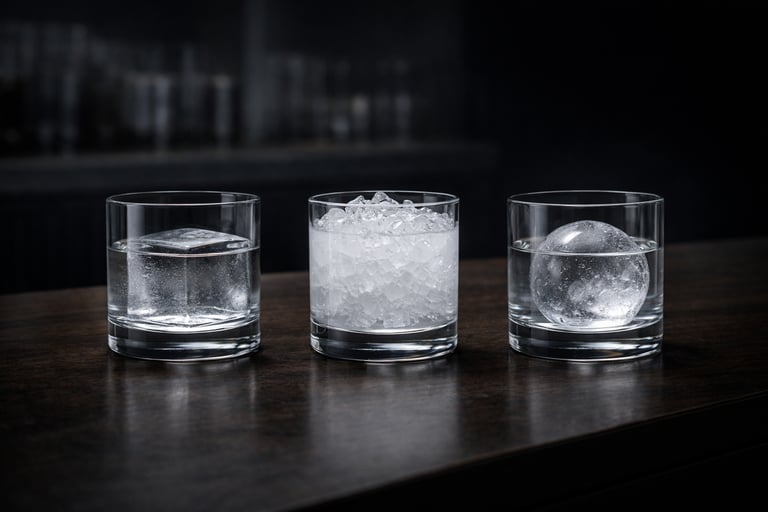
- Large single clear cubes or spheres are ideal for maximum temperature control and presentation.
FAQ
Does cloudy ice melt faster than clear ice?
Yes, because the trapped air bubbles increase surface area exposed to heat, speeding up melting and dilution.
Can I taste the difference between clear and cloudy ice?
Clear ice is neutral and keeps the intended flavors intact, while cloudy ice can add slight off-flavors from impurities or freezer smells.
Is clear ice safer to consume than cloudy ice?
Not necessarily—both are safe if made from potable water. Cloudiness isn’t a health risk, just potentially a flavor issue.
How can I make clear ice at home?
Try directional freezing: freeze water slowly in an insulated container to push air and impurities out as the ice forms.
Why do bartenders prefer large clear ice cubes or spheres?
They melt slower, chill evenly, and look sharp without diluting the drink too quickly, especially in spirit-forward cocktails like the Old Fashioned or Manhattan.
Does the type of ice affect the aroma of a cocktail?
Yes, slower-melting clear ice helps keep aromatic flavors intact longer and reduces interference from ice-related odors.
Will cloudy ice ruin my cocktail?
Not necessarily, but it can speed dilution and subtly affect flavor purity. For premium or nuanced drinks, clear ice is usually better.
© 2026 Barkeepers Buzz. All rights reserved.
Barkeepers Buzz
Master cocktails, spirits, and bar knowledge with clarity and precision. Built for serious home enthusiasts.
Crafted with respect for the culture — and the responsibility that comes with it.
For educational purposes only. Intended for legal drinking age audiences. Please drink responsibly.
General Inquiries: