
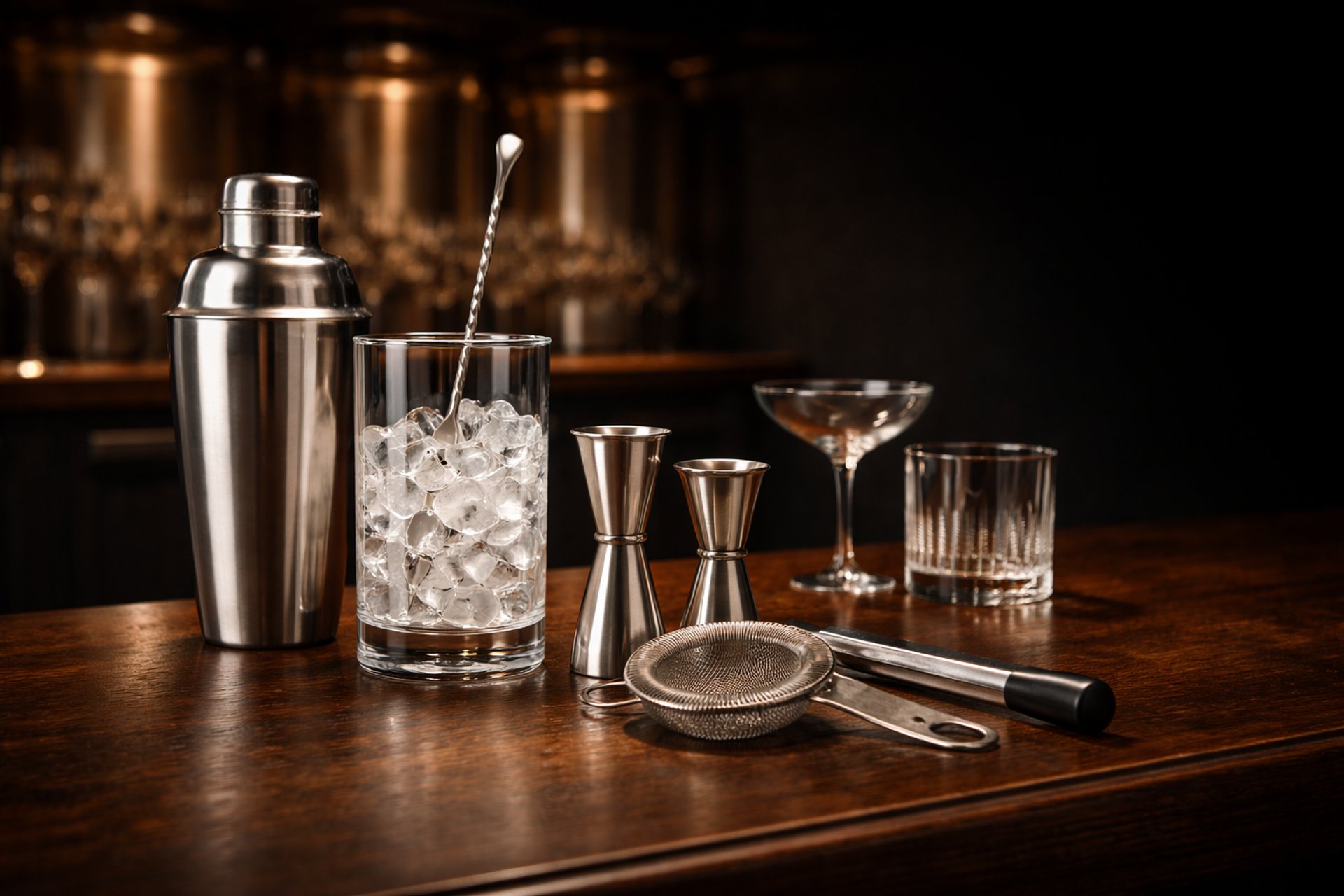
Cocktail Jigger Measurements
Accurate measurement is one of the most important foundations of good cocktail making. Even small changes in ingredient ratios can dramatically affect balance, sweetness, dilution, and alcohol strength.
Professional bartenders rely on jiggers to measure spirits and mixers with precision. These small measuring tools ensure that recipes are repeatable and that cocktails taste consistent every time they are made.
Most jiggers feature two different measuring cups, allowing bartenders to quickly measure multiple amounts without switching tools. Understanding how these measurements work helps home bartenders mix drinks with the same consistency found behind professional bars.
If you are building your bar toolkit, jiggers are considered one of the most essential tools alongside shakers, strainers, and bar spoons.
For a complete overview of essential equipment, see Essential Tools for a Home Bar.
Why Measurement Matters
Cocktails are built on ratios. Recipes depend on precise proportions between spirits, citrus, sugar, bitters, and dilution.
A difference of even a quarter ounce can change the character of a drink. Too much citrus can overpower a spirit. Too little sweetener can make a cocktail taste sharp and unbalanced.
Using a jigger eliminates guesswork. Instead of estimating pours, bartenders can follow recipes accurately and maintain consistent flavor profiles.
Measurement also matters when learning new cocktails. Following proper proportions allows you to understand how ingredients interact before experimenting with your own variations.
For many home bartenders, using a jigger is the fastest way to improve drink quality.
Standard Jigger Measurements
Most cocktail jiggers are double-sided measuring tools. Each side holds a different volume, allowing bartenders to measure common cocktail portions quickly.
The most common jigger size is the 1 oz / 2 oz jigger, which includes:
1 ounce on one side
2 ounces on the opposite side
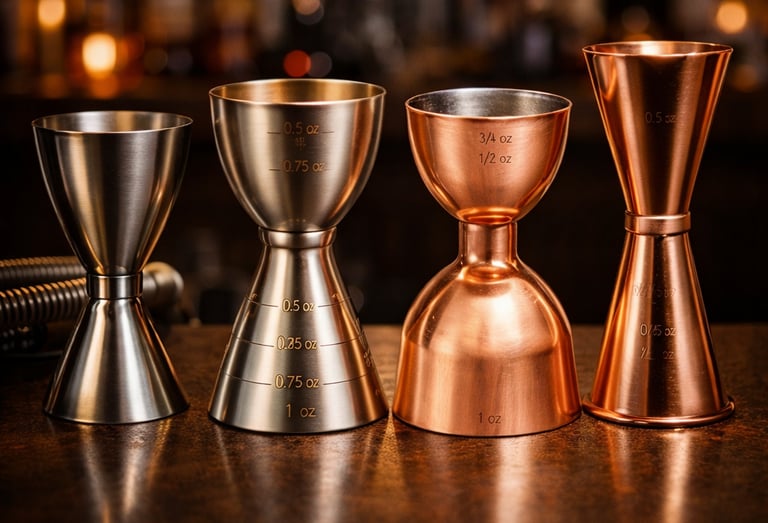
However, modern jiggers often include additional measurement lines inside the cup for smaller pours.
Common jigger measurements include:
½ oz
¾ oz
1 oz
1½ oz
2 oz
These measurements correspond to many classic cocktail recipes. For example:
Daiquiris typically use 2 oz rum
Margaritas often use 2 oz tequila and 1 oz lime juice
Manhattans typically use 2 oz whiskey
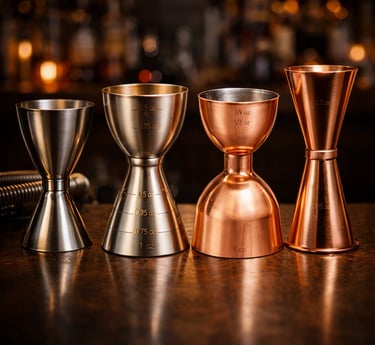
Many modern jiggers include interior markings that allow bartenders to measure smaller increments without switching tools.
The shape of the jigger can also influence how easily these measurements are read and poured.
How Bartenders Measure Cocktails
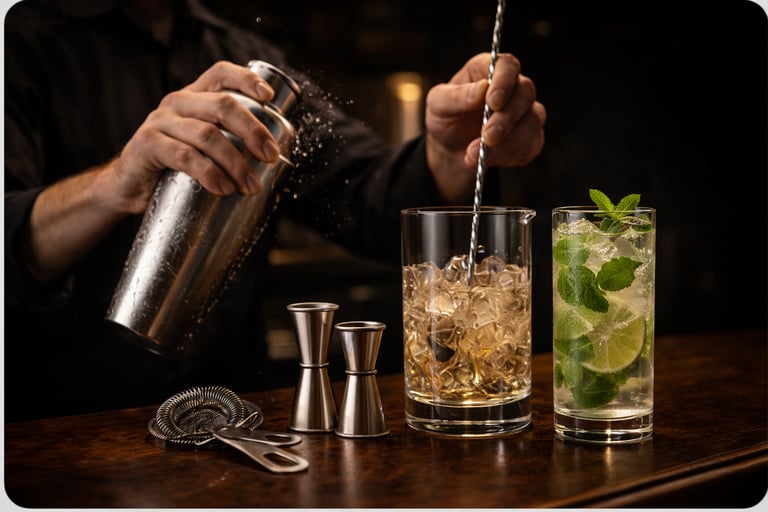
Professional bartenders typically measure cocktails using a quick, repeatable motion.
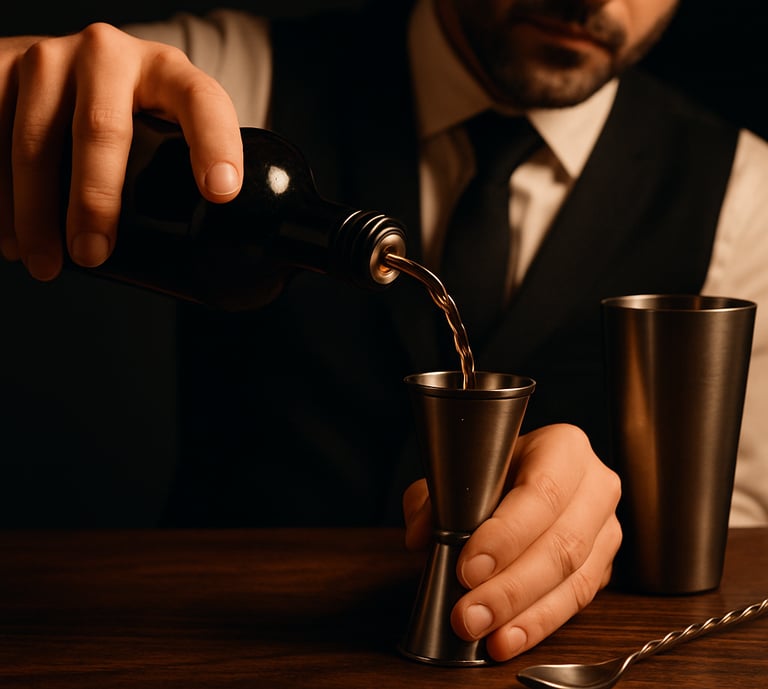
The jigger is filled to the appropriate measurement line and poured directly into the shaker or mixing glass. Experienced bartenders often hold the jigger between their fingers while pouring, allowing them to measure multiple ingredients quickly.
Some bartenders also use partial fills rather than switching sides of the jigger. For example:
Half-filled 1 oz side = ½ oz
Three-quarter fill = ¾ oz
This technique allows for faster drink preparation during busy service.
While some bartenders practice free pouring, jiggers remain the most reliable method for maintaining accuracy.
For a deeper comparison between these approaches, see Jigger vs Free Pouring.
Common Measuring Mistakes
Many measuring problems come from technique rather than the jigger itself.
One common mistake is underfilling the jigger. If the liquid does not reach the measurement line, the drink may become unbalanced.
Another issue is spilling while transferring ingredients into the shaker. This often happens when the jigger is overfilled or poured too quickly.
Some beginners also attempt to eyeball measurements rather than using the internal markings.
Small errors accumulate quickly in cocktails with several ingredients. Learning to measure carefully prevents many common recipe problems.
Understanding how bartenders measure cocktails professionally can also help improve technique.
For more detail, see How Bartenders Measure Cocktails.
Accuracy and Consistency
Consistency is one of the biggest advantages of using jiggers.
Without measurement, it becomes difficult to recreate the same drink repeatedly. A cocktail that tastes perfect once may taste very different the next time it is made.
Using measured pours ensures:
balanced flavor
controlled alcohol strength
consistent dilution ratios
This consistency becomes especially important when preparing drinks for multiple guests.
Even experienced bartenders rely on jiggers for precision when crafting spirit-forward cocktails where balance is critical.
The design of the jigger itself can also influence accuracy, which is why different jigger shapes exist.
For a closer look at these differences, see Japanese vs Bell Jiggers.
Choosing the Right Jigger
While measurements are standardized, jigger designs vary.
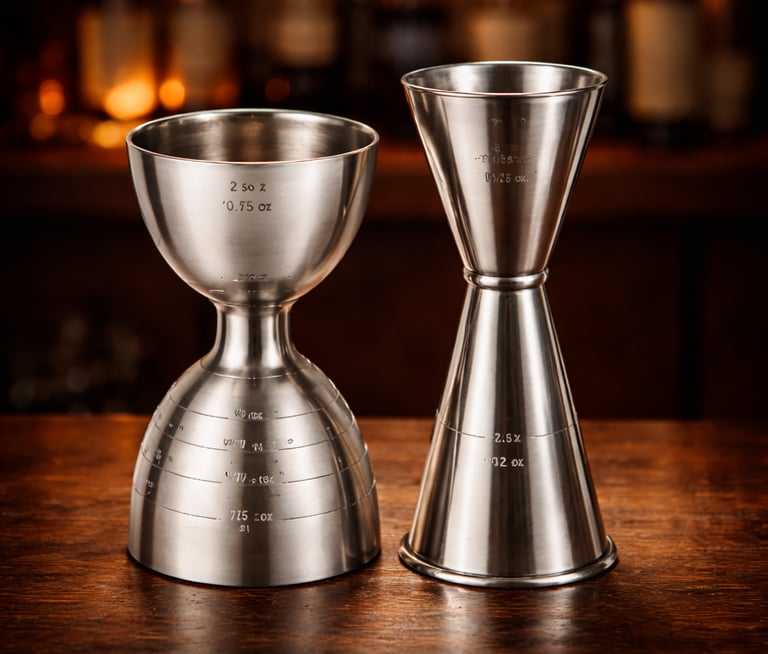
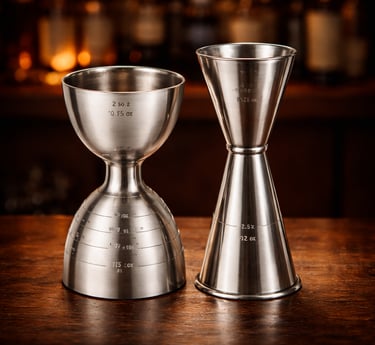
Some jiggers feature narrow, tall shapes with internal measurement lines. Others are wider and easier to fill quickly.
The two most common designs are:
Japanese jiggers
Bell jiggers
Both styles measure the same volumes but differ in shape and handling characteristics.
Japanese jiggers often provide clearer measurement markings and more precise pours. Bell jiggers tend to feel more stable and easier to handle for beginners.
Choosing the right jigger often comes down to personal preference and comfort.
For a detailed accuracy comparison between these designs, see Japanese vs Bell Jiggers.
Where Jiggers Fit in Bar Tools
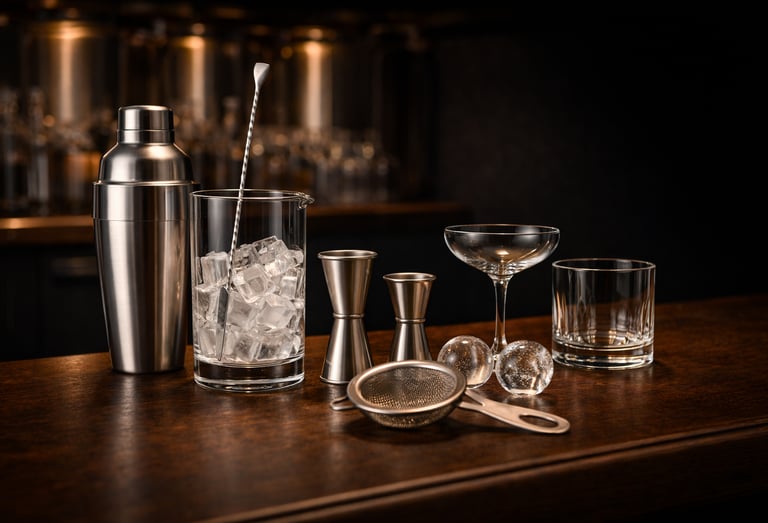
Jiggers are one of the core tools used in cocktail preparation. They work alongside other bar tools to create a complete mixing system.
A typical cocktail setup includes:
a jigger for measurement
a shaker for chilling and dilution
a strainer for separating ice
a bar spoon for stirred drinks
Together, these tools allow bartenders to prepare a wide range of cocktails with precision and consistency.
If you are building a home bar setup, choosing a reliable jigger is one of the first steps.
To explore the top jigger options currently available, see our full guide:
You can also explore the broader tool system in our Bar Tools guide.
© 2026 Barkeepers Buzz. All rights reserved.
Barkeepers Buzz
Master cocktails, spirits, and bar knowledge with clarity and precision. Built for serious home enthusiasts.
Crafted with respect for the culture — and the responsibility that comes with it.
For educational purposes only. Intended for legal drinking age audiences. Please drink responsibly.
General Inquiries: