

Weighted vs Unweighted Bar Spoons
Bar spoons are one of the most overlooked tools in a home bar setup, but their design directly affects control, consistency, and technique. One of the most important distinctions is whether the spoon is weighted or unweighted.
While both perform the same core function, their balance, handling, and feel create very different experiences behind the bar. Understanding these differences helps you choose the right tool for your workflow.
If you're building your setup, it helps to understand how bar spoons fit into the full Bar Tools guide or within a complete Essential Home Bar setup.
Transparency Note: We may earn a commission from qualifying purchases. Product selections are made independently and are not influenced by manufacturers.
Key Differences
The main difference between weighted and unweighted bar spoons is balance.
Weighted bar spoons include added mass at the end of the handle, creating a more stable and guided motion during stirring. Unweighted bar spoons are lighter and rely entirely on technique for control.
This difference impacts how easily you can maintain a smooth stirring rhythm, how precise your movements feel, and how quickly you develop consistency.
To better understand how bar spoon design works overall, see Bar Spoon Design Explained.
Design Comparison
Unweighted Bar Spoon
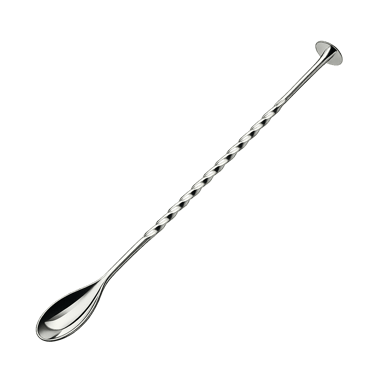
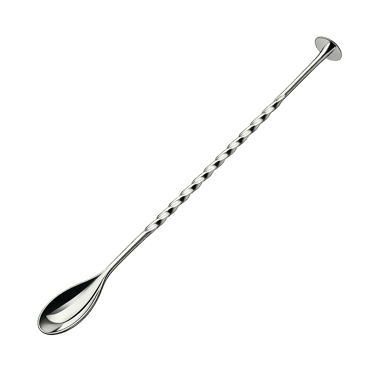
Unweighted bar spoons follow a more traditional design with no added weight.
They are lighter and more responsive, giving the user full control over movement. This allows for greater flexibility but requires more precision and practice.
Many experienced bartenders prefer unweighted spoons because they offer more tactile feedback during stirring and layering.
For a deeper look at how to use them effectively, see How to Stir with a Bar Spoon.
Weighted Bar Spoon
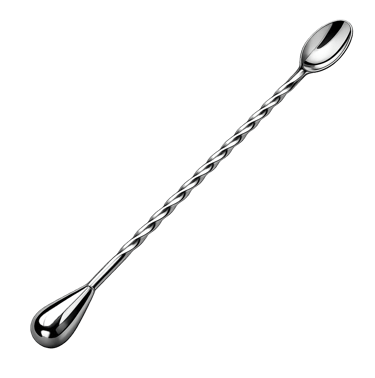
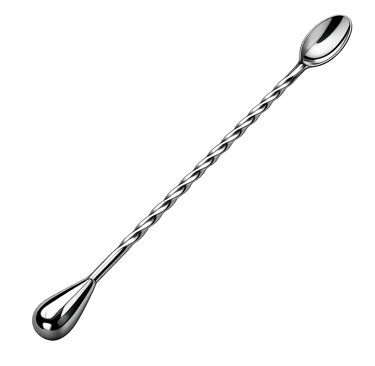
Weighted bar spoons feature a small metal weight at the end of the handle, shifting the center of balance toward the back.
This added weight helps stabilize the spoon during stirring, making it easier to maintain a smooth, controlled motion. The twist in the handle works with the weight to guide the spoon through the liquid.
This design is especially helpful when learning proper stirring technique.
To understand why bar spoons are shaped this way, see Why Bar Spoons Are Twisted.


Performance Comparison
Stirring Control
Weighted bar spoons provide a smoother, more consistent stirring motion with less effort. The added mass helps guide the spoon naturally.
Unweighted spoons require more deliberate control but allow for finer adjustments once mastered.
If you’re working with stirred cocktails, technique matters—see Why Stirred Cocktails Use Mixing Glasses.
Learning Curve
Weighted spoons are easier for beginners. The balance reduces the need for constant correction during stirring.
Unweighted spoons have a steeper learning curve but reward precision and control over time.
Layering Precision
Unweighted bar spoons tend to perform better for layering cocktails. Their lighter feel allows for delicate control when pouring liquids over the back of the spoon.
To learn this technique, see How to Layer Cocktails.
Speed and Efficiency
Weighted spoons can speed up your workflow, especially when making multiple drinks. Their stability reduces fatigue and helps maintain consistency.
Unweighted spoons may feel slower at first but become efficient with practice.
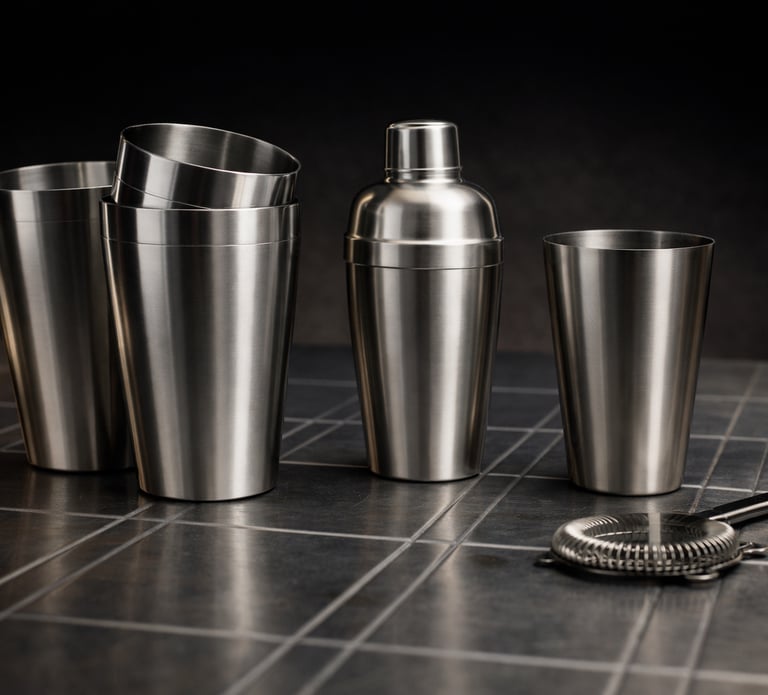
Who Each Shaker Is For
Choosing between these two designs often comes down to experience level and personal preference.
Unweighted Bar Spoon
Best for:
experienced bartenders
precision techniques
layered cocktails
traditional workflows
Unweighted spoons offer more flexibility for advanced users.
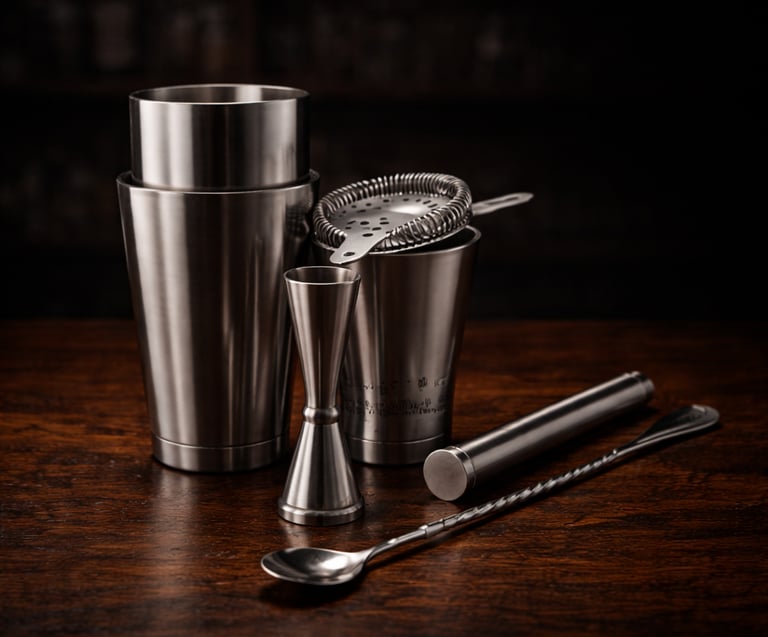
Weighted Bar Spoon
Best for:
beginners
consistent stirring
high-volume use
improving technique quickly
Weighted spoons are ideal for building confidence and maintaining control.
Common Problems and Mistakes
Many issues come from mismatching the spoon to your skill level or technique.
Common mistakes include:
using an unweighted spoon without proper technique
gripping too tightly and disrupting motion
choosing the wrong spoon length
stirring too aggressively
These issues can lead to inconsistent dilution and poor cocktail balance.
To improve your overall results, review Stirring vs Shaking Science and understand how technique affects outcomes in Why Stirring Controls Dilution.





THE SHOWDOWN
Weighted Bar Spoon
Unweighted Bar Spoon

✓ Stable, balanced feel
✓ Easier for beginners
✓ Reduces fatigue
✓ Ideal for layering
✓ Preferred by bartenders
✓ Traditional design
Final Recommendation
Both weighted and unweighted bar spoons can produce excellent results, but they suit different experience levels and workflows.
If you're just starting out, a weighted bar spoon is typically the better choice. It provides stability and helps you develop consistent technique more quickly.
As your skills improve, an unweighted spoon offers greater precision and flexibility, especially for advanced techniques like layering.
For most home bartenders, starting with a weighted spoon and adding an unweighted option later is a practical approach.
If you’re ready to upgrade your tools, explore the top options in Best Bar Spoons or build a complete setup with Best Bar Tool Sets.
© 2026 Barkeepers Buzz. All rights reserved.
Barkeepers Buzz
Master cocktails, spirits, and bar knowledge with clarity and precision. Built for serious home enthusiasts.
Crafted with respect for the culture — and the responsibility that comes with it.
For educational purposes only. Intended for legal drinking age audiences. Please drink responsibly.
General Inquiries: