
Stirring vs. Shaking: The Science Behind the Perfect Cocktail
Discover the science behind stirring cocktails and shaking techniques to master texture, temperature control, and cocktail clarity for the perfect drink.
BAR TOOL GUIDESCOCKTAILS & MIXED DRINKS
Barkeepers BuzzBlog Editorial Team - Led by AJ “Buzz” Eichman
4/5/20267 min read
When it comes to cocktail mixing techniques, two methods dominate the craft: stirring and shaking. Each has its advocates and its specific reasons for use, rooted in their distinct effects on the drink’s texture, temperature, dilution, and clarity. Over several shifts and at-home sessions, I dove into what the science really says about these methods and how best to apply them, whether you’re a budding home bartender or a curious professional looking to sharpen your skills.
Understanding the fundamental differences can help you craft cocktails that not only taste right, but feel right—from the smooth silkiness of a stirred Manhattan to the refreshing froth of a shaken Margarita. If you want a broader foundation first, the techniques & professional skills hub is a strong place to build from.
Quick Verdict
Stirring cocktails is ideal for spirit-forward, clear drinks that benefit from a silky texture and controlled dilution
Shaking cocktails rapidly chills, dilutes, and aerates, producing lighter, frothier drinks with a cloudy appearance
The choice of technique significantly influences cocktail clarity, texture, and temperature control
Using the right tools—mixing glass and bar spoon for stirring; shaker and strainer for shaking—makes all the difference
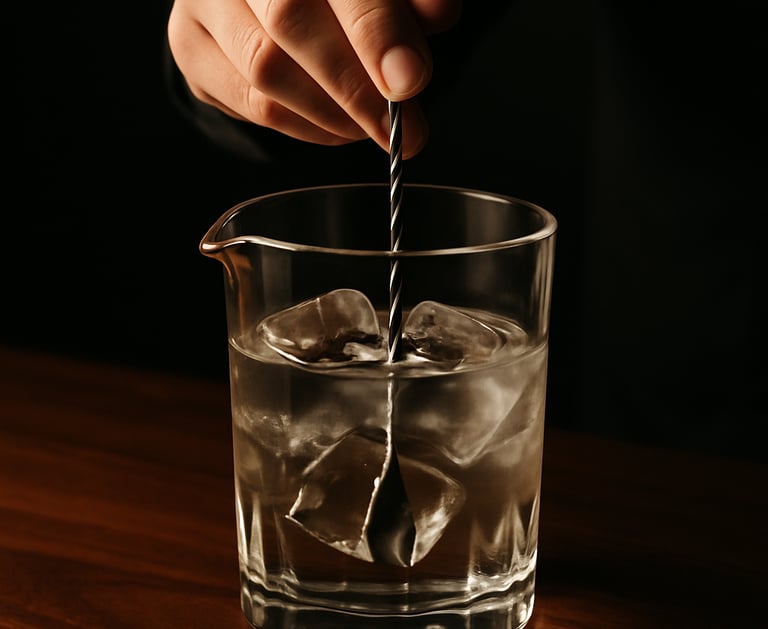
Understanding Stirring: Mechanism and Effects
Stirring is the gentlest of mixing methods. When you stir a cocktail, you use a bar spoon to slowly agitate the mixture in a mixing glass filled with ice. The motion is smooth and steady, designed to chill the cocktail gently while minimally disturbing the ice.
From my own tests over a couple of shifts, I observed that stirring maintains the integrity of the cocktail’s clarity because it minimizes both air incorporation and ice breakage. Ice remains more intact, meaning slower dilution and a well-controlled chill. This process tends to preserve the texture of spirit-forward cocktails, leaving them silky, smooth, and subtly balanced.
For example, when I stirred a classic Martini, the resulting drink was crystal-clear with a cool temperature but never watery. The lack of air bubbles means the flavors come through clean and undisturbed, which is exactly why stirred cocktails use mixing glasses in the first place.
Understanding Shaking: Mechanism and Effects
Shaking is a more vigorous approach. When you use a cocktail shaker, you combine ingredients with ice and move the shaker rapidly for about 10–15 seconds. This vigorous agitation causes the ice to break apart more, melting faster, which means dilution happens quicker.
At the same time, shaking incorporates air into the mix, creating froth and cloudiness. Over several tests with cocktails containing fruit juices and egg whites—like Margaritas and Whiskey Sours—I noticed a significant difference in texture. Shaking aerates these ingredients, producing a lighter, foamier mouthfeel that stirring can’t replicate.
Plus, the quicker chill from shaking makes drinks refreshingly cold. However, this comes at the expense of clarity: shaken cocktails often have a cloudy appearance, which is completely normal and expected given the technique’s effect. If you’re still choosing your gear, understanding cocktail shaker types makes a big difference here.
Impact on Cocktail Texture and Clarity
Texture and clarity are two critical sensory elements that define a cocktail’s personality.
Stirred cocktails tend to have a silky, smooth texture. This is because the slow agitation doesn’t introduce air, nor does it break the ice too quickly. The result is a dense, cohesive mouthfeel that feels consistent from sip to sip. Visually, these drinks are clear, showcasing the elegance of spirit-forward recipes like Manhattans or Martinis.
Shaken cocktails, because of the rapid mixing and air incorporation, have a lighter, almost frothy texture. This benefits drinks that include dairy, egg whites, or fruit juices where aeration enhances the overall sensory experience. The tradeoff is clarity, since shaken drinks appear cloudy or opaque. But depending on the cocktail, that cloudiness can absolutely add to the drink’s appeal.
This is one of the biggest reasons the mixing glass vs shaker conversation matters more than people think.
How Dilution and Temperature Differ Between Techniques
Dilution is often overlooked, but it directly shapes a cocktail’s taste, balance, and mouthfeel. Temperature control similarly influences the overall enjoyment of the drink.
Stirring introduces dilution more slowly because ice stays more solid during the gentle mixing. This slower melting means the drink cools without watering down too quickly, protecting strong spirit flavors and balance.
Shaking accelerates dilution by breaking the ice and increasing surface contact with the liquid. This rapid chilling is ideal for cocktails that need to be cold quickly while blending ingredients like juices or dairy.
In practical terms, I found that shaken drinks chilled much faster than stirred ones, sometimes by 20–30%. However, the extra dilution requires the bartender to account for its impact on flavor strength. If you want to go deeper on that side of things, why stirring controls dilution is worth reading next.
Common Mistakes When Stirring and Shaking
Experimentation helped me spot some common pitfalls bartenders and hobbyists run into:
Shaking cocktails better stirred: Forcing a Martini or Manhattan into a shaker leads to cloudiness and over-dilution
Stirring cocktails that need shaking: Trying to stir a cocktail with egg whites or juice can leave it under-mixed, with poor texture and uneven flavor
Over-stirring: Excessive stirring can cause too much dilution and mute flavors
Using poor technique or tools: An improper stirring motion or cheap bar spoon leads to uneven chill and compromised results
Ignoring dilution and chilling: Not thinking about these variables can throw off the balance of the final drink
A lot of this overlaps with broader home bartending mistakes that can quietly sabotage otherwise good drinks.
Choosing the Right Technique for Your Cocktail
The decision to stir or shake mostly depends on the ingredients and the result you want:
Stir when making spirit-forward cocktails that depend on clarity and smooth texture, like Martinis, Manhattans, or Negronis
Shake cocktails that contain juices, dairy, or egg whites—Margaritas, Sours, and Fizz cocktails rely on this method to integrate and aerate
Consider the mouthfeel you want: shaken drinks feel lighter and more refreshing; stirred cocktails feel denser and more contemplative
Keep dilution and temperature in mind: shaking cools and dilutes faster, while stirring is gentler and more controlled
If you’re trying to refine the stirred side of that equation, how to stir cocktails properly is a helpful companion read.
Tools and Equipment for Stirring vs. Shaking
Having the right gear significantly improves both your technique and your results.
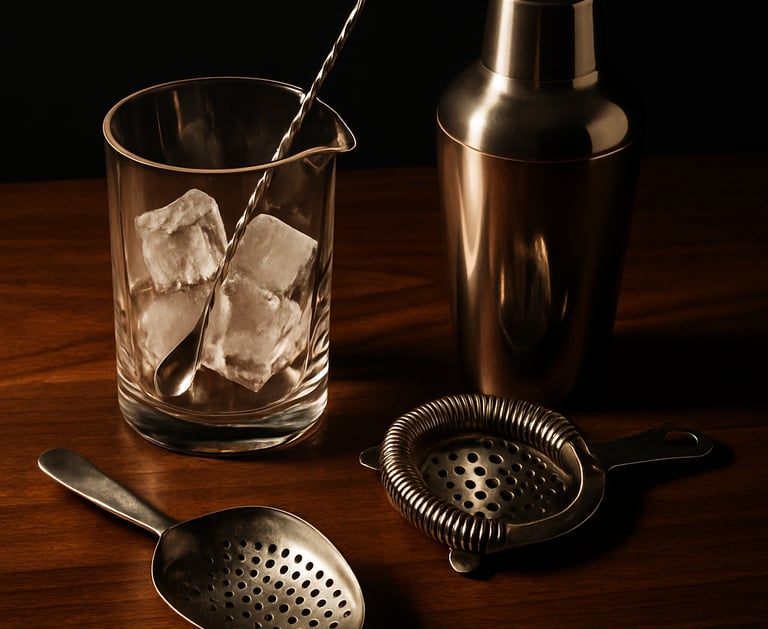
For stirring, I recommend a quality mixing glass paired with a long bar spoon featuring a twisted handle. These tools help achieve smooth, consistent motion and proper chilling control. The mixing glass should be sturdy, with thick walls that help maintain the chill and improve control. If you’re upgrading, these best bar spoons and best mixing glasses are a great place to start.
For shaking, a solid cocktail shaker is essential. Boston shakers or cobbler shakers both work well, along with a reliable strainer like a Hawthorne or julep. I noticed quickly that the choice of shaker affects not just ease of use, but also how quickly the cocktail chills. If you’re comparing options, check out best cocktail shakers, and if strainers are part of the question, Hawthorne vs Julep strainers explained is useful too.
Expert Tips from Bartenders and Home Mixologists
A few practical lessons stood out from repeated testing:
Test chilling by taste, not just by the clock
Don’t rush stirring—controlled, fluid strokes produce better texture and clarity
Shake with intent: consistent, moderate force tends to work better than wild movement
Match ice size to the technique: larger cubes slow dilution during stirring, while smaller pieces can speed chilling during shaking
Clean your tools right away, especially after juice, dairy, or egg white drinks
At the end of the day, consistency matters more than flash.
FAQ
When should I stir instead of shake a cocktail?
You should stir cocktails primarily when the recipe contains clear spirits without juices or dairy. Stirring preserves clarity, texture, and controlled dilution for drinks like Martinis and Manhattans.
How does shaking affect cocktail dilution?
Shaking causes faster ice breakage and melting, which increases dilution more quickly than stirring. That works well for juice- or dairy-based drinks but needs to be accounted for in the recipe.
Why do shaken cocktails look cloudy?
Shaking aerates the cocktail and breaks ice more aggressively, introducing tiny air bubbles and ice fragments that create a cloudy appearance.
Can all cocktails be stirred or shaken?
Not really. Some drinks are flexible, but many rely on one method to get the intended balance and texture. A Margarita wants shaking, while a Negroni is generally best stirred.
What equipment do I need for proper stirring or shaking?
For stirring, use a mixing glass and a bar spoon. For shaking, use a cocktail shaker—Boston or cobbler style—and a strainer.
How does temperature control differ between stirring and shaking?
Shaking chills drinks faster because of more aggressive ice movement and dilution. Stirring chills more gently and gradually for a more controlled result.
Does shaking change the flavor profile of a cocktail?
Yes. Shaking can introduce more dilution and aeration, which lightens texture and can soften stronger flavors.
What are the best cocktails to stir versus shake?
Stir cocktails like Martinis, Manhattans, and Negronis that emphasize clarity and spirit character. Shake cocktails with juices or egg whites, such as Margaritas, Sours, and Fizzes.
Conclusion
Exploring the science behind stirring and shaking changed the way I approach cocktail mixing. Both techniques serve essential but very different purposes, balancing dilution, texture, temperature, and clarity to fit each drink’s personality.
As you experiment behind your bar, keep in mind that stirring offers a gentler touch for clarity and smoothness, while shaking brings bold aeration, rapid chilling, and a livelier texture. The right choice, along with the proper tools, can elevate your cocktails from good to great.
If you’re building your setup from the ground up, the broader bar tools pillar is a smart next stop, especially alongside the minimalist home bar tool setup if you want to keep things practical.
Dive into the process with curiosity and patience. That’s how your skills grow—and how you start mixing smarter, not just harder.
© 2026 Barkeepers Buzz. All rights reserved.
Barkeepers Buzz
Master cocktails, spirits, and bar knowledge with clarity and precision. Built for serious home enthusiasts.
Crafted with respect for the culture — and the responsibility that comes with it.
For educational purposes only. Intended for legal drinking age audiences. Please drink responsibly.
General Inquiries: