
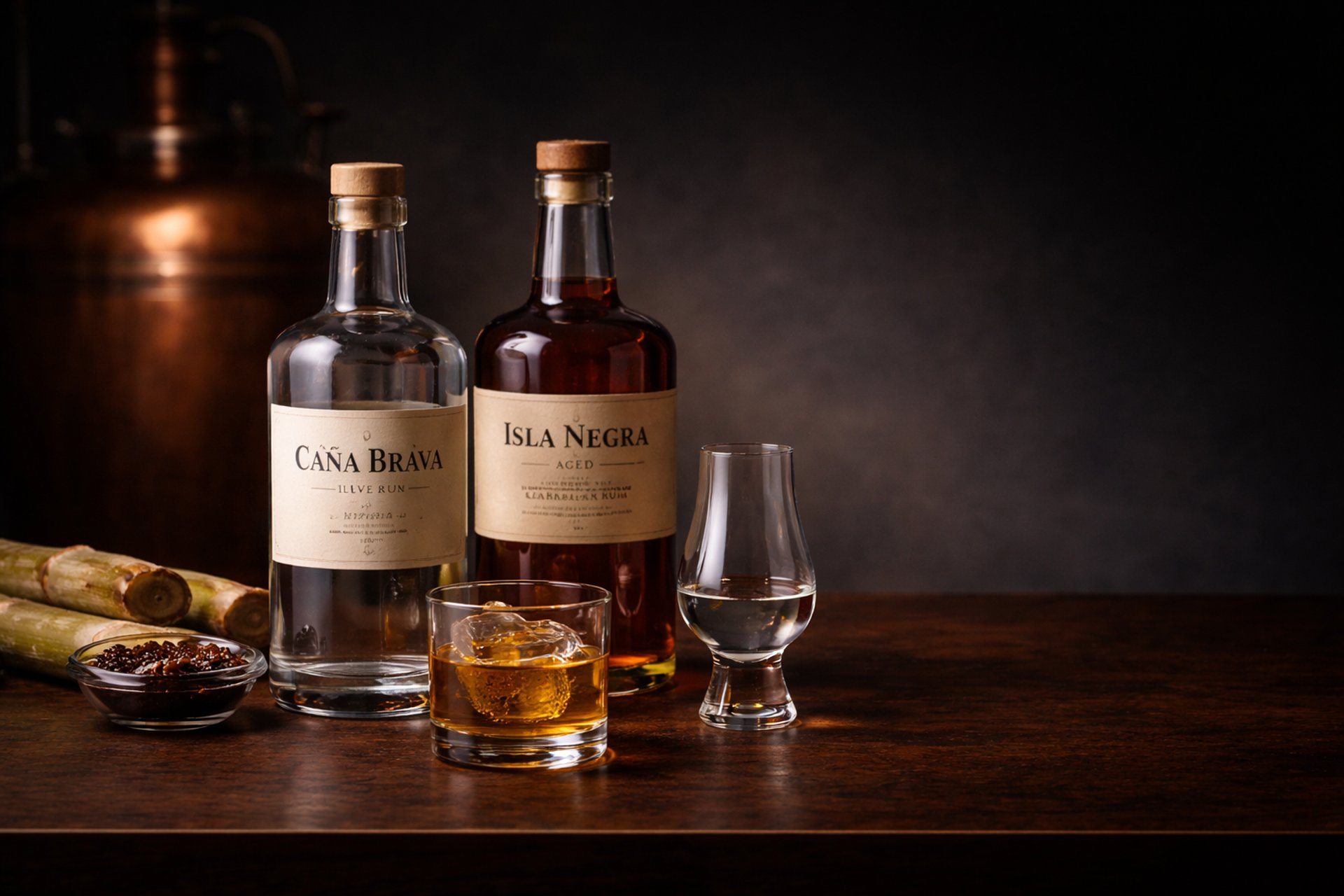
Rum: Sugarcane, Structure & Regional Identity
From light column-distilled styles to aged molasses-driven expressions, rum is shaped by sugar source, fermentation, distillation, and climate.
Rum is distilled from sugarcane derivatives — either fresh cane juice or molasses. While often associated with sweetness, rum’s structure ranges from clean and dry to rich and oak-driven. Production decisions, regional traditions, and aging environments shape the final profile.
What Defines Rum?
Sugar Source
• Molasses
• Fresh cane juice
• Cane syrup
Explain structural differences.
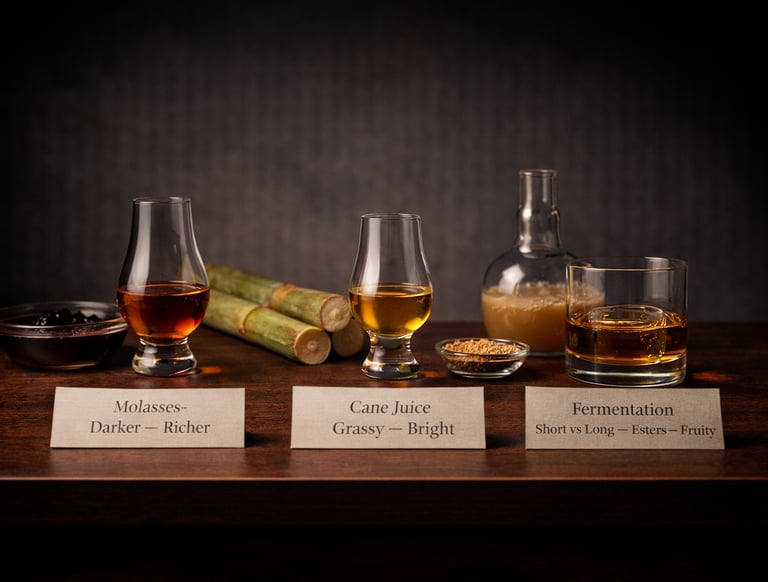
Molasses → darker, richer
Cane juice → grassy, bright
Fermentation
Fermentation plays a critical role in rum’s aromatic profile.
Short vs long fermentation
Wild yeast vs cultured yeast
Impact on esters and fruitiness
Distillation
Distillation method further shapes structure.
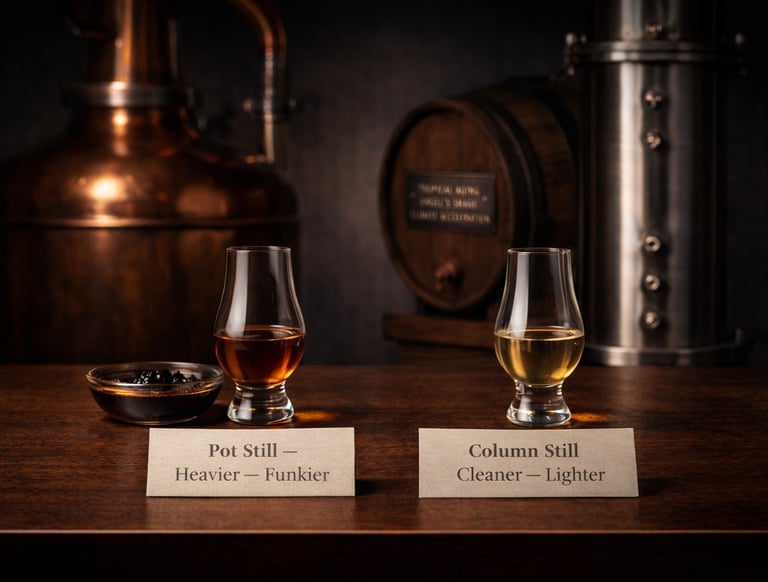
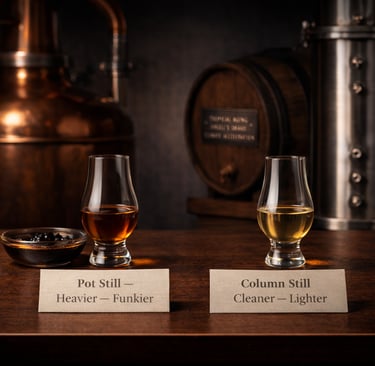
Pot still vs column still
Pot still → heavier, funkier
Column still → lighter, cleaner
Aging
Tropical aging
Angel’s share
Barrel reuse
Climate acceleration
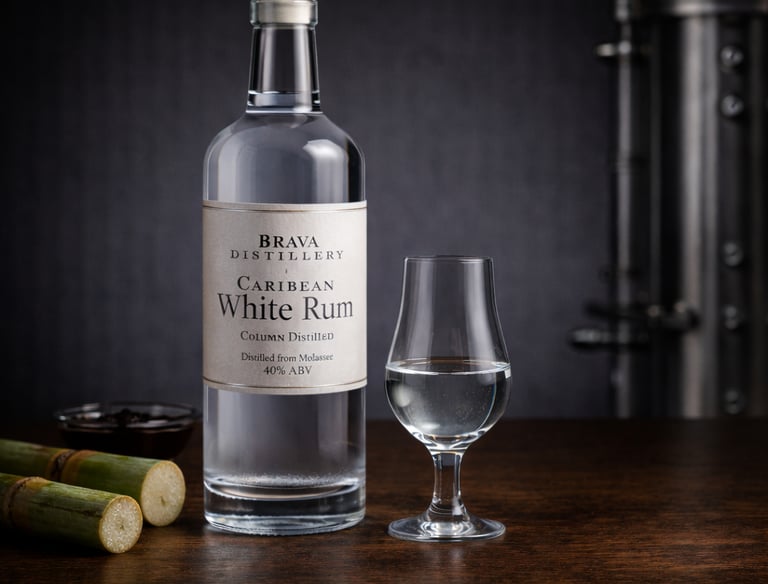
Typically unaged or lightly aged and filtered for clarity.
White rum is often clean, neutral, and lightly sweet. Its purpose is structural support in cocktails rather than overt oak expression.
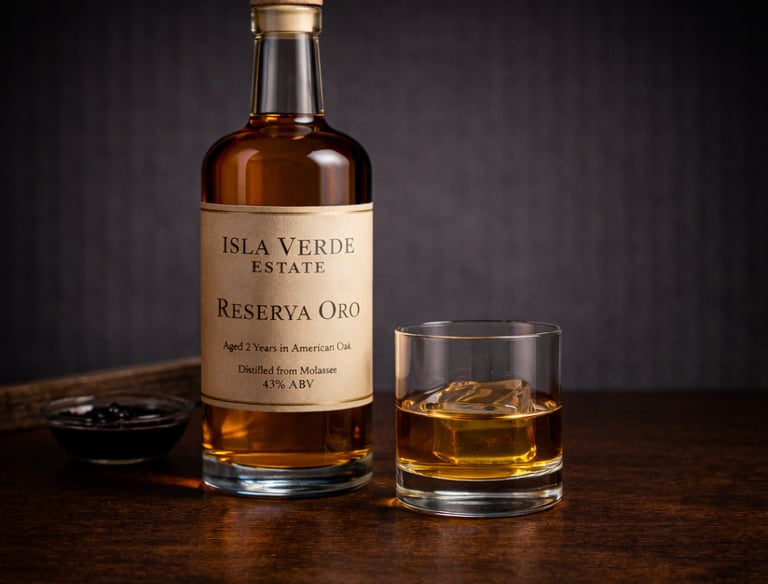
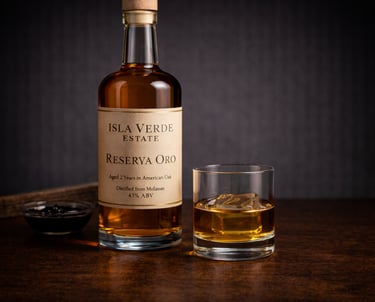
Aged briefly in oak barrels, gold rum introduces subtle vanilla and caramel tones without becoming heavy.
It offers slightly more depth than white rum while retaining mixability.
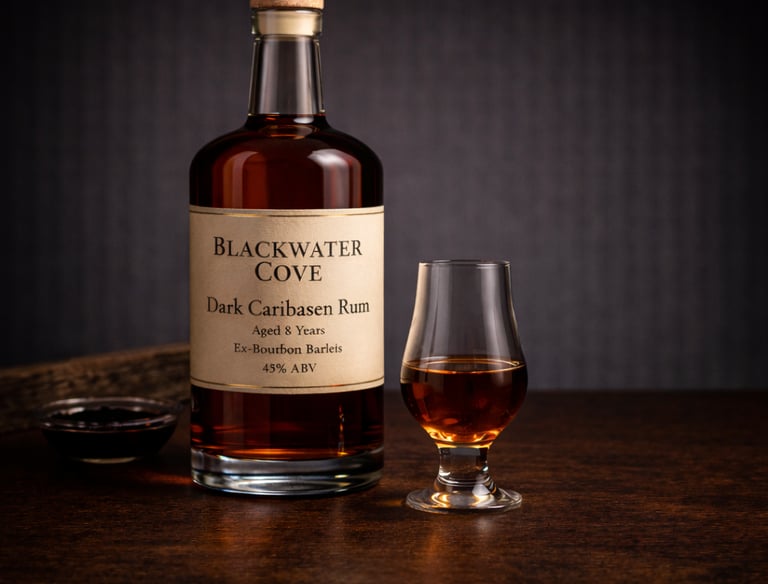
Often aged longer and sometimes colored with caramel for consistency. Dark rum leans into molasses richness, deeper caramelization, and oak structure.
It can feel heavier and more rounded.
Core Rum Categories
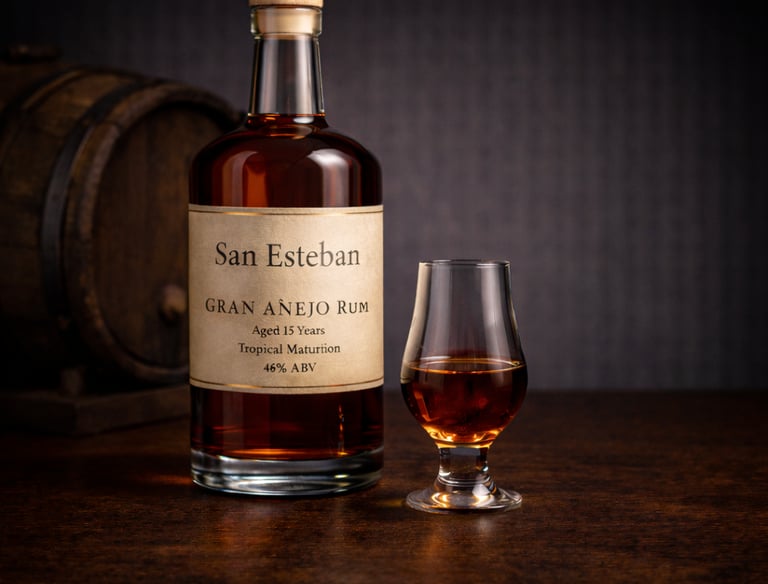
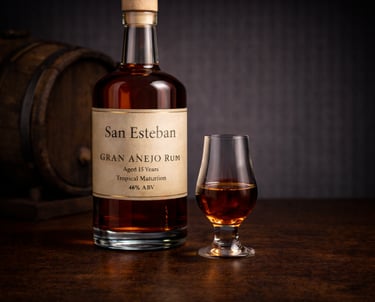
Matured for extended periods, aged rum emphasizes oak influence, oxidative depth, and integration.
Well-made aged rum can stand alongside whiskey as a sipping spirit.
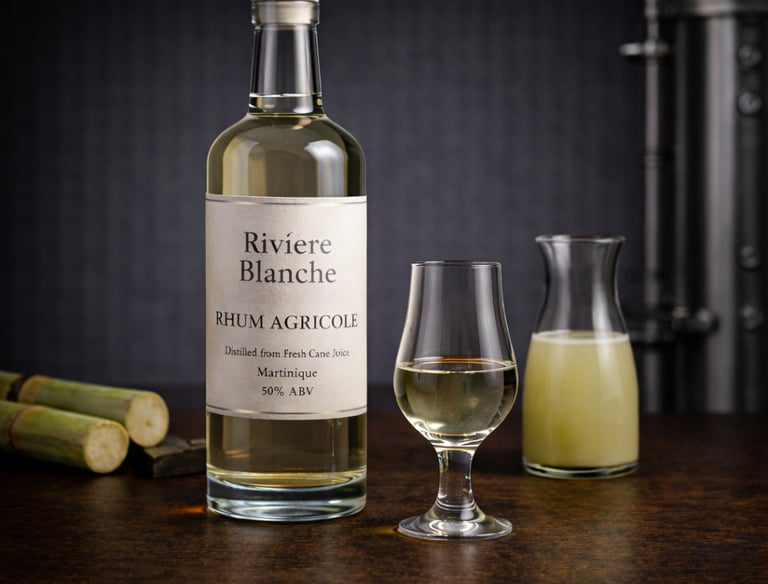
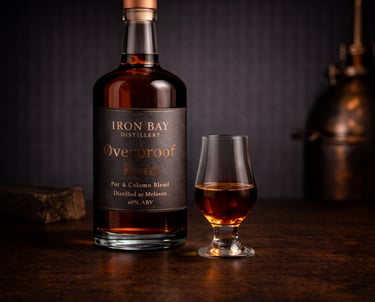
Produced from fresh cane juice, agricole rum highlights vegetal freshness.
Often bottled at slightly higher proof, agricole rum appeals to those seeking structure over sweetness.
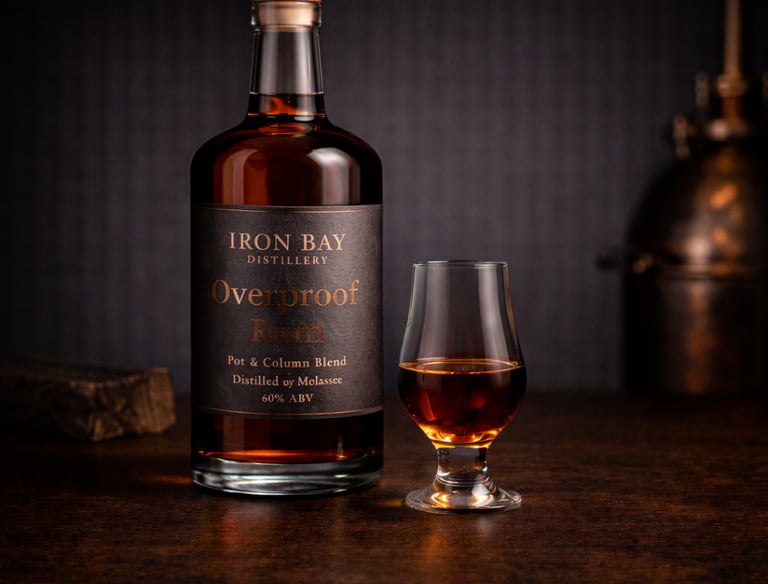
Typically bottled above 57% ABV.
Overproof rum amplifies aromatic intensity and structural power. It is often used in cocktails requiring concentration or float applications.
Higher alcohol demands measured use.
Rum is not a single flavor profile. It spans multiple structural categories.
Transparency & Sweetening
Rum’s global regulatory landscape is less standardized than whiskey or Scotch.
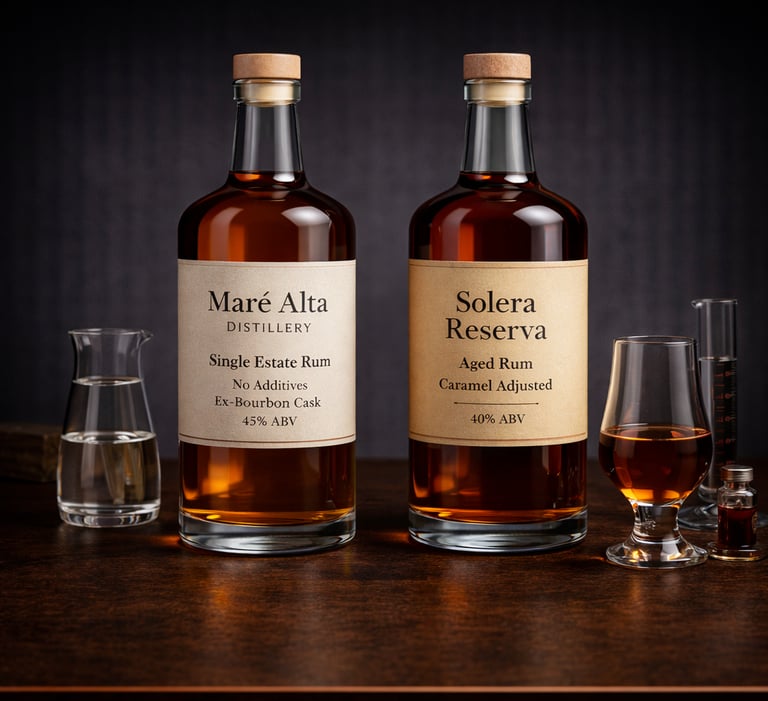
Some producers add sugar after distillation to adjust mouthfeel or perceived smoothness. Caramel coloring may also be used to standardize appearance.
Terms like “solera” may refer to blending systems rather than strict age statements.
This does not automatically imply lower quality — but transparency varies.
Understanding whether a rum has added sugar can help you anticipate structure.
Rum can feel sweet because of oak-derived caramel notes — or because sugar was introduced post-distillation.
The distinction matters for balance.
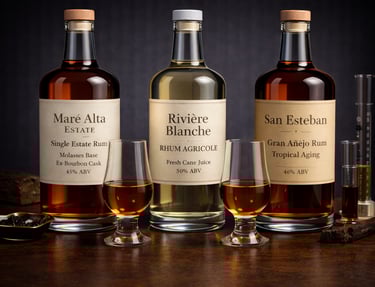
Sweetness, Body & Oak
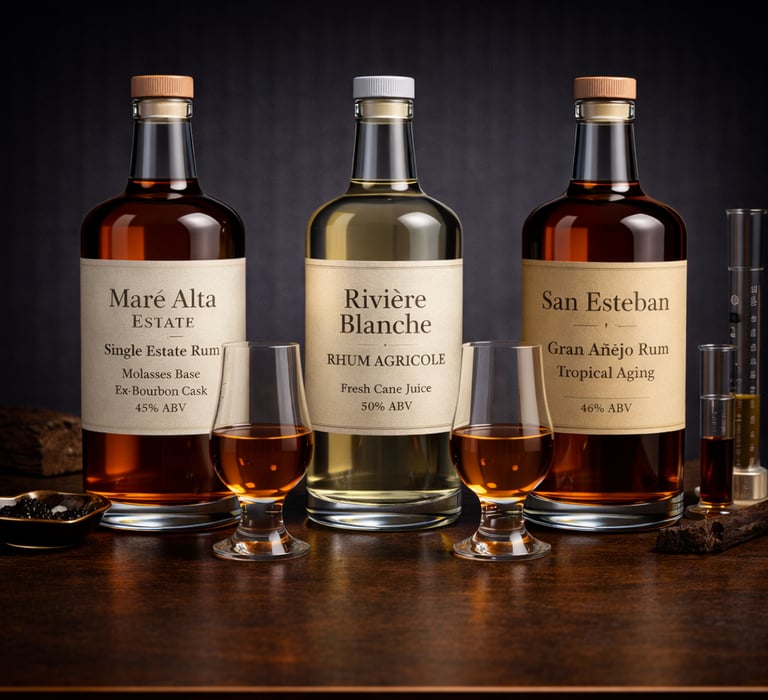
Rum is often mislabeled as inherently sweet. In reality, structure varies widely.
Molasses-based rums can feel round and warm even without added sugar. Cane juice rums often feel lean and dry.
Oak aging contributes vanillin and caramel compounds that create sweetness perception even when residual sugar is minimal. Similar extraction occurs during whiskey barrel aging.
Alcohol level also shapes perception. Higher proof can dry the palate, while lower proof may amplify sweetness impression.
Balance depends on:
• Sugar source
• Fermentation length
• Distillation method
• Barrel influence
• Proof
Understanding these variables reframes rum from “sweet spirit” to structural category.
Rum in Cocktails
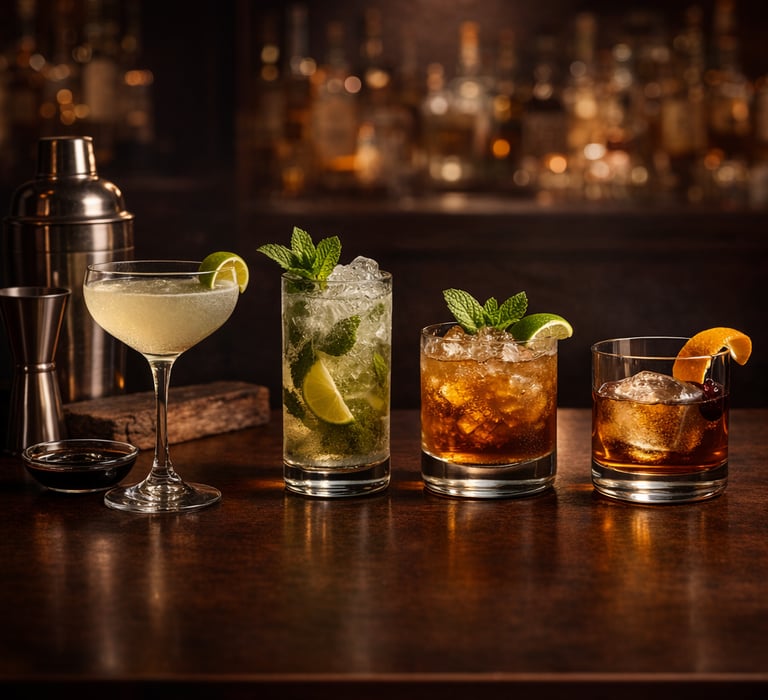
Rum plays a foundational role in classic cocktails.
Daiquiri
White rum’s clean structure highlights lime acidity. A heavier rum can overwhelm citrus balance.
Mojito
Bright, lightly structured rum prevents mint and sugar from becoming muddled.
Mai Tai
Aged rum introduces depth. Combining lighter and darker styles adds dimension.
Rum Old Fashioned
Aged rum’s molasses warmth creates a softer, rounder interpretation compared to bourbon.
Rum’s range allows it to shift between crisp refreshment and oak-driven depth depending on style selection.
See also → Cocktails & Mixed Drinks
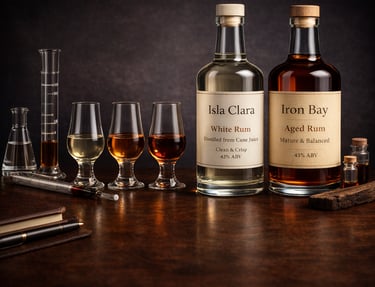
How to Choose Rum Wisely
Rum selection improves when guided by structure rather than marketing language.
Start with these principles:
• Decide whether you prefer molasses richness or cane freshness
• Choose clean vs ester-heavy styles
• Consider proof tolerance
• Research additive transparency
• Build a foundation before expanding into specialty bottles
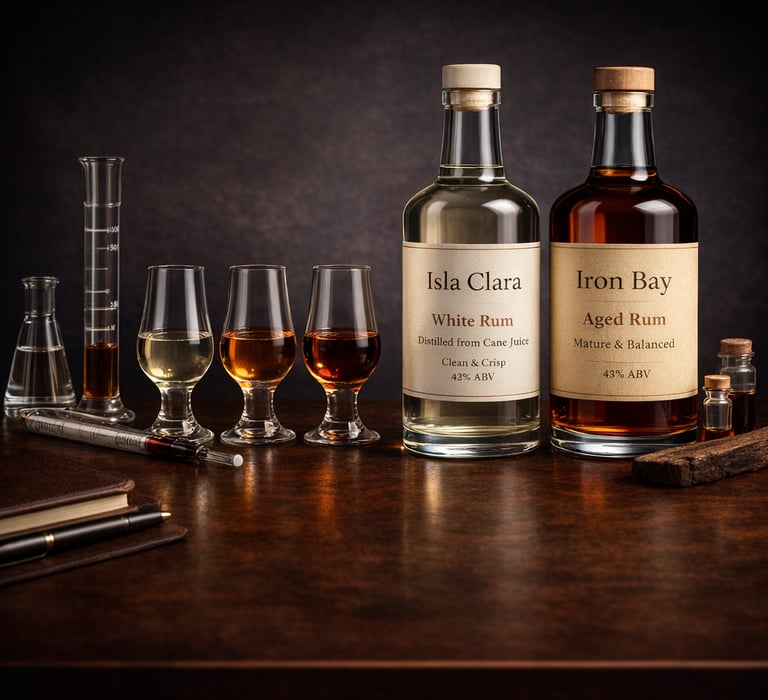
A disciplined starting point might include:
• One clean white rum
• One versatile aged rum
From there, explore agricole or higher-ester styles intentionally.
Avoid equating darker color with higher quality. Oak and caramel coloring are different variables.
Structure first. Appearance second.
Best White Rum for Daiquiri
Best Aged Rum Under $50
Best Rum for Tiki
Agricole vs Molasses Rum
Serving and Storage
Rum may be served:
• Neat
• Over ice
• In structured cocktails
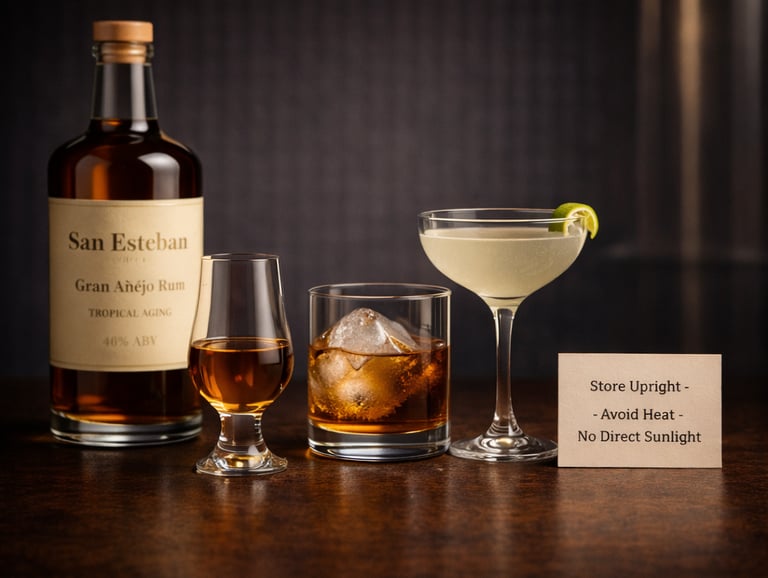
A tulip-shaped tasting glass enhances aromatic perception for aged styles. A simple rocks glass suits relaxed service.
Store rum upright, away from heat and direct sunlight.
Unlike wine, rum does not continue aging once bottled.
Glassware
• Coupe (Daiquiri)
• Highball (Mojito)
• Double rocks (spirit-forward builds)
Internal link → Bar Tools — Glassware
Storage
• Store upright
• Avoid heat and sunlight
• Keep cork sealed tightly
Responsible Enjoyment
Most rum ranges between 37–50% ABV. Overproof expressions may exceed 57%.
Higher alcohol concentration requires measured pacing and responsible consumption.
Respect proof.
Hydrate consistently.
Serve intentionally.
© 2026 Barkeepers Buzz. All rights reserved.
Barkeepers Buzz
Master cocktails, spirits, and bar knowledge with clarity and precision. Built for serious home enthusiasts.
Crafted with respect for the culture — and the responsibility that comes with it.
For educational purposes only. Intended for legal drinking age audiences. Please drink responsibly.
General Inquiries: