
Common Stirring Mistakes in Cocktail Making and How to Avoid Them
Discover the common stirring mistakes that can ruin your cocktails and learn precise techniques to stir perfectly balanced drinks every time.
BAR TOOL GUIDES
Barkeepers BuzzBlog Editorial Team - Led by AJ “Buzz” Eichman
4/5/20267 min read
Stirring a cocktail may seem straightforward, but if you dive a little deeper, you’ll quickly realize that technique plays a huge role in the final drink quality. As someone who’s spent countless hours behind the bar testing tools and methods, I’ve found that proper stirring is crucial for spirit-forward cocktails where clarity, balance, and texture really shine through. Getting it wrong can lead to cloudy drinks, over-dilution, or a cocktail that just doesn’t chill properly.
Whether you’re a home bartender learning the ropes or a seasoned pro looking to refine your craft, understanding which stirring mistakes to avoid can dramatically improve your drinks. And if you’re still building out your setup, having the essential tools for a home bar makes the learning curve a whole lot smoother.
Quick Verdict
Stir gently and consistently using a proper bar spoon and a mixing glass designed for stirring
Use large ice cubes and enough of them to chill and dilute your drink evenly
Stir for about 20–30 seconds, or roughly 30–40 rotations, to achieve optimal temperature and clarity
Avoid aggressive stirring motions or using the wrong tools to prevent over-dilution and cloudy cocktails
Why Proper Stirring Matters in Cocktail Making
At first glance, stirring might appear like just swirling a drink a few times, but the technique matters more than I initially expected. Unlike shaking, which aerates and vigorously chills a drink, stirring is about gentle dilution and temperature control without adding air. This preservation of clarity and texture is why classic cocktails like Martinis or Manhattans specifically call for stirring.
When done right, stirring melts just enough ice to balance the drink’s alcohol concentration and flavor while chilling it to the perfect serving temperature. What surprised me after testing was how even minor variations—speed, ice quantity, or the stirring pattern—can alter how a cocktail tastes or feels on the palate. Overdo it, and the drink becomes watery and dull. Stir too little, and it’s overly strong and warm.
The goal is a silky, smooth mouthfeel with clear presentation. Proper stirring bridges that gap by managing dilution carefully. If you want the deeper why behind that, why stirring controls dilution breaks it down really well.
Essential Tools for Stirring Cocktails
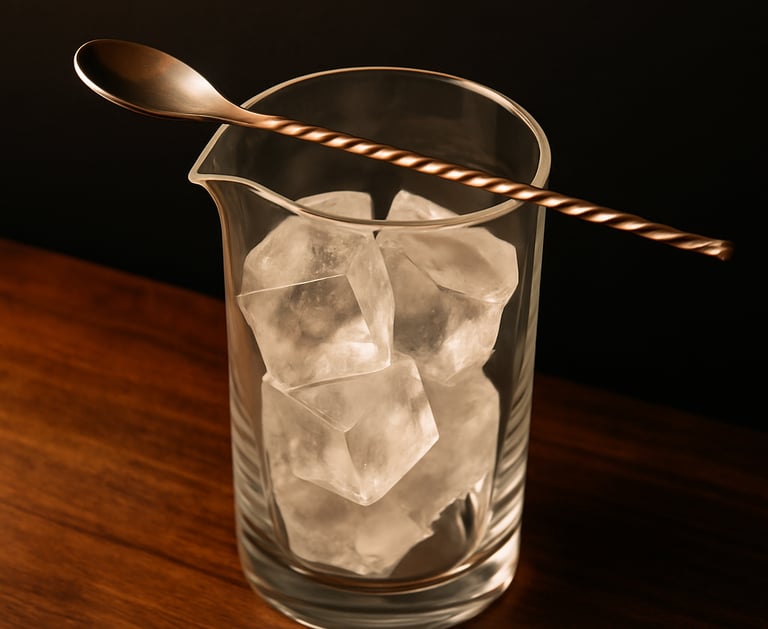
One thing I noticed early on during my experiments is that having the right equipment makes a big difference. A proper bar spoon is designed with a twisted shaft and a balanced feel, which helps control the flow of liquid during stirring and makes it easier to maintain a consistent rotation speed.
Using a regular table spoon is okay in a pinch, but it doesn’t offer the control or reach you need, especially in a tall mixing glass or tin. Speaking of which, the mixing vessel matters too. A dedicated mixing glass or a Boston shaker tin designed with stirring in mind provides the right shape and volume. It keeps the liquid contained so you can stir smoothly and collect ice without scattering it everywhere.
If you’re shopping around, our picks for the best bar spoons and best mixing glasses are a solid place to start. And if you’re still deciding between vessels, mixing glass vs shaker helps clarify when each one makes sense.
Step-by-Step Guide: How to Stir Cocktails Correctly
Here’s the process I recommend after testing different approaches over several shifts:
Fill your mixing glass or tin about 3/4 full with large, clear ice cubes. Large cubes melt slower, so they chill without diluting too quickly.
Add your cocktail ingredients over the ice.
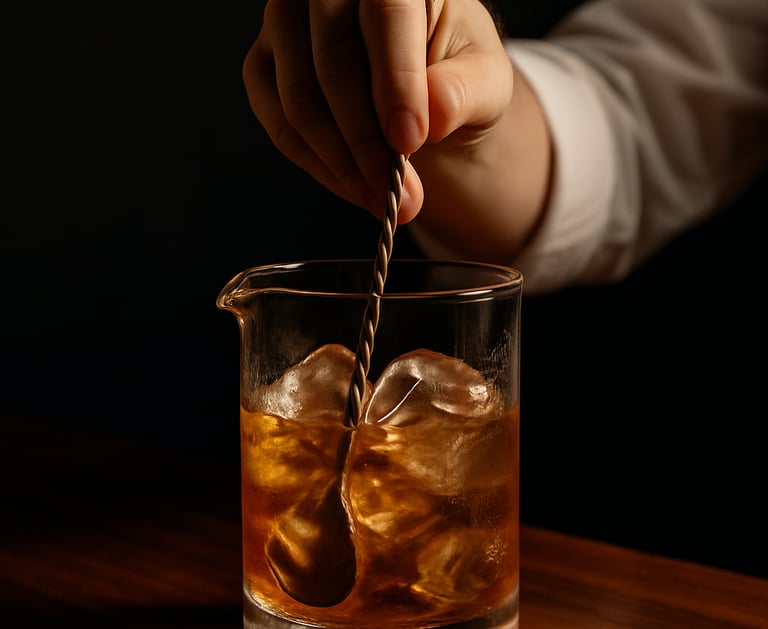
Hold your bar spoon between your thumb and first two fingers, resting it lightly against the inside of the glass.
Stir in a smooth, circular motion with a steady wrist—avoid back-and-forth or jerky movements.
Maintain a controlled speed, about one rotation per second, for around 20–30 seconds total.
Keep the motion gentle enough to avoid breaking the ice while still ensuring proper chilling and dilution.
Stop when the glass feels nicely chilled and the cocktail reaches your desired dilution.
This is one of those skills that gets better fast with a little focused practice. If you want a fuller technique breakdown, how to stir cocktails properly goes deeper into hand position, motion, and timing.
Common Stirring Mistakes and Their Impact on Drinks
After testing different habits, I’ve identified some frequent errors that can sabotage cocktails.
Using the Wrong Tool or Method
A common mistake is using an ordinary spoon or, worse, shaking a cocktail that should be stirred. Using the wrong tool or technique can introduce too much aeration, a cloudy appearance, or inconsistent chilling. The bar spoon’s design is worth investing in for the precise control it gives you.
Stirring Too Vigorously or Quickly
I initially thought faster stirring might be better for chilling, but it’s not. Rapid, aggressive stirring causes excess melting of ice, leading to over-dilution and a watery taste. It can also create cloudy cocktails by introducing tiny air bubbles.
Insufficient or Crushed Ice
Not using enough ice—or using crushed ice—is another misstep. Crushed ice melts too quickly and dilutes the drink before it’s properly chilled. The key is large ice cubes in sufficient quantity to maintain consistent cooling without rushing dilution.
Stirring Too Briefly
Stopping after just a few rotations results in cold but under-diluted drinks. The flavors haven’t had time to come together properly, leaving the cocktail sharp and unbalanced.
Stirring Back and Forth
Some people stir with a back-and-forth wrist motion rather than a steady circular one. This agitates the ice unevenly and can introduce unwanted aeration, which affects both clarity and mouthfeel.
A lot of these issues show up for newer bartenders in general, not just with stirring. That’s why I also like pointing people to common home bartending mistakes when they’re troubleshooting their setup and technique.
Tips and Best Practices from Professional Bartenders
From testing alongside seasoned bartenders and picking up ideas in workshops, these tips stood out as practical ways to improve your stirring technique:
Prioritize consistency: keeping your stirring speed and motion steady creates even dilution
Focus on the result, not just the motion: check the temperature and look for clarity to know when to stop
Avoid rushing: taking your time ensures proper dilution and cooling
Always use fresh, clear ice to avoid cloudiness and off flavors
Keep your tools clean: a clean mixing glass and bar spoon improve control and presentation
This all ties back to the bigger picture of bar technique, which is why the techniques & professional skills hub is worth bookmarking if you want to keep sharpening your fundamentals.
Choosing the Right Ice for Stirred Cocktails
One of the biggest surprises during testing was how much ice type influences stirring outcomes. Large, clear ice cubes are the gold standard. They melt slowly, which means your cocktail dilutes gradually, preserving both strength and smooth texture.
Avoid crushed or small ice pieces for stirring. These increase surface area, speed up melting, and push the drink toward over-dilution. Also, make sure you’re using enough ice. A generous amount helps chill the drink thoroughly without exhausting the cubes too fast, which would force you to stir longer than necessary.
Troubleshooting Common Problems in Stirring
If your stirred cocktails come out cloudy, too thin, or warm, here’s what to check:
Are you stirring too hard or too quickly? Slow down and keep it controlled
Are you using crushed ice or too little ice? Switch to large cubes and use more of them
Is your stirring time too short? Aim for 20–30 seconds or roughly 30–40 smooth rotations
Are you stirring back and forth? Use a steady circular motion instead
Are you using the right tools? A proper spoon and mixing vessel make a real difference
By adjusting these variables, you can correct most issues pretty quickly and start dialing in better texture, flavor, and appearance.
FAQs About Cocktail Stirring Techniques
Why is stirring preferred over shaking for certain cocktails?
Stirring chills and dilutes cocktails gently without aerating or clouding the drink, preserving the clarity and silky texture desired in spirit-forward cocktails like Martinis or Manhattans.
What is the correct technique for stirring a cocktail?
Use a bar spoon in a smooth, controlled circular motion with a steady wrist. Stir for about 20–30 seconds, aiming for roughly 30–40 rotations.
How long should you stir a cocktail?
About 20–30 seconds, or until the mixing glass feels well chilled. That usually balances dilution, temperature, and flavor integration.
Can I use any spoon to stir cocktails?
You can in a pinch, but a proper bar spoon offers much better control, reach, and consistency than a regular spoon.
What type of ice is best for stirring drinks?
Large, clear ice cubes are best because they melt slowly and provide better dilution control.
What happens if I stir a cocktail too much or too little?
Over-stirring leads to over-dilution and a watered-down taste, while under-stirring leaves the drink warm and overly strong.
How do I know when my cocktail is properly stirred?
The mixing glass should feel cold to the touch, the drink should look clear, and the flavor should taste balanced rather than sharp or watery.
Are there specific cocktails that must be stirred?
Yes. Spirit-forward drinks with delicate flavors and a clean presentation—like Martinis, Manhattans, and Negronis—are generally better stirred than shaken.
Practical Conclusion
Learning to stir cocktails properly is one of those bartending skills where small adjustments yield big improvements. Testing different speeds, ice types, and stirring patterns helped me realize that precision and patience matter far more than brute force. By focusing on gentle, controlled stirring, using the right tools, and understanding the role of dilution and temperature, you can elevate your cocktails both at home and behind the bar.
Improvement comes from experimenting thoughtfully, so the next time you mix a Martini or Manhattan, take the time to stir with intention. You might be surprised how much better your drink tastes when you avoid the common mistakes above.
If you want to keep building from here, the broader bar tools pillar is a great next stop, especially alongside what makes a good mixing glass for dialing in the gear side of the equation.
It’s all about turning curiosity into clarity, one smooth rotation at a time.
© 2026 Barkeepers Buzz. All rights reserved.
Barkeepers Buzz
Master cocktails, spirits, and bar knowledge with clarity and precision. Built for serious home enthusiasts.
Crafted with respect for the culture — and the responsibility that comes with it.
For educational purposes only. Intended for legal drinking age audiences. Please drink responsibly.
General Inquiries: