
What Makes a Good Mixing Glass? A Bartender's Guide
Blog post description.
BAR TOOL GUIDES
Barkeepers BuzzBlog Editorial Team - Led by AJ “Buzz” Eichman
4/5/20267 min read
Mixing glasses often fly under the radar in conversations about bar tools, but they’re essential to making great stirred cocktails like Manhattans and Martinis. I’ve spent a few shifts testing different styles and materials to see what genuinely improves the mixing process and what turns out to be just another piece of barware. The right mixing glass not only affects the speed and comfort of mixing, but also plays a key role in dilution, chilling, and consistency.
If you’re building your toolkit or upgrading your home bar, understanding what makes a good mixing glass will save you time and elevate your drinks. If you're still piecing together your setup, starting with the essential tools for a home bar helps put the mixing glass in proper context. Here’s a breakdown of the features and practical takeaways that actually matter behind the bar.
Quick Verdict
Choose thick, durable glass to withstand stirring with ice and avoid cracking
A mixing glass sized between 16 and 20 ounces balances capacity and ease of handling
Measurement markings can improve recipe accuracy and speed
Ergonomic design with a flared lip and wide mouth makes stirring and pouring easier
Stability is key—look for a sturdy base that won’t wobble during vigorous mixing
What Is a Mixing Glass and Why It Matters
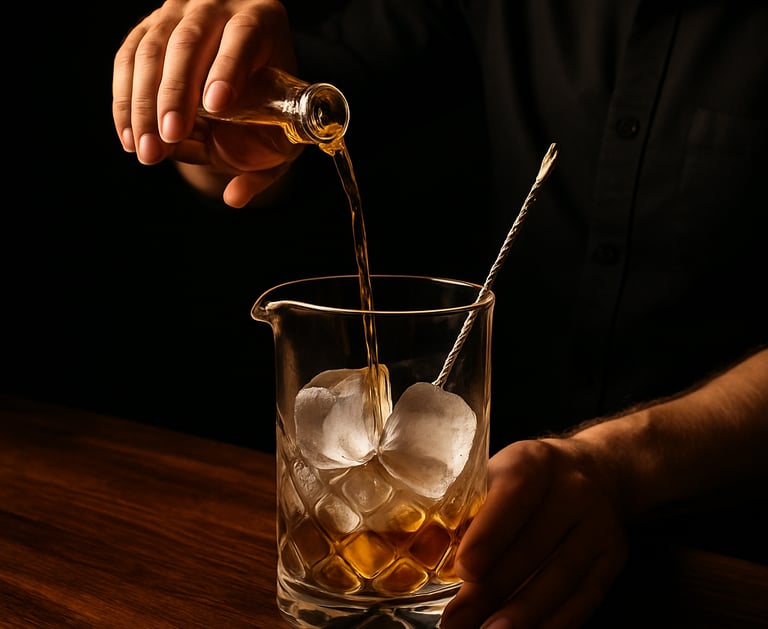
A mixing glass is a specialized glass vessel designed for stirring cocktails that don’t require shaking, like Martinis, Manhattans, and Negronis. Unlike a shaker, a mixing glass allows you to gently chill and dilute the drink with minimal aeration, preserving clarity and smooth texture.
Why does the right mixing glass matter? From my testing, the quality and design influence how quickly the ice chills the cocktail and how efficiently you can stir. Using a glass that’s too thin or too small can slow things down or lead to uneven mixing, while poor design can cause spills or awkward handling.
This is also why understanding why stirred cocktails use mixing glasses matters so much. The right glass sets you up for consistent results, whether you’re behind a busy bar or making drinks at home.
Material Quality: Why Thick Glass Wins
One of the first things I checked was how the glass material handles the stress of stirring with ice. Mixing can be surprisingly vigorous, and thin, low-quality glass often cracks or chips with regular use. I found mixing glasses made of thick, tempered glass or borosilicate glass stand up much better to daily wear.
The thickness does a few useful things: it absorbs shocks from metal spoons scraping against it, helps keep the cocktail cold longer by retaining temperature, and provides a comfortable heft that makes stirring feel controlled rather than flimsy. While heavier glass can tire your wrist if it’s too bulky, aiming for a quality medium-weight option hits a good balance.
If you want to dial in the technique side too, pairing the right glass with a solid process from how to stir cocktails properly makes a noticeable difference.
Size and Capacity: Finding the Right Balance
I tested mixing glasses ranging from smaller 12-ounce versions up to 24 ounces. The smallest felt cramped once you dropped in ice and poured spirits, causing spills or forcing you to top off later. On the other hand, glasses over 20 ounces felt bulky and cumbersome, slowing down workflow, especially during a busy shift.
Most bartenders, including home mixers, prefer a size between 16 and 20 ounces. This range is large enough to hold enough ice for proper chilling and dilution, and in many cases enough volume to prepare two drinks, but not so large that it becomes unwieldy. For beginners building out a bar setup, a 16-ounce glass is usually the sweet spot.
If you’re comparing whether you even need one versus a shaker tin, this guide on mixing glass vs shaker helps clear that up.
Design Features That Enhance Mixing
Beyond material and size, the design often gets overlooked but can really change your experience. Here’s what I found useful after testing multiple shapes:
Flared Lip
A flared lip makes pouring neater and reduces drips. I noticed glasses without this feature were messier, especially when working quickly.
Wide Mouth
A wide mouth allows for easy spoon insertion and free swirling without hitting the sides too hard. This improves speed and comfort while stirring.
Sturdy Base
A heavier, wider base lowers the center of gravity and helps prevent tipping during more vigorous stirring sessions.
Clarity
High-quality glass with good transparency lets you monitor dilution visually, which is useful when perfecting stirred cocktails. That becomes even more important when you understand why stirring controls dilution and how small changes affect the final drink.
Measurement Markings: Accuracy in Every Pour
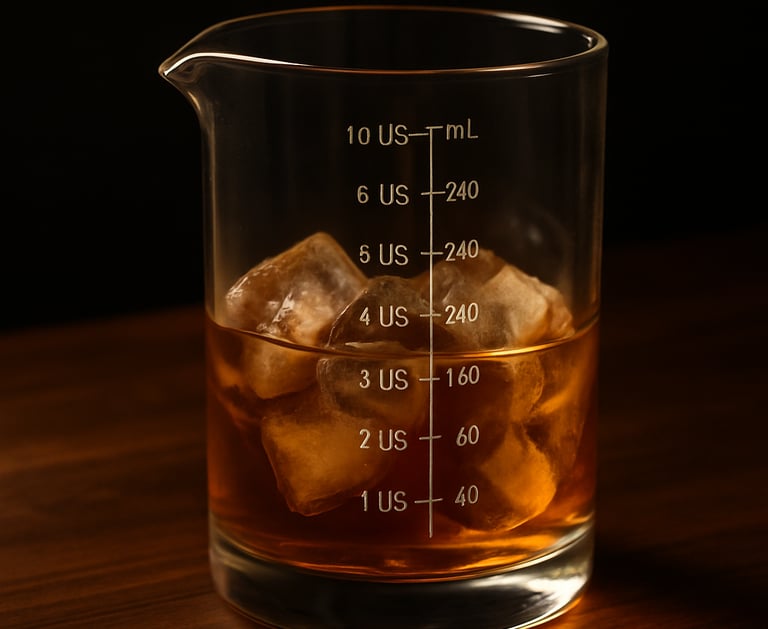
One feature I wasn’t sure about at first was etched or printed measurement lines on the mixing glass. I tested glasses with and without markings over a few shifts to see if they actually added value. Turns out, they can.
Measurement markings help you replicate recipes more precisely without having to rely entirely on guesswork. They can speed up service and reduce waste, and for home bartenders, they’re a handy learning tool. Just make sure the markings are durable, since some printed lines tend to fade after washing.
That said, I still wouldn’t treat markings as a replacement for proper measuring. If accuracy matters, it’s worth understanding cocktail jigger measurements and how pros handle consistency behind the bar.
Common Mistakes When Choosing a Mixing Glass
It’s easy to fall into certain traps when picking a mixing glass. Based on my trials and conversations with other bartenders, here are some common pitfalls to avoid:
Thin glass: It looks sleek but often cracks or chips after a few uses
Too small: Limits your ability to stir properly or add enough ice for chilling
No thought to usability: Features like shape, lip design, and balance matter more than people think
Overly heavy glass: Weight helps with control, but too much can tire your wrist quickly
Poor shape: Awkward lips or narrow mouths make the work harder
Prioritizing looks over function: Some glasses are designed more for display than actual mixing
A lot of these issues overlap with the broader gear problems covered in common home bartending mistakes, especially when people buy tools for looks instead of performance.
How to Care for Your Mixing Glass
Since a good mixing glass is an investment, proper care helps it last longer and maintain performance. A few tips based on my experience:
Wash by hand when possible to help protect the glass and any measurement markings
Avoid sudden temperature shifts—don’t pour boiling water into a cold glass or vice versa
Dry thoroughly to prevent water spots and preserve clarity
Store safely to avoid knocks or falls, especially if the glass is heavy and fragile
Good care matters, especially if you’re investing in one of the more premium options from our best mixing glasses guide.
Top Recommendations for Bartenders and Home Bars
If you’re looking for a reliable mixing glass, here are some tested options that tick most of the important boxes:
Heavy thick-glass mixing glasses – Often include etched markings, flared lips, and a solid base. Great for busy bars and serious enthusiasts.
Borosilicate glass options – Offer extra durability and temperature resistance, which makes them appealing for long-term use.
Mid-size classic bar glasses (16–20 oz) – Usually the best fit for home bartenders looking for a balance between capacity and ease of use.
Consider your own needs around weight and aesthetics, but don’t shy away from prioritizing function, especially if you’re still learning or upgrading your setup. A good mixing glass also works best when paired with the right spoon, so it’s worth checking out the best bar spoons if you’re refining your stirring setup.
FAQ
What type of glass is best for a mixing glass?
Thick, tempered, or borosilicate glass is best because it stands up to stirring with ice and resists cracking.
Do I need measurement markings on a mixing glass?
Not necessarily, but they can improve accuracy and speed, especially when you’re trying to replicate drinks consistently.
What size mixing glass should I use for home bartending?
A 16- to 20-ounce glass is usually ideal because it gives you enough room for ice and ingredients without feeling bulky.
Can I use any glass as a mixing glass?
You can, but most regular drinking glasses lack the durability, shape, and stability that make stirring easier and more consistent.
How does the mixing glass affect cocktail dilution and chilling?
A proper mixing glass gives you enough space and control to stir with plenty of ice, helping you chill evenly while managing dilution.
Is the weight of the mixing glass important for stirring?
Yes. Moderate weight helps with control. Too light feels flimsy, and too heavy can wear you out.
Are there brands known for the best mixing glasses?
Yes, especially brands focused on barware, but the bigger priority is how the glass performs in your hand and during service.
Can plastic or metal mixing glasses be as good as glass ones?
Glass is still the standard for clarity, feel, and tradition. Plastic scratches easily, and metal changes the experience enough that most bartenders still prefer glass for stirred drinks.
Conclusion
Finding a good mixing glass is one of those behind-the-scenes upgrades that can noticeably improve your bartending or home mixology sessions. Durable, thick glass with a comfortable size, strong stability, and practical design features will elevate your stirring game.
From my hands-on tests, these qualities translate to better speed, comfort, consistency, and cleanup. If you’re experimenting and improving your bar skills, investing time in choosing the right mixing glass is a smart move that pays off in the drinks you serve.
For a broader look at how this fits into your full setup, explore the bar tools pillar and the techniques & professional skills hub. And if you’re ready to compare real options, browse our picks for the best mixing glasses.
A good mixing glass won’t make you a better bartender overnight—but it absolutely makes it easier to stir like one.
© 2026 Barkeepers Buzz. All rights reserved.
Barkeepers Buzz
Master cocktails, spirits, and bar knowledge with clarity and precision. Built for serious home enthusiasts.
Crafted with respect for the culture — and the responsibility that comes with it.
For educational purposes only. Intended for legal drinking age audiences. Please drink responsibly.
General Inquiries: