
Why Jigger Shape Matters in Cocktail Making
Discover how jigger shape affects pouring accuracy and bartending speed and find the best jigger for your cocktail making style.
Barkeepers BuzzBlog Editorial Team - Led by AJ “Buzz” Eichman
3/22/20266 min read
Mixing cocktails well isn’t just about the recipe or the spirits you use; precision in measuring ingredients plays a huge role too. That’s where the humble cocktail jigger comes in. But beyond just being a measuring cup, the shape of the jigger actually influences how accurately and comfortably you can pour your spirits.
Over a few shifts, I tested different jigger designs to see what actually made a difference behind the bar and what was just hype. This article breaks down why jigger shape matters, so whether you’re an aspiring home bartender or sharpening your professional toolkit, you can find the right tool to match your style.
Quick Verdict
Jigger shape directly affects pouring speed and accuracy, so choose based on what matters more for your work.
Bell-shaped jiggers pour faster but may sacrifice some measurement precision.
Straight-sided jiggers deliver better control and consistent pours, albeit a bit slower.
Ergonomic shapes enhance handling, reduce spills, and help you work efficiently during busy service.
What Is a Cocktail Jigger and Why Shape Matters
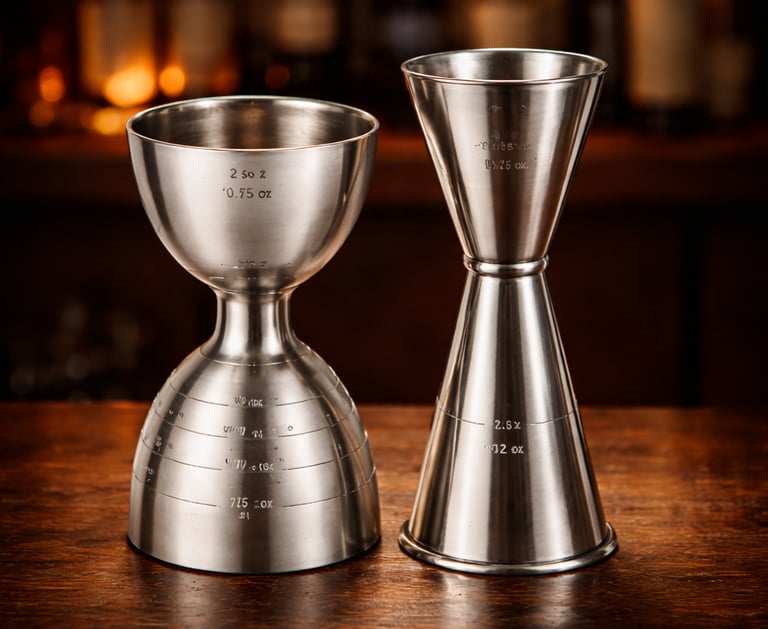
A cocktail jigger is a double-ended measuring tool used to portion spirits and mixers when crafting cocktails. The two ends usually measure different volumes—common sizes are 1 ounce and 1.5 ounces—so you can quickly gauge ingredient amounts without guessing.
If you want a broader look at where jiggers fit into a complete setup, they’re one of the most important tools in any bar.
Learn more: Essential tools for a home bar
Beyond size, the shape of these jiggers plays an essential role.
Shape impacts how liquid pours out, how steady the jigger sits on the bar, and how easy it is to handle. A poorly shaped jigger can lead to drips, spills, or inaccurate pours, especially when you’re quick-moving during a rush.
I found that even small differences in angle and lip design changed how smoothly the liquid flowed and how well I could control the pour.
Common Jigger Shapes and Their Characteristics
Bell-Shaped Jiggers
These have a wider opening and gently curved sides, resembling a bell. This shape promotes faster pouring because the liquid flows out smoothly and quickly.
When I used a bell-shaped jigger across a few busy nights, I noticed I could knock out more pours per minute, which was helpful. However, because of the wider mouth, it’s easier to pour slightly more liquid if you’re not paying attention.
If you’re comparing this style directly against another popular option:
Learn more: Japanese vs. bell jiggers
Straight-Sided Jiggers
These have vertical or nearly vertical sides and a sharp lip. The shape makes measuring more precise because the liquid forms a flat surface inside, so you can see the exact level clearly.
Pouring is slower, but you get better control. Testing this type showed me that for cocktails where measurements are critical, like classic recipes or layered drinks, a straight-sided jigger reduced guesswork.
If you want a better understanding of standard sizing while comparing designs:
Learn more: Cocktail jigger measurements
Ergonomic Designs
There are also jiggers designed with grips, angled edges, or shapes that fit comfortably in the hand. These don’t just feel nicer; they reduce wrist fatigue and help keep your pour steady.
I found ergonomic jiggers particularly valuable during long shifts where I needed both speed and comfort.
How Jigger Shape Affects Pouring Accuracy and Control
Pouring accuracy and control come down to how the liquid interacts with the jigger’s inner surfaces and the pouring lip. The shape determines:
Flow rate: Wide, bell shapes let liquid exit quickly with less resistance. That speeds up the pour but can lead to splash or drips if you rush.
Visual measurement: Straight sides provide a better liquid-level view, so it’s easier to pour exactly what’s needed.
Stability: Short, weighted jiggers with broader bases tend to sit firmly on the bar without tipping.
Spillage prevention: Angled or flared lips direct liquid smoothly, helping cut down drips after pouring.
When testing different jiggers, I noticed that even the angle of the lip made a measurable difference. Some shapes seemed designed to guide the liquid in a clean stream that stopped quickly rather than lingering drops.
This is also one reason measured pouring often beats guesswork behind the bar.
Learn more: Jigger vs. free pouring
Pros and Cons of Popular Jigger Designs
Bell-Shaped Jiggers
Pros: Fast pouring, easy to handle, good for high-volume bartending
Cons: Slightly less precise; can lead to over-pouring if not careful
Straight-Sided Jiggers
Pros: Precision pouring, clear measurement visibility, less spilling
Cons: Slower pour speed; sometimes less comfortable for quick handling
Ergonomic Jiggers
Pros: Comfortable grip, reduces fatigue, good control during long shifts
Cons: Price can be higher; shape varies, so testing for fit is advised
Choosing the Best Jigger Shape for Your Bartending Style
If you’re primarily behind a busy bar where speed is king, a bell-shaped jigger may suit you best. It allows rapid pours and helps manage a fast workflow, though you’ll want to stay focused to keep measurements consistent.
For home bartenders or pros who prefer accuracy and consistency over speed, straight-sided jiggers are your best bet. The clearer measurement lines and better flow control support precise recipes.
Ergonomic features benefit anyone working long shifts. I’d recommend testing a few designs if possible, since comfort and grip vary from person to person.
If you’re still narrowing down your options, it helps to compare a few of the best jiggers on the market before choosing one.
See top picks: Best Jiggers
Tips for Using Different Jiggers Effectively
Always check the measurement markers inside the jigger. Shapes with flat sides usually have more visible etchings.
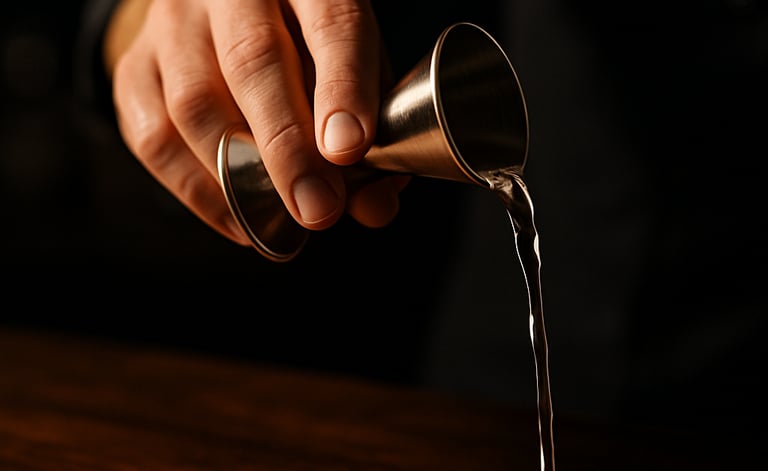
Pour steadily and watch for drips; jigger lips with gentle angles help reduce mess.
Use the jigger’s design to your advantage—if it’s fast-flowing, slow your pour slightly to maintain accuracy.
When setting down the jigger, place it on a flat, stable surface to avoid tipping.
Clean your jigger regularly, as shape impacts how easy it is to rinse and dry—narrow points or curves can trap liquid.
Using the right technique matters just as much as picking the right tool.
Learn more: How bartenders measure cocktails
Common Mistakes to Avoid With Jigger Shapes
Assuming all jiggers pour equally regardless of design
Choosing a jigger mainly for looks rather than comfort and grip
Overlooking the importance of internal measurement visibility
Neglecting stability when setting the jigger down
Underestimating how shape affects cleanup
A lot of these issues also show up in broader bar workflow problems, especially for newer bartenders.
Learn more: Common bartending mistakes and the gear that fixes them
Frequently Asked Questions About Jigger Shape and Use
How does jigger shape influence pouring accuracy?
The shape affects how liquid flows and settles inside. Straight-sided jiggers offer a flatter measurement surface for better visual accuracy, while bell-shaped designs can pour faster but may be less precise.
Which jigger shape is best for professional bartenders?
It depends on the bar environment. Bell-shaped jiggers suit fast-paced bars prioritizing speed, while straight-sided shapes are better for precision-focused cocktail bars.
Can jigger shape affect cocktail taste?
Indirectly, yes. Consistent and accurate measurements enabled by the right shape help maintain balance and flavor in cocktails.
What is the difference between bell-shaped and straight-sided jiggers?
Bell-shaped jiggers have a wider, curved profile that allows faster pours but can sacrifice some precision. Straight-sided jiggers have vertical walls for better control but pour more slowly.
Are there jigger shapes better suited for home bartenders?
Home bartenders usually benefit from straight-sided jiggers that aid accuracy in following recipes closely.
How do I avoid spills related to jigger design?
Choose a jigger with a well-angled pouring lip and stable base, and pour steadily. Ergonomic grips also help maintain control.
Does jigger shape affect speed behind the bar?
Yes, wider and bell-shaped jiggers promote faster pouring, while straight-sided jiggers emphasize accuracy over speed.
How important are measurement marks inside the jigger shape?
Very important. Flat or straight sides usually have clearer, more readable markings, aiding precise pours.
Practical Conclusion
After spending time using different jiggers on busy and slow nights, it became clear that the shape is more than just aesthetics—it’s a functional part of your bar workflow. Bell-shaped jiggers help speed things up, but you trade some precision. Straight-sided jiggers give you control and accuracy but require a little more time. Ergonomic designs can improve comfort and reduce strain when working long shifts.
When choosing your cocktail jigger, consider what fits your bartending style and environment. If you’re still experimenting with cocktail making, starting with a straightforward, straight-sided jigger is a solid move. As you grow and test what fits your flow, you might add specialized shapes to your toolkit.
If you want to keep building out your setup and improving technique, these are the strongest next internal links for this article:
Explore more: Bar tools
Improve technique: Stirring cocktails properly
Build a better setup: Best bar tool sets
© 2026 Barkeepers Buzz. All rights reserved.
Barkeepers Buzz
Master cocktails, spirits, and bar knowledge with clarity and precision. Built for serious home enthusiasts.
Crafted with respect for the culture — and the responsibility that comes with it.
For educational purposes only. Intended for legal drinking age audiences. Please drink responsibly.
General Inquiries: