
Why Boston Shakers Seal Better: A Bartender's Insight
Discover why the Boston shaker seal outperforms others, with expert tips on sealing technique and choosing the right shaker for your bar.
BAR TOOL GUIDES
Barkeepers BuzzBlog Editorial Team - Led by AJ “Buzz” Eichman
3/16/20266 min read
If you’ve spent any time behind a bar or even just dabbling in cocktail making at home, you know that a reliable seal on your shaker can make or break your experience. A bad seal means leaks, spills, and an outright mess, not to mention wasted ingredients and shaken confidence. Boston shakers are often praised for their sealing performance, but why exactly do they seal better than, say, cobbler shakers? I’ve spent several shifts testing different shakers side-by-side to figure out what really works—and what’s mostly hype. Here’s what I found from a practical bartender’s point of view.
Quick Verdict
- Boston shakers create a tight, friction-based seal that improves with use, minimizing leaks.
- Their airtight seal helps preserve ingredients and consistency during shaking.
- Cobbler shakers’ built-in strainers and caps can loosen and leak, especially if not secured properly.
- Proper technique is key: a firm hit and twist seals a Boston shaker reliably every time.
Check out other Bar Tools needed to complete your Home Bar Blueprint.
What Makes a Boston Shaker Seal Better?
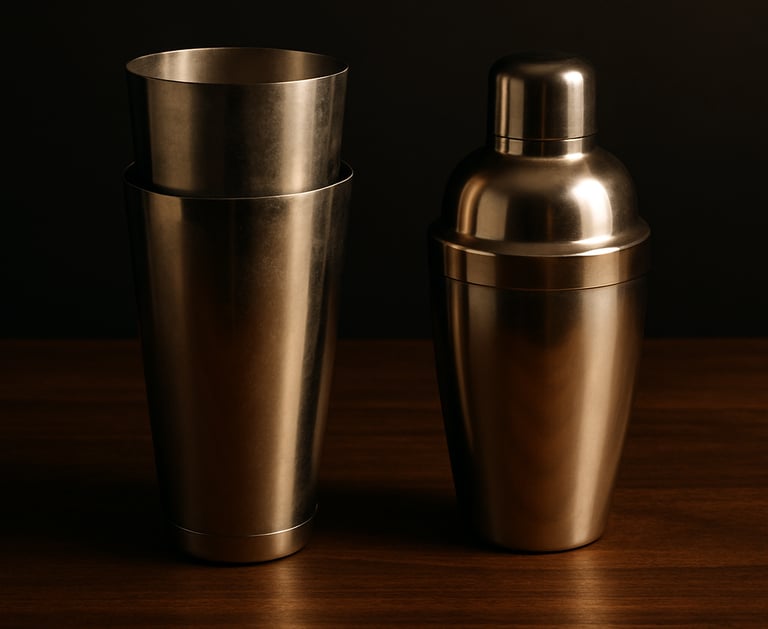
A Boston shaker is a two-piece setup—typically a metal tin and either a glass mixing cup or a second metal tin. The two parts fit together with a slight taper. This design means when you push them together firmly and give a twist or a sharp tap, the two components lock into a friction seal. It’s not just pressing together; it’s the shape and surface contact that create what’s often called an airtight seal.
I tested this over multiple shifts, using both glass-and-tin combinations and all-metal tins. What stood out was how the metal-on-metal pairs sealed most consistently. The glass component adds an aesthetic and tactile advantage and makes it easier to judge ingredient incorporation, but it requires more careful handling to avoid cracks. Regardless, the seal works the same way.
Comparing Boston Shakers and Cobbler Shakers
Cobbler shakers come as one unit—a metal body, built-in strainer, and a cap on top. On paper, this seems like a convenient all-in-one design. However, that convenience can lead to problems. The strainer and cap pieces rely on threaded or friction fits themselves, and these parts can loosen or shift during vigorous shaking.
In practice, I found cobbler shakers more prone to leaks and pressure release, especially when doing hard shakes or using carbonated ingredients. This is partly because the built-in strainer and cap don't contribute to the seal in the same way the friction fit does in a Boston shaker.
Boston shakers don’t have a built-in strainer; you strain separately. But the payoff is a significantly more reliable seal that withstands heavy shaking without leaks.
Check out the Boston vs Cobbler Page for more information.
The Benefits of an Airtight Boston Shaker Seal
Why does having an airtight seal matter so much behind the bar?
First, it minimizes leaks and spillage. This saves ingredients (no waste) and keeps your workspace cleaner.
Second, an airtight seal keeps the chilling and mixing process efficient. When no air escapes, your cocktail chills faster and emulsifies better. I noticed cocktails felt smoother and more consistent when shaken properly in a Boston shaker.
Third, professional bartenders appreciate Boston shakers because the two-piece design supports fast, confident shakes and quick pours. The seal holds firm, so you can focus on speed without worrying about a mess.
Bartender Tips for Sealing Your Boston Shaker
Based on my experience, nailing the seal really boils down to technique:
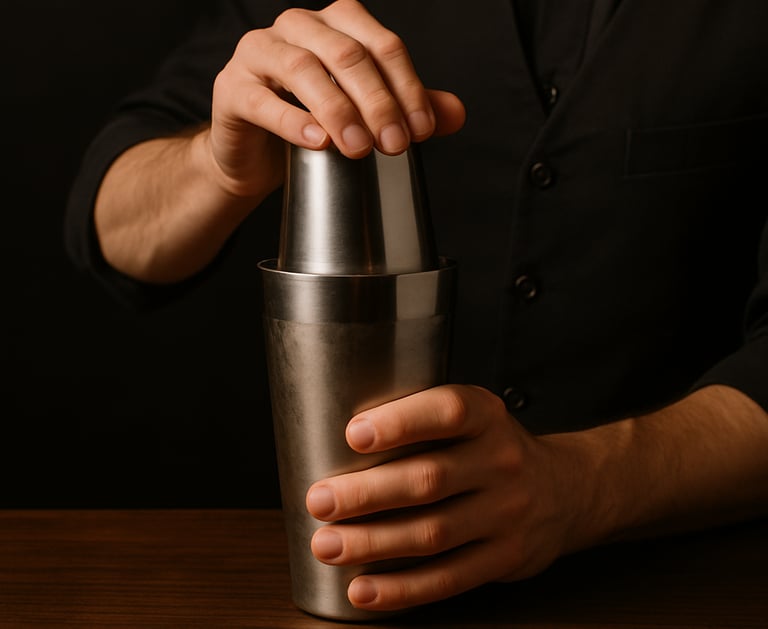
- Join the two halves firmly. Line up the metal part with the glass or tin and push together with a confident, hard hit. Think of it as a seat that needs to snap closed.
- Give the shaker a slight twist once together. This action locks the seal in place by increasing friction.
- Avoid overly aggressive shaking at first; build up as you get more comfortable with your shaker’s fit.
- Check for dents or warping in your tins regularly, as these irregularities can cause leaks.
- If you’re using a glass Boston shaker, handle it gently but still seal firmly.
But what happens when the stuck together?
Check out: How to Break a Stuck Shaker
Common Mistakes to Avoid When Using Boston Shakers
- Not pushing the shaker halves together enough before shaking, which causes leaks.
- Assuming the seal is secure without giving it that twist after joining.
- Over-shaking or shaking without the halves properly seated can strain the seal or cause it to pop apart.
- Using damaged or warped shaker parts that no longer fit tightly.
- For cobbler shakers, forgetting to tighten the cap and strainer, which leads to spills.
Choosing the Right Boston Shaker for Your Bar
Material choice makes a difference. Stainless steel Boston shakers tend to be the most durable and maintain their fit well over time. Glass-and-tin combos offer better visibility and a classic bar look but require more careful use to avoid damage.
Fit quality is key, so invest in a set where the two pieces come together snugly without excessive force or looseness.
If you’re a home bartender wanting reliability without fuss, a stainless steel Boston shaker is a solid starting point. For professionals or enthusiasts who enjoy experimenting with shaking textures and presentation, mixing glass combos can be a rewarding choice. To see what we would choose: Best Cocktail Shakers
Real-World Uses and Experiences with Boston Shakers
In busy bars, Boston shakers excel because they’re quick to seal and easier to clean between orders. Bartenders can shake aggressively without worrying about leaks, which helps maintain a steady service flow.
At home, I found Boston shakers reduce messiness, making clean-up faster. They’re also handy in competitions where every second and ounce counts.
Mixologists who want precise control over dilution and texture appreciate the Boston shaker’s airtight seal, which allows for better emulsification compared to more open designs.
Internal pressure and temperature control inside the sealed shaker really do influence the cocktail’s final texture, a detail often overlooked by casual shakers.
Frequently Asked Questions
Why do Boston shakers seal better than cobbler shakers?
Boston shakers rely on a tight friction fit between two parts that lock together firmly, creating an airtight seal. Cobbler shakers use built-in strainers and caps that can loosen and leak during vigorous shaking, making their seals less reliable.
How do you properly seal a Boston shaker?
Press the two parts together firmly with a quick "hit," then twist slightly to lock the seal in place before shaking.
Can Boston shakers leak during shaking?
They can, but most leaks happen because the shaker halves weren’t joined tightly or the shaker is damaged. Proper technique and well-maintained parts prevent leaks.
What are the benefits of an airtight seal in cocktail shaking?
An airtight seal prevents leaks, preserves ingredients, improves chilling efficiency, and helps emulsify the drink for better texture and flavor.
Is a glass Boston shaker less durable than a metal one?
Yes, glass Boston shakers require gentler handling to avoid cracks, though they provide visual cues about mixing progress. Metal tins are more durable and resilient.
What common mistakes cause Boston shakers to leak?
Not sealing firmly enough, skipping the twist lock, shaking too aggressively before the seal is secure, and using damaged or warped parts.
Should I choose a Boston or cobbler shaker for home bartending?
For most home bartenders, a Boston shaker offers better sealing and fewer leaks. Cobbler shakers are more beginner-friendly but can lead to spills if caps or strainers aren’t secured properly.
How can I improve my shaking technique with a Boston shaker?
Focus on sealing well by pressing and twisting the halves before shaking. Start with controlled shakes and build speed as you gain confidence.
Practical Conclusion
After testing and comparing Boston shakers and cobbler models over several shifts, it’s clear the Boston shaker’s two-piece, friction-fit design delivers a more reliable, airtight seal that reduces leaks and improves mixing consistency. Mastering the proper sealing technique—firm hit plus a twist—makes a noticeable difference, whether you’re working a demanding bar or mixing drinks at home.
While cobbler shakers have their place, especially for beginners, the Boston shaker stands out for its blend of speed, efficiency, and control. If you’re honing your bartending skills or seeking dependable shaker performance, investing in a good-quality Boston shaker and practicing your seal technique can elevate your cocktail shaking experience.
For a deeper look at bar tools and shaker options, you can explore related tips on choosing the best Boston shakers or comparing different shaker types to find what suits your style and budget.
© 2026 Barkeepers Buzz. All rights reserved.
Barkeepers Buzz
Master cocktails, spirits, and bar knowledge with clarity and precision. Built for serious home enthusiasts.
Crafted with respect for the culture — and the responsibility that comes with it.
For educational purposes only. Intended for legal drinking age audiences. Please drink responsibly.
General Inquiries: