
Why Cobbler Shakers Get Stuck and How to Fix It
Discover why your cobbler shaker gets stuck, common mistakes, and smart fixes to keep your bartending flow smooth and hassle-free.
BAR TOOL GUIDES
Barkeepers BuzzBlog Editorial Team - Led by AJ “Buzz” Eichman
3/16/20265 min read
If you’ve been behind a bar for any stretch of time, you know the frustration: you just finished shaking up a perfect cocktail, you go to open your cobbler shaker, and it won’t budge. That stuck cobbler shaker moment is more common than most bartenders would admit, yet it throws a wrench into workflow and can even risk damaging your equipment if you try to force it open.
Getting this right isn’t just about convenience—it’s about keeping your bar running smoothly, minimizing downtime, and protecting a piece of gear you depend on day in and day out.
Quick Verdict
- Cobbler shakers often get stuck due to temperature-driven metal contraction and vacuum effects after shaking with ice.
- Running warm water over the joint and gentle tapping usually loosens a stubborn shaker without damage.
- Avoid over-tightening parts and clean shakers thoroughly after each use to prevent residue buildup that glues pieces together.
- If sticking is a regular hassle, consider the materials and build quality when buying—higher-grade stainless with better fit tolerances reduces this issue.
Click the links for more information on the Home Bar Blueprint and Bar Tools.
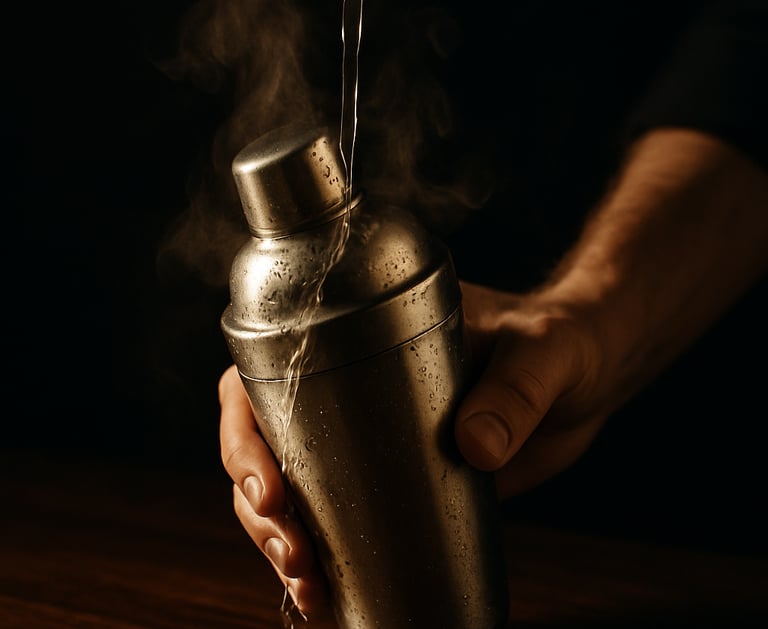
What Causes Cobbler Shakers to Get Stuck?
At the heart of the cobbler shaker’s sticking issue is the way its parts fit tightly together. Most cobbler shakers come in three parts: the mixing tin, the built-in strainer, and the cap. These parts rely on a snug fit to prevent leaks, but that snugness can quickly turn into a locked seal.
The materials used also play a role. The metal contracts and expands depending on temperature. When you shake iced cocktails, the metal chills rapidly. The cooler temperature causes the metal to contract just enough that the parts grab tighter than when at room temp. Combine that with the fact that ice melting inside creates a small vacuum effect—meaning the pressure inside drops slightly—and you’ve got a stubborn shaker that won't come apart easily.
Another culprit is residue. Sugary cocktails or citrus oils that aren’t cleaned off immediately can dry out and act like glue, effectively cementing between the segments.
How Temperature Affects Your Shaker
Temperature swings are the silent saboteur. When the shaker is chilled on the outside, it contracts. If you move straight to opening it without letting it warm back up, the parts will still be tightly compressed.
Conversely, running warm water over the joint can cause the metal to expand just enough to break that lock. This is a straightforward, low-tech fix that few bartenders try but works far more often than brute force.
Common Mistakes That Make Shakers Stick
I see this all the time behind the bar: bartenders get impatient and squeeze the parts together hard, thinking a tighter seal equals less spilling. In reality, over-tightening invites stuck shakers, because you’re forcing a lock at the get-go.
Another slip-up is ignoring the temperature factor mentioned earlier. Trying to open a cobbler shaker as soon as the ice stops rattling is a recipe for struggle. The metal’s cold, the vacuum strong—expect resistance.
Then there’s poor cleaning habits. Letting cocktail residue dry out on your shaker isn’t just unhygienic; it gums up the joints, leading to a sticky seal that can last beyond just one session.
Simple Techniques to Safely Open a Stuck Shaker
When faced with a stuck cobbler shaker, the best rule of thumb is to avoid forcing it. Tapping gently on the base with your palm helps break the suction that often forms.
If that doesn’t do the trick, hold only the part that came loose last (usually the cap) and carefully run warm water over the joint where it sticks. This warms the metal, causing it to expand. Make sure not to soak the whole shaker if you’re using a shaker with any rubber seals to avoid damage.
Another handy tip is to twist gently in opposite directions rather than just pulling straight apart. This motion helps break any vacuum seal without stressing the metal.
For more simple techniques, check out How to Break a Stuck Shaker.
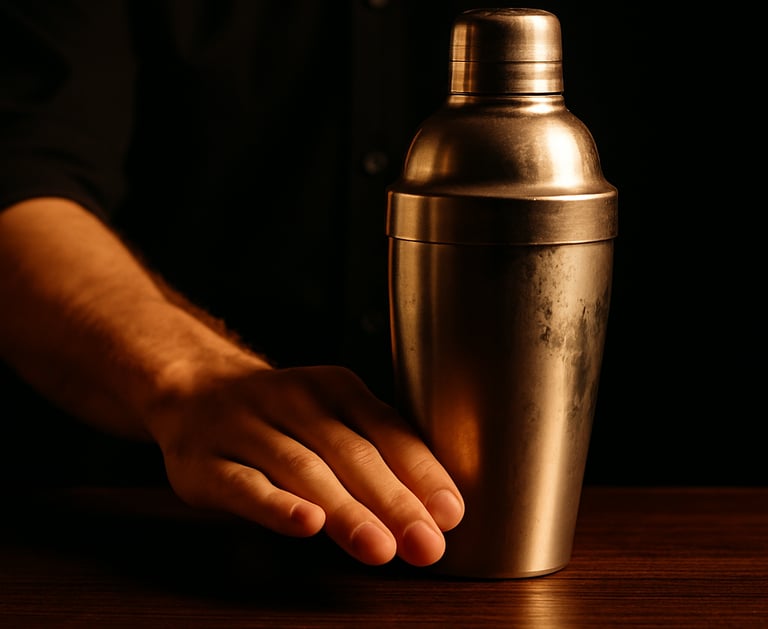
Maintenance Tips to Prevent Shaker Sticking
Preventing problems is always the better investment. A solid maintenance routine goes a long way.
Thoroughly rinse your shaker immediately after use, especially paying attention to the strainer and the edges where parts meet. Follow up with a quick dry—moisture hanging around can quicken residue buildup.
Inspect the shaker regularly for any dents or warps caused by previous force attempts; these can cause misalignment and sticking too.
If your budget allows when buying a new shaker, prioritize stainless steel models over cheaper alloys. Stainless tends to have better thermal consistency and durability, which can reduce the sticking problem over time.
When to Consider a Different Type of Shaker
If this sticking issue is a persistent pain, it’s worth considering alternatives like the Boston shaker. Boston shakers consist of just two parts: a metal tin and a mixing glass (or a metal tin and another tin), which fit together differently. They tend not to suffer from the suction and contraction sticking problem that cobbler shakers do because their joint isn’t sealed in the same way.
That said, Boston shakers aren’t for everyone—there’s a learning curve and they require a separate strainer—so it’s a tradeoff between ease of use and maintenance hassles.
FAQs About Cobbler Shaker Issue
Why does my cobbler shaker get stuck after shaking?
Mostly due to metal contraction from cold temps combined with vacuum pressure inside after shaking ice-cold cocktails.
How can I safely open a stuck cobbler shaker?
Tap the base gently, twist parts in opposite directions, and run warm water over the joint to loosen the seal without forcing.
Does temperature affect how a cobbler shaker seals?
Yes, colder temperatures cause the metal to contract and the vacuum inside to strengthen, making the parts lock together tightly.
Are some cobbler shakers less likely to get stuck?
Higher-quality shakers made of stainless steel with good tolerances and finishes are less prone to sticking compared to cheaper models.
Can residue buildup cause my shaker to stick?
Absolutely. Sugary or oily residues can act like an adhesive if not cleaned off promptly after use.
Is it better to use a Boston shaker to avoid sticking?
Boston shakers avoid certain sticking issues since their sealing method differs, but they come with their own learning curve and tool needs.
How do professional bartenders deal with stuck shakers?
They use warm water and gentle tapping techniques, avoid over-tightening, and maintain their gear carefully to prevent sticking.
How should I maintain my cobbler shaker to prevent sticking?
Clean thoroughly with warm water immediately after use, dry promptly, avoid harsh scrubbing that damages seals, and inspect regularly for damage.
Practical Conclusion
Look, there’s no magic fix to completely erase cobbler shaker sticking. It’s baked into the design and metal physics. But you can manage it well enough to avoid wasted time and equipment problems.
Run your shakers warm before opening, tap instead of pulling, don’t over-tighten, and clean diligently—that’s the formula for smooth bartending. When it comes to buying, invest in a shaker with quality materials and good build standards. It may cost a bit more upfront, but it pays off in the long run with less hassle and longer gear life.
If the sticking still drives you nuts, think about whether a Boston shaker fits your style better. It’s a tradeoff worth considering.
In the end, smart bartending isn’t about flashy gear or cheap shortcuts. It’s about practical choices that keep you working efficiently behind the bar, serving great drinks without those avoidable stumbling blocks.
For more on choosing the right tools and how to keep them running like clockwork, check out our guides on Best Cocktail Shakers and Home Bar Blueprint. And for a broader perspective on bar setup and ownership costs, see our article at Bar Tools.
Making the right call on your shaker and maintaining it well is one of those overlooked details that separates the pros from the amateurs. Stick with these tips, and you’ll open your cobbler shaker with confidence every time.
© 2026 Barkeepers Buzz. All rights reserved.
Barkeepers Buzz
Master cocktails, spirits, and bar knowledge with clarity and precision. Built for serious home enthusiasts.
Crafted with respect for the culture — and the responsibility that comes with it.
For educational purposes only. Intended for legal drinking age audiences. Please drink responsibly.
General Inquiries: