
How to Prevent Fridge Condensation
Discover essential tips to prevent fridge condensation, maintain optimal humidity, and protect your BAR REFRIGERATION & INFRASTRUCTURE for peak performance and longevity.
ICE & TEMP GUIDES
Barkeepers BuzzBlog Editorial Team - Led by AJ “Buzz” Eichman
3/10/20264 min read
Condensation inside and on bar refrigerators is a common issue. It can reduce performance, increase energy costs, and damage your bar refrigeration infrastructure over time. Knowing what causes condensation and how to prevent it will help keep your drinks at the right quality and extend the life of your equipment.
For bars and home setups alike, refrigeration management is a major part of building a reliable drink station. Understanding how moisture behaves inside refrigeration systems becomes especially important when designing a modern home bar setup that includes beverage fridges, kegerators, or other cooling equipment.
Quick Verdict
Keep temperatures and relative humidity steady between 35–50% to lower condensation risk.
Regularly check and replace fridge gasket seals to stop air leaks that bring in moisture.
Heated or triple-pane glass doors reduce condensation on display fridges.
Use desiccant dehumidifiers or air curtains in humid or high-traffic bar areas to control moisture.
Causes of Condensation in Bar Refrigerators
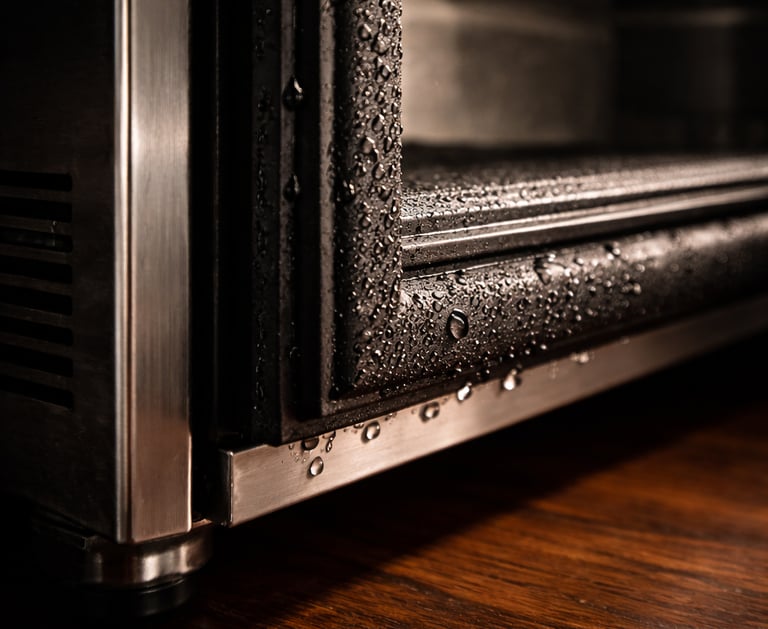
Condensation happens when warm, humid air hits cold fridge surfaces. Moisture in the air cools down, reaching its dew point, and forms water droplets on surfaces like glass doors and seals. This isn’t unusual, but it’s worth managing.
Relative humidity (RH) and temperature differences are the main drivers. Higher RH or larger temperature gaps increase condensation chances. Frequent door openings, damaged door seals, and placing fridges near heat sources or exterior doors can make the issue significantly worse.
Condensation issues are often connected to overall bar refrigeration and beverage cooling systems, where temperature stability is essential for both equipment efficiency and drink quality.
Optimal Temperature and Humidity Settings for Bars
Controlling the environment around your bar refrigeration helps prevent condensation:
Room Temperature: Aim for 20°C to 25°C (68°F to 77°F).
Relative Humidity: Stay between 35% and 50% to keep moisture in check.
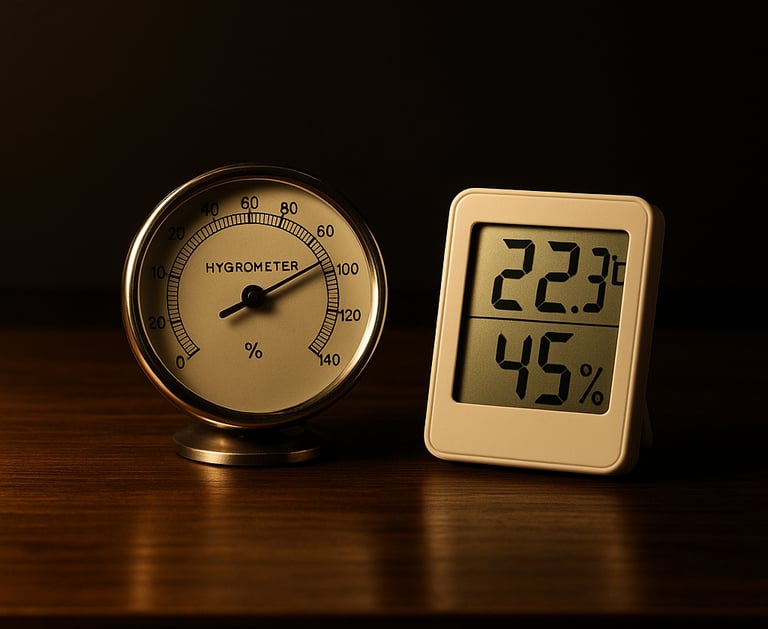
Using thermostats and hygrometers to monitor these conditions pays off. Stable fridge temperatures cut moisture swings and reduce condensation.
This is especially important in setups that include draft beer systems or refrigerated taps, where temperature stability directly affects beverage quality and carbonation.
Hardware Solutions: Seals, Glass, and Air Curtains
Gasket Seals
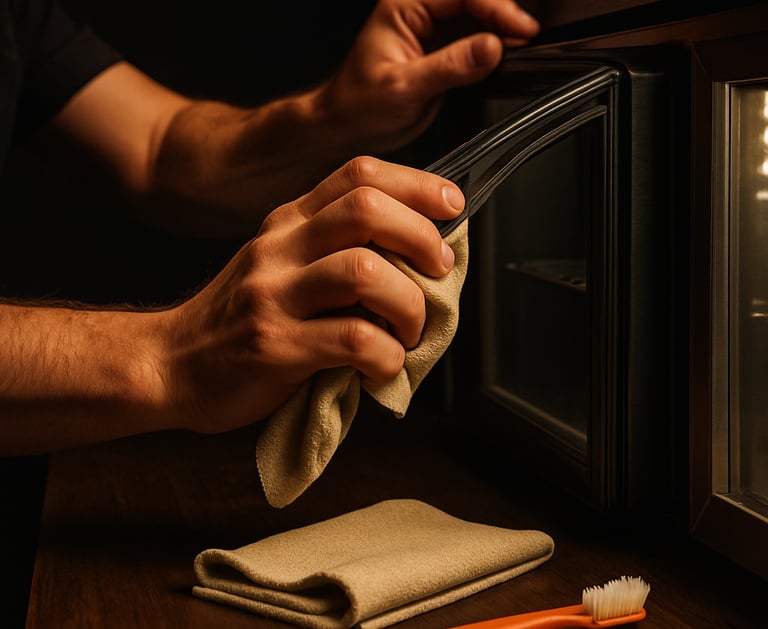
Rubber gasket seals around fridge doors keep humid air out. When those seals wear or crack, they’re a common source of condensation and wasted energy. Checking and replacing gaskets before they fail is a simple but effective maintenance step.
In many bars, routine refrigerator maintenance is just as important as maintaining other bar tools and equipment used during service, since both affect workflow and drink quality.
Glass Door Technologies
Condensation on glass doors can be limited by:
Heated Glass: A warm electrically conductive coating prevents moisture from settling.
Triple-Pane Glass: Multiple glass layers insulate better, cutting down temperature differences.
Both technologies work without affecting the drink’s temperature and are common in commercial beverage displays.
Air Curtains
Air curtains are useful in walk-in coolers and commercial displays. They blow a fast-moving air barrier that separates cold inside air from humid outside air. Installing them—or plunger switches on doors that open to outside areas—helps slow moist air infiltration.
Dehumidification and Climate Control Strategies
Desiccant Dehumidifiers
In busy or humid bars, desiccant dehumidifiers are reliable. They use materials like silica gel that pull moisture out of the air and work well even in the cool conditions around refrigerated units.
General Climate Control
Keep heat sources away from bar fridges. Make sure there’s enough ventilation. Avoid placing refrigeration equipment where sunlight or exterior doors expose it to warm, humid air. These steps help keep the environment stable and dry.
If your bar setup includes multiple cooling appliances—such as wine fridges or beverage coolers—proper climate control becomes even more important for consistent performance.
Maintenance Tips to Prevent Buildup
Clean door gaskets and seals regularly to stop dirt from ruining the seal.
Keep condenser coils clean to maintain efficient cooling and avoid temperature swings.
Limit how often you open fridge doors during busy times. If frequent access is unavoidable, consider additional humidity control.
Use hygrometers to monitor humidity levels and adjust HVAC systems or dehumidifiers as needed.
Routine maintenance across your refrigeration equipment helps extend lifespan and ensures reliable drink storage.
Common Mistakes
Putting bar refrigerators near heat sources or in front of outside doors without air curtains.
Letting worn or damaged gasket seals go unrepaired so moist air creeps in.
Allowing relative humidity to rise above 50–65%, which dramatically increases condensation risk.
Opening display fridge doors too frequently without monitoring humidity control.
Skipping cleaning on condenser coils, which leads to poor refrigeration performance and increased moisture buildup.
Frequently Asked Questions (FAQ)
What is the ideal humidity level for bar refrigerators?
Keep relative humidity between 35% and 50%. This cuts down moisture without hurting product quality.
How do air curtains help with bar refrigeration?
They create an air barrier that prevents warm, humid air from entering the cold refrigerator interior, reducing condensation buildup.
Why do glass doors fog in humid bar environments?
Fog forms when warm, humid air hits cold glass surfaces. Heated or triple-pane glass doors reduce fogging.
Can I use a dehumidifier near my bar fridge?
Yes. Desiccant dehumidifiers work well in chilled environments and help manage humidity to reduce condensation.
How often should I replace gasket seals?
Inspect seals every few months and replace them as soon as you notice wear, cracks, or air leaks.
Does regular maintenance affect condensation?
Yes. Clean seals, clean condenser coils, and stable fridge temperatures all reduce moisture buildup and prevent condensation.
What temperature should my bar fridge be set to?
Keep the fridge steady between 3°C and 5°C (37°F to 41°F). This range works well for most beverages while helping avoid condensation problems.
Continue Building Your Bar Setup Knowledge
Controlling temperature, humidity, and maintenance routines is key to keeping condensation off your bar refrigeration. Combining those practices with proper equipment placement and climate control will significantly improve both efficiency and drink quality.
If you're comparing refrigeration options, take a look at our guide on beverage centers vs. beverage fridges to see how they differ in cooling performance, storage layout, and ideal use cases.
If you're building or upgrading your bar, it also helps to understand how different refrigeration systems integrate into a complete home bar setup.
You may also want to explore equipment designed specifically for beverage storage, including beverage refrigerators built for home bars.
© 2026 Barkeepers Buzz. All rights reserved.
Barkeepers Buzz
Master cocktails, spirits, and bar knowledge with clarity and precision. Built for serious home enthusiasts.
Crafted with respect for the culture — and the responsibility that comes with it.
For educational purposes only. Intended for legal drinking age audiences. Please drink responsibly.
General Inquiries: