
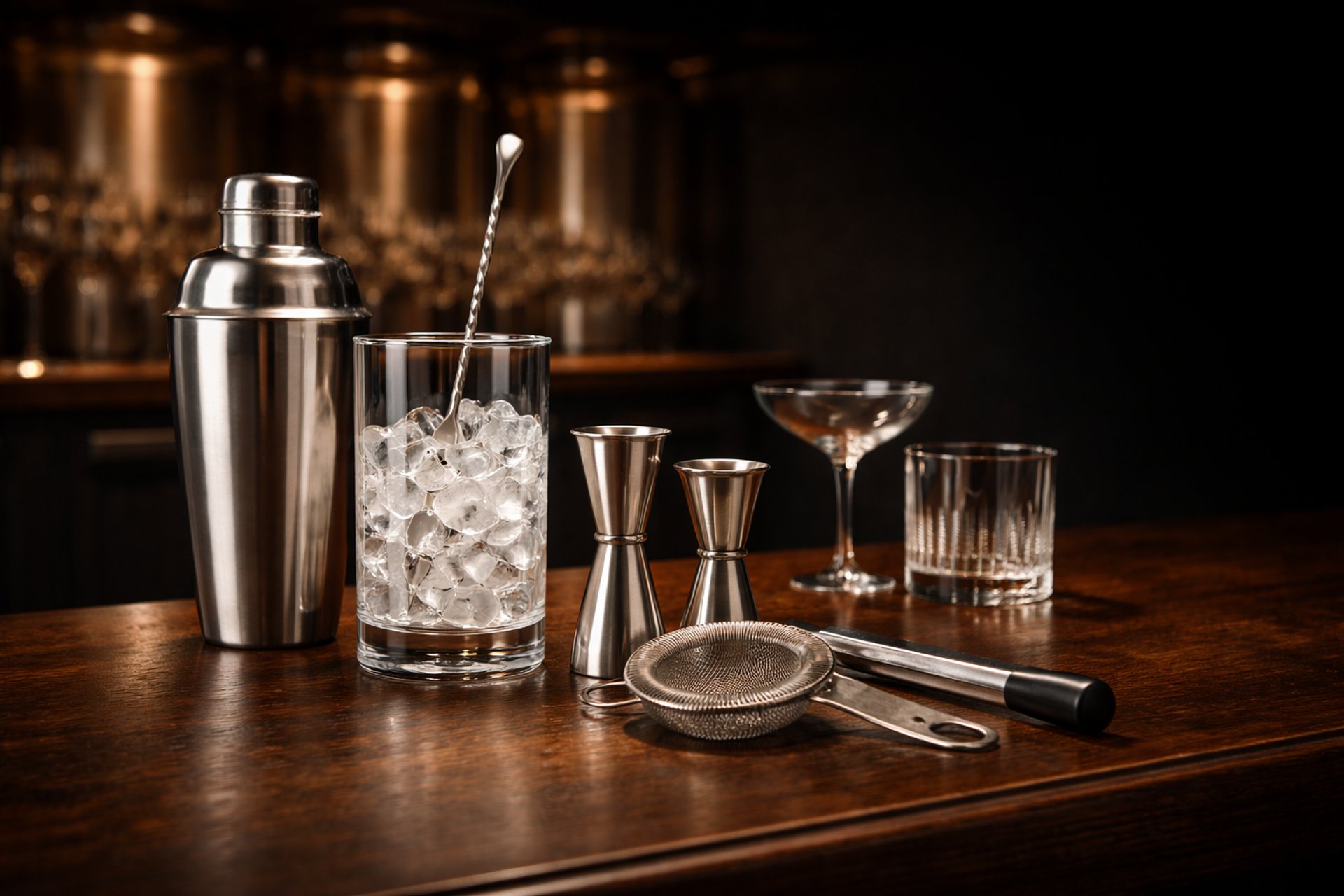
Why Stirred Cocktails Use Mixing Glasses
Some cocktails are shaken, while others are stirred—and that choice isn’t just tradition. Stirred cocktails rely on precision, control, and clarity, which is why bartenders use mixing glasses instead of shakers.
A mixing glass allows you to chill and dilute a drink gently without introducing air or cloudiness. This results in a smoother, cleaner cocktail with a refined texture.
If you’re building your setup, understanding where mixing glasses fit within the full bar system is essential. You can explore the complete framework in the Bar Tools guide or see how everything comes together in the Essential Home Bar setup.
Why Stirring Is Different from Shaking
Shaking and stirring serve different purposes in cocktail making.
Shaking is aggressive—it rapidly chills a drink, introduces air, and creates a slightly frothy texture. This works well for cocktails with citrus, juice, or egg whites.
Stirring, on the other hand, is controlled and gentle. It chills the drink while maintaining clarity and a silky mouthfeel. This is why spirit-forward cocktails like Manhattans and Negronis are always stirred.
If you want to understand the science behind this difference, explore Stirring vs Shaking Science and how technique impacts dilution in Why Stirring Controls Dilution.
Why Mixing Glasses Are Used
Control Over Dilution
A mixing glass gives bartenders precise control over how much a cocktail is diluted. Because stirring is slower than shaking, the drink chills gradually, allowing you to stop at the exact point where balance is achieved.
This level of control is critical for spirit-forward drinks, where too much dilution can weaken the flavor profile.
To refine your technique, see How to Stir Cocktails Properly.
Clarity and Presentation
Mixing glasses are designed to preserve clarity. Unlike shaking, which creates tiny air bubbles and ice shards, stirring keeps the liquid smooth and crystal clear.
This is especially important for cocktails that are served in clear glassware, where presentation plays a major role.
Straining also plays a role here—using the right technique ensures a clean final pour. Learn more in Fine Straining Cocktails.
Smooth Texture
Because stirring avoids agitation, the final drink has a silky, cohesive texture. The ingredients integrate gently, resulting in a more refined drinking experience.
This is one of the main reasons why professional bartenders rely on mixing glasses for high-end cocktails.
What Makes a Good Mixing Glass
Not all mixing glasses perform the same. A well-designed mixing glass should enhance both control and efficiency.
Material & Thickness
A good mixing glass should be made from thick, durable glass. Heavier glass retains cold temperatures better and provides stability during stirring.
Thin glass can feel unstable and may not maintain temperature as effectively.
If you’re choosing one, see what matters most in What Makes Good Mixing Glasses.
Size & Capacity
A proper mixing glass should hold enough volume to allow ice to move freely. This improves chilling efficiency and ensures consistent dilution.
Larger glasses also make it easier to stir multiple drinks at once.
Pour Spout Design
A well-formed spout allows for clean, controlled pouring without drips or spills. This is especially important when straining into serving glasses.
Mixing glasses are typically paired with strainers, so understanding strainer types can help improve your overall setup—see Cocktail Strainer Types Explained.
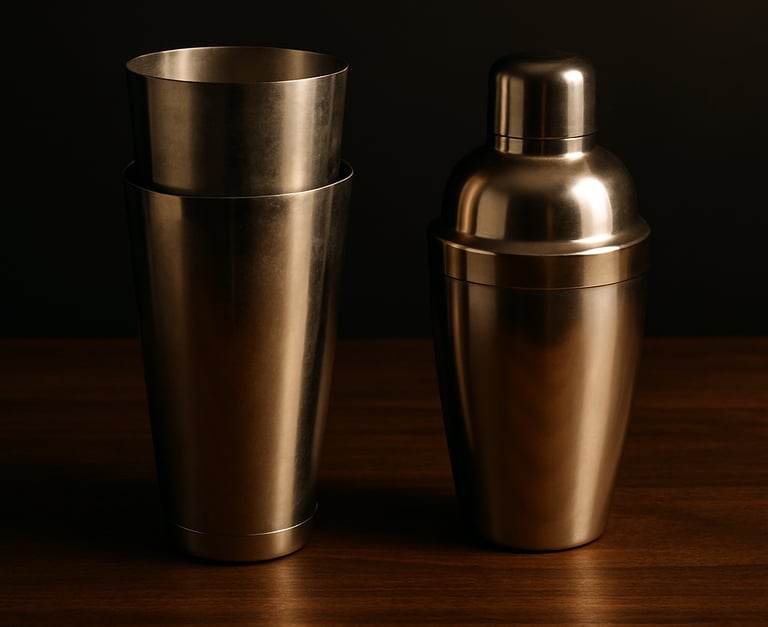
Mixing Glass vs Shaker
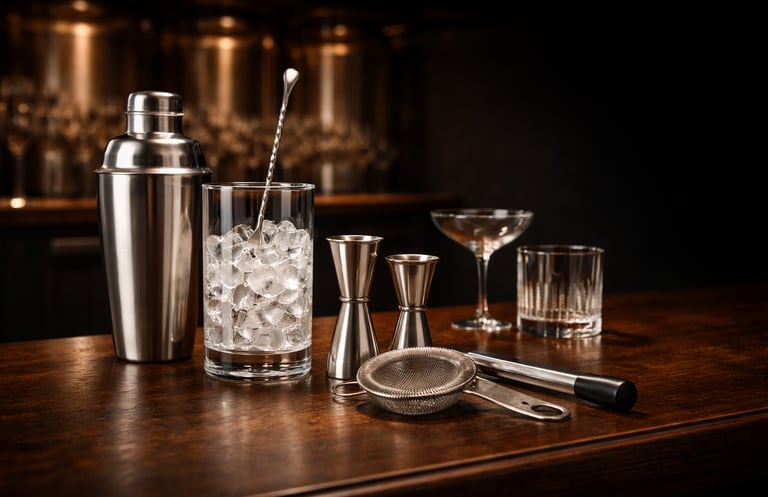
Mixing glasses and shakers are not interchangeable—they are designed for different types of cocktails.
Mixing glasses are used for stirred drinks
Shakers are used for shaken drinks
Mixing glasses prioritize control, clarity, and smoothness, while shakers focus on speed, aeration, and rapid chilling.
If you’re deciding between the two, see the full breakdown in Mixing Glass vs Shaker or explore how shaker styles differ in Cocktail Shaker Types Explained.
Common Stirring Mistakes
Many issues with stirred cocktails come from technique rather than equipment.
Common mistakes include:
stirring too aggressively
under-stirring and not chilling properly
using too little ice
poor glass control during stirring
These mistakes can lead to unbalanced drinks, inconsistent dilution, and poor texture.
To avoid these problems, review Common Stirring Mistakes and improve your consistency behind the bar.
Where Mixing Glasses Fit in a Complete Bar Setup
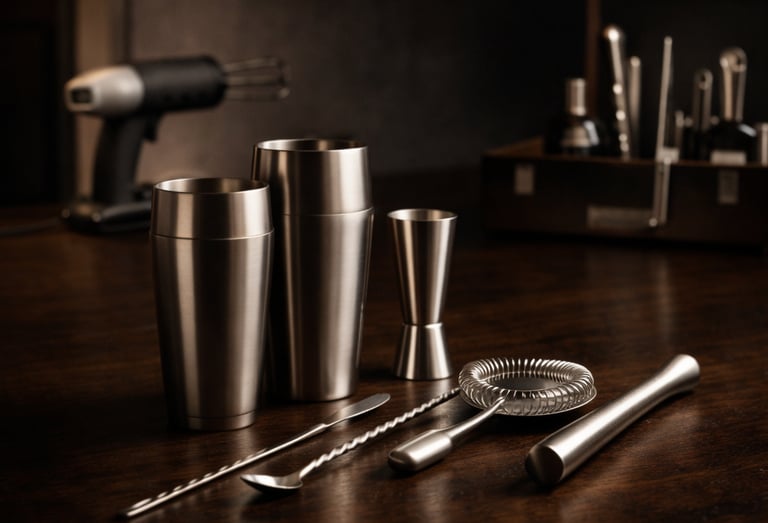
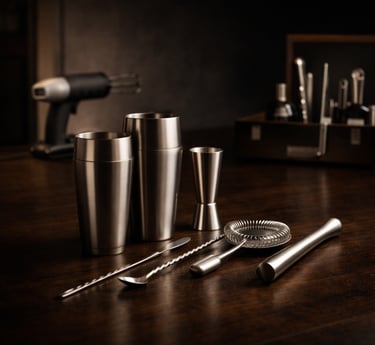
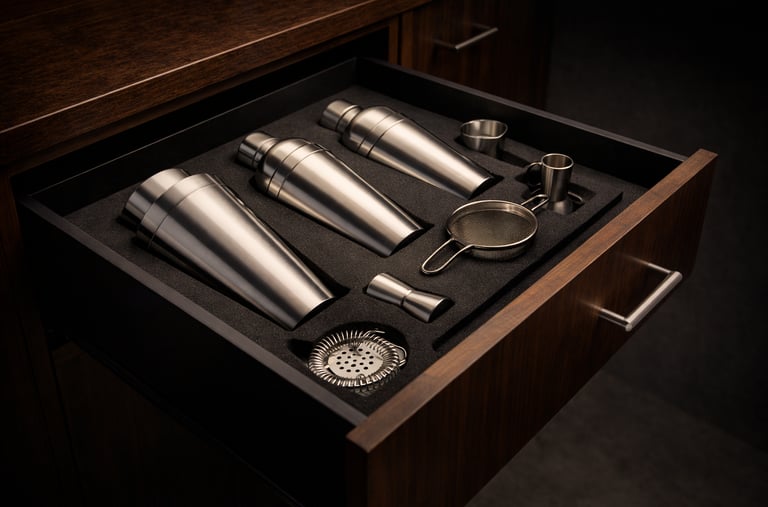
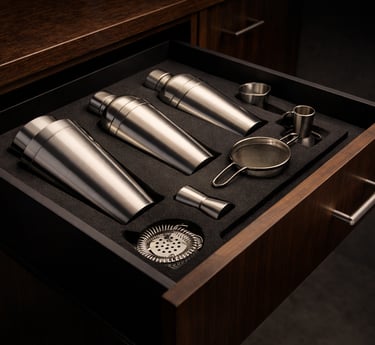
A mixing glass is just one part of a complete cocktail system. It works alongside tools like jiggers for measurement, bar spoons for stirring, and strainers for finishing the drink.
Accuracy in measuring is just as important as technique—learn more in Cocktail Jigger Measurements or compare approaches in Jigger vs Free Pouring.
When all tools work together, you create a smoother, more consistent cocktail-making process.
If you’re building or upgrading your setup, explore the best options in Best Mixing Glasses or complete kits in Best Bar Tool Sets.
Final Thoughts
Mixing glasses are essential for creating clean, balanced, and refined cocktails. They give you control over dilution, preserve clarity, and produce a smoother texture than shaking.
While they may seem like a simple tool, they play a critical role in elevating your drinks from average to professional quality.
For anyone serious about improving their cocktail skills, a proper mixing glass isn’t optional—it’s foundational.
© 2026 Barkeepers Buzz. All rights reserved.
Barkeepers Buzz
Master cocktails, spirits, and bar knowledge with clarity and precision. Built for serious home enthusiasts.
Crafted with respect for the culture — and the responsibility that comes with it.
For educational purposes only. Intended for legal drinking age audiences. Please drink responsibly.
General Inquiries: