
Why Your Ice Melts Too Fast in Whiskey Glasses (And How to Fix It)
Understand why ice melting fast in whiskey glass happens and learn practical tips to slow melt and preserve your whiskey's flavor and temperature.
GLASSWARE GUIDESICE & TEMP GUIDES
Barkeepers Buzz Editorial Team - Led by AJ “Buzz” Eichman
5/2/20266 min read
A well-crafted whiskey deserves a vessel and environment that respect its nuances—flavor, aroma, and temperature alike. Yet, many enthusiasts face the frustrating experience of ice that melts too fast in their whiskey glasses, diluting the spirit and disrupting the intended tasting experience. This rapid dilution compromises not only the temperature but the delicate balance of flavors. To create a home bar environment that honors both aesthetic and performance, understanding why ice melts quickly—and how to mitigate it—is critical.
Quick Verdict
Larger ice cubes or spheres reduce surface area, slowing melt and dilution.
Chilling your whiskey glass before use lowers initial temperature, preserving ice longer.
Proper ice storage in stable environments prevents premature melting and clumping.
Using clear, purified ice enhances slow melting compared to cloudy or aerated ice.
Why Does Ice Melt Too Fast in Whiskey Glasses?
Ice melting is fundamentally a heat exchange process. The interplay between the ice’s surface area, the temperature of the glass, and the ambient environment determines the rate of melt. When ice melts too quickly, it’s almost always a failure of one or a combination of these factors.
The type of glass you’re using plays a larger role than most realize, which is why understanding proper setups through the Whiskey Glassware Guide for Home Bars is essential when dialing in both performance and consistency.
The Science Behind Ice Melting Rates
Heat transfer accelerates melting. Small or crushed ice inherently offers more surface area relative to its volume, exposing more water to the warmth of the glass and the ambient air. This principle is why crushed ice melts faster than larger cubes or spheres. Additionally, the initial temperature of the glass itself impacts how much heat is immediately transferred to the ice upon contact. A room-temperature glass imparts more heat than a pre-chilled one.
Environmental factors such as room temperature, airflow, and humidity play a subtle but impactful role. High ambient temperatures and breezes can accelerate heat transfer, detracting from the slow, measured melting that preserves whiskey integrity.
How Ice Size and Shape Affect Whiskey Dilution
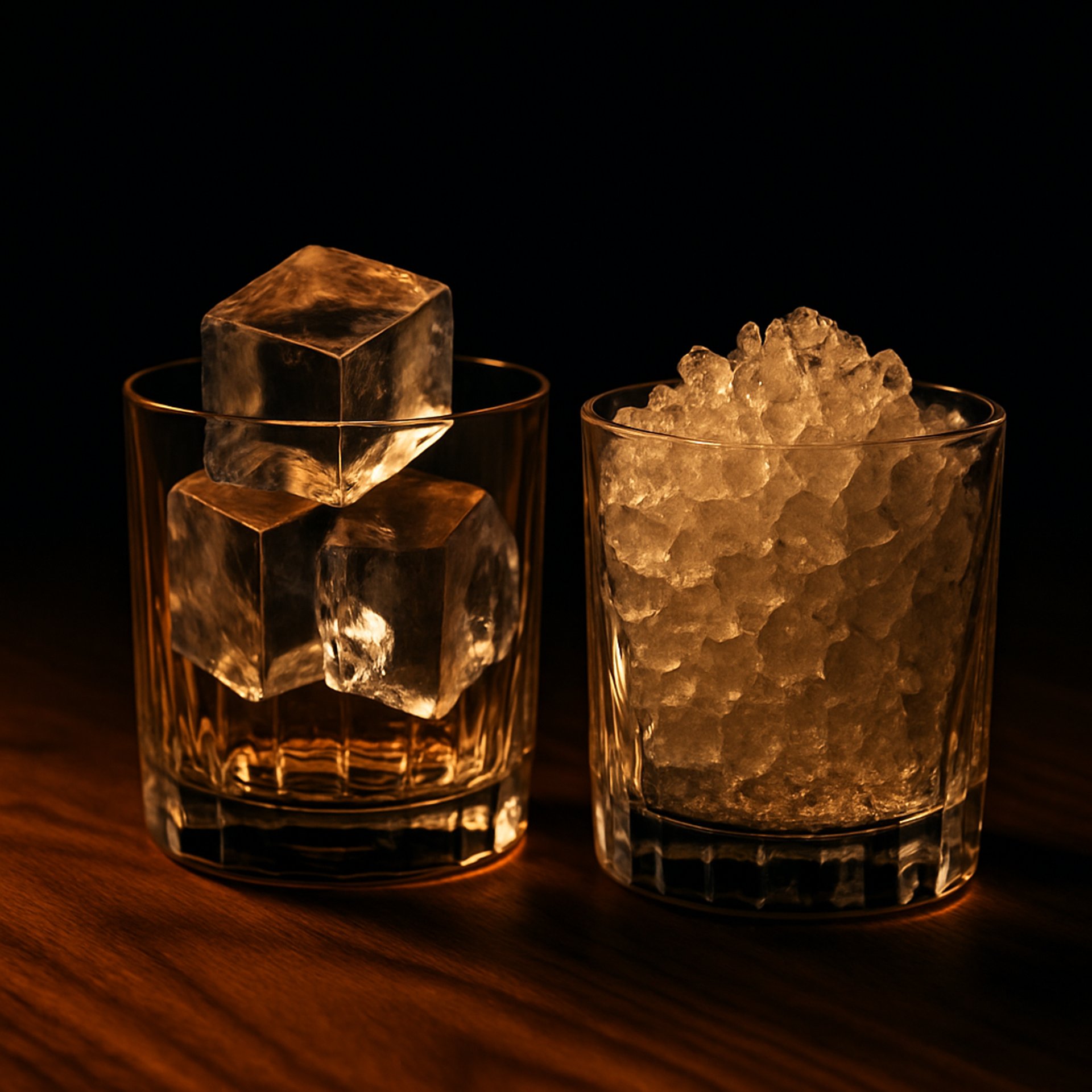
When focusing on ice size and shape, it’s essential to consider surface area-to-volume ratio. Spheres, given their geometry, have the smallest ratio of surface area to volume among commonly used shapes—this means they melt the slowest, preserving the drink’s flavor and preventing premature dilution. Cubes come next, offering a balanced compromise between aesthetic and functional characteristics. Crushed ice, while visually attractive and optimal for cocktails that require rapid chilling, is not suitable for whiskey neat or on the rocks due to its high melt rate.
If you're building your setup specifically for this, choosing the right glass matters just as much as the ice itself—especially when comparing formats like those covered in NORLAN Whisky Glass vs Waterford Markham DOF.
The Role of Whiskey Glass Temperature
Imagine pouring whiskey into a glass that’s been at room temperature for hours versus one cooled in the freezer. The initial heat transfer differs substantially. If the glass is warm, the ice will absorb this thermal energy immediately and begin melting rapidly. If the glass has been properly chilled, the ice remains stable longer, controlling melt rate and maintaining a balanced drinking experience.
Pre-chilling your glassware aligns the temperature gradient, extending the life of your ice and thus the whiskey’s intended flavor profile. This is especially important when using heavier designs found in Best Whiskey Glasses for Ice, which retain temperature more effectively.
Environmental Factors Influencing Ice Melt
Ambient room temperature cannot be ignored. A warm environment accelerates melting, regardless of ice size or glass temperature. Airflow near the bar can hasten heat exchange, especially if the bar is placed near heating vents or open windows. Humidity levels also contribute, influencing condensation rates inside the glass, which can affect the perception of dilution.
For a home bar designed with strategic intent, consider positioning your serving area away from heat sources and drafts. The goal is a stable, calm environment that complements the fluid choreography between ice, glass, and whiskey. A well-designed Glassware setup supports this by pairing the right vessel with the right conditions.
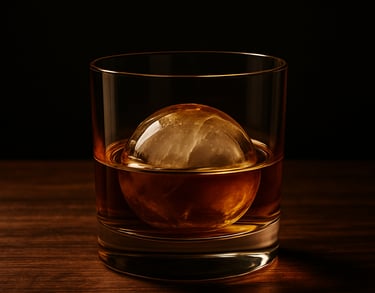
Practical Tips to Slow Ice Melting in Whiskey
1. Use Larger Ice Cubes or Spheres
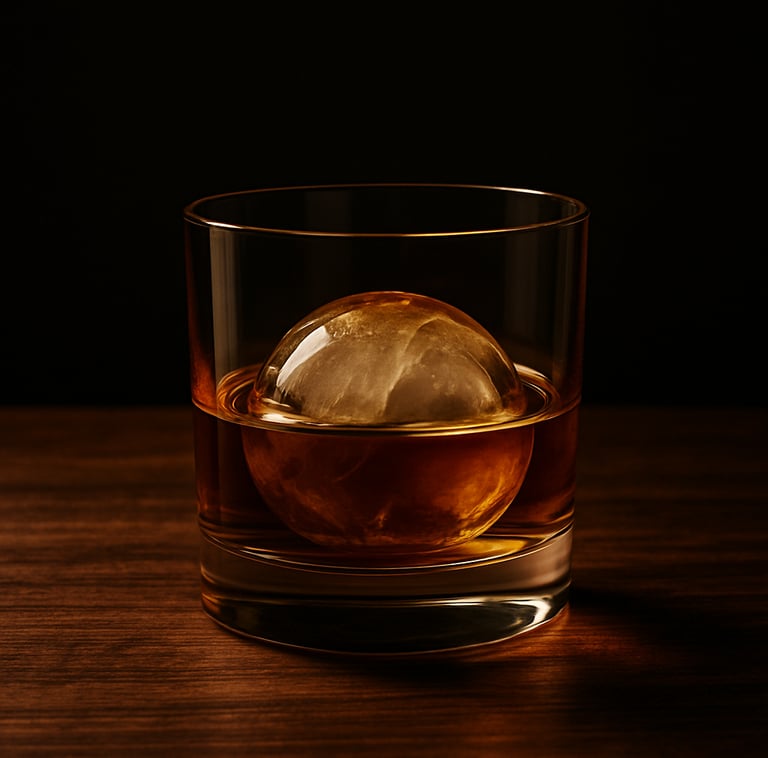
Starting with sizeable ice forms drastically decreases the exposed surface area, slowing melt. Invest in quality ice molds designed specifically for spheres or large cubes. They perform beyond aesthetics and serve a critical functional role, meaningfully reducing dilution. If you're upgrading tools, options from Best Sphere Ice for Whiskey & Cocktails are specifically designed for this purpose.
2. Chill Whiskey Glasses Before Serving
I design this step into my bar setup before cabinetry is finalized. A brief stay in the freezer or refrigerator brings the glass to a temperature compatible with chilling the spirit, mitigating heat transfer.
3. Store Ice Properly
Avoid frost-laden freezer compartments or fluctuating temperatures. Constant freeze conditions prevent premature melting and clumping. For home bars, dedicated clear ice makers offer purified, stable ice that melts slower and enhances flavor integrity.
4. Minimize Stirring or Shaking with Ice
Mechanical agitation introduces kinetic energy, accelerating melting by increasing water circulation around the ice. When enjoying neat or on-the-rocks whiskey, pour gently and refrain from excessive stirring after adding ice.
5. Opt for Clear, Filtered Ice
Ice with trapped air bubbles or impurities melts faster due to structural weaknesses. Clear, filtered ice presents a denser and purer surface that withstands temperature fluctuations longer. This becomes even more noticeable when paired with precision-focused options from Best Whiskey Glasses for Tasting, where dilution impacts are easier to detect.
Common Mistakes to Avoid
Using small or crushed ice in whiskey glasses invites rapid melting and unwanted dilution.
Pouring whiskey into warm or room-temperature glasses disregards the critical heat exchange balance.
Allowing ice to be stored in unstable freezer conditions results in side effects like faster melt and stale flavors.
Overlooking ambient temperature and airflow factors undermines any internal bar’s controlled environment.
Using cloudy, aerated ice compromises both melting rate and taste experience.
Choosing the Best Ice Type for Whiskey
The debate between spheres and cubes centers on control over dilution versus visual appeal. Spheres usually win in slowing melt; however, large cubes also perform admirably when spheres are unavailable. Avoid crushed ice unless the purpose demands rapid chill and dilution, like in cocktails.
For those investing in a refined presentation, consider the craftsmanship of clear ice molds. These are not just gizmos; they are tools of spatial and functional authority that elevate your entire whiskey ritual to a composed experience.
FAQ
Why does ice melt so fast in my whiskey glass?
Ice melts quickly due to the combined effect of its surface area, the temperature of the glass, and surrounding environmental factors. Smaller or fragmented ice shapes increase exposed surface area, accelerating melt.
What type of ice is best for whiskey to keep it cold longer?
Large ice spheres or cubes made from purified, clear water slow melting. The denser the ice and the smaller the surface area relative to volume, the longer it lasts.
Does chilling my whiskey glass help slow ice melting?
Absolutely. A chilled glass reduces the initial heat transferred to the ice, delaying melt and preserving the whiskey’s flavor balance for longer.
How does the shape of the ice affect whiskey dilution?
Ice shape determines the speed of melting due to surface area exposure. Spheres have the minimal surface area and thus melt slower, minimizing dilution, while crushed ice melts quickly, greatly diluting whiskey.
Can room temperature affect how fast my whiskey ice melts?
Yes. Higher ambient temperatures expedite heat flow into the glass and ice, increasing melt rates and dilution.
Is it better to use spheres or cubes for whiskey?
Both have their merits, but spheres typically melt slower due to their geometry, making them the preferred choice for long sipping experiences.
How can I make my ice melt slower at home?
Use clear, large ice cubes or spheres, chill your glasses, store ice in stable freezer environments, and avoid unnecessary stirring of the drink.
Does the purity or clarity of ice impact melting speed?
Pure, clear ice is denser and melts slower than cloudy ice with impurities and air bubbles, which have structural weaknesses and less thermal resistance.
Conclusion
In designing a whiskey experience that is both functional and elegant, controlling ice melt is paramount. The fusion of shape, glass temperature, and environment creates an interplay that dictates how the drink evolves as it’s enjoyed. By prioritizing larger, clear ice forms, pre-chilling glassware, and maintaining a stable storage and environmental context, the dilution is slowed, granting the whiskey room to reveal its full character.
Every design choice—from the cube’s geometry to the bar’s ambient conditions—should serve a singular purpose: to enhance the whiskey’s journey from glass to palate with seamless integration of performance and beauty. Achieving this balance transforms your home bar from mere spectacle into a lasting source of refined delight.
© 2026 Barkeepers Buzz. All rights reserved.
Barkeepers Buzz
Master cocktails, spirits, and bar knowledge with clarity and precision. Built for serious home enthusiasts.
Crafted with respect for the culture — and the responsibility that comes with it.
For educational purposes only. Intended for legal drinking age audiences. Please drink responsibly.
General Inquiries: