
Back Bar Shelving Mistakes to Avoid
Learn the common back bar shelving mistakes to avoid for better visibility, durability, lighting, and workflow. Optimize your bar shelving like a pro.
HOME BAR GUIDES
Barkeepers BuzzBlog Editorial Team - Led by AJ “Buzz” Eichman
3/1/20264 min read
Creating a back bar shelving system that works well is key for any serious home bar setup — whether residential or commercial. But many setups get basic things wrong, leading to poor usability, hard-to-see bottles, and a cluttered appearance.
Quick Verdict
- Wrong shelf spacing and depth make bottles hard to reach or poorly visible.
- Cheap materials warp, scratch, and don’t hold up over time.
- Bad lighting hides products and hurts appeal.
- Overcrowding shelves slows bartenders and looks cluttered.
Why Back Bar Shelving Design Matters
The back bar shelves do more than hold bottles and glassware. They organize workflow by keeping what bartenders need close at hand. Tiered shelves and good lighting help customers see the products. That’s where sales can get a boost: when bottles are visible, especially premium or new items placed at eye level. For full layout examples and material comparisons, see our guide to back bar shelving systems.
Mistakes here cause slow service, more breakage, and a less inviting atmosphere. I’ve replaced enough poorly designed racks to know where they fail.
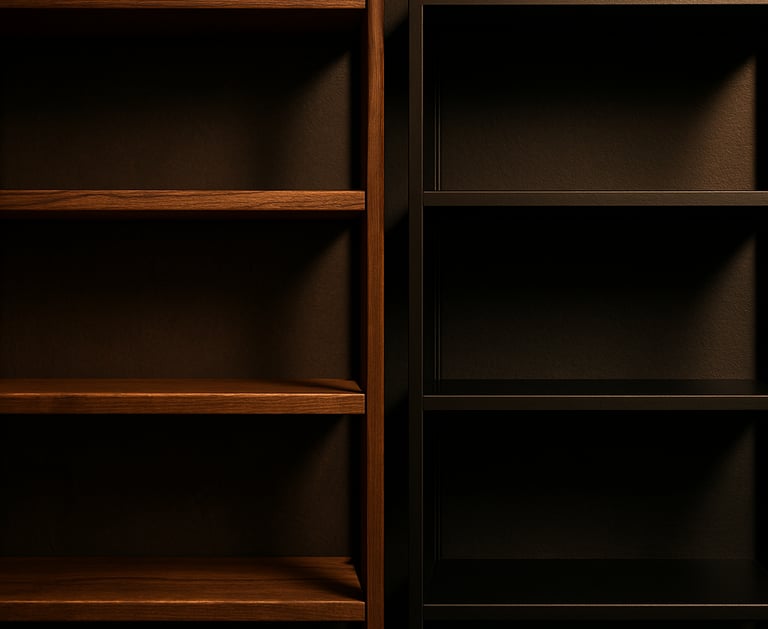
Incorrect Shelf Spacing and Depth
Shelf depth around 10 to 12 inches fits most bottles without wasted space. Too deep, and bottles at the back disappear; too shallow, and some bottles won’t fit. Vertical spacing should be 12 to 15 inches to clear tall bottles and glassware like decanters or mixing tools. If you’re storing wine behind the bar, vertical clearance should also account for larger formats covered in our wine guide.
Shelves set too close together force bottles to be crowded or bottles with tall tops to be tilted, risking damage and making access awkward. Too much space wastes storage and looks unfinished.
Poor Material Selection for Heavy-Use Environments
The right materials matter for durability and upkeep. High-pressure laminate (HPL) is a workhorse material — scratch-resistant and easy to clean. It’s common in commercial settings for good reason.
Wood looks nice but can warp from moisture and wear faster under heavy use. Metals like stainless or powder-coated steel withstand rough conditions and give a modern look.
Avoid particleboard or cheap laminates. They look okay at first but degrade quickly with spills and cleaning. I’ve seen those break down after a few busy months.
Inadequate Lighting Design
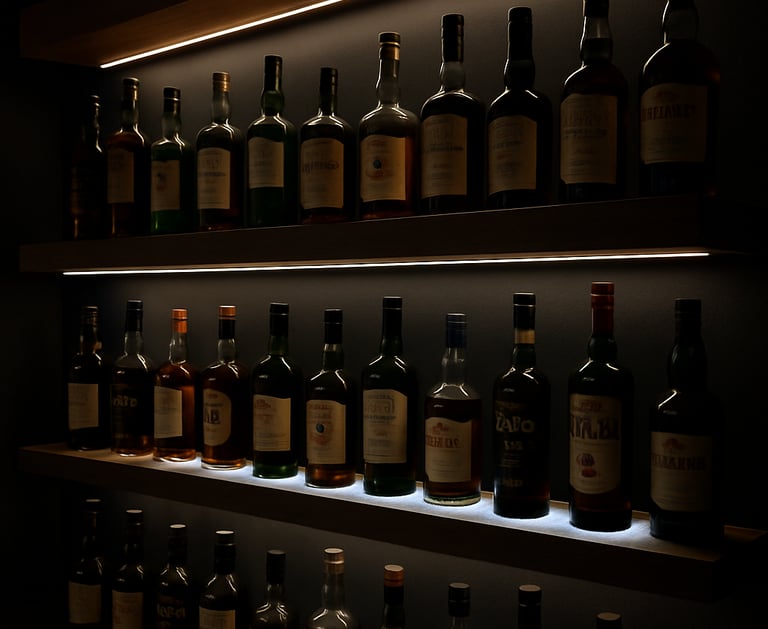
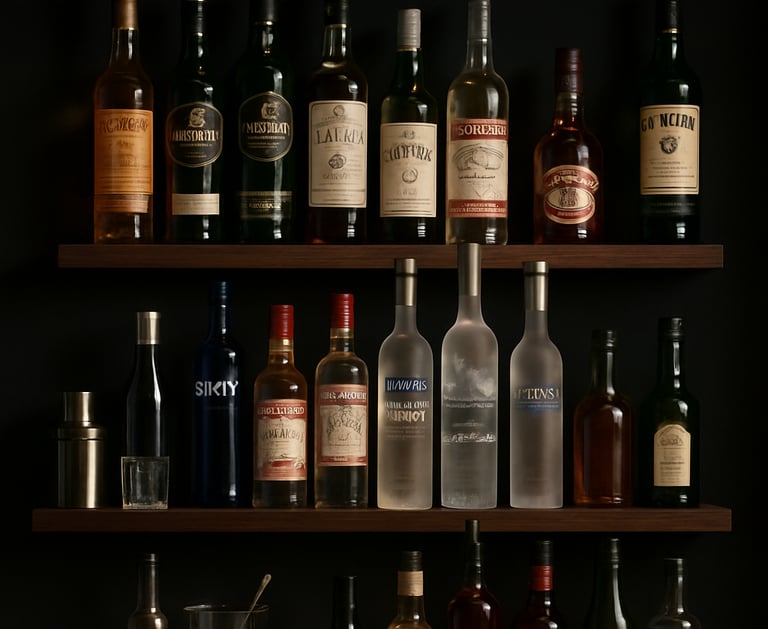
Lighting’s critical for visibility. LED strips under shelves provide balanced light without heat or glare. Poor lighting makes bottles disappear in shadows, and that kills product visibility and customer interest.
Place lighting to highlight premium or new liquors. That’s the kind of subtle nudge that works better than a sign. Consider the color temperature — warm light suits whiskey and aged spirits, cooler white matches clear bottles and glass.
Overcrowding and Lack of Visual Hierarchy
Crowded shelves don’t work in the long run. Overpacking slows bartenders and looks messy. Customers have trouble spotting what they want.
Use tiered risers to separate back rows. It improves visibility and speeds service. Leave some empty space to keep shelves from looking jam-packed. Group similar products together — all whiskey, all vodkas, all gins — to make it easier to find bottles fast.
Ignoring Workflow Efficiency and Bartender Accessibility
No point in a nice display if the bartender struggles. Keep frequently used bottles and tools within easy reach. Putting popular items too high or too low just wastes time and adds repetitive strain.
Design shelving around natural bartender movement to reduce fatigue and speed up service. A speed rail near the work surface is a smart move for quick access to bestsellers. Efficient shelving also supports proper ice and temperature control by keeping tools and glassware positioned near cold storage zones.
Neglecting Organizational Systems
Simple add-ons prevent accidents and confusion. Integrated tipping rails stop glassware from sliding off. Labels help keep things tidy, especially in a busy setting.
Adjustable shelves and modular setups handle changing inventories or special events. I’ve seen fixed shelves cause problems when inventory grows or shifts.
Practical Takeaways to Avoid These Mistakes
- Stick to shelf depths of 10–12 inches and vertical spacing of 12–15 inches.
- Use durable materials like HPL or powder-coated metal for heavy use.
- Install LED strip lighting under shelves to show bottles clearly.
- Add tiered risers to prevent clutter and improve sight lines.
- Group bottles by type and keep everyday items within reach.
- Use tipping rails or edge guards to keep glassware secure.
- Plan shelving for smooth workflow to cut bartender fatigue.
Related Considerations
- When working on back bar shelving, think about related systems. Proper bar lighting beyond product illumination — as outlined in our best bar lighting guide — improves accuracy and speed.
- For home bars, pair shelving with practical storage solutions like best home bar cabinets to balance display with function.
- Adding specialized equipment like glass rinsing systems helps keep the bar clean and service quick.
- If refrigeration sits beneath your shelving, compact under-counter beverage centers integrate cleanly without disrupting vertical design.
- Coordinating shelving with home bar refrigeration and beverage storage prevents awkward spacing and workflow bottlenecks.
FAQ
What is the ideal back bar shelf height for liquor bottles?
Vertical spacing of 12 to 15 inches works for most bottles and taller barware without wasted space.
How does LED lighting impact back bar sales?
Good lighting improves visibility, draws eyes to premium products, and encourages purchases by making the bar look professional and inviting.
What materials best withstand heavy bar use?
High-pressure laminate (HPL) and powder-coated metals hold up under heavy use. They resist scratches and clean easily.
Why is overcrowding my back bar a bad idea?
Overcrowding hides bottles, makes service slower, and looks cluttered — which can turn customers away.
What is a tipping rail and why should I use one?
A tipping rail is an edge guard that prevents bottles and glassware from sliding off shelves. It cuts breakage.
Can tiered shelving really improve sales?
Yes. It makes back-row bottles visible so customers see all their options, boosting sales especially for premium products.
How do I balance aesthetics and workflow in my back bar?
Set shelf heights and layouts to show off your selection while keeping frequently used items close. Think about how bartenders move to keep service fast.
© 2026 Barkeepers Buzz. All rights reserved.
Barkeepers Buzz
Master cocktails, spirits, and bar knowledge with clarity and precision. Built for serious home enthusiasts.
Crafted with respect for the culture — and the responsibility that comes with it.
For educational purposes only. Intended for legal drinking age audiences. Please drink responsibly.
General Inquiries: