
Do Whiskey Glasses Affect Ice Melt Speed? (What Actually Matters)
Explore how whiskey glasses actually influence ice melt speed and discover what truly matters to keep your whiskey perfectly chilled and flavorful.
ICE & TEMP GUIDESGLASSWARE GUIDESSPIRITS & ALCOHOLCOCKTAILS & MIXED DRINKS
Barkeepers Buzz Editorial Team - Led by AJ “Buzz” Eichman
5/2/20266 min read
Pouring a glass of whiskey with ice is a ritual for many, and the type of glass you use might seem like a subtle detail in that experience. But as someone who’s tested different whiskey setups over numerous shifts, I wanted to dig deeper into whether whiskey glasses really influence how fast the ice melts—and ultimately how the drink tastes over time. Does the shape or material of a whiskey glass slow down ice melting and keep your whiskey just right longer? Or are other factors more important?
If you're building this out properly, starting with the right Glassware setup ensures you're not fighting against your own system when it comes to temperature and dilution.
In this article, I break down what affects ice melt speed, what role glassware actually plays, and some practical tips you can try yourself to control dilution without guesswork or gimmicks.
Quick Verdict
Ice size and shape have the biggest impact on melt speed and dilution.
Thicker glass, like some crystal whiskey glasses, can slightly slow ice melt by insulating the drink.
Glass shape influences surface contact between ice and whiskey, affecting melt rate, but it’s a secondary factor.
Pre-chilling glasses and considering ambient temperature make a measurable difference.
The type of whiskey glass matters less than the ice you use and how cold everything is when you pour.
How Ice Melt Affects Whiskey Flavor and Enjoyment
Ice melt is more than just a quirk of physics—it changes how your whiskey tastes and feels. When ice melts, it dilutes the whiskey, softening strong flavors but also potentially washing out nuances that made you want that bottle in the first place. Too fast, and you get watery whiskey; too slow, and you might not unlock the flavors that a little water can coax out.
Because of this, controlling how quickly ice melts helps balance flavor retention and enjoyable sipping temperature. So understanding what affects ice melt speed is key to making the most of your whiskey glass. If you want a deeper breakdown of this interaction, Why Your Ice Melts Too Fast in Whiskey Glasses expands on the mechanics in detail.
Factors Influencing Ice Melt Speed in Whiskey
I tested variations over a few sessions to isolate key influencers on how fast the ice melts. The biggest factors aren’t surprising but bear repeating:
Ice Size and Shape
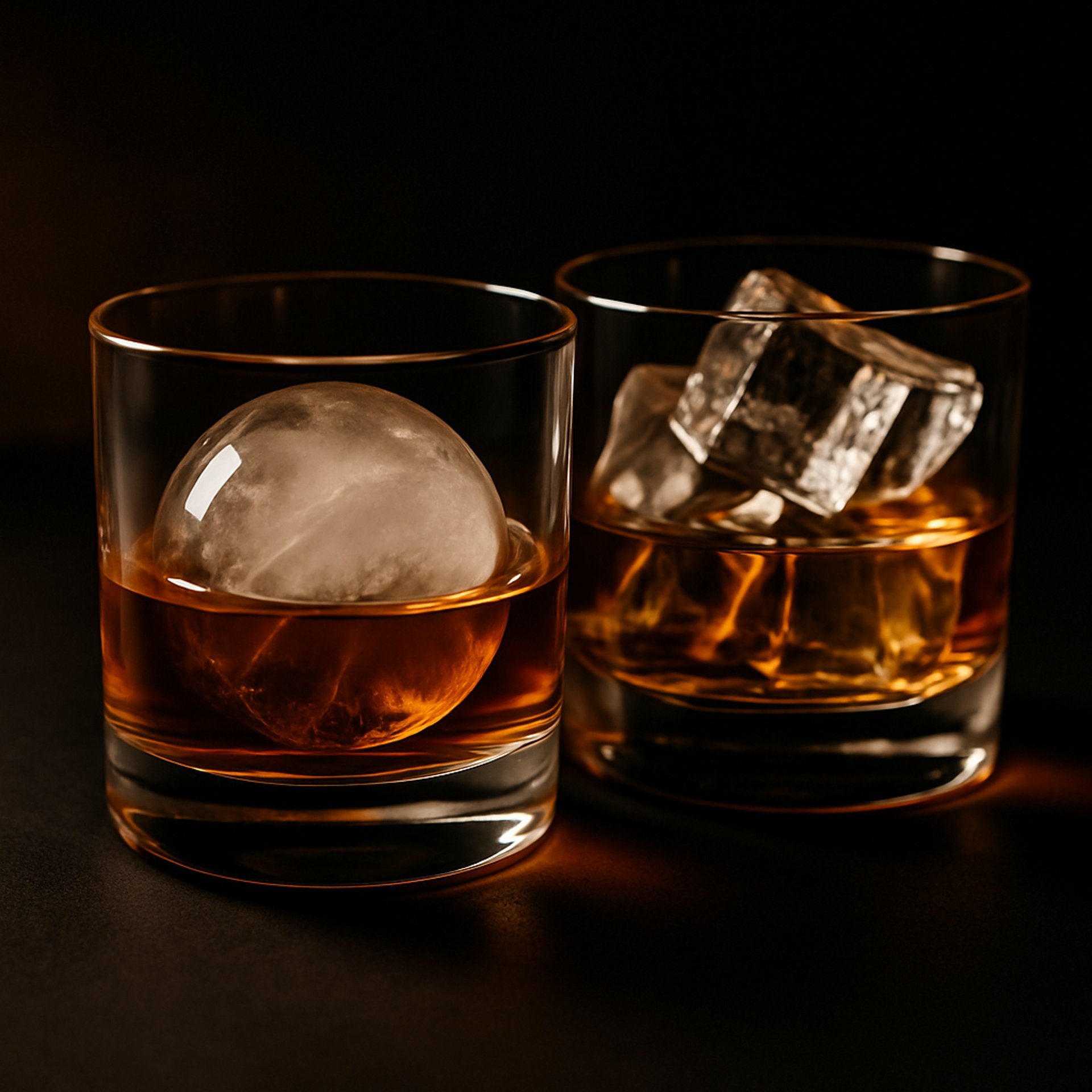
This is probably the most critical aspect. Larger cubes or spheres have much less surface area relative to volume. Less surface area exposed means slower melting and less dilution. Crushed ice or small cubes melt quickly, diluting your whiskey fast. When I switched from standard cubes to big spheres, I noticed a clear drop in dilution over the same drinking period. If you're dialing this in, tools like Best Sphere Ice for Whiskey & Cocktails make a noticeable difference.
Temperature of Drink and Ice
Starting with cold whiskey and very cold ice slows melting significantly. If either starts closer to room temperature, the ice melts faster as it warms the liquid. This isn't about the glass per se, but more about initial conditions when serving.
Ambient Temperature
Room temperature plays a role by affecting glass temperature and how quickly heat transfers into the liquid. Higher ambient temps speed ice melt, particularly if the glass isn’t thick or insulated.
How Full the Glass Is
Filling a glass too full or too little also makes a difference. More liquid means slower warming of the ice (because there’s more cold liquid to absorb heat), but too little liquid leaves the ice more exposed to air heat, melting faster.
The Role of Whiskey Glass Material and Shape
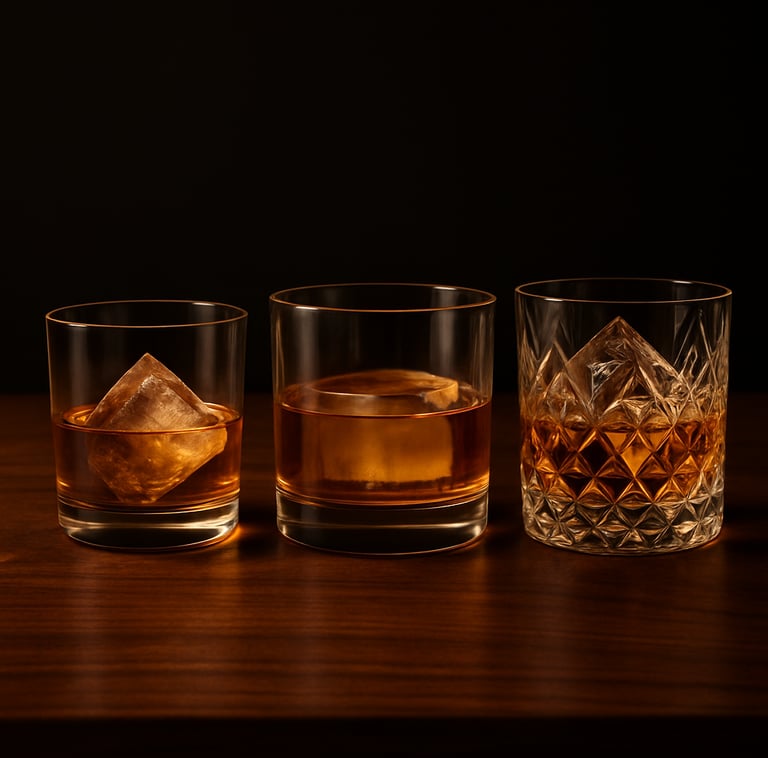
I wanted to isolate what glassware adds to the ice melt equation, so I tested standard thin glass, thick glass, and crystal glasses. Here’s what I found:
Material Insulation
Thicker whiskey glass walls do provide some insulation, slowing heat transfer from the outside environment to the drink. Crystal glasses tend to be thicker and can hold chill a bit longer. However, this effect is generally small compared to ice size and temperature. If you're selecting based on this, Best Whiskey Glasses for Ice highlights designs that support this use case.
Glass Shape Impact
The shape of the glass changes how the whiskey interacts with the ice surface. For example, a wide rocks glass spreads ice and liquid out, increasing surface contact and exposure to ambient air. A narrower snifter or Glencairn glass reduces surface area exposed to air, which can slow melting slightly.
But the shape effect is subtle. I tested the same ice in a snifter vs. a traditional rocks glass, and the difference was measurable but small—in the range of a few minutes of ice preservation, not hours. If you’re comparing use cases more directly, NORLAN Whisky Glass vs Waterford Markham DOF helps clarify where each performs better.
Ice Size and Shape: The Real Game Changers
To put it plainly: if you want to slow ice melt, start with your ice. Large, solid spheres or big cubes melt slower because of the lower surface area to volume ratio.
I experimented with 1-inch cubes, large spheres, and crushed ice. The crushed ice melted within minutes, quickly watering down the whiskey. The spheres lasted noticeably longer, preserving concentration and chill. This aligns with bartender wisdom and science on heat transfer.
Practical Whiskey Serving Tips to Control Ice Melt
Based on what I observed, here are some actionable tips for controlling ice melt speed:
Use large ice cubes or spheres for slower dilution.
Pre-chill your glasses in the freezer for 5–10 minutes before serving.
Serve whiskey and ice as cold as possible without freezing the whiskey itself.
Be mindful of ambient temperature—keep drinks out of direct heat or sunlight.
Fill your glass to a reasonable level—enough liquid to submerge ice mostly, but not so full the whiskey warms faster.
Consider glass thickness if you want a small edge on insulation, but prioritize ice size first.
Common Myths About Glassware and Ice Melting
I ran into some common misconceptions during my tests:
Myth: Glass shape drastically changes ice melt speed.
Reality: Shape influences melt somewhat but not as much as ice size or temperature.Myth: Crystal glass stops ice from melting faster.
Reality: Crystal's thicker walls help slightly but don't dominate the ice melt process.Myth: Using crushed ice in whiskey glasses is ideal for slow melt.
Reality: Crushed ice melts faster, great for cocktails but not slow sipping whiskey.Myth: Filling glasses full slows ice melt indefinitely.
Reality: Filling level affects melt but too much fill can sometimes speed heating from the top.
Choosing the Right Glass and Ice for Your Whiskey
When picking whiskey glasses, focus on practical benefits:
Thick-walled glasses or crystal glasses provide gentle insulation.
Glasses wide enough to fit large ice cubes or spheres work best.
Consider pre-chilling glasses to keep everything cooler longer.
For ice, aim for spheres or large cubes. If you want to experiment, you can test different shapes yourself at home to find what fits your pouring style and whiskey preferences.
Summary: What Actually Matters for Ice Melt Speed
In the end, whiskey glass type matters less than many expect when controlling ice melt speed. The real game changers are ice size and temperature management. Using large ice cubes or spheres, starting cold, and pre-chilling your glass will have a far bigger impact than glass shape or material alone. Glass choice can add a small insulation bonus, but don’t let it distract you from the core factors.
If you want to dig deeper into controlling dilution and temperature, exploring cocktail ice melt strategies can also provide insights applicable to whiskey serving.
For those building out a full setup, the Whiskey Glassware Guide for Home Bars ties glass choice, ice, and serving together into one system.
For those looking to upgrade glassware thoughtfully, consider this guide on the best whiskey glasses that balance style, insulation, and utility: /best-whiskey-glasses.
To complement your setup, the right bar tools—especially quality mixing glasses and ice molds—are worth exploring: /best-mixing-glasses and /best-bar-tool-sets.
FAQ
Does the shape of a whiskey glass really affect how fast ice melts?
It affects ice melt speed slightly by changing ice-to-liquid surface exposure and air contact but is secondary to ice size and temperature.
What type of ice melts slowest in whiskey?
Large, solid spheres or big cubes melt slowest due to lower surface area relative to volume.
Is thick glass better for controlling ice melt in whiskey?
Thicker or crystal glass offers mild insulation that can slow heat transfer and ice melt marginally.
How does ambient temperature affect ice melting in whiskey glasses?
Warmer room temperatures raise glass and liquid temperature, speeding ice melt significantly.
Should you pre-chill whiskey glasses to keep ice from melting?
Yes, pre-chilling glasses helps maintain lower starting temperatures and slows ice melting noticeably.
Does glass material (crystal vs standard glass) impact ice melt speed?
Material has a small effect; crystal is usually thicker and insulates slightly better, but ice properties dominate melt speed.
Can the amount of whiskey in the glass change ice melt speed?
Yes, more liquid helps absorb heat and slow melt, while too little liquid can accelerate ice warming and melting.
What’s the best glassware for serving whiskey with ice?
Glasses that hold large ice cubes or spheres with thicker walls provide the best balance of insulation and drink experience.
If you’re looking to improve your whiskey experience, starting with ice size and temperature is where I’d begin—and then fine-tune glassware and serving conditions from there. It’s a fun process, and every little adjustment brings you closer to the perfect sip.
© 2026 Barkeepers Buzz. All rights reserved.
Barkeepers Buzz
Master cocktails, spirits, and bar knowledge with clarity and precision. Built for serious home enthusiasts.
Crafted with respect for the culture — and the responsibility that comes with it.
For educational purposes only. Intended for legal drinking age audiences. Please drink responsibly.
General Inquiries: