
Why Clear Ice Cracks (And How to Prevent It)
Discover why clear ice cracks in your drinks and learn smart tips to prevent it, ensuring better BAR ICE & DILUTION control and maintaining drink quality.
ICE & TEMP GUIDES
Barkeepers BuzzBlog Editorial Team - Led by AJ “Buzz” Eichman
3/6/20264 min read
Clear ice is valued in home bars and upscale settings for its look and slower dilution. But clear ice cracking is a common issue. It can split an ice sphere or cube into uneven, fast-melting pieces. Knowing why clear ice cracks—and how to prevent it—helps you get better results and avoid wasted effort, especially if you care about bar ice and dilution control.
Quick Verdict
Freezing too fast causes internal stress, leading to cracks as ice expands unevenly.
Pouring warm liquids on cold ice causes temperature shock that cracks the surface.
Using pure, bubble-free water and slow freezing cuts down on weak spots and air pockets.
Filling molds right, keeping them level, and tempering ice before use lowers cracking chances.
What Is Clear Ice, and How Does It Differ from Cloudy Ice?
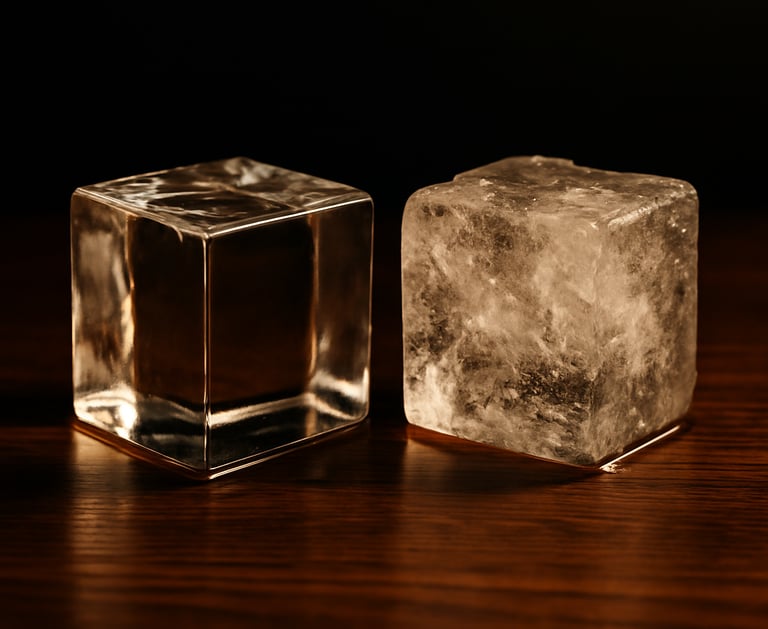
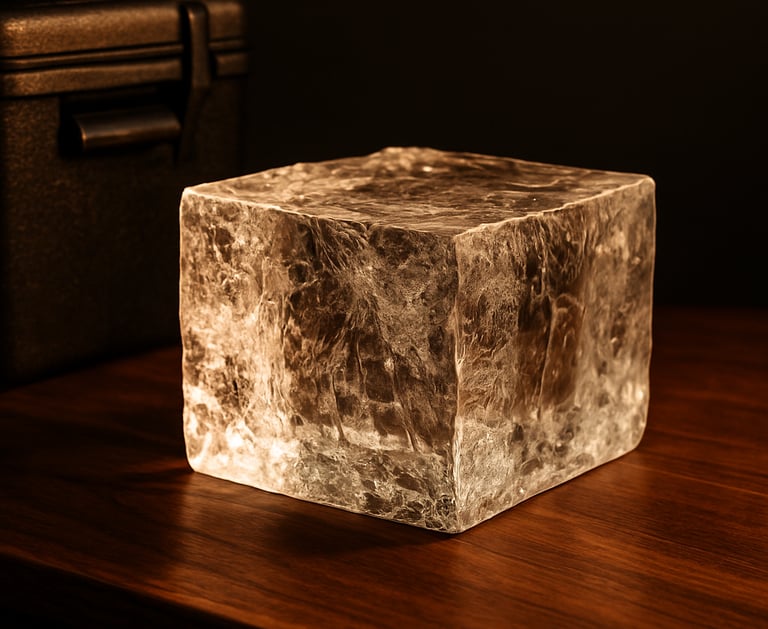
Clear ice comes from very pure water frozen slowly to push out gases and impurities. Slow, directional freezing creates dense, see-through ice. Cloudy ice freezes quickly, trapping air and minerals, which makes it white and opaque.
What Clear Ice Changes
Dilution Rate: It melts slower thanks to fewer trapped gases and tighter structure.
Nucleation Points: Less trapped air means fewer spots where melting speeds up, helping maintain carbonation.
Texture and Visual Appeal: Clear ice feels smoother and looks cleaner in drinks.
Temperature Stability: Dense ice stays cold longer without speeding up dilution.
What Clear Ice Does NOT Change
Aroma Perception: The clarity doesn’t affect the smell of the drink.
Flavor Composition: The flavor itself stays the same; only dilution speed alters taste over time.
Why Does Clear Ice Crack?
Primary Cause: Rapid Freezing and Expansion
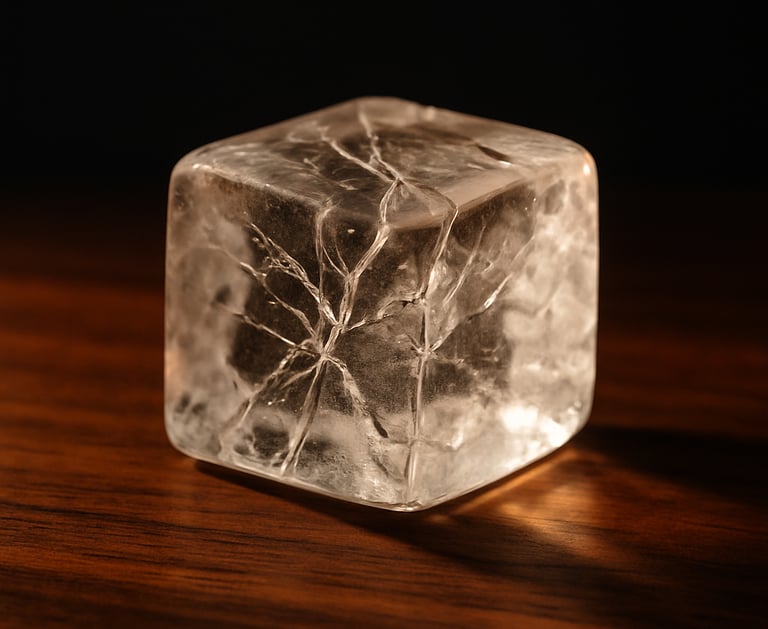
If water freezes too fast, the outer layer solidifies before the inside. Water expands as it freezes—around 9% in volume. This creates pressure inside. The ice relieves that pressure by forming cracks.
Temperature Shock
Pouring warm or room-temperature drinks on very cold ice makes the surface heat up fast while the core stays frozen and contracted. That thermal stress causes cracking, often right away.
Trapped Air and Impurities
Minerals and tiny air bubbles cause weak spots that cracks start from. Clear ice cuts these out by using distilled or boiled-then-cooled water and freezing it slowly.
Uneven Cooling and Mold Issues
If molds are uneven or overfilled, water freezes irregularly, causing stress points. Freezing too fast or setting the freezer too cold also creates uneven crystals and cracks. Using better molds can help, especially if you are comparing ice molds for home bars.
Practical Implications for Drink Quality
Dilution Control: Cracked ice breaks into smaller bits, increasing surface area, melting faster, and diluting drinks quicker. That defeats the purpose of clear ice.
Visual Appeal: Cracks spoil the clean look of clear ice, hurting presentation.
Texture and Mouthfeel: Big, intact ice melts slower and steadier, preserving balance longer.
How to Prevent Clear Ice from Cracking
Use Pure Water
Distilled or boiled-then-cooled water removes air and minerals.
This cuts down weak spots where cracks grow.
Freeze Slowly
Freeze molds overnight or up to 18 hours on low temperature.
Fast freezing traps air and causes internal stress.
Proper Mold Filling and Placement
Fill molds right—not too full or too empty.
Keep molds level in the freezer for even freezing.
Temper Ice Before Use
Let ice sit at room temperature about 5 minutes until frost fades.
This cuts down thermal shock when you pour drinks over ice.
Avoid Temperature Shock
Don’t pour warm spirits directly on freshly frozen ice.
Pre-chill glasses or drinks a bit if serving with fresh ice.
Handle with Care
Don’t run ice under water to temper it; this can cause cracks.
Use serrated tongs or proper tools to avoid chipping.
Common Mistakes When Making and Handling Clear Ice
Freezing at the coldest setting, which freezes ice too fast and causes cracks.
Pouring warm or room-temperature drinks on fresh ice.
Using tap water with minerals and air bubbles, resulting in cloudy, crack-prone ice.
Overfilling or underfilling molds, causing uneven freezing.
Placing molds on uneven freezer shelves, which stresses the ice.
Running ice under water to temper, which induces cracks.
Expecting perfect, crack-free ice balls after just a few hours of freezing.
Glossary
Tempering
Letting ice sit at room temperature for about 5 minutes after removing it from the freezer to reduce surface brittleness and prevent cracks from temperature shock.
Temperature Shock
Cracking caused by rapid temperature changes when warm liquids come in contact with very cold ice.
Air Bubbles
Trapped pockets of air inside ice that form weak points where cracks can start.
Uneven Cooling
Non-uniform freezing rates across an ice mold creating internal stress.
Clear Ice
Ice made from pure, bubble-free water frozen slowly to produce clear, dense blocks.
FAQ
How long should ice balls freeze to avoid cracks?
Ice balls need to freeze slowly, ideally overnight or up to 18 hours on a low freezer setting, to ensure even expansion and minimize cracking.
Can I temper ice by running it under water?
No. Running ice under water can cause temperature shock and cracks. Let it sit at room temperature a few minutes instead.
What type of water is best for clear ice?
Distilled or boiled, then cooled, water works best to cut air and mineral impurities that cause cloudy ice and cracks.
Why do ice balls sometimes crack after being frozen?
Rapid freezing makes the outer shell freeze first, with the inside expanding later, causing cracks. Temperature shock when pouring warm drinks on cold ice adds to this.
Does cracked ice affect the taste of the drink?
Yes. Cracked ice melts faster, diluting the drink more quickly and changing its balance. The ice itself doesn’t change flavor.
How can I avoid temperature shock when using ice?
Let ice temper at room temperature for 5 minutes before use and avoid pouring warm drinks directly on ice.
Does clear ice improve the drink's aroma?
No. Clear ice affects melt rate and looks but doesn’t change aroma perception.
Continue Building Your Bar Knowledge
If you want better control over dilution and serving temperature, learning more about bar ice and temperature control will improve nearly every drink you make.
If cracking starts with poor molds or uneven freezing, it may help to compare the best ice molds for home bars.
And if you're ready to upgrade your ice setup entirely, consider automatic clear cube and sphere systems that produce clearer ice with fewer cracks.
© 2026 Barkeepers Buzz. All rights reserved.
Barkeepers Buzz
Master cocktails, spirits, and bar knowledge with clarity and precision. Built for serious home enthusiasts.
Crafted with respect for the culture — and the responsibility that comes with it.
For educational purposes only. Intended for legal drinking age audiences. Please drink responsibly.
General Inquiries: