
Why Large Clear Ice Cubes Melt Slower (And Why It Matters for Whiskey)
Learn why large clear ice cubes melt slower and how this benefits whiskey flavor and temperature control for an optimal drinking experience.
ICE & TEMP GUIDES
Barkeepers Buzz Editorial Team - Led by AJ “Buzz” Eichman
5/29/20266 min read
Pouring whiskey over the perfect ice cube isn’t just about presentation—it’s about preserving the drink’s flavor and achieving the right chill without washing out the spirit. As someone who’s tested different ice styles behind the bar, I’ve noticed a clear trend: large clear ice cubes consistently outperform the usual small, cloudy cubes when it comes to controlling melt rate and dilution. But why exactly do large clear ice cubes melt slower, and why should whiskey lovers care?
In this article, we’ll break down the science behind ice clarity and size, explore how this affects whiskey chilling, and share practical tips for making or selecting the right ice for your next pour. I’ve put these insights to the test across several shifts, digging into what really makes a difference for the drinking experience, and I’m looking forward to sharing what I’ve learned. For a deeper understanding of the science behind chilling and dilution, check out Ice Dilution & Drink Temperature Science.
Quick Verdict
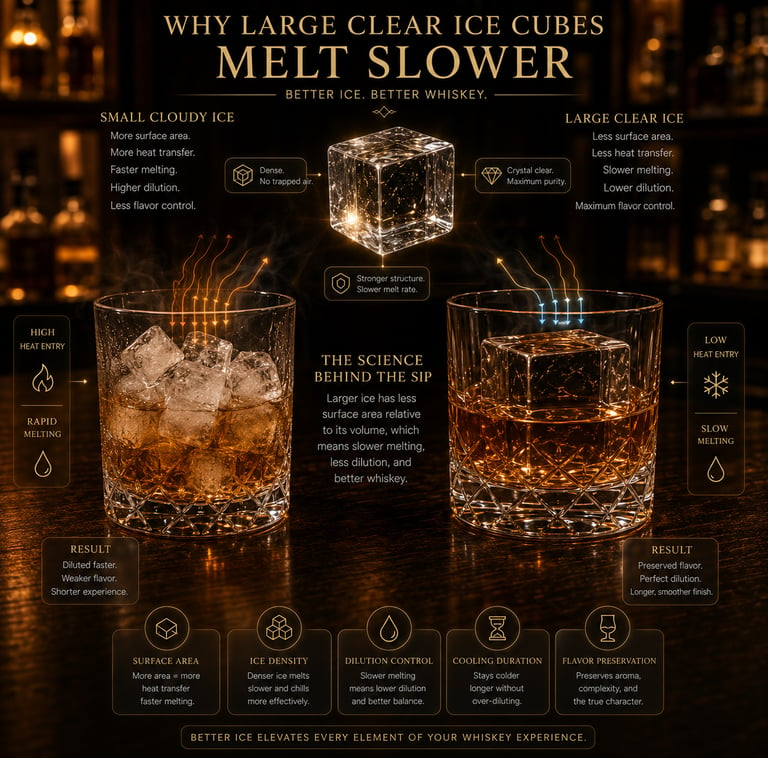
Large clear ice cubes melt slower because they have less surface area exposed per volume and fewer impurities or air bubbles.
Slower melting ice chills whiskey efficiently, preserving flavor while minimizing dilution.
Smaller or cloudy ice cubes melt faster, leading to quicker dilution and less stable temperature control.
Investing in clear ice molds or trays designed for larger cubes can elevate your whiskey experience by balancing chill and taste.
What Makes Ice Clear vs. Cloudy?
Most of us are familiar with the cloudy ice that comes from regular home freezer trays. That cloudiness is caused by trapped air bubbles and impurities freezing unevenly inside the cube. When water freezes quickly from the outside in, the impurities and air get pushed inward, creating the opaque, foggy appearance.
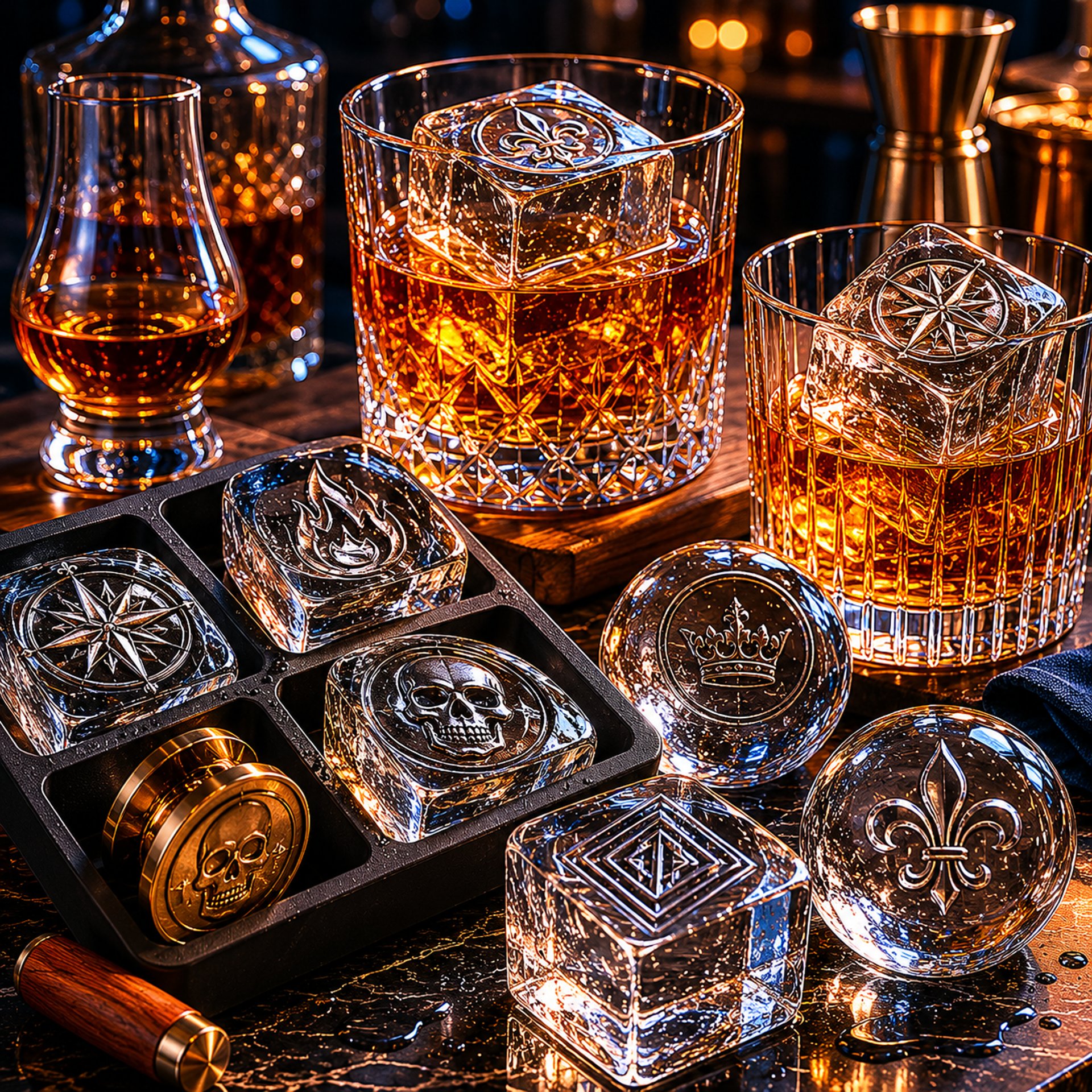
Clear ice is different. It’s produced using directional freezing, which means the water freezes slowly from one direction—usually from the top down or bottom up—allowing air and impurities to be pushed away from the freezing front. The result? Ice that looks glass-like, denser, and free of bubbles. This visual clarity is one reason Why Clear Ice Makes Decorative Patterns Look Better when using stamps, molds, and other presentation-focused ice tools.
Why does this matter for melting? The presence of air bubbles and impurities in cloudy ice essentially introduces pockets that heat can penetrate, speeding up the melt. Denser, clear ice absorbs heat more slowly, which makes it last longer in your drink.
How Ice Cube Size Influences Melting Rate
When I first started experimenting with ice size, I figured smaller cubes just looked cute but didn’t change much aside from how the drink looked. Turns out, size fundamentally changes how fast the ice melts.
Larger cubes have a lower surface area relative to their volume. Simply put, less surface area means less contact with the whiskey and the surrounding air, which slows heat transfer. Smaller cubes, with their higher surface area-to-volume ratio, expose more surface to the liquid, melting faster.
I tested this by comparing a standard home tray cube (roughly 1 inch on each side) to a large clear ice cube (about 2 inches on each side). The larger cube lasted noticeably longer, keeping the whiskey cold roughly twice as long before significant dilution kicked in.
Why Slower Melting Matters for Whiskey Flavor
Whiskey is a spirit that benefits immensely from precise temperature control and gradual dilution. If the ice melts too quickly, the drink cools rapidly but also waters down, muting the complex flavor notes. Over-dilution can flatten aromas and taste profiles, reducing enjoyment.
On the flip side, no ice or too little ice means the whiskey may be too warm to fully appreciate its depth and richness. Large clear ice cubes offer the best of both worlds—they chill your drink steadily while minimizing dilution. This balance lets the whiskey open up gradually, enhancing the tasting experience.
The slow melt rate also prevents sudden temperature drops that can numb the palate. It’s not just about keeping your drink cold—it’s about maintaining the right temperature window for flavor expression. Understanding How Ice Temperature Changes Whiskey Flavor & Dilution helps explain why this balance matters so much.
Techniques to Make Large Clear Ice Cubes at Home
I’ll admit, fully clear ice doesn’t just happen by chance in your regular freezer. Achieving that clarity takes control over freezing conditions. Here’s a simple method I’ve used that works well without special equipment:
Start with purified or filtered water to reduce minerals and impurities.
Use a cooler or insulated container inside your freezer, leaving the top open.
Fill the container with water and freeze it slowly (12-24 hours depending on size).
Because the freezer cools the water directionally (from the outside walls inward), impurities get pushed to one side.
When frozen solid, remove the block and chip off the cloudy parts where impurities gathered, leaving a clear core.
Cut that core into large cubes using a serrated knife or ice pick.
There are also clear ice molds and trays available for purchase that simplify this directional freezing process and help create perfectly-sized large cubes with less manual work. If you're shopping for options, Best Clear Ice Stamp Trays for Whiskey & Cocktails covers several molds designed for presentation-focused whiskey service.
Common Mistakes When Using Ice with Whiskey
Using small, cloudy tray ice without considering melt rate leads to rapid dilution and inconsistent chill.
Overloading whiskey glasses with multiple ice cubes, causing faster melting and muting flavors.
Assuming all ice melts the same way regardless of clarity or size.
Neglecting to prepare or store clear ice correctly, resulting in cloudy or misshapen cubes.
Using too much ice, chilling whiskey to the point where it numbs the palate instead of enhancing flavors.
Tips for Optimal Whiskey Temperature Control
Start your whiskey service with one or two large clear ice cubes rather than several small cubes.
Store clear ice in a sealed container in the freezer to reduce moisture pickup and maintain clarity.
If you want to chill whiskey quickly without dilution, consider chilling the glass or pre-chilling the whiskey before adding ice.
Monitor dilution visually; ice that melts too quickly not only waters down the drink but also alters the temperature abruptly.
Experiment with cube size to find your preferred balance between chill and dilution. This is partly personal taste, and partly dependent on the whiskey itself.
Recommended Ice Molds and Tools for Clear Ice
If you want an easier way to make large clear ice cubes at home, here are a few tools I’ve come across worth considering:
Cube-shaped directional freezing molds with insulated sides—these create clear blocks that carve into large cubes.
Large silicone ice trays specifically designed for whiskey cubes—look for those that slow freezing to reduce bubble formation.
Electric clear ice makers (higher budget option). These machines use freeze-direction control and filtration to produce crystal-clear cubes with minimal hassle.
Choosing the right tool depends on how invested you want to be in the process versus convenience. For decorative applications, Best Clear Ice Stamps for Whiskey & Cocktails highlights products that pair especially well with large clear cubes.
FAQs About Ice and Whiskey Serving
Why does clear ice melt slower than cloudy ice?
Clear ice is denser and free of trapped air bubbles and impurities that speed up melting in cloudy ice.
How does the size of an ice cube affect melting rate?
Larger cubes have less surface area relative to their volume, which slows how quickly they absorb heat and melt.
What is the best ice cube size for whiskey chilling?
Large cubes around 2 inches square are ideal because they chill efficiently while minimizing dilution.
How can I make clear ice at home?
Use directional freezing techniques with purified water and slow freezing in an insulated container to push impurities out.
Does slower melting ice really improve whiskey taste?
Yes, slower melting maintains a steady temperature and reduces over-dilution, preserving flavor balance.
Can wrong ice choice ruin a whiskey experience?
Using small or cloudy ice that melts fast can dilute your whiskey too quickly, muting its flavor and aroma.
What’s the difference between clear ice and standard ice cubes?
Clear ice is free of bubbles and impurities and melts slower; standard cubes are cloudy and melt faster.
Why is dilution control important in whiskey serving?
Balanced dilution opens up flavors without watering down the spirit, essential for an optimal tasting experience.
Conclusion
After trying various ice types and sizes across many shifts, it’s clear to me that large clear ice cubes really do make a difference behind the bar—and at home for whiskey enthusiasts. Their slower melt rate isn’t just an aesthetic win; it translates to better temperature control, improved flavor preservation, and a more enjoyable drinking experience overall.
If you’re serious about whiskey chilling, investing some time and effort into making or sourcing high-quality clear ice is worth it. It’s a simple way to control dilution, maintain consistency, and elevate your pours. As always, experimentation is key—try different sizes and freezing methods to find what works best for you and your preferred whiskey. If you're comparing decorative presentation methods, Ice Stamp Trays vs Branding Stamps (What Creates the Better Cocktail Presentation?) explores another factor that can influence the overall whiskey experience.
Keep experimenting, keep refining—that’s the way we both get better at enjoying whiskey, one great cube at a time.
© 2026 Barkeepers Buzz. All rights reserved.
Barkeepers Buzz
Master cocktails, spirits, and bar knowledge with clarity and precision. Built for serious home enthusiasts.
Crafted with respect for the culture — and the responsibility that comes with it.
For educational purposes only. Intended for legal drinking age audiences. Please drink responsibly.
General Inquiries: