
Does Decorative Ice Melt Faster? (What Actually Happens)
Explore how decorative ice melt rates depend on size, shape, density, and environment—not just appearance—to keep your drinks perfectly chilled.
ICE & TEMP GUIDES
Barkeepers Buzz Editorial Team - Led by AJ “Buzz” Eichman
5/29/20266 min read
If you’ve ever wondered whether decorative ice melts faster than regular ice, you’re not alone. It’s a common question among bar owners, event hosts, and anyone who likes their drinks cold and clear. Decorative ice certainly looks better, but does it come with a downside when it comes to melting speed? I’ve been installing commercial beverage systems and equipment for over 30 years, and one thing I’ve learned is that what you see on day one often changes by year three. When it comes to ice melting, it all comes down to basics — physics and environment — not just aesthetics. Understanding how decorative ice fits within Ice & Temperature Control helps explain why melt rate is usually a function of design, density, and environment rather than appearance alone.
Here’s a quick verdict before we dig in:
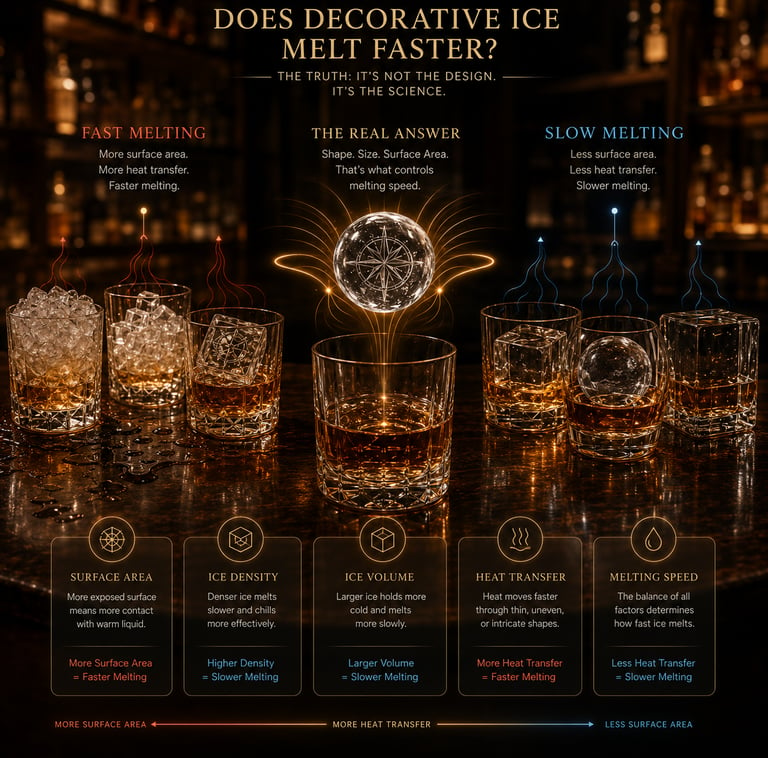
Decorative ice melts at the same rate as regular ice when size, shape, and conditions are equal.
Bigger, denser ice cubes melt slower due to less surface area relative to volume.
Intricate decorative ice shapes tend to melt faster because their thin edges and extra surface area expose more ice to warm surroundings.
Environmental factors like drink temperature, container insulation, and airflow have a bigger impact on melting than ice design alone.
What Is Decorative Ice?
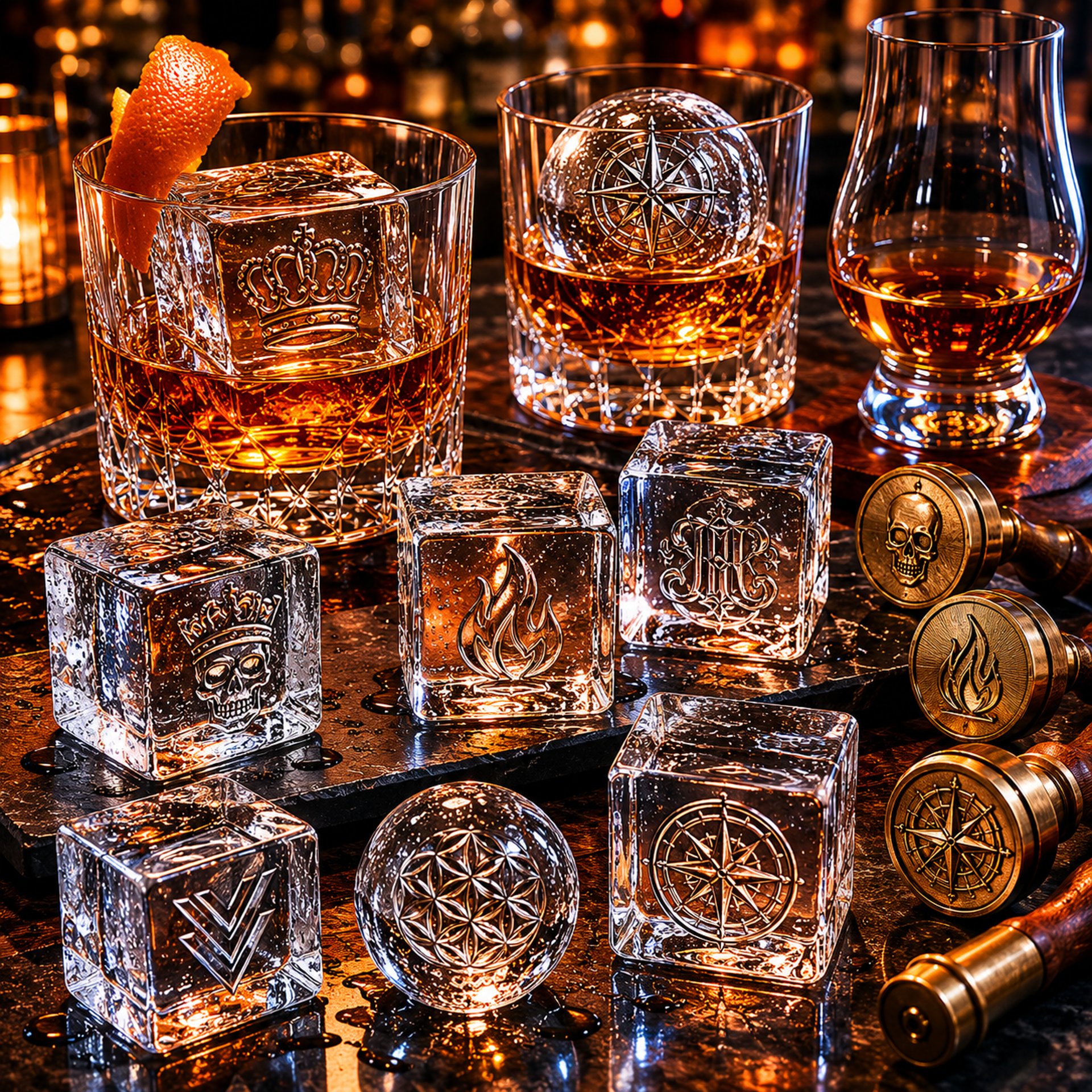
Decorative ice covers ice shapes beyond standard cubes or crushed ice. It includes spheres, large blocks, hollow cylinders, or intricately carved shapes meant to look good in cocktails or displays. The goal is usually visual appeal — clear, perfectly formed ice that’s easy on the eyes.
Many bartenders create these designs using products featured in Best Clear Ice Stamps for Whiskey & Cocktails and Best Clear Ice Stamp Trays for Whiskey & Cocktails to achieve repeatable patterns and premium presentation.
But just because ice looks fancy doesn’t mean it melts differently by default. The material is the same: frozen water. What differs is size, density, shape, and sometimes purity. Those factors all influence how quickly ice melts once exposed to warmer air or liquid.
The Science Behind Ice Melting
Ice melts when heat transfers from warmer surroundings to the colder ice surface, causing it to change from solid to liquid. The rate of melting depends on how fast heat moves from the drink or environment into the ice.
Key principles at play:
Surface area — The more surface ice exposes to warmer temperatures, the faster it melts.
Temperature difference — The bigger the gap between ice temperature and the environment, the faster heat moves.
Thermal conductivity — How easily heat moves through ice depends on density and purity.
Environmental factors — Airflow, humidity, and container material affect heat transfer rates.
Ice melting is not magic. It follows these physical laws consistently whether the ice is plain or decorative. A deeper dive into these principles can be found in Ice Dilution & Drink Temperature Science.
Factors Affecting Ice Melting Speed
Surface Area
This one’s straightforward. A large, solid block exposes less overall surface area relative to its volume. That means less ice in direct contact with warmer liquid or air, so heat transfer slows down. Small or thin shapes have more surface area per ounce of ice, and they melt faster.
Temperature and Environment
Where you put the ice is just as important—if not more so—than how it’s shaped. A drink kept in a warmer glass or under direct light will speed up melting regardless of ice shape. High ambient temperature and airflow increase heat transfer. Likewise, chilled containers slow it down.
Ice Density and Purity
High-density ice means fewer air bubbles trapped inside, so heat moves more slowly. Clear ice made with purified water and slow freezing methods tends to be denser and melts slower than cloudy, fast-frozen ice.
Decorative Ice vs Regular Ice: What’s the Difference?
When you compare decorative ice and regular ice, the physical factors explain what happens.
Regular ice tends to be cube-shaped or crushed. Cubes are usually about an inch or so—balanced for average melt time. Crushed ice melts faster because it has lots of small pieces and more surface area.
Decorative ice varies: a clear sphere may weigh as much as three small cubes, giving it less surface area per unit and slowing melt. But an intricate decorative piece with thin edges or hollow parts exposes far more surface in contact with the drink, speeding melting.
So decorative ice isn’t inherently “faster melting.” It depends on how it’s made and the features of its shape. For an example of how clarity and design work together visually, see Why Clear Ice Makes Decorative Patterns Look Better.
How Ice Shape and Size Influence Melting
The relationship between ice size and melting speed is not intuitive for many. A large block or sphere holds cold longer because it has volume and fewer edges exposed. Edges and cracks create pathways for heat and water movement, hastening melt.
Thin or irregular shapes have more edges per volume, which means more melting starts there. A long skinny shape will melt quickly on those exposed parts while the core stays frozen longer.
If you want ice to last longer in a drink, larger, simpler shapes work best. If you want rapid cooling with some dilution, crushed or decorative small shapes achieve that — but the trade-off is melt speed. This is one of the same reasons discussed in Why Large Clear Ice Cubes Melt Slower.
Practical Tips for Using Decorative Ice in Drinks
If you’re using decorative ice for service or events, here are some pointers from someone who’s seen the damage fine ice can do if ignored:
If you want ice to melt slow, go big and clear. Large spheres or blocks stand up better over time.
Avoid intricate designs if slow dilution is a priority. Thin edges will melt fast and water down your drink.
Keep drink temperature low and glasses chilled. Cool the container first, then add ice to reduce heat transfer.
Control your environment—keep pours away from direct heat or drafts.
Choose ice density and freezing methods that produce clear, dense batches for the longest hold.
Be aware decorative ice is partly a visual choice with a functional cost. Know your trade-offs.
Common Mistakes With Decorative Ice Melting
I’ve seen these missteps countless times in installs, events, and bars:
Assuming decorative is faster melting without size and shape consideration.
Selecting small, complex ice shapes hoping they’ll last, and ending up with quick dilution.
Ignoring ambient temperature and drink conditions as primary melt drivers.
Using poorly frozen, cloudy, or low-density ice without understanding its impact on melting.
Overlooking that the bigger the cube, the slower it usually melts.
Picking decorative ice for style only and not planning for the functional consequences.
That’s the sort of thing that causes callbacks, repairs, or unhappy customers. It looks fine on day one. It’s year three that tells the truth.
FAQ About Decorative Ice and Melting Speed
Does decorative ice melt faster than regular ice?
Not directly. It depends on shape, size, and environmental factors. Decorative ice with more exposed surface area melts faster, but large decorative shapes melt slower than small cubes.
What factors influence the melting speed of ice cubes?
Surface area, temperature difference, ice density and purity, drink or container temperature, airflow, and humidity all affect melting speed.
How does ice shape affect melting time?
More edges and thin parts expose ice to quicker melting. Simple, dense shapes melt slower.
Does the type of water or freezing method affect decorative ice melt?
Yes, denser ice from purified water and slow freezing melts slower than fast-frozen, bubbled ice.
Can decorative ice impact the taste or dilution of drinks?
Yes. Faster melting means more dilution, which changes the drink’s flavor balance.
How can bartenders control ice melt during service?
Use large, dense ice, chill glasses in advance, control environment temperature, and avoid unnecessary handling.
Are larger ice cubes always better for slower melting?
Generally yes, larger cubes have a lower surface-area-to-volume ratio, slowing melting, but shape and purity factors also matter.
What are the best ice types for different cocktails?
For sipping spirits, large spheres or blocks work well. For mixed or quickly consumed cocktails, crushed or smaller decorative shapes serve aesthetics better despite faster melt.
Conclusion
Decorative ice isn’t a magic fast- or slow-melting solution. It obeys the same physical principles as regular ice. What really dictates melting speed is size, surface area, density, and environment. Larger, denser cubes hold up longer. Intricate, thin shapes melt faster.
If you do one thing right for ice longevity, control the environmental factors around it. Chill the glass, control air temperature, and keep heat sources away.
Choosing decorative ice is about balancing looks and function. Know what melting speed you need before you pick your shapes. Otherwise, you’re inviting problems you’ll have to fix later.
For buyers evaluating decorative ice equipment, Ice Cube Stamp Tray vs Handheld Ice Stamp offers a useful comparison of the most common decorative ice methods available today.
If you're interested in the role decorative ice plays in premium drink presentation, The Best Drinks for Decorative Ice Cubes & Whiskey Stamps and How Bartenders Create Luxury Cocktail Presentation at Home provide additional practical examples.
Decorative ice is a solid choice when used with care. The key is understanding what you're getting into, not chasing trends. It works — until it doesn’t.
© 2026 Barkeepers Buzz. All rights reserved.
Barkeepers Buzz
Master cocktails, spirits, and bar knowledge with clarity and precision. Built for serious home enthusiasts.
Crafted with respect for the culture — and the responsibility that comes with it.
For educational purposes only. Intended for legal drinking age audiences. Please drink responsibly.
General Inquiries: