
Drink Build Order: Why It Matters
Discover the importance of drink build order in crafting quality cocktails. Learn how sequence affects dilution, texture, and presentation for better mixed drinks.
COCKTAILS & MIXED DRINKSICE & TEMP GUIDES
Barkeepers BuzzBlog Editorial Team - Led by AJ “Buzz” Eichman
3/1/20265 min read
Building a drink goes beyond just mixing ingredients. The order in which you add each component affects not only how quickly you can serve but also the quality and feel of the final cocktail. Whether you’re bartending at home or sharpening your skills, understanding why drink build order matters can level up your execution across classic cocktails and mixed drinks.
Quick Verdict
Built drinks are cocktails made directly in the serving glass, without shaking or blending.
Ice usually goes in first for practical reasons—speed and better control of dilution.
Adding ingredients from cheapest to most expensive helps minimize waste during busy service.
While order doesn’t largely change flavor chemically in simple built drinks, it does influence texture and perception.
What Are Built Drinks?
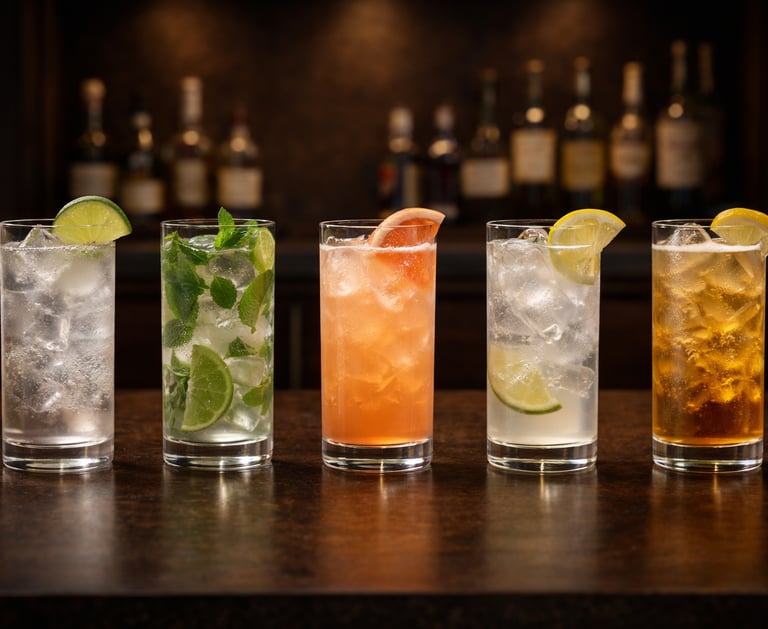
Built drinks are cocktails made straight in the glass they’ll be served in, usually with minimal mixing—no separate shaking or stirring. Think classics like the Vodka Soda, Gin and Tonic, Mojito, and Tom Collins. This method stands apart from shaken or stirred cocktails. Unlike drinks that require agitation — covered in our stirring cocktails properly guide — built drinks rely on controlled layering.
What I find interesting about built drinks is their simplicity and speed. They don’t require many tools and suit both fast-paced bars and casual home setups. Because you’re layering or combining right in the glass, the pouring sequence really affects dilution, mouthfeel, aroma release, and even presentation.
Why Ingredient Order Matters in Building Cocktails
Ice First for Efficiency and Dilution
In most cases, ice goes in first when building a drink. This order makes sense for a few reasons:
It chills the glass and drink immediately
Helps control dilution as the ice melts gradually
Makes it easier to pour liquids over or around the ice without splashing
Starting with ice also ties directly into proper ice and temperature control.
From my testing over a few shifts, adding ice first also speeds up the process since you can prepare the glass early while handling other tasks.
Cheapest to Most Expensive Minimizes Waste
I wanted to see if adding the less expensive ingredients, like mixers, before spirits actually helped. Turns out, it does: if a mistake happens during the build—say an order mix-up or dropped ingredient—you’ve wasted a cheaper component, not premium alcohol. So mixers like soda, tonic, or citrus juice go in first, with pricier spirits added last.
Sequence Affects Texture and Aroma Perception
While the chemical flavor balance doesn’t shift much in simple built drinks, the tactile feel and aroma release do change with order. For example, pouring spirits over ice early can bring up more volatile aroma compounds, enriching the bouquet. On the flip side, adding mixers last often keeps carbonation crisper in soda-based cocktails.
What Does NOT Change: Common Misconceptions
The ingredient order in simple built drinks rarely alters the fundamental flavor profile significantly. Flavors tend to blend naturally as the drink settles.
Pouring in a different sequence won’t ruin the drink, but it can subtly affect appearance and dilution control.
The choice between building, stirring, or shaking — explained in stirred vs shaken — affects dilution mechanics more than flavor chemistry.
Practical Implications for Drink Quality and When It Matters
Dilution Control
Ice-first builds enable gradual chilling and dilution. This is especially valuable in highball-style drinks where you want the balance to hold up as you sip. Using dense cubes — or systems featured in our best clear ice nugget systems guide — slows melt rate and preserves balance.
Temperature Stability
Built drinks with ice in first chill more quickly and stay colder longer, keeping the cocktail refreshing without watering it down too fast.
Aroma and Texture
Pouring spirits atop mixers or layering components changes aroma release. Some drinks benefit from this layering to highlight distinct aromas and textures.
Presentation
Order impacts how well layers hold up in drinks that rely on visual separation. Even when layering isn’t the goal, considering the pour sequence can improve overall drink appearance.
Common Mistakes in Drink Build Order
Adding expensive spirits first: Raises the chance of wasting costly ingredients if a mistake happens.
Ignoring ice placement: Can lead to uneven dilution and inconsistent cooling, which affects taste.
Mixing up built drinks and layered cocktails: Layered drinks require careful density-based pouring to maintain clear visual layers.
Pouring mixers last without considering carbonation: Risks losing fizz too early in soda or tonic-based drinks.
Bartender Tips for Efficient Drink Building
Start with ice to prepare the glass and speed up building.
Use the best jiggers for consistent measurements and controlled build order.
Add mixers and juices before spirits to reduce cost risk.
Pour mixers gently to maintain carbonation when needed.
Try clear ice nugget systems to slow dilution and keep drinks colder.
Keep bar tools organized to build drinks faster and more accurately.
A streamlined workflow starts with the essential tools for a home bar organized properly.
Examples of Popular Built Cocktails and Their Build Order
Gin and Tonic
Add ice to a highball glass.
Pour tonic water gently.
Add gin.
Garnish with lime.
Many built drinks fall into the broader Highball Family of cocktails.
Mojito
Muddle mint leaves with sugar and lime juice.
Add ice.
Pour white rum.
Top with soda water.
Stir gently.
Tom Collins
Fill Collins glass with ice.
Add gin.
Pour lemon juice and simple syrup.
Top with soda water.
Stir lightly.
These examples highlight how build sequence adjusts based on carbonation, cost considerations, and ingredient interaction.
Tools to Improve Your Drink Building
Quality jiggers help with precise pours and maintaining flow order.
Clear ice nugget systems produce slow-melting ice, preserving temperature and controlling dilution better.
Highball glasses are excellent for built drinks like Gin and Tonic, providing ample space for ice and mixers.
Professional organization becomes easier with thoughtfully curated best bar tool sets.
FAQ
Does ice always go in first when building a drink?
Usually, yes. Ice chills the glass and starts dilution, creating a solid base for adding liquids.
What is the difference between a built and a layered cocktail?
Built cocktails are mixed directly in the serving glass without aiming for distinct visual layers. Layered cocktails require careful pouring by density to create clear layers.
Why add the cheapest ingredients before the spirits?
To minimize costly waste if a mistake happens during preparation—discarding mixers is less expensive than premium spirits.
Does the order of ingredients affect the taste of the cocktail?
In simple built drinks, not significantly in terms of flavor chemistry. It mostly influences temperature, dilution, and aroma perception.
How does clear ice impact built drinks?
Clear ice melts slowly, maintaining flavor balance and temperature for longer periods.
Can I build cocktails without bar tools?
Yes, but tools like jiggers and appropriate glassware improve consistency and efficiency.
What glass is best for built cocktails?
Highball and Collins glasses are popular because they accommodate ice and mixers well, helping with dilution and temperature control.
Understanding the details of drink build order helps make better cocktails by maximizing flavor, consistency, and speed. Whether you’re mixing a straightforward highball or a Mojito, these principles guide you to build every drink the right way.
© 2026 Barkeepers Buzz. All rights reserved.
Barkeepers Buzz
Master cocktails, spirits, and bar knowledge with clarity and precision. Built for serious home enthusiasts.
Crafted with respect for the culture — and the responsibility that comes with it.
For educational purposes only. Intended for legal drinking age audiences. Please drink responsibly.
General Inquiries: