
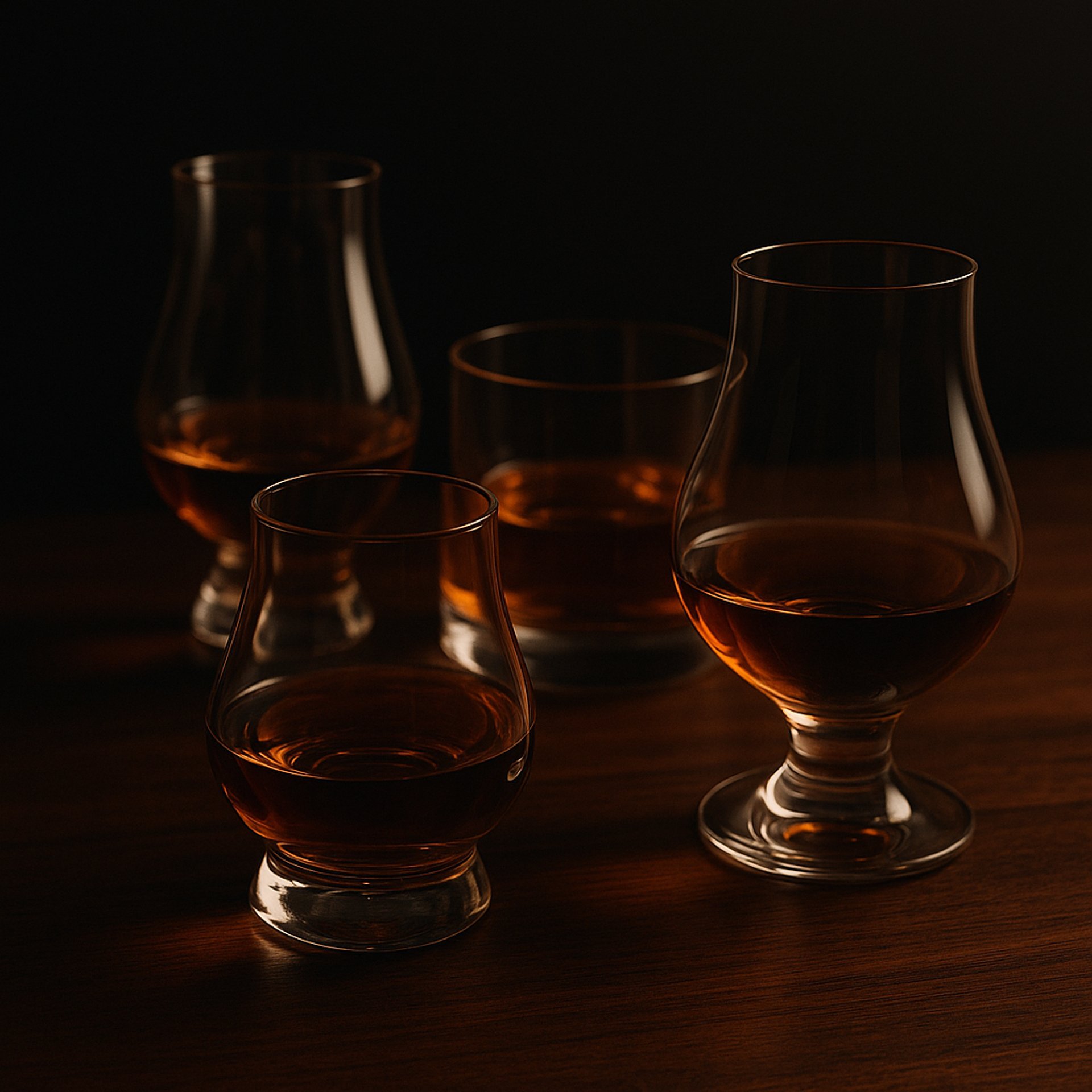
Essential Whiskey Glasses for a Home Bar Setup
Choosing the right whiskey glasses transforms your home bar experience by enhancing aroma and flavor with purposeful glassware designed for whiskey enjoyment.
GLASSWARE GUIDESCOCKTAILS & MIXED DRINKS
Barkeepers Buzz Editorial Team - Led by AJ “Buzz” Eichman
5/2/20267 min read
Pouring whiskey into just any glass might seem fine on day one. But it’s year three that tells the truth. Whiskey glassware isn’t about style trends or matching your décor. It’s about how the glass’ shape and structure impact the aroma, flavor, and longevity of what’s inside. I’ve replaced enough rushed or poorly chosen setups to know that the right glass can keep the experience consistent. The wrong one will break it down over time.
If you're building this the right way, starting with the proper Glassware setup is what determines whether everything else performs or falls flat.
If you handle your home bar setup seriously, especially with whiskey, then you want a few specific glass styles. Each one is designed with purpose, based on real-world use and how whiskey behaves in a glass. This isn’t about drinking fancy. It’s about making whiskey taste the way it should, every time.
Quick Verdict
Glencairn glasses are the go-to for neat whiskey. Their tulip shape captures aromas without letting them escape.
Old Fashioned glasses (tumblers) hold up well for whiskey on the rocks or in cocktails with wide mouths and heavy bases.
Snifter glasses let you gently warm aged or high-proof whiskeys to release more flavor.
Don’t stick to one glass type only—different whiskeys and serving styles call for different glassware.
Proper glass selection pays off long term. It’s about function more than looks.

The Importance of Whiskey Glassware in a Home Bar Setup
I can’t count how many times I’ve seen setups where a single glass type is used for everything whiskey related. It looks fine. It even pours fine. But the trouble starts when you want to nose the whiskey or taste subtle notes on aged spirits. That’s where glassware shows its real value — it shapes the experience of drinking whiskey.
Glass shape affects how volatile aromatic compounds gather or disperse. It also controls how fast the spirit warms in your hand, which can improve or dull certain flavors. The wrong glass will let those aromatics escape too quickly or restrict the drink’s surface too much, muting nuances. Put simply, whiskey glassware matters because it controls what reaches your nose and tongue. If you want to see how all of this ties together structurally, the Whiskey Glassware Guide for Home Bars breaks it down as a full system.
Overview of Essential Whiskey Glass Types
There are a handful of glass styles you’ll want to consider stocking in your home bar:
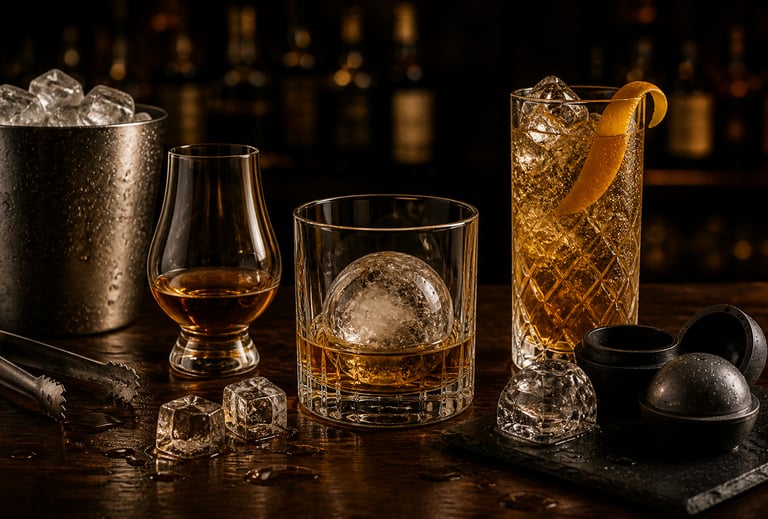
Glencairn Glass: This one does most of the heavy lifting in whiskey tasting. It’s shaped like a tulip, narrowing at the rim, which concentrates the bouquet and volatile aromas. The wide bowl lets you hold and swirl whiskey without losing the scents. This glass is designed to bring out complex whiskey aromas, making it easier to assess quality and character. If you want to understand why this works, Why Tasting Glasses Improve Whiskey Flavor explains the science behind it.
Old Fashioned Glass (Tumbler): Thick glass base, straight sides, wide mouth. It’s sturdy and functional. This is the glass you want for whiskey with ice or classic cocktails. The thick base keeps the drink cooler longer and makes muddling ingredients easier if you’re mixing up a cocktail. It works until it doesn’t — when you want to savor whiskey neat, it won’t concentrate aromas right. If you’re running ice regularly, Best Whiskey Glasses for Ice is where you’ll want to dial that in properly.
Snifter Glass: Usually for brandy but also used for aged or higher proof whiskeys. Its large bowl and narrow rim direct the aroma toward your nose while the shape allows gentle warming by holding the glass in your hand. The warmth releases more flavor compounds but obviously, this works best for whiskies you want to appreciate over time.
Copita Glass: Common in professional tastings, this glass looks similar to the Glencairn but thinner and more delicate. It’s excellent for detailed sensory work and nosing but less durable for everyday home bar use.
Features and Benefits of Each Whiskey Glass Style
Glencairn Glass
Tulip shape concentrates aroma.
Comfortable to hold with a solid base.
Supports swirling without spilling.
Best for neat whiskey tastings.
Old Fashioned Glass (Tumbler)
Thick base resists temperature change.
Wide mouth accommodates ice and garnishes.
Durable for everyday use and cocktails.
Not ideal for aroma concentration.
Snifter Glass
Large bowl encourages warming the whiskey.
Narrow mouth channels aromatics.
Meets needs of higher proof and aged whiskey drinkers.
More delicate, less practical for rough use.
Copita Glass
Thinly rimmed for smoother drink flow.
Excellent for nosing and sensory evaluation.
Less common in casual home settings due to fragility.
How to Choose the Right Glass for Different Whiskey Serving Styles
If you serve whiskey neat most of the time, invest in good Glencairn glasses. Their design maximizes what you smell and taste. If you prefer whiskey on the rocks or classic cocktails, stick to Old Fashioned glasses—they hold up better with ice and mixers.
For special occasions or if you collect older, barrel-proof whiskies, having a set of snifter glasses pays off. They let the whiskey warm slowly in your hand, releasing more complex notes without pouring a whole dram.
Consider the occasion, the whiskey itself, and how you plan to serve it. One glass rarely fits all uses well. Home bar setups that mix glassware styles handle different whiskeys better and avoid bottlenecking the experience. If you're comparing use cases directly, NORLAN Whisky Glass vs Waterford Markham DOF helps clarify where each style actually wins.
Common Mistakes When Selecting Whiskey Glasses
Using any glass just because it looks nice is the most common mistake. A glass might catch the light beautifully but fail at concentrating aromas or controlling temperature. I’ve replaced many glasses sold on looks alone — they don’t hold up after a few years or start losing their shape in the dishwasher.
Another issue is buying only one style of glassware. It limits your home bar’s versatility. Whiskey tasting, serving cocktails, and sipping aged spirits all have different requirements. You miss out on full enjoyment if you neglect this.
Skipping regular cleaning or using harsh detergents can also degrade the glass surface and impact flavor. Residue or etching in the glass is surprisingly common and ruins whiskey aromas.
Lastly, don’t assume expensive equals better. Premium glasses with proper shape and thickness matter more than brand label. If you do one thing right, make it glass shape and rim thickness for taste enhancement.
Tips for Maintaining and Cleaning Whiskey Glasses
Clean whiskey glasses with mild detergents and warm water. Avoid anything abrasive that can scratch or dull the glass. I’ve seen plenty of glasses ruined by dishwasher heat and harsh cycles, so hand wash when possible.
Store glasses upright and dry. Residue or trapped moisture can interfere with aroma and flavor. Use a lint-free towel to dry or let air dry in an open rack.
Inspect regularly for chips or cracks. Imperfections in the rim ruin the flow of whiskey across your tongue and interfere with tasting.
FAQs About Whiskey Glassware
What are the different types of whiskey glasses and their purposes?
The main types are Glencairn (for neat tasting), Old Fashioned tumblers (for on the rocks and cocktails), snifters (for warming aged or high-proof whiskey), and copita glasses (used in professional tasting). Each serves a distinct purpose based on how it shapes scent and flavor.
Why does glass shape matter for whiskey tasting?
Glass shape controls how volatile compounds concentrate and reach your nose, how the whiskey warms in your hand, and how the liquid flows onto your tongue. These factors impact aroma and flavor perception.
Can I use one type of glass for all whiskey drinks?
You can, but it compromises the experience. One glass style can’t optimize for both neat tasting and cocktails on ice. Mixing glass styles reduces callbacks from disappointed whiskey moments.
What glass is best for whiskey on the rocks versus neat?
Old Fashioned glasses are best for whiskey on the rocks due to their wide mouth and sturdy base. Glencairn glasses excel with neat whiskey because of their aroma-concentrating shape.
How does glassware affect the aroma and flavor of whiskey?
Properly shaped glassware traps and channels aromatic compounds to your nose, enhancing sensory perception. It also manages temperature and flow, which changes how flavors emerge on the palate.
Are expensive whiskey glasses worth it for home bars?
Focus on shape, rim thickness, and durability over brand name. You don’t need high-end crystal, but you do need glasses made with functional design in mind.
How do I clean whiskey glasses to preserve flavor?
Use mild detergent and warm water. Avoid dishwasher and abrasive materials. Dry properly to prevent residue or water spots.
What is the best glass to gift a whiskey enthusiast?
A set of Glencairn glasses suits most tastes and shows understanding of whiskey appreciation without overdoing it.
Setting Up Your Home Bar with Essential Whiskey Glasses
Start with a set of Glencairn glasses for tasting neat whiskey properly. Add Old Fashioned tumblers for mixed drinks and whiskey on the rocks. If you enjoy aged or cask-strength whiskey occasionally, consider adding snifters. Having a variety means your home bar is ready for any whiskey moment, and you avoid the common pitfall of a one-size-fits-all glass cupboard.
Avoid buying glassware purely based on appearance or label. Pick pieces that have a proven track record in whiskey enjoyment. Clean them as you would any professional tool—not just to look sharp but to extend useful life and safeguard flavor.
If you want more on setting up your home bar correctly, especially the tools you’ll need to complement your whiskey glasses, check out these guides:
Essential Tools for a Home Bar
Common Home Bartending Mistakes
Best Mixing Glasses
A solid setup includes not just good whiskey glassware but also the proper supporting equipment. Equipment that holds up long term isn’t flashy—it’s functional.
Conclusion
There’s no magic in fancy glassware brands or oversized glass collections. The essential whiskey glasses in a home bar setup are those that respect whiskey’s nature and work with it rather than against it. Glencairn glasses for neat, Old Fashioned glasses for on the rocks or cocktails, and snifters for warming aged spirits cover the bases. Add proper maintenance and cleaning, and you have a setup that delivers consistent experience over years, not just days.
If you do one thing right in your home bar, make it glassware that supports the whiskey rather than just showcasing it. That’s the installer’s way — practical, plain, and proven over three decades on the job.
© 2026 Barkeepers Buzz. All rights reserved.
Barkeepers Buzz
Master cocktails, spirits, and bar knowledge with clarity and precision. Built for serious home enthusiasts.
Crafted with respect for the culture — and the responsibility that comes with it.
For educational purposes only. Intended for legal drinking age audiences. Please drink responsibly.
General Inquiries: