
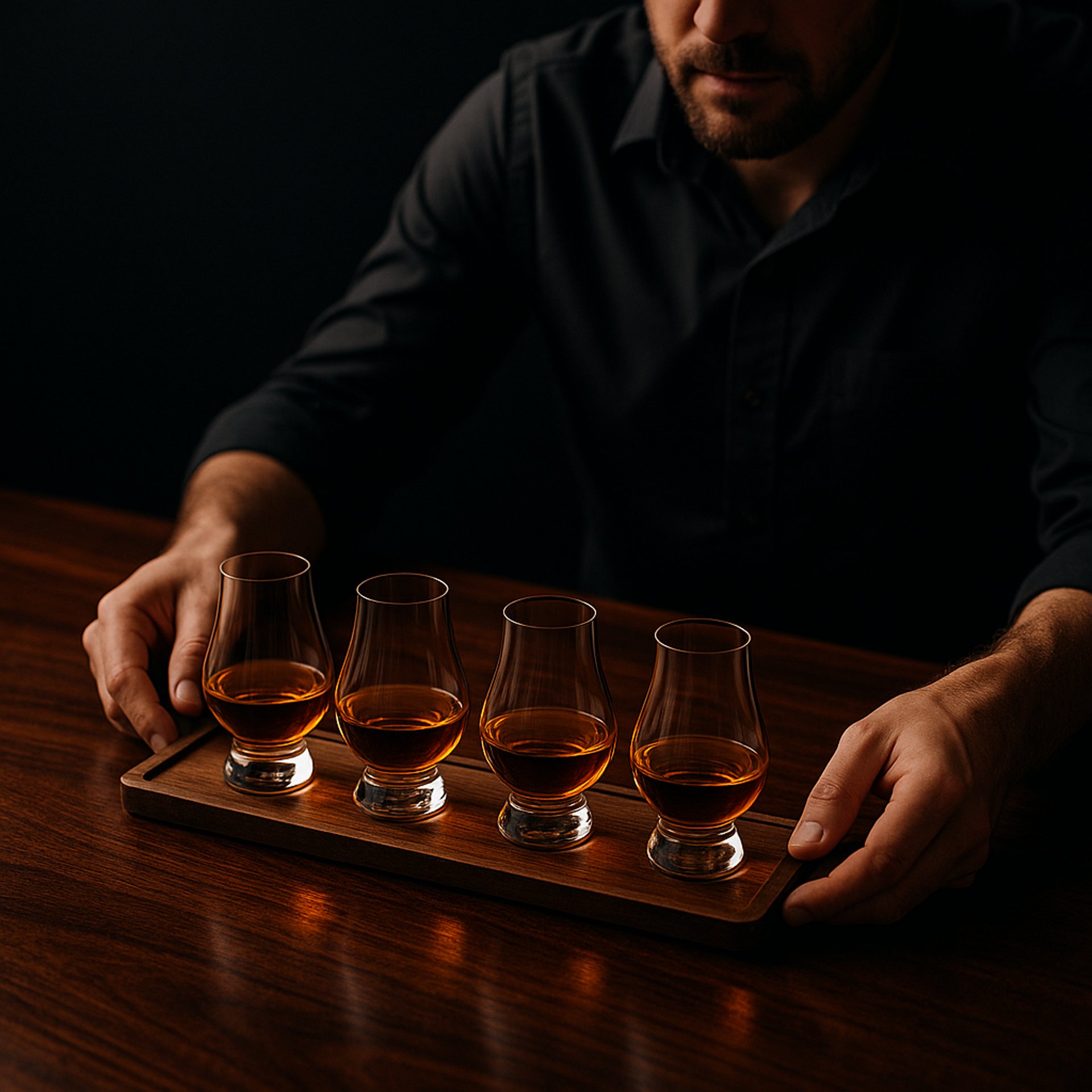
Why Tasting Glasses Improve Whiskey Flavor (Science Explained)
Explore how tasting glasses enhance whiskey flavor by concentrating aroma and improving oxidation for a richer, more nuanced experience.
GLASSWARE GUIDES
Barkeepers Buzz Editorial Team - Led by AJ “Buzz” Eichman
5/2/20266 min read
I’ve spent a few shifts testing different whiskey glasses, trying to figure out what actually makes a difference when it comes to tasting whiskey. If you’re like me—curious, eager to improve your palate and understand the science behind it—this article breaks down why the right tasting glass shapes can truly enhance your whiskey experience. It’s not just about looking fancy; these glasses affect aroma, flavor, and how whiskey interacts with air.
If you're building out your setup, starting with the right Glassware makes a bigger difference than most people expect.
So let’s dig into the science and practical stuff.
Quick Verdict
Tasting glasses concentrate whiskey aromas, enhancing the sensory experience.
Glass shapes like the inward-tapered Glencairn direct aroma to the nose more effectively than tumblers.
Proper glassware allows better oxidation and swirling, revealing deeper flavor notes.
Using a whiskey tasting glass helps both bartenders and home enthusiasts assess flavor nuances more accurately.
The Role of Aroma in Whiskey Tasting
Aroma is huge when it comes to appreciating whiskey. Most flavor perception actually happens in the olfactory system—the nose—more than just on the tongue. That means the way a glass shapes and delivers those smells has a direct impact on how we experience whiskey’s flavor.
When whiskey is poured into the right glass, its volatile compounds—like esters and aldehydes—evaporate and concentrate near the rim. These compounds carry most of the whiskey’s nuanced scent profile, from fruity notes to smoky undertones. If a glass is too wide open, those aromas disperse too quickly, and you lose the subtle complexity.
Dialing this in properly is exactly what the Whiskey Glassware Guide for Home Bars is built to help with, especially when matching glass types to drinking style.
How Glass Shape Affects Whiskey Flavor
I tested several types of glasses over a few days to see how shape changed the tasting experience.
Narrow Openings Concentrate Aromas
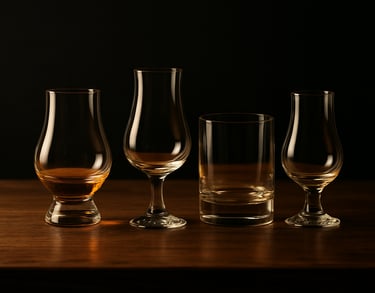
Glasses like the Glencairn or copita have inward-tapered rims that funnel aromas upward and toward the nose. This creates a focused “aroma tunnel,” making it easier to detect layered notes that are often missed in wider glasses.
Wide Bowls Improve Oxidation
A bowl-shaped glass exposes more surface area of whiskey to the air. This controlled oxidation softens harsh alcohols and opens up flavors you might not catch otherwise. However, if the bowl is too wide or the opening too large, aroma escapes instead of concentrating.
Impact on Palate Perception
The shape of the glass mouth influences how whiskey spreads across different parts of your tongue. This affects the balance of perceived sweetness, bitterness, and heat. For example, a tulip-shaped glass guides the liquid in a way that highlights sweeter, fruitier notes.
For a deeper breakdown of how these designs compare across use cases, Types of Whiskey Glasses Explained walks through each format in detail.
Science Behind Glass Design and Aroma Concentration
The inward taper of tasting glasses isn’t just stylistic; it’s functional. Here’s what’s happening scientifically:
Volatile aroma compounds evaporate from the whiskey and pool near the narrow rim.
The taper directs these aromas toward the nostrils at the top of the glass.
Swirling the whiskey releases more aromatics by mixing it with oxygen.
Oxygen exposure triggers oxidation, which modifies flavor compounds, often reducing harshness.
I noticed that glasses with thinner glass walls transmit temperature changes subtly, which can alter how volatile compounds release aromas during tasting. Thicker glasses tend to dull this effect slightly.
Common Whiskey Tasting Glass Types Compared
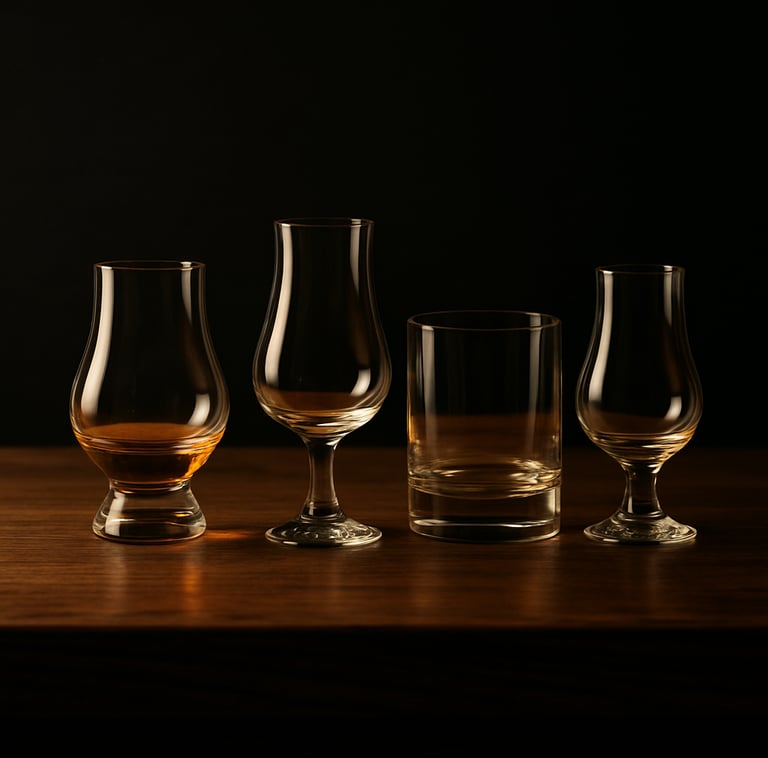
Glencairn Glass
The standard for whiskey tastings: inward taper, short stem, and wide bowl. It balances aroma concentration, oxygen exposure, and comfortable sipping. I tested this against other glasses and found it provided the most consistent flavor clarity for my palate.
Copita Glass
Longer stem and similar tulip shape. Popular in professional tastings and whisky competitions. The stem lets you hold the glass without warming the whiskey. Aroma concentration is excellent, similar to Glencairn.
Traditional Tumbler (Old Fashioned Glass)
Great for cocktails or casual sipping with ice but less ideal for nosing whiskey. Its wide rim disperses aromas, making it harder to detect subtle notes. I used this as a baseline and found flavor nuances less pronounced compared to tasting glasses. If you're deciding between real-world use cases, NORLAN Whisky Glass vs Waterford Markham DOF breaks down when each one actually makes sense.
Tulip Glass
Similar to Glencairn but sometimes taller and more narrow. Provides good aroma funneling and palate focus. I found it useful for those who want a bit more oxygen exposure without losing aroma concentration.
Practical Tips for Using and Choosing Whiskey Glasses
If you’re just starting to focus on tasting whiskey, here’s where I’d begin:
Look for glasses with narrow, inward-tapered rims to concentrate aromas.
Choose a bowl wide enough for gentle swirling but not so wide that aromas escape too quickly.
Consider glass thickness; thinner walls can help aroma release but prioritize durability.
Clean your glasses thoroughly—residual detergent or grease can affect flavor perception.
Use a stemmed glass if you want to avoid warming your whiskey with your hands.
If you're looking for options that are actually built for this purpose, Best Whiskey Glasses for Tasting highlights strong picks designed for aroma and clarity.
Common Mistakes When Using Whiskey Tasting Glasses
I’ve made some of these mistakes myself before understanding the science:
Using Generic or Wide-Mouthed Glasses
They let aromas dissipate, dulling the sensory experience. Avoid using typical water glasses or oversized tumblers when you want true flavor clarity.
Swirling Too Much or Too Little
Swirling helps release aromas but overdoing it can over-oxidize the whiskey, changing its profile too quickly. Find a gentle swirl rhythm that suits your whiskey.
Neglecting Glass Cleaning
Even traces of soap or oils can impact aroma and flavor. Rinse your tasting glasses well and occasionally wash with a vinegar solution to remove residues.
Using Overly Large Glasses
When whiskey spreads too thinly over a large surface, aromas dilute. A tasting glass designed for whiskey keeps that liquid concentration optimal.
Real-World Benefits of Using Proper Glassware
In my tests serving flights at the bar, customers consistently responded better when using Glencairn glasses. They noticed more complexity and had an easier time describing flavors. Professional judges rely on similar glassware to ensure consistent evaluations without bias.
At home, switching from a regular tumbler to a tasting glass made my own whiskey exploration more rewarding. It’s not just about tasting; it’s about understanding the spirit better and appreciating what distillers craft. Building around the right combination is exactly what Essential Whiskey Glasses for a Home Bar Setup helps you do.
FAQs About Whiskey and Tasting Glasses
Why does the shape of a whiskey glass matter for flavor?
Because it influences how aromas concentrate and are delivered to your nose, and how the liquid interacts with your palate.
Can I use regular drinking glasses instead of tasting glasses for whiskey?
You can, but regular glasses often let aromas escape more quickly, reducing your ability to detect subtle notes.
How does swirling whiskey in a tasting glass affect its flavor?
Swirling adds oxygen, softening harsh alcohol compounds and releasing more aroma, enhancing flavor complexity when done in moderation.
What is the difference between a Glencairn glass and a tumbler for whiskey?
Glencairn glasses have a tapered rim to concentrate aroma and a shape that supports oxidation, while tumblers are open and wide, dispersing aroma and limiting flavor detection.
Do tasting glasses really make a noticeable difference for casual drinkers?
Yes, many find an increased appreciation for flavor depth, though preferences vary.
How should I clean my whiskey tasting glasses to avoid flavor contamination?
Use warm water and mild detergent carefully; rinse thoroughly and occasionally use a vinegar solution. Avoid scented soaps.
Does glass thickness affect whiskey flavor or aroma?
Thinner glass can transmit temperature changes better, subtly influencing aroma volatility. However, the effect is minor compared to shape.
Is it better to use a tasting glass for all types of whiskey or only certain styles?
Tasting glasses are generally beneficial for almost all whiskey styles, especially when evaluating flavor complexity.
Conclusion
After testing multiple whiskey glasses and reflecting on the science, it’s clear that the shape and design of your glass really do impact the flavor and aroma experience. Tasting glasses like the Glencairn aren’t just stylistic—they’re functional tools that help you unlock the complexity of whiskey.
Whether you’re a bartender wanting to serve better flights or a home enthusiast eager to learn more about your whiskeys, investing in the right glassware makes your tasting more accurate, enjoyable, and meaningful. The small changes in aroma concentration, oxidation, and palate delivery matter more than you might expect.
If you want to step up your whiskey game, start experimenting with tasting glasses. You’ll develop your palate alongside me, and together we’ll turn curiosity into clarity.
© 2026 Barkeepers Buzz. All rights reserved.
Barkeepers Buzz
Master cocktails, spirits, and bar knowledge with clarity and precision. Built for serious home enthusiasts.
Crafted with respect for the culture — and the responsibility that comes with it.
For educational purposes only. Intended for legal drinking age audiences. Please drink responsibly.
General Inquiries: