
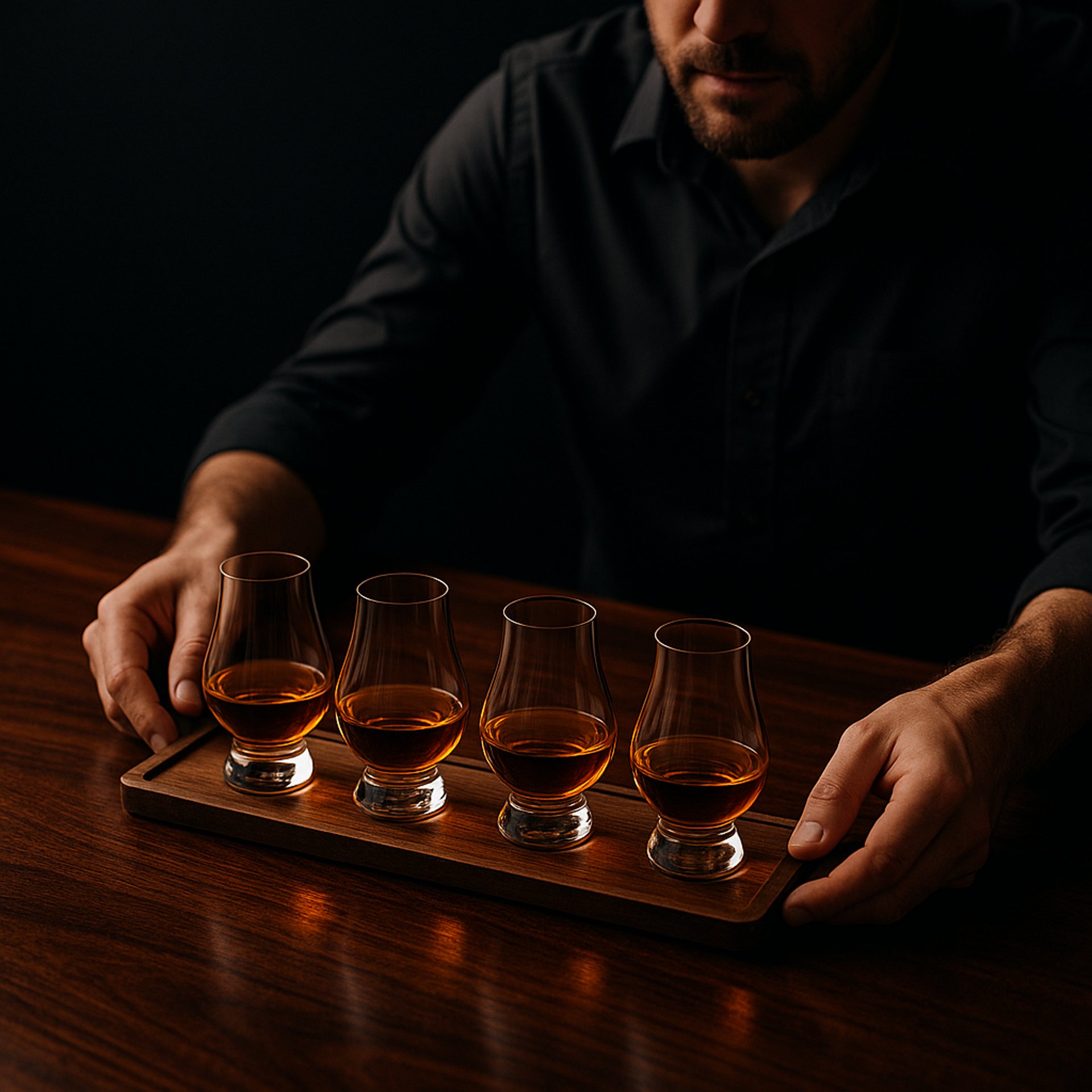
Types of Whiskey Glasses Explained (Tasting, Rocks, Glencairn & More)
Explore different whiskey glasses and how choosing the right one can enhance aroma, flavor, and your overall whiskey experience.
GLASSWARE GUIDESSPIRITS & ALCOHOL
Barkeepers Buzz Editorial Team - Led by AJ “Buzz” Eichman
5/2/20267 min read
When you first dip your toes into whiskey appreciation, the glass you choose might seem like a small detail. But as I’ve learned through testing different setups over multiple shifts, the right whiskey glass can truly elevate your experience by enhancing aroma, flavor, and even the way the spirit feels in your hand. Different types of whiskey glasses are designed for specific uses—whether it’s a slow tasting session, a casual pour over ice, or a neat sip that highlights complex notes.
If you're building your setup properly, starting with the right Glassware gives you a foundation that everything else builds from.
In this article, we’ll explore some of the most common whiskey glass types, including the Glencairn glass, rocks glass, tulip-shaped tasting glasses, and others. Along the way, I’ll share what I found works well and why using the proper glassware really matters.
Quick Verdict
Glencairn glasses are favored for whiskey tasting, concentrating aromas and flavors well.
Rocks glasses are great for whiskey with ice, with a wide mouth and thick base ideal for chilling.
Tulip-shaped tasting glasses direct aroma to the nose, improving sensory evaluation.
Choosing the right glass impacts your perception of whiskey’s flavor, aroma, and drinking comfort.
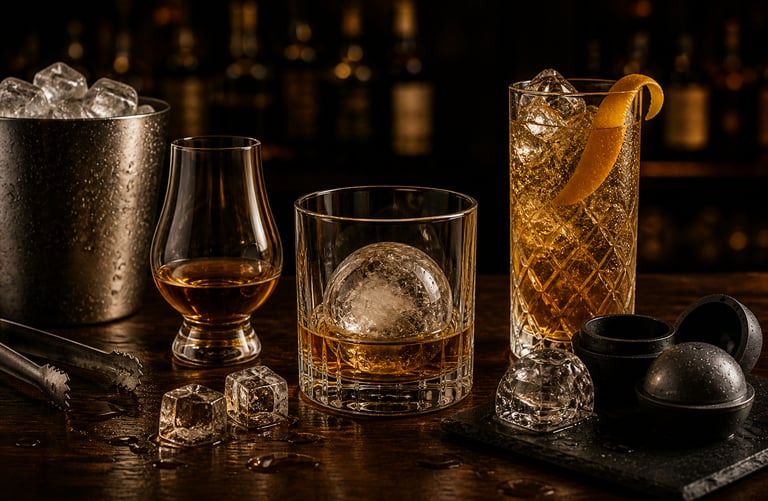
Overview of Whiskey Glassware and Its Importance
At first, I didn’t expect the glass shape to make much difference. But after testing whiskey in various glassware, I noticed that aroma release, flavor perception, and even temperature retention changed considerably. Whiskey glass types are more than just aesthetic—they manipulate the experience by controlling how aroma compounds hit your nose, how much air mixes with the liquid, and how the whiskey interacts with ice or dilution.
Using a generic glass may seem fine for casual drinking, but if you want to appreciate whiskey's nuanced flavors—especially in tasting or high-end pours—a specialized glass can highlight those subtle details that might otherwise get lost. Understanding whiskey glass types explained gives you the tools to tailor your experience to the whiskey and occasion. For a full system-level breakdown, the Whiskey Glassware Guide for Home Bars connects all of this into a structured setup.
The Glencairn Glass: The Standard for Whiskey Tasting
The Glencairn glass has risen to popularity as the go-to whiskey tasting glass, especially within professional and enthusiast circles. Its design is quite clever: a broad bowl that tapers sharply to a narrow mouth. This shape serves a key purpose—to funnel aromatic compounds upward so your nose picks up on more of the whiskey’s bouquet while sipping.
I tested the Glencairn glass against a more generic tumbler over several shifts. The difference wasn’t subtle. The Glencairn helped me catch more nuances in bourbons and single malts, especially fruity and floral notes. Also, it feels sturdy but refined, making it comfortable to hold. If you’re just starting to explore whiskey tasting, this glass is where I’d begin. If you want to go deeper into why this works, Why Tasting Glasses Improve Whiskey Flavor breaks down the science behind it.
Rocks Glass: Classic Choice for Whiskey with Ice
When it comes to serving whiskey with ice or “on the rocks,” the rocks glass (or old fashioned glass) remains the classic pick, and for good reason. It typically has a wide mouth and thick base, which offers a few advantages.
The wide mouth allows aromas to be appreciated but doesn’t concentrate them as much as the Glencairn or tulip-shaped glasses. This is fine because dilution with ice alters the flavor profile anyway, and the emphasis shifts more toward chill and smoothness. The thick base slows heat transfer from your hand to the ice, helping the drink stay cooler longer without diluting too fast.
I found that for casual pours or whiskey cocktails, the rocks glass is both practical and visually pleasing. It’s versatile, durable, and works well when presentation and ease of use matter. If you're pairing this style with ice performance, Do Whiskey Glasses Affect Ice Melt Speed? explains how glass choice impacts dilution directly.
Tasting Glasses: Tulip-Shaped Designs for Aroma Focus
Similar in purpose to the Glencairn, tulip-shaped tasting glasses are another popular option for concentrating aroma. They usually have a wider bowl that narrows toward the rim, designed to capture volatile aromatic compounds and direct them toward the nose.
I tested a couple of these glasses from different brands over a few tasting sessions. The aromas felt just as concentrated as with the Glencairn, sometimes even enhanced because of slight shape variations. One thing I noticed is that the thinner glass walls on many tulip designs feel more delicate and can add a pleasing tactile element. This can enhance the drinking ritual itself, beyond just aroma.
If you’re deciding between formats for real-world use, NORLAN Whisky Glass vs Waterford Markham DOF helps break down when each one actually makes sense.
Other Whiskey Glass Types (Copita, Snifter, Highball)
Beyond the common types, a few others stand out depending on your needs:
Copita: Originating from sherry tradition, the copita is a small tulip-shaped glass ideal for detailed nosing and tasting. It’s often used in more formal whiskey tastings or professional settings.
Snifter: Recognizable by its large, rounded bowl and narrower top, snifters are usually used for brandy but are sometimes employed for whiskey sipping to emphasize aroma.
Highball Glass: Tall and straight, these are designed for whiskey cocktails with mixers, like the classic whiskey soda. The shape enables good volume and ice accommodation but doesn’t focus on aroma.
Each has certain strengths but generally serves different drinking styles or cocktails rather than neat tasting.
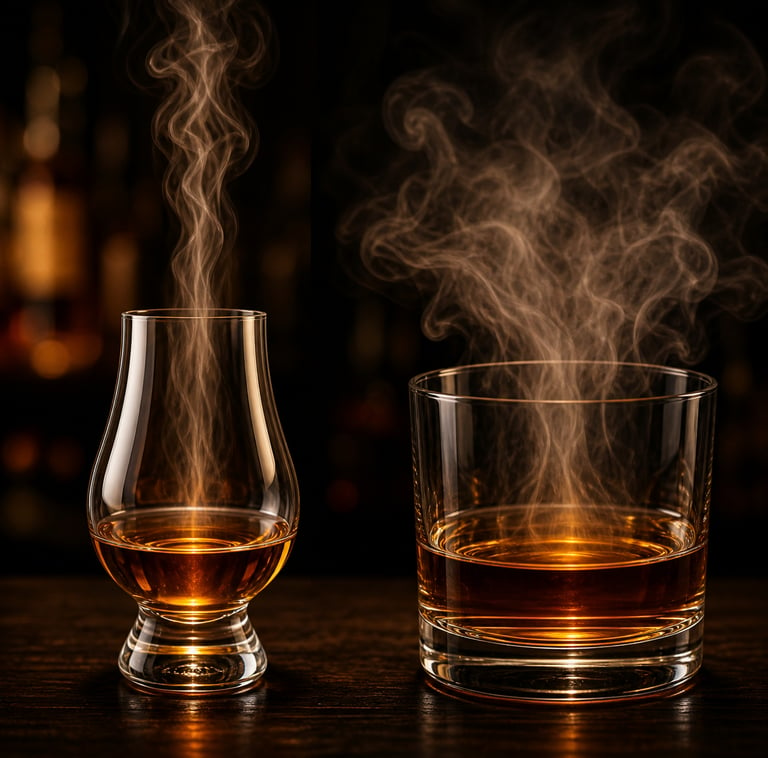
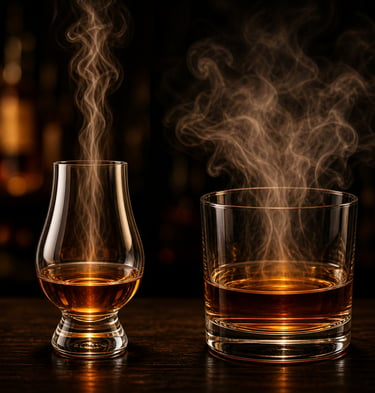
How Glass Shape Affects Whiskey Flavor and Aroma
This was the part that really caught me by surprise. The technical design of glassware—be it the bowl width, rim diameter, or glass thickness—directly affects how whiskey aromatics reach your nose and how flavors unfold on the palate.
For example, the tapered mouths of Glencairn and tulip glasses help trap and focus volatile aroma compounds, making those delicate floral, fruity, or smoky notes easier to detect. Conversely, wide-mouthed glasses disperse aromas faster, which can be nice for casual sipping but less precise for tasting.
Glass thickness also plays a role. Thicker bases, like on rocks glasses, insulate the whiskey helping maintain cool temperatures when drinking with ice, while thinner walls can enhance mouthfeel and tactile comfort during neat drinking. If you’re optimizing for ice control, pairing glass choice with tools like Best Sphere Ice for Whiskey & Cocktails can further slow dilution.
Choosing the Right Whiskey Glass for Your Occasion
If you’re exploring whiskey tasting, I’d recommend investing in a good Glencairn or tulip-shaped glass set. They’re optimized for aroma concentration and make it easier to pick up subtle flavors. If you're looking for buying guidance, Best Whiskey Glasses for Tasting highlights strong options.
For everyday drinking or cocktails, rocks and highball glasses make more sense. They’re practical, durable, and handle ice and mixers better than delicate tasting glasses. If ice is your focus, Best Whiskey Glasses for Ice is where you’ll want to look next.
If you’re hosting a whiskey tasting event or part of a club, standardized glassware like Glencairn or copita glasses helps ensure consistent sensory evaluation among participants. For building a full setup, Essential Whiskey Glasses for a Home Bar Setup ties everything together.
Care and Maintenance of Whiskey Glassware
One last tip based on my testing: how you clean your whiskey glasses actually matters. Residual detergent or odors clinging to the inside of glasses can interfere with aroma perception.
Always rinse glasses in warm water, avoid harsh detergents or scents, and consider occasional rinsing with distilled water. Let glasses air dry upside down or dry with a lint-free cloth to prevent fibers affecting the taste experience.
Common Mistakes When Using Whiskey Glasses
Using generic glasses that don’t concentrate aromas, which dulls flavor complexity perception.
Serving whiskey tastings in rocks glasses, which are great for ice but hide nuances when neat.
Using oversized glasses that promote rapid oxidation and aroma loss.
Neglecting the role of glass thickness on temperature and mouthfeel.
Not cleaning glasses properly, leading to off-putting smells that affect the whiskey.
Assuming one glass fits all whiskey types or drinking styles, which misses out on specialty uses.
FAQ
What is the best glass for whiskey tasting?
The Glencairn glass is widely recommended due to its shape that effectively concentrates aroma and enhances flavor perception.
What makes the Glencairn glass unique compared to other whiskey glasses?
Its wide bowl and tapered mouth funnel the whiskey’s volatile aromas toward the nose while allowing for easy sipping, improving sensory evaluation.
Can I use a rocks glass for whiskey tasting?
You can, but it is not ideal. Rocks glasses have a wide mouth that disperses aromas more quickly and doesn’t showcase delicate whiskey notes as well as tasting glasses.
Why does the shape of the whiskey glass matter?
Glass shape affects how aroma compounds are directed to your nose, how much air interacts with whiskey, and temperature retention—all influencing flavor and enjoyment.
Is it necessary to have different glasses for different types of whiskey?
Not strictly, but using specialized glassware can bring out particular flavors and aromas that suit specific whiskey styles, enhancing the overall experience.
How does glass thickness affect the whiskey drinking experience?
Thicker glass bases help maintain cooler temperatures when drinking over ice, while thinner walls can increase tactile enjoyment and let you appreciate nuanced aromas more directly.
Are there glasses designed specifically for whiskey cocktails?
Yes, rocks and highball glasses are common for whiskey cocktails due to their durability and suitability for ice and mixers.
How should I clean whiskey glasses to preserve flavors?
Rinse with warm water, use mild detergents sparingly, avoid scented cleaners, rinse thoroughly, and dry without leaving fibers or residue.
Conclusion
Exploring whiskey glasses has been a surprisingly rewarding part of refining my appreciation for this complex spirit. From the focused aromas in a Glencairn to the sturdy, chill-ready rocks glass, each type plays a role depending on how you want to enjoy your whiskey.
If you’re building your home bar or just want to improve your sipping rituals, I encourage you to experiment with these glassware types. Understanding how glass shape, size, and thickness influence flavor and aroma can transform your drinking experience from simply pouring into a glass to an intentional sensory ritual.
Ultimately, the best whiskey glass is one that helps you discover what you enjoy most about your whiskey—and there’s plenty of fun in finding that for yourself. Cheers to experimenting and improving together!
© 2026 Barkeepers Buzz. All rights reserved.
Barkeepers Buzz
Master cocktails, spirits, and bar knowledge with clarity and precision. Built for serious home enthusiasts.
Crafted with respect for the culture — and the responsibility that comes with it.
For educational purposes only. Intended for legal drinking age audiences. Please drink responsibly.
General Inquiries: